Our must-see tours in Panama
Discover the essentials of Panama in 10 or 15 days
Discover a selection of our most beautiful must-see itineraries in Panama, featuring the country’s essential must-sees: Panama City, the San Blas, Boquete, Bocas del Toro..
Panama essentials
Panama concentrates a diversity of landscapes and experiences in a compact territory. Situated between the Atlantic and Pacific oceans, the country’s natural, historical and cultural sites are a must for any first trip
What defines a must-see tour in Panama
Our tours bring together sites and experiences that give an overall vision of the country: the Panama Canal for its historical and technical importance, the tropical forests for their biodiversity, the Caribbean archipelagos for their beaches and reefs, and the indigenous communities for their cultural dimension. These itineraries are designed for first-time visitors to Panama who want to discover the main attractions in a single trip. The duration generally varies between 10 and 15 days, allowing coverage of the key regions without precipitation.
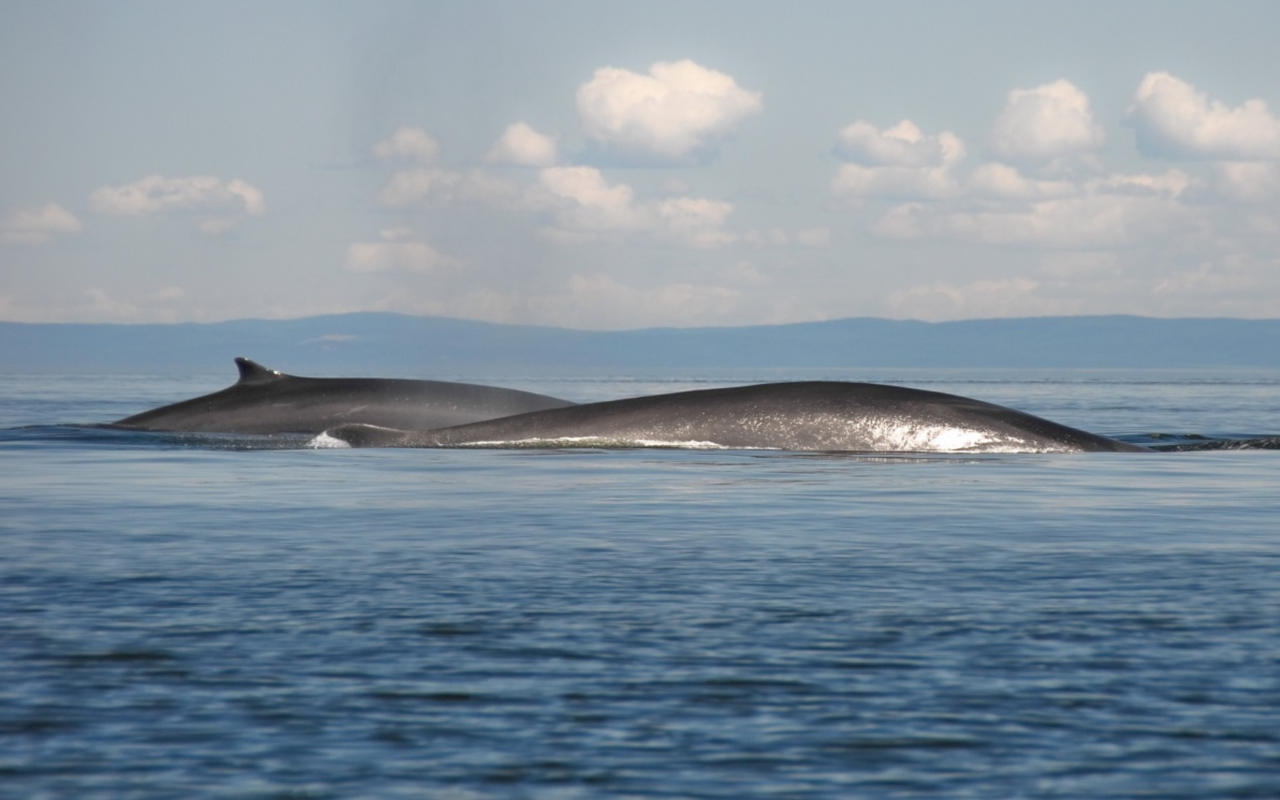
Nature travel in Panama, land of wildlife
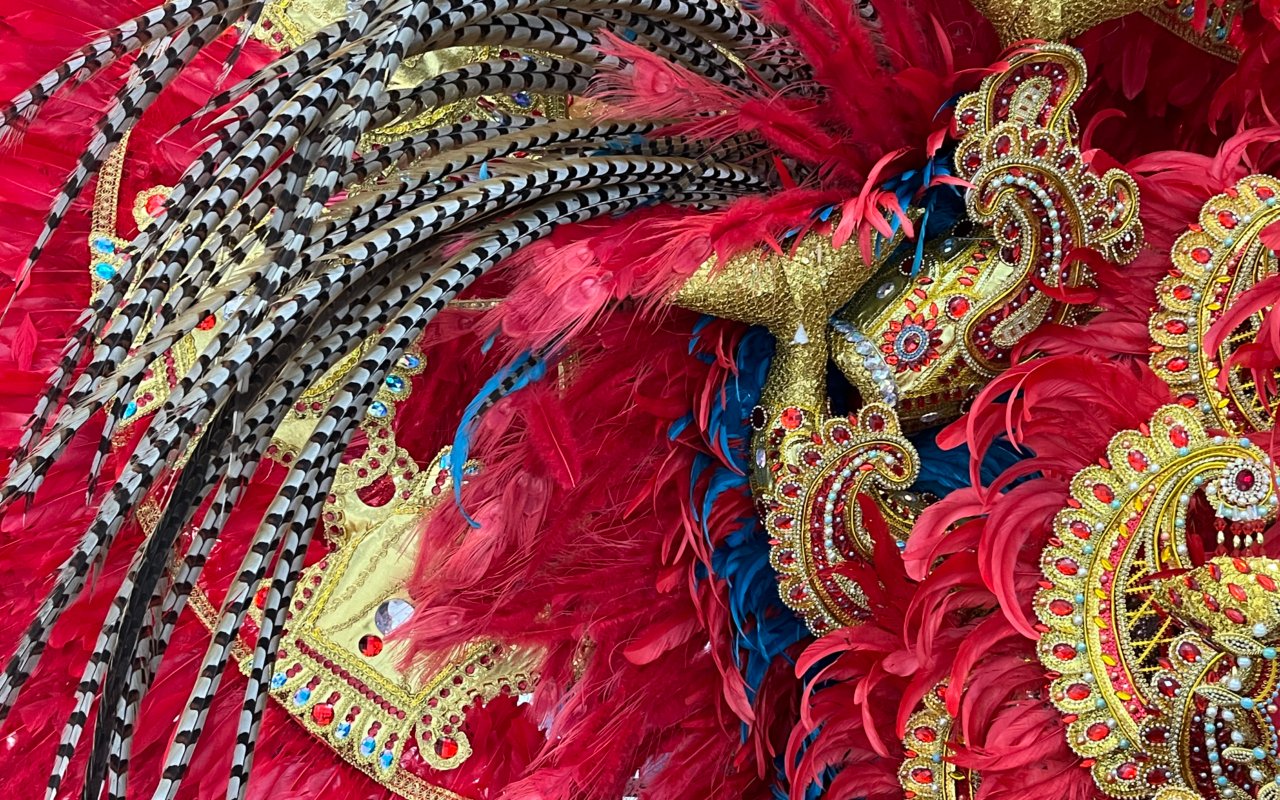
Tour to the rhythm of Panama Salsa, Pacific and Caribbean
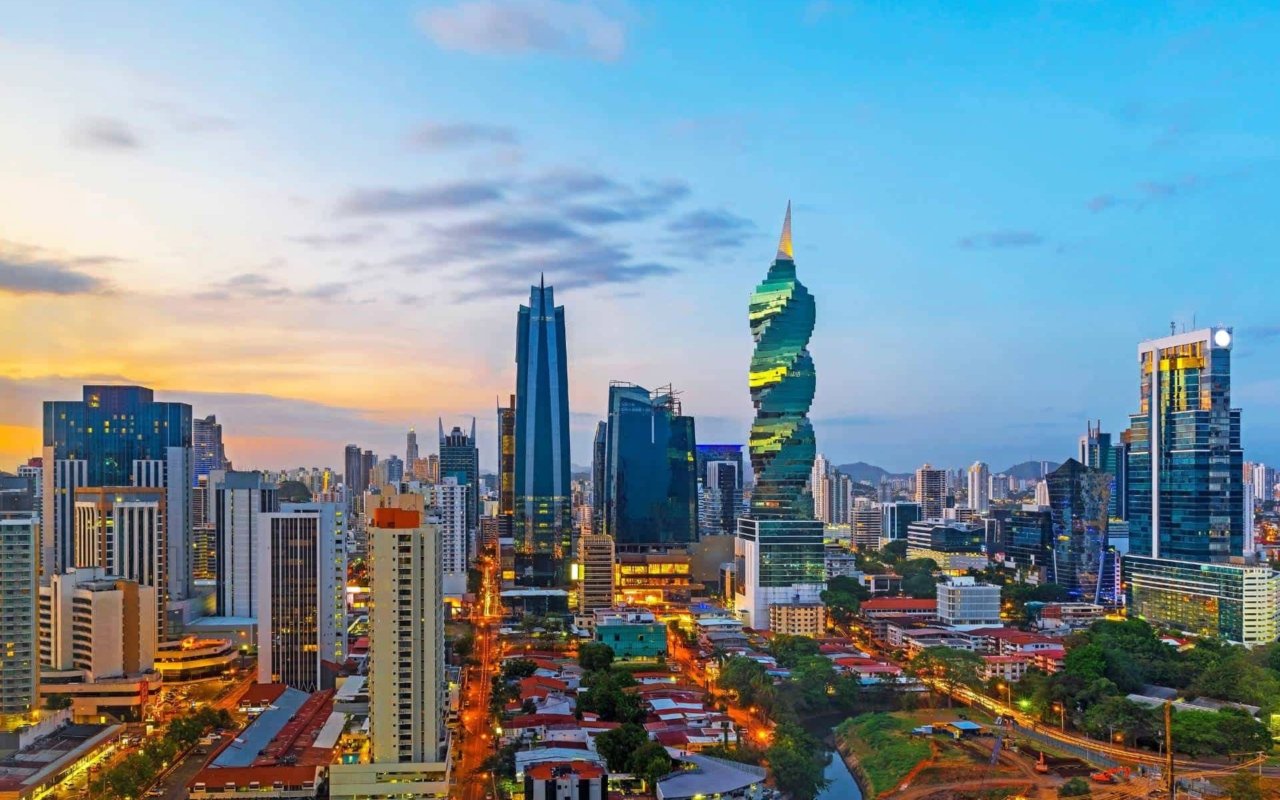
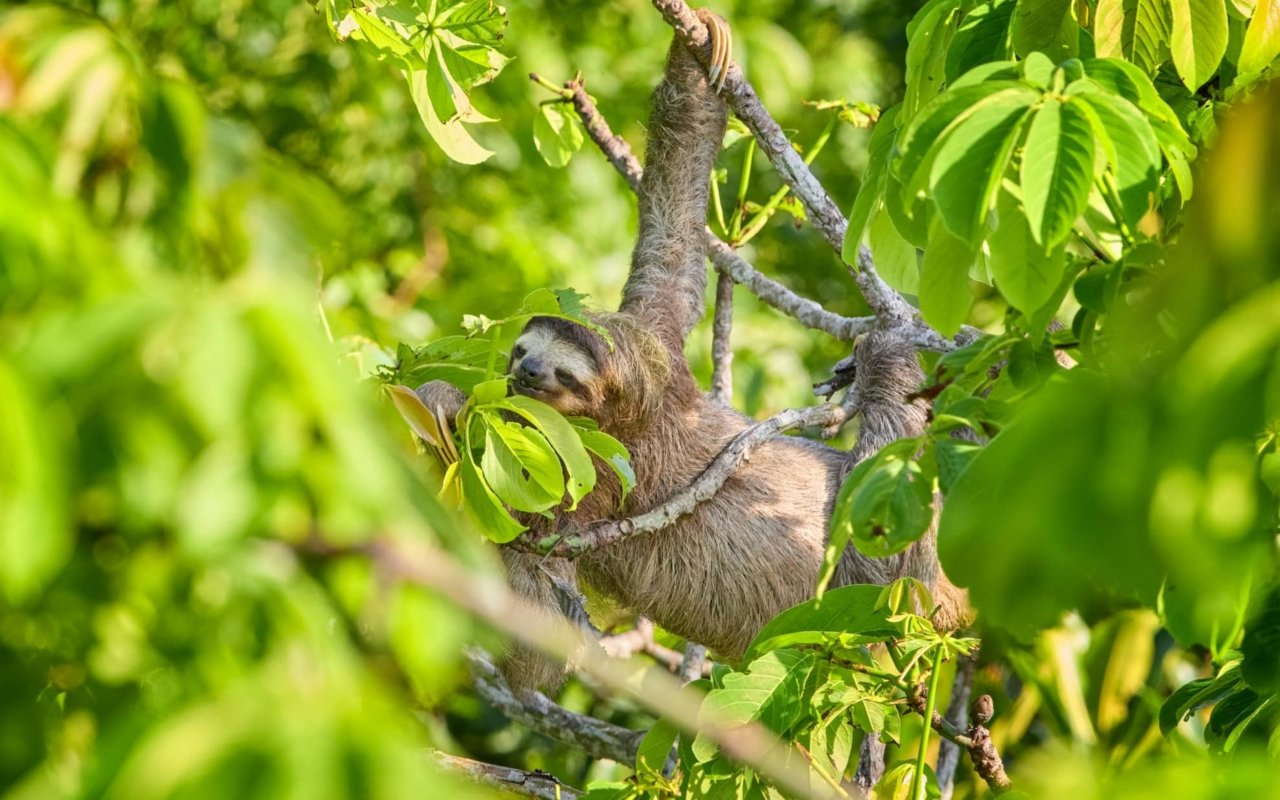
Panama in 2 weeksfrom Atlantic to Pacific
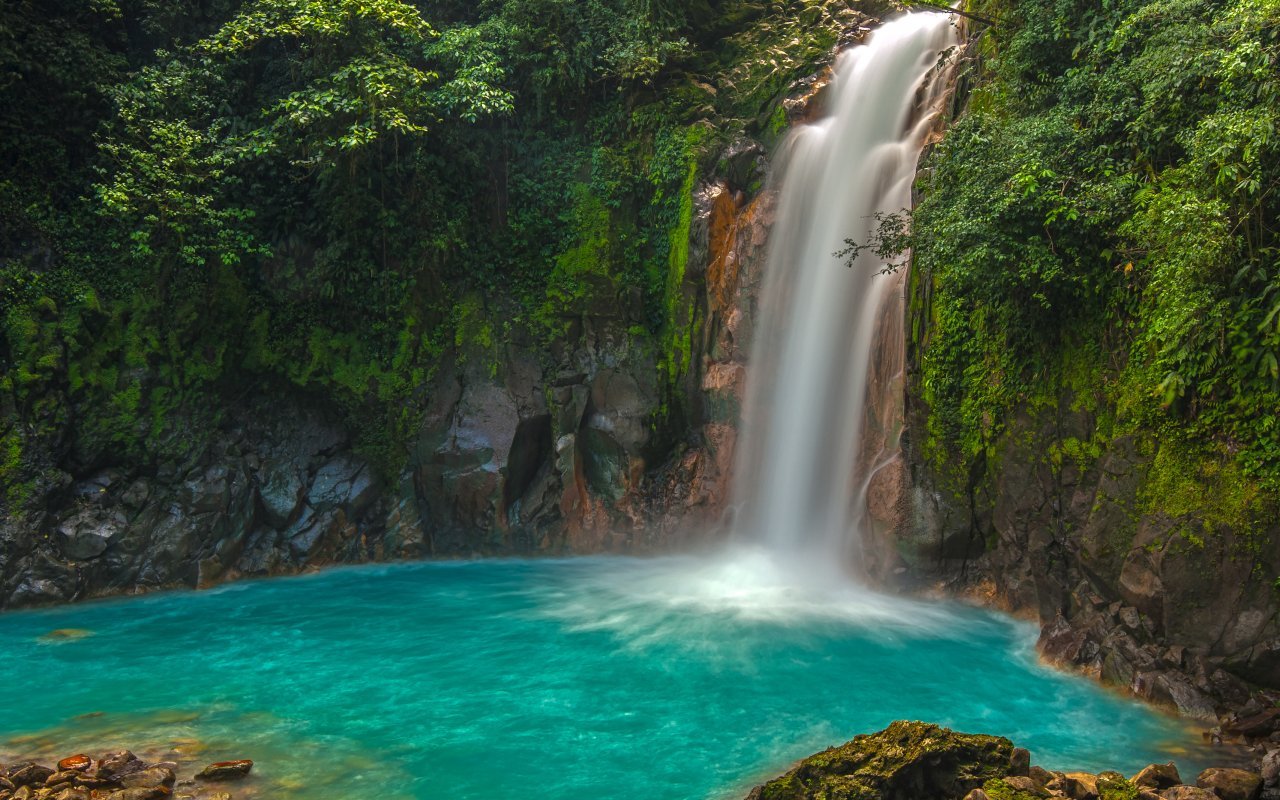
Treasures of Panama Must-See Tour
Who are these tours designed for?
These itineraries are designed for first-time visitors who wish to discover Panama in all its diversity, without specializing in one type of activity. They are suitable for couples, families with children aged 8-10 and over, groups of friends, or individual travelers joining small groups. The pace is designed to alternate discovery and rest, with generally one main activity per day and free afternoons. This formula allows you to explore the country without excessive fatigue, while leaving room for the unexpected and the whim of the moment
Panama must-see itinerary
Panama lends itself to an arched itinerary, linking its tropical extremities to its historic heart. You’ll often enter Panama City, nestled between skyscrapers and colonial ruins, where Casco Viejo juxtaposes peeling facades and silent patios
Panama’s must-see regions
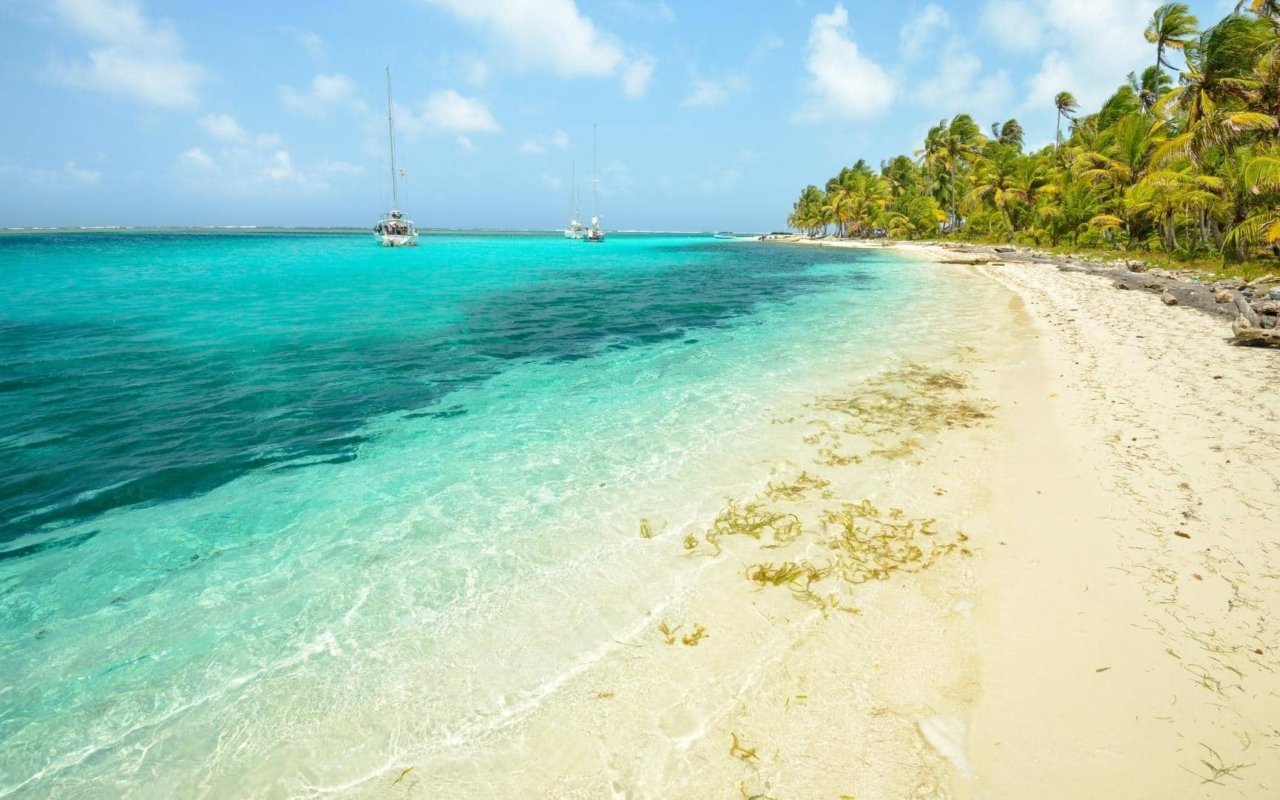
From here, head west to the Azuero peninsula, a bastion of rural traditions, where villages like Las Tablas still live to the rhythm of patron saint festivals. Further afield, the Chiriquí highlands reveal a completely different geography: mists over the coffee plantations of Boquete, silent trails of the Barú volcano. At the other end of the spectrum, the San Blas archipelago on the Caribbean coast remains the autonomous territory of the Guna, where each islet tells the story of fierce autonomy and unwritten knowledge. The best time to travel is between January and April, during the dry season: the sea is calm and the trails more accessible. A coherent two-week itinerary could link Panama City, the Antón Valley, Azuero, Boquete, then a coral-shattered finish in San Blas.The major sites on a tour of PanamaSeveral places are systematically mentioned on must-see tours:the Panama Canal remains the logical starting point. A partial crossing by boat allows you to understand how the locks work, while interpretation centers retrace the history of this maritime route. Panama City, with its UNESCO-listed historic center (Casco Viejo) and modern skyscrapers, illustrates the country’s contrasts, whilethe tropical forests are easily accessible from the capital. The Soberanía National Park, crossed by the pipeline road, boasts one of the highest bird densities in the world. The Metropolitan Park offers a first glimpse of the jungle in just a few hours. For a more complete immersion, forest lodges in the Gamboa region offer night-time observations and encounters with local wildlife.The Bocas del Toro archipelago, on the Caribbean coast, combines beaches, mangroves and villages on stilts. The islands can be explored by water cab, with opportunities for snorkeling in the coral reefs, swimming in the translucent waters and discovering the Afro-Caribbean culture that characterizes the region.The highlands of Boquete provide a welcome climatic contrast. This mountainous region produces some of the best coffee in the world, offers hikes in the cloud forest, and allows observation of the resplendent quetzal. The Barú volcano, the country’s highest point, can be climbed by the most motivated.The San Blas islands represent one of the major cultural experiences. This archipelago is managed autonomously by the Guna people, who control access and tourism development. The islands offer white-sand beaches, crystal-clear waters, and an insight into Guna culture through textile crafts and encounters with the communities.How to organize these stages?A must-see tour of Panama generally follows this geographical logic
- Arrival in Panama City: 2-3 days for the canal, Casco Viejo and the first rainforests
- Bocas del Toro: 3-4 days for the Caribbean islands and nautical activities
- Boquete or Anton Valley: 2-3 days at altitude for a mountain climate
- San Blas: 2-3 days of cultural immersion and idleness
- Panama City return: last night before international flight
This structure can be adapted according to interests: some prefer to extend the beach section, others prefer the forests or add an extension to the Pacific coast (Azuero Peninsula, Pearl Archipelago).Classic activities includedThe must-do tours incorporate a balance between active discovery and moments of relaxation
- Partial crossing of the Panama Canal by boat
- Guided rainforest walks with wildlife observation
- Snorkeling in coral reefs
- Visit to a coffee plantation with coffee tasting
- Meeting with an indigenous community (Emberá or Guna)
- Discover the historic center of Panama City
- Sailing between the islands in a traditional boat
- Free time to enjoy the beaches and accommodations
The level of effort remains moderate, with short hikes (1 to 3 hours maximum) and water activities accessible to all. The emphasis is on variety of experience rather than physical intensity.
Let's talk about your
trip to Panamaproject
Why travel with us?
Local expertise

Custom design
Tracking and safety
Authentic experiences
Without intermediaries
Responsible tourism