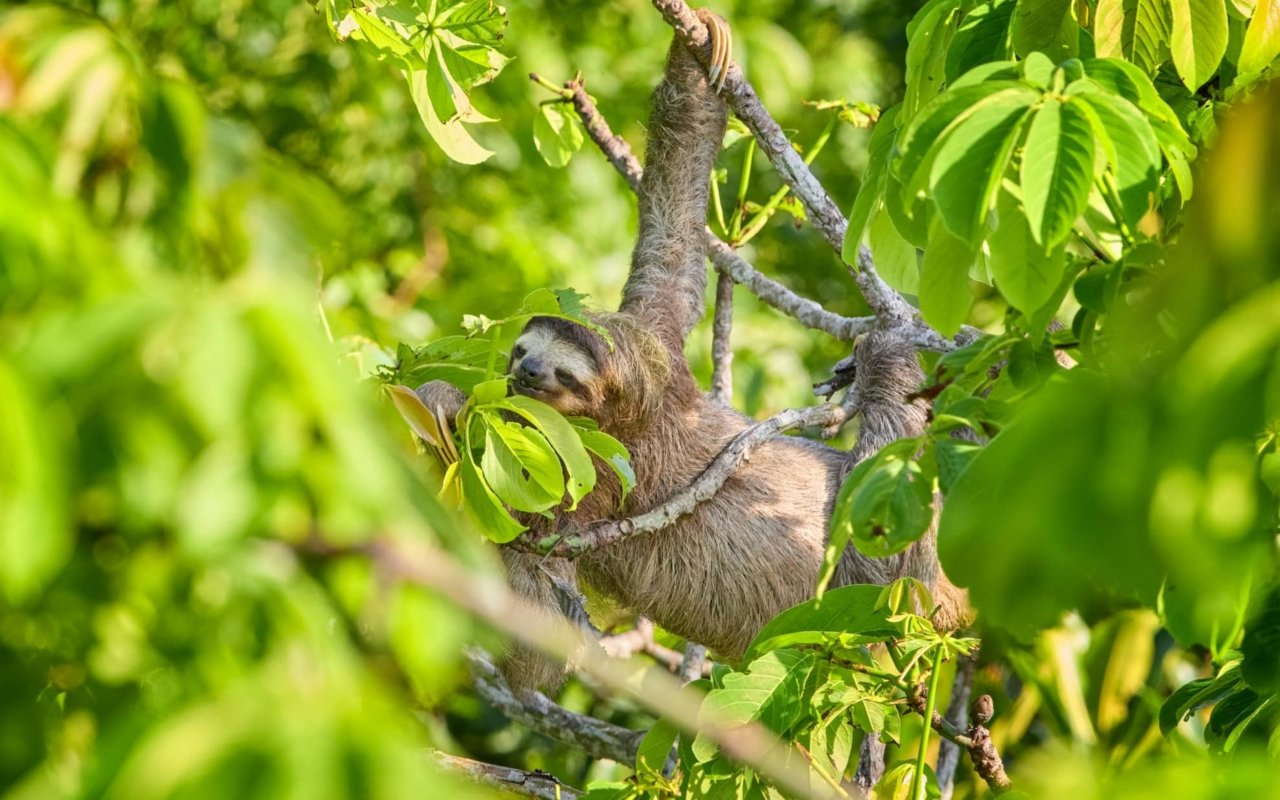
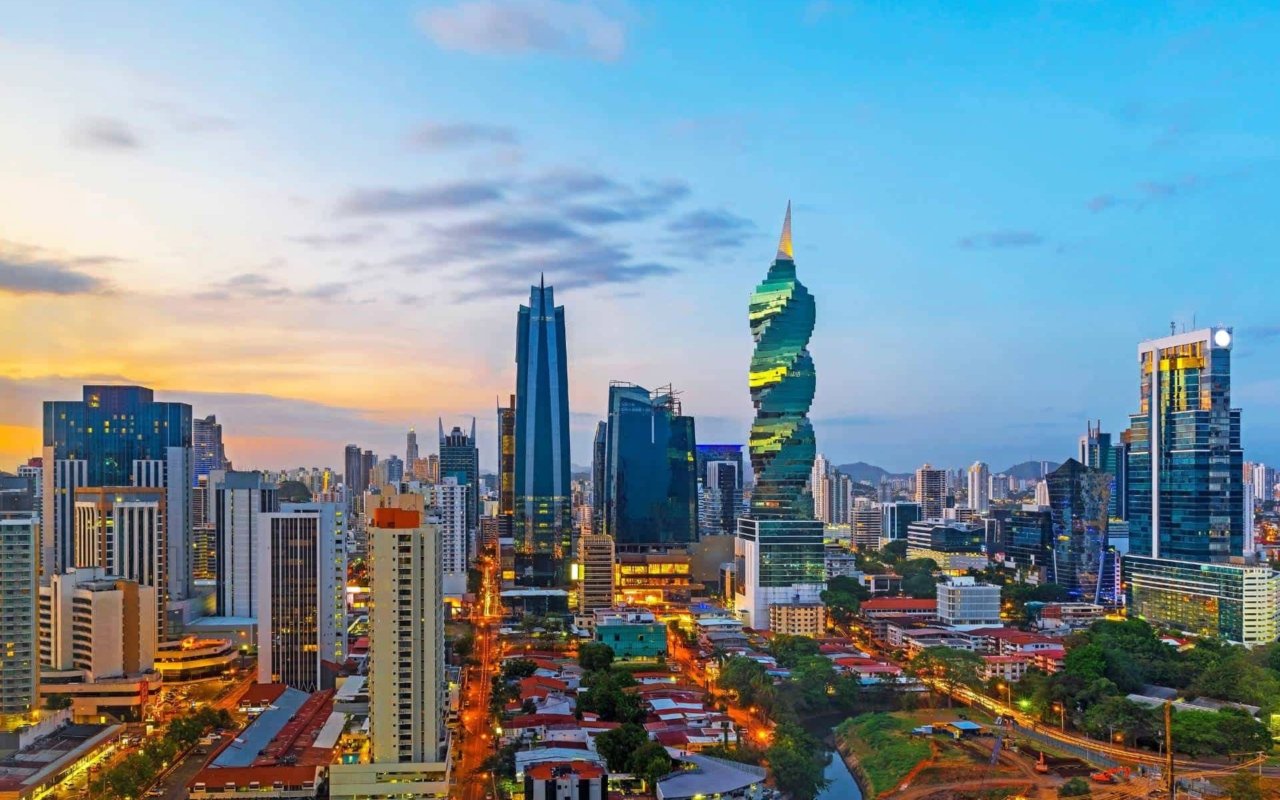
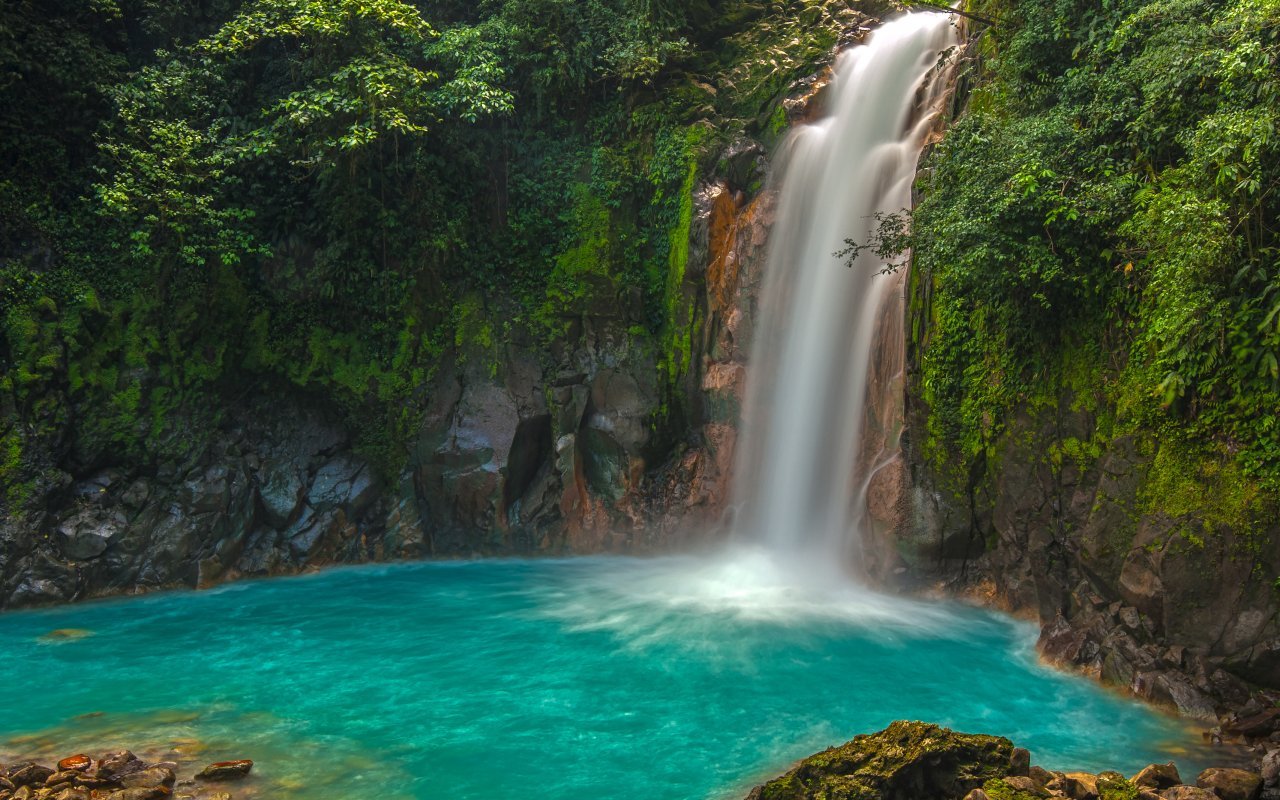
With 1008 species of birds recorded in a territory barely larger than Scotland, Panama is one of the richest birding destinations on the planet. This small Central American country is home to more bird species than the United States and Canada combined, an exceptional concentration that can be explained by its unique geographical position: a land bridge between two continents and two oceans, Panama concentrates a mosaic of habitats where migratory North American species and permanent tropical residents cohabit.
Key figures for ornithology in Panama
- Total number of species: 1008 recorded bird species
- Endemic species: 15 species strictly endemic to Panama
- Protected area: 22% of the national territory (approx. 16,500 km²)
- World record: 357 species observed in 24 hours on Pipeline Road (December 1996)
- Bird density: 1.34 species per 100 km² (compared with 0.09 for the United States)
- National bird: Harpy (Harpia harpyja)
- Optimum period: Year-round (peak migration September-October and March-April)
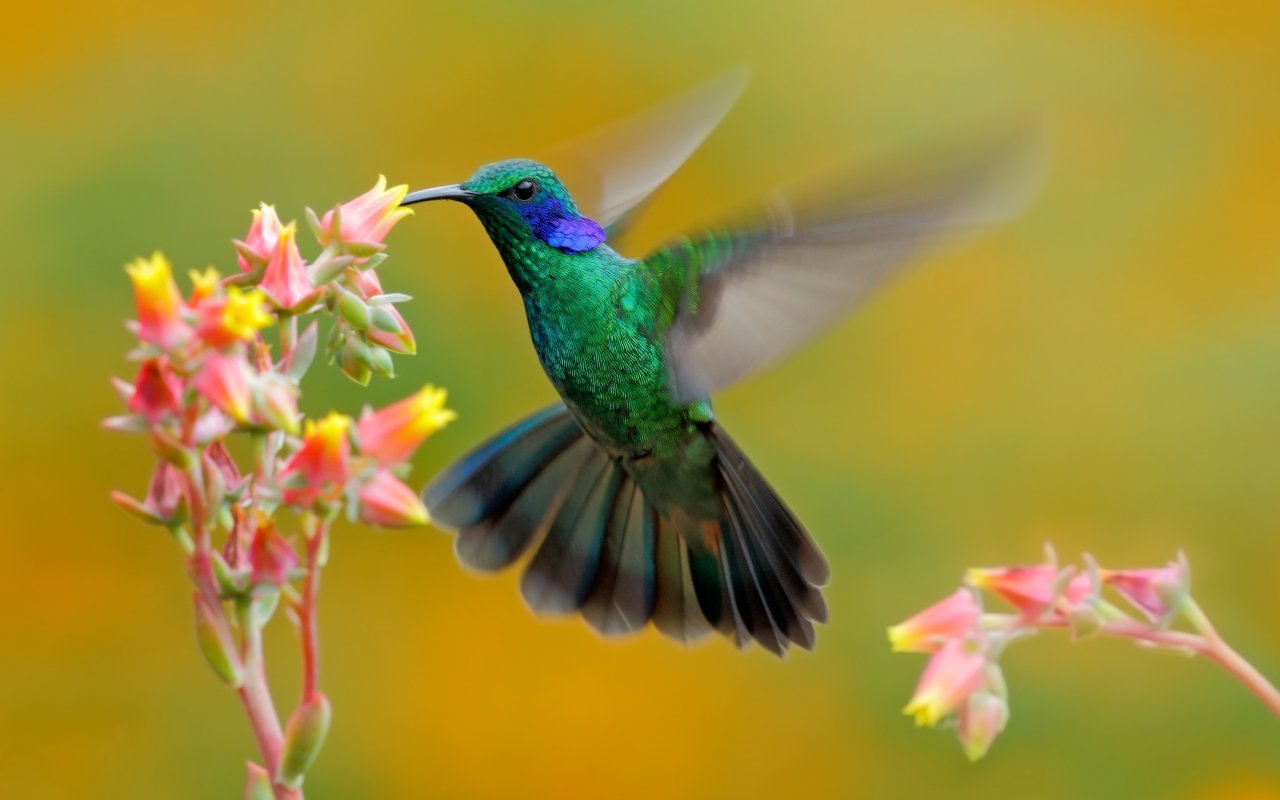
This extraordinary ornithological diversity is a direct result of the variety of Panamanian ecosystems: lowland rainforests, dry Pacific forests, high-altitude cloud forests peaking at over 3,000 meters, coastal mangroves, wetlands, coral reefs and mountain meadows. Each habitat generates its own specific range of Panamanian birds, from the tiny hummingbird weighing less than 3 grams to the impressive ferocious harpy, one of the world’s most powerful birds of prey. Whether you’re a seasoned birder equipped with professional spotting scopes or a simple nature lover with basic binoculars, Panama offers memorable birdwatching accessible to all levels.
Panama’s birdwatching strengths: exceptional species density, well-developed tourist infrastructure, world-class sites close to the capital, accessible rare species, simplified logistics.
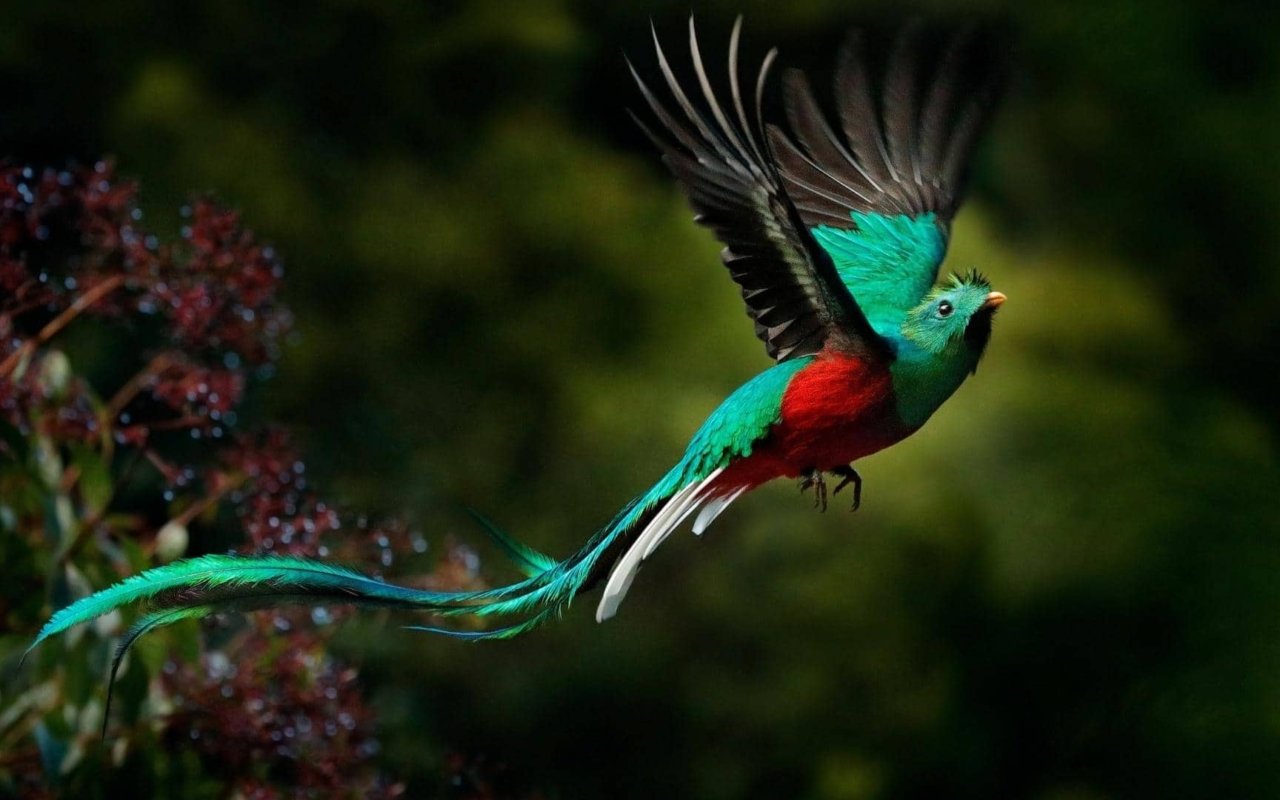
Western Panama: Chiriquí and the high plateaus, kingdom of the resplendent quetzal
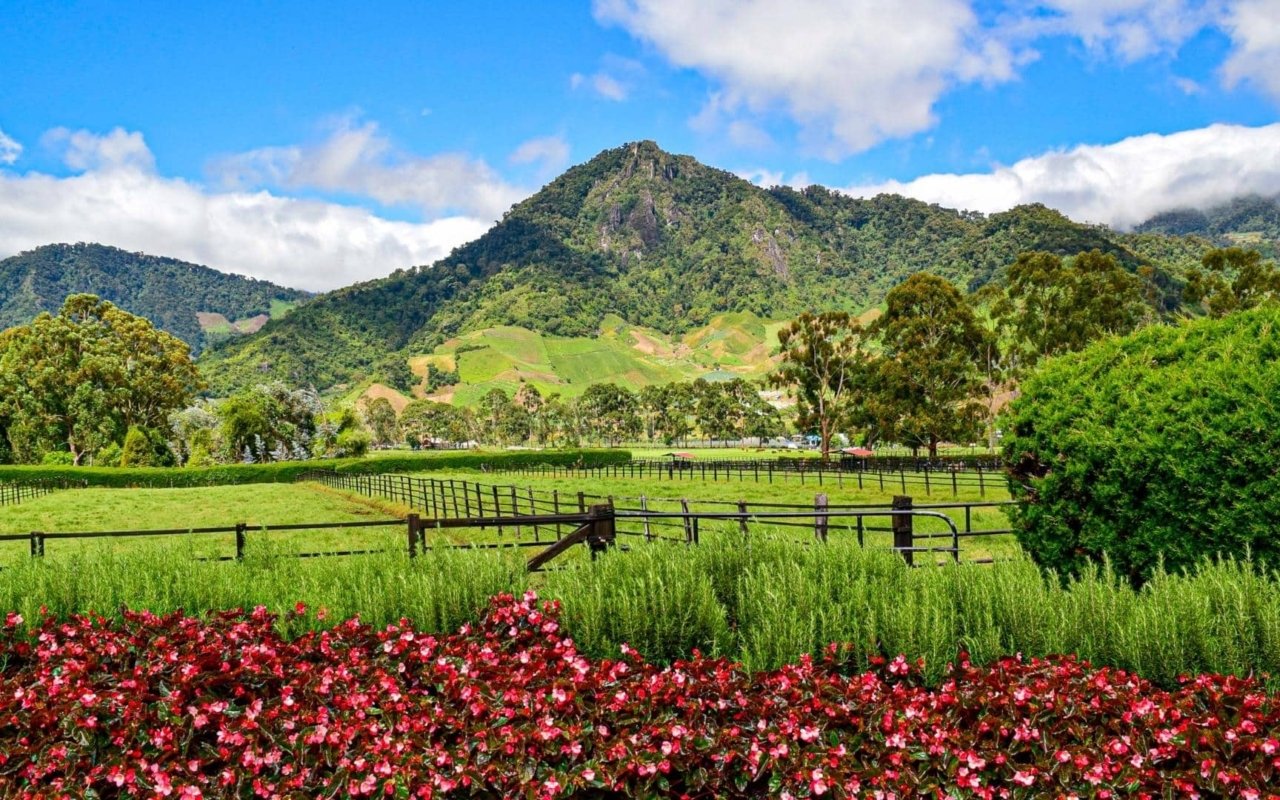
The province of Chiriquí, in Panama’s mountainous west, is the ideal starting point for observing the high-altitude and temperate species for which the country is renowned ornithologically. This region of volcanic highlands, where the cool climate contrasts pleasantly with the tropical heat of the coast, is home to some of Central America’s most spectacular and sought-after birds.
Boquete and Volcán Barú National Park: quetzal sanctuary
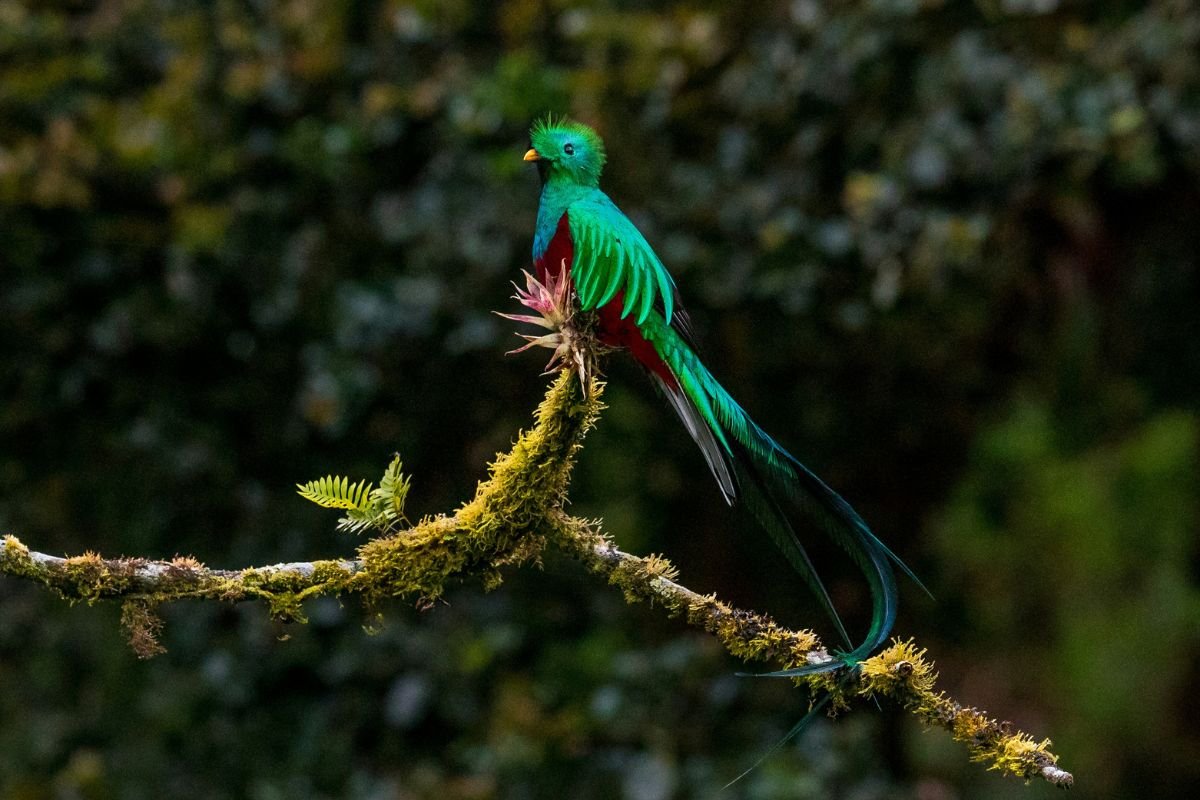
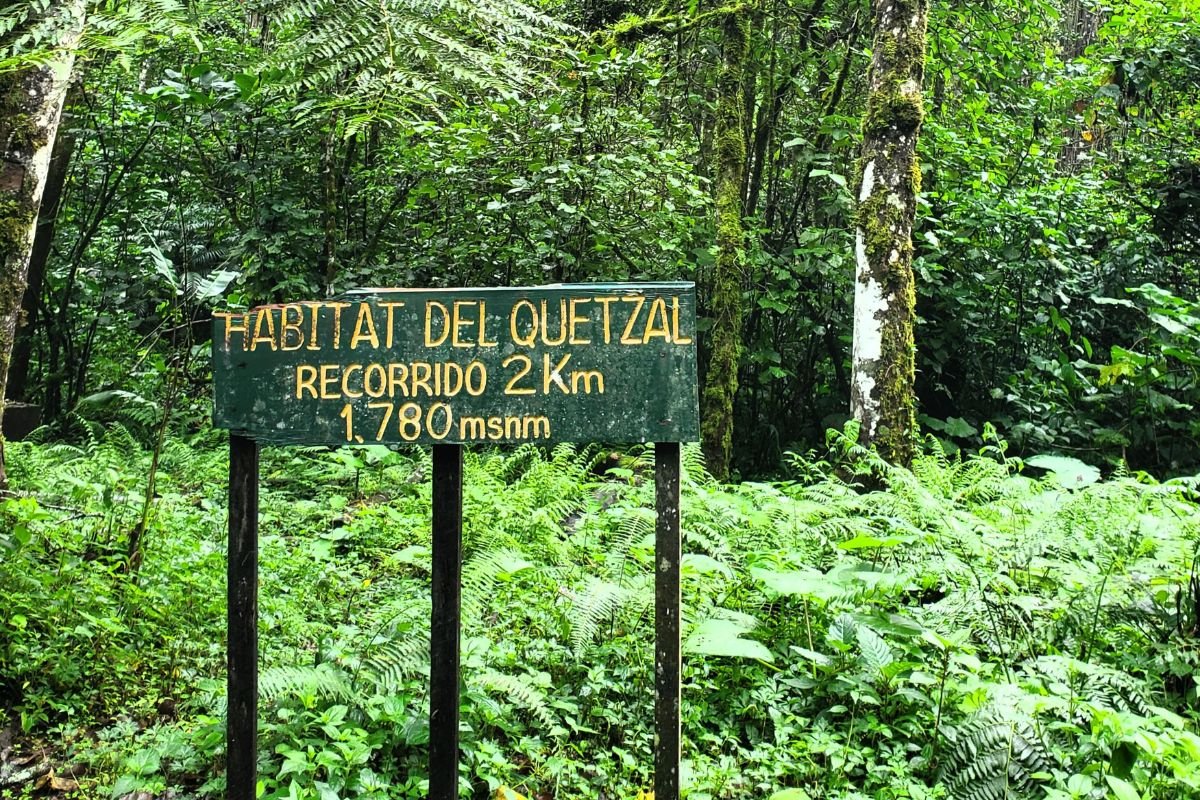
The village of Boquete, nestled at an altitude of 1,200 metres on the fertile slopes of Volcán Barú, serves as an ideal base camp for exploring the surrounding cloud forests. These misty forests, perpetually shrouded in layers of fog, create perfect conditions for the resplendent quetzal (Pharomachrus mocinno), the mythical bird with iridescent emerald-green feathers and a long floating tail that fascinated pre-Columbian civilizations. Between January and June, during the breeding season, the males parade spectacularly to seduce the females, offering unforgettable scenes to patient observers.
Volcán Barú National Park, which protects Panama’s highest peak (3475 m), offers a remarkable altitudinal gradient: in a single day’s hike, you’ll go from mid-mountain species to the strictly alpine birds that frequent the páramo areas near the summit.
Trails such as the Pipeline Trail or Bajo Mono allow you to observe the blue-headed motmot (Momotus coeruliceps) with its distinctive snowshoe-shaped tail, the ochre flycatcher (Contopus ochraceus), and with luck, the discreet silver-throated jay (Cyanolyca argentigula), a species endemic to the mountains of Central America.
It is also possible to observe (among others)
- the Resplendent Quetzal (Pharomachrus mocinno)
- blue-headed Motmot (Momotus coeruliceps)
- ochre Flycatcher (Contopus ochraceus)
- silver-throated Jay (Cyanolyca argentigula)
- frantzius’s Araçari (Pteroglossus frantzii)..
Emblematic species of Chiriquí and Volcán Barú
| Species | Scientific name | Status | Best period | Difficulty of observation |
|---|---|---|---|---|
| Resplendent Quetzal | Pharomachrus mocinno | Near threatened | January-June | Moderate |
| Blue-headed Motmot | Momotus coeruliceps | Regional endemic | Year-round | Easy |
| Silver-throated Jay | Cyanolyca argentigu la | Regional endemic | Year-round | Difficult |
| Ochre Flycatcher | Contopus ochraceus | Speciality altitude | March-August | Moderate |
| Volcano Hummingbird | Selasphorus flammula | Regional endemic | Year-round | Easy |
| Black-throated Thrush | Catharus gracilirostris | Regional endemic | Year-round | Moderate |
La Amistad International Park: UNESCO transboundary biodiversity
Straddling Panama and Costa Rica, La Amistad International Park forms the largest biosphere reserve in Central America, with over 400,000 hectares of protected forest. Listed as a UNESCO World Heritage site, this cross-border park, jointly managed by the two countries, preserves an exceptional altitudinal gradient ranging from 100 to 3800 metres in altitude, generating a remarkable ornithological diversity with over 400 species recorded.
In addition to the resplendent quetzal, the forests of La Amistad are home to theFrantzius araçari (Pteroglossus frantzii), a small, brightly-colored toucan endemic to this region, the black-headed trogon (Trogon melanocephalus), and an impressive variety of multicolored tanagers that brighten up the canopy. Experienced observers will also be on the lookout for rare species such as the long-tailed manakin and the spotted climber. Access to the park from the Panamanian side is mainly via Cerro Punta or the Ngäbe-Buglé communities who manage certain parts of the territory, offering an added cultural dimension to the birdwatching experience.
Panama City and the Canal Zone: Pipeline Road, the world’s birdwatching mecca
The center of the country, around Panama City and the canal, paradoxically concentrates some of the world’s most renowned birdwatching sites, proving that urbanization and biodiversity can coexist when natural spaces are adequately protected. The tropical rainforest bordering the Panama Canal has been miraculously preserved for over a century to protect the watershed feeding the locks, creating a bird sanctuary just minutes from the capital.
Main ornithological sites in the canal zone
| Site | Distance from Panama City | Observable species | Specialities | Level of access |
|---|---|---|---|---|
| Pipeline Road | 30 km (40 min) | 525+ species | World record diversity, great tinamou, ferocious harpy | Easy |
| Metropolitan Park | 5 km (15 min) | 250+ species | Urban birds, toucans, sloths | Very easy |
| Gamboa | 35 km (45 min) | 400+ species | Aquatic birds, tanagers, base lodges | Easy |
| Canopy Tower | 30 km (40 min) | 400+ species | Canopy observation, toucans, birds of prey | Easy |
| Camino de Cruces | 20 km (30 min) | 300+ species | Historical trail, secondary forest | Moderate |
| Plantation Road | 32 km (45 min) | 400+ species | Alternative Pipeline Road, less frequented | Easy |
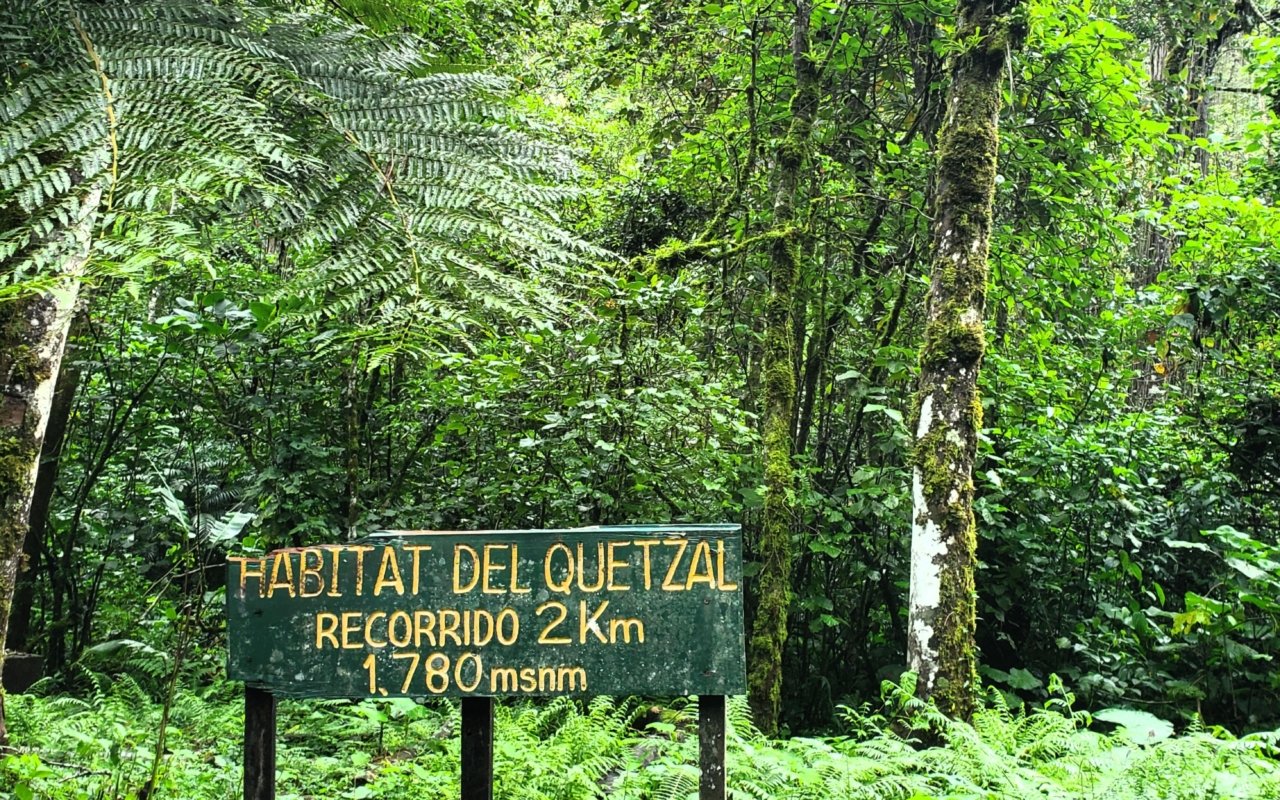
Pipeline Road: the world-record ornithological trail
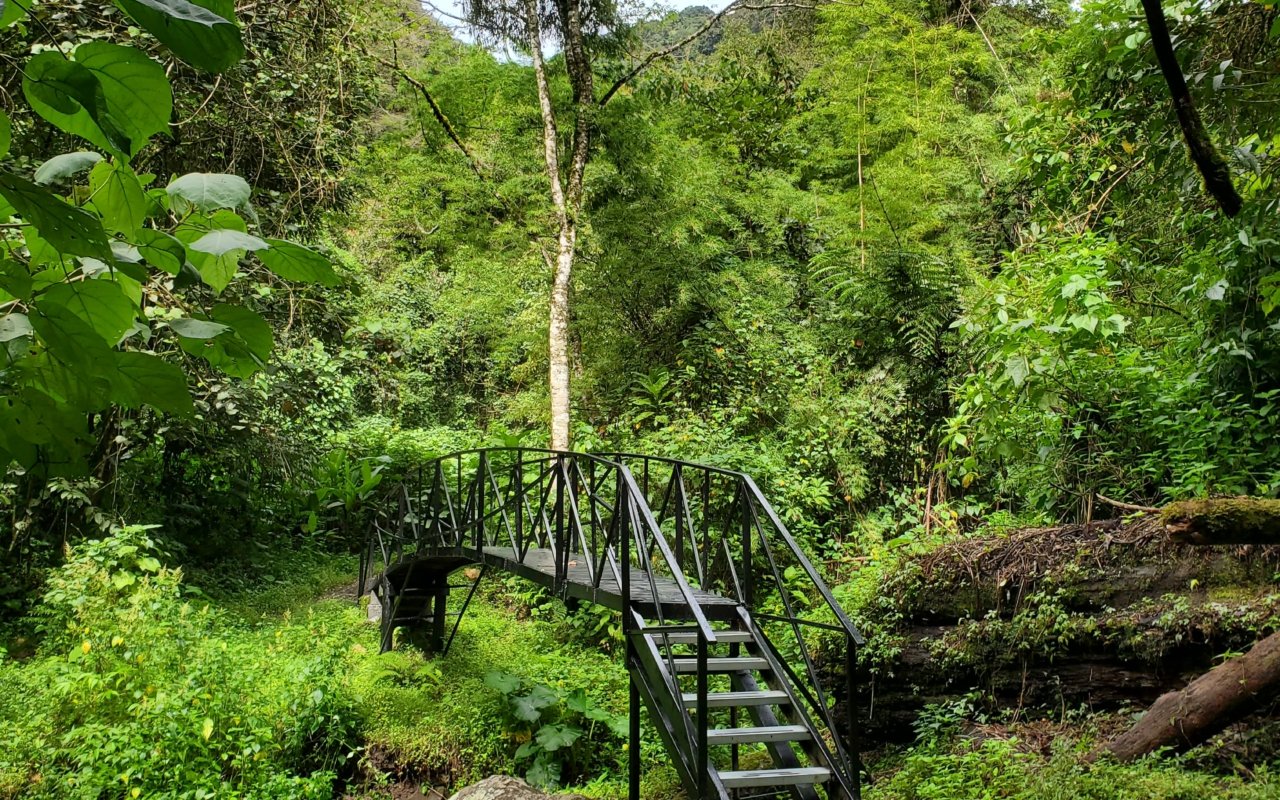
The Camino del Oleoducto (Pipeline Road) in Soberanía National Park has an almost legendary reputation among ornithologists the world over:this 17-kilometre trail through primary forest has set absolute records for bird diversity observed in a single day. In December 1996, during the annual Christmas Bird Count, ornithologists counted 357 species in 24 hours – a continental record that still stands today. In just a 3-4 hour morning on the trail, an attentive observer can easily identify 100 to 150 different species, a feat impossible in almost any other birding destination in the world.
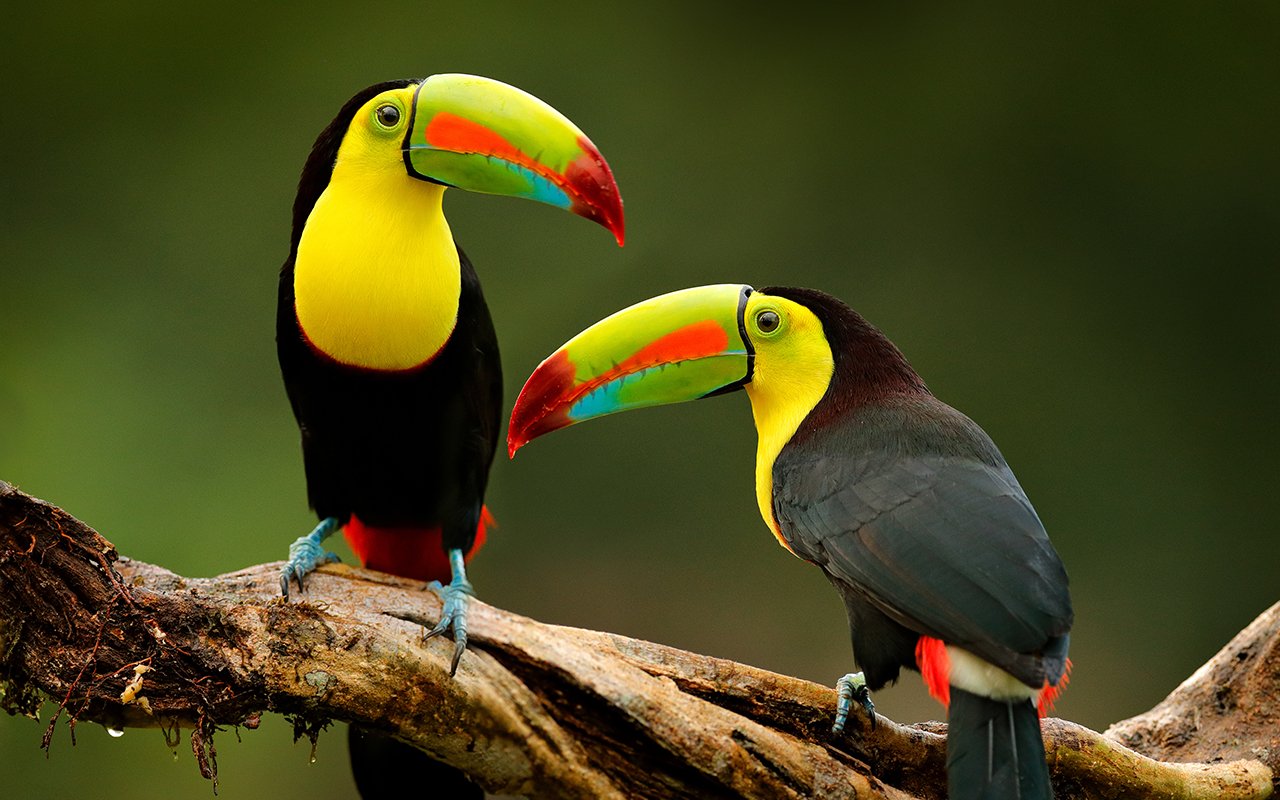
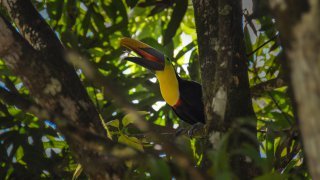
This exceptional richness is due to several factors: the mature forest that has been preserved for decades, the proximity of Lake Gatún, which attracts many aquatic birds, and the position of the isthmus, which functions as a migratory corridor between North and South America. Pipeline Road offers the chance to see the great tinamou stealthy on the ground, spectacular formations of rainbow-colored crested toucans (Ramphastos sulfuratus), the paradise tanager (Tangara chilensis) with its brilliant turquoise plumage, and with extraordinary luck, the ferocious harpy (Harpia harpyja), the giant raptor capable of hunting sloths in the canopy.
Gamboa and complementary birdwatching sites
The village of Gamboa, located at the mouth of the Río Chagres in Lake Gatún, serves as an ideal base from which to explore the various birdwatching sites in the Canal Zone. Several ecological lodges specializing in birdwatching have set up camp here, offering guided tours at sunrise – the optimum time for tropical bird activity.
Beyond Pipeline Road, Soberanía National Park offers other less-frequented but equally productive trails, such as Plantation Road and the historic Camino de Cruces. The Metropolitan Park, an extraordinary green lung in the very heart of Panama City, offers toucans, parrots and tanagers just a few minutes from downtown – a unique configuration for a capital city. The Canopy Tower, a former U.S. Army radar tower converted into an ornithological lodge, offers the rare experience of observing the canopy at eye level from its 360° panoramic platform, making it easy to spot species that are difficult to spot from the ground.
The wetlands surrounding the canal also attract a diverse aquatic avifauna: Azara plover (Charadrius collaris), marbled godwit (Limosa fedoa), cocoi heron (Ardea cocoi) – the largest heron in the Americas -, black-crowned night heron (Nycticorax nycticorax), and a wide variety of migratory waders from North America during the boreal winter.
Emblematic birds of Pipeline Road and Soberanía
| Species | Scientific name | Category | Probability of observation | Best time |
|---|---|---|---|---|
| Greater tinamou | Tinamus major | Terrestrial | Low (frequent singing) | Early morning |
| Carina Toucan | Ramphastos sulfuratus | Canopy frugivore | Very high | All day long |
| Paradise tanager | Paradise Tanager | Colorful sparrow | High | Morning |
| Fierce Harpy | Harpia harpyja | Apex raptor | Very low | Variable |
| Blue-headed Motmot | Momotus momota | Insectivore | High | Morning |
| Emerald toucanet | Aulacorhynchus prasinus | Frugivore | Moderate | Morning |
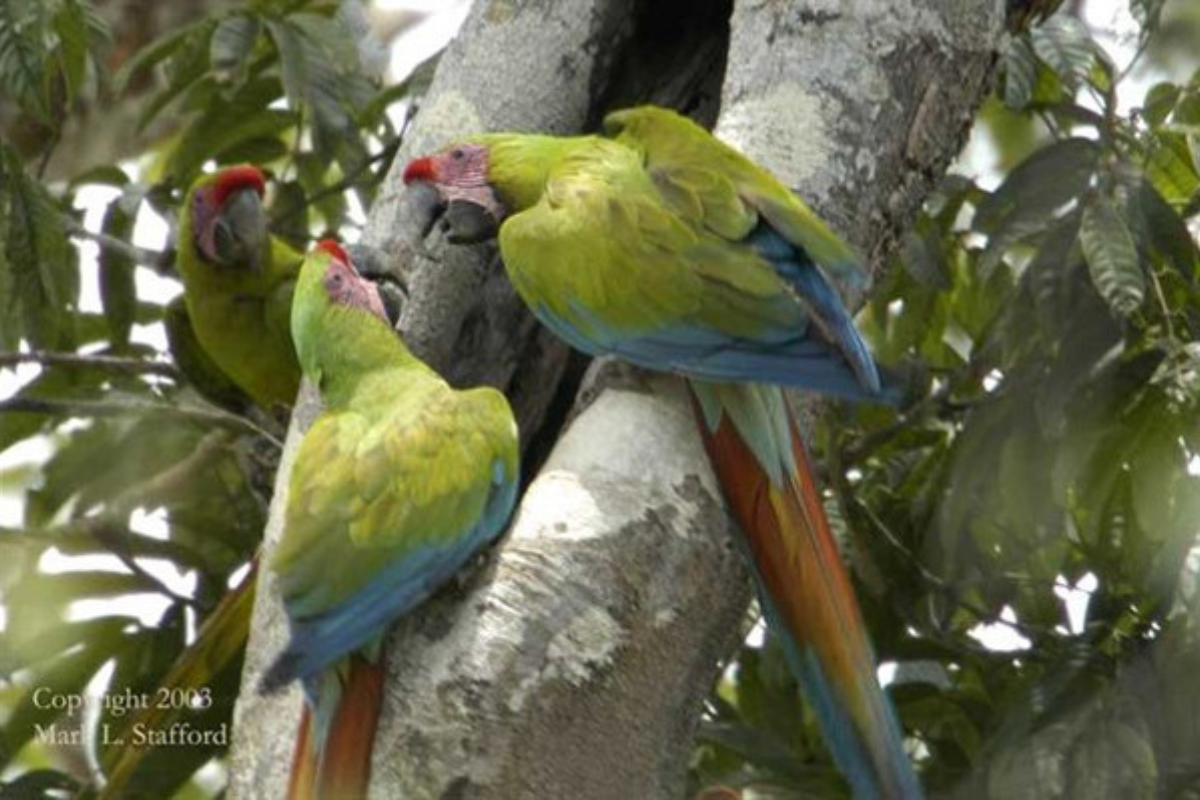
| Buffon’s Macaw | Ara ambiguus | Parrot | Moderate | Morning/late afternoon |
El Valle de Antón: volcanic crater and biodiversity
A two-hour drive from Panama City, in the province of Coclé, the village ofEl Valle de Antón occupies an extinct volcanic crater 6 kilometers in diameter, creating a unique microclimate that is home to several endemic species. This complementary destination offers the chance to observe the Panamanian rock cock (Rupicola peruvianus) during its spectacular collective parades, as well as the tiny orange-billed tohi (Arremon aurantiirostris) and the rufalbin wren (Thryothorus rufalbus). The surrounding cloud forests also offer excellent opportunities to photograph hummingbirds and tanagers in an accessible setting.
Darién Province: wild jungle and rare endemic species
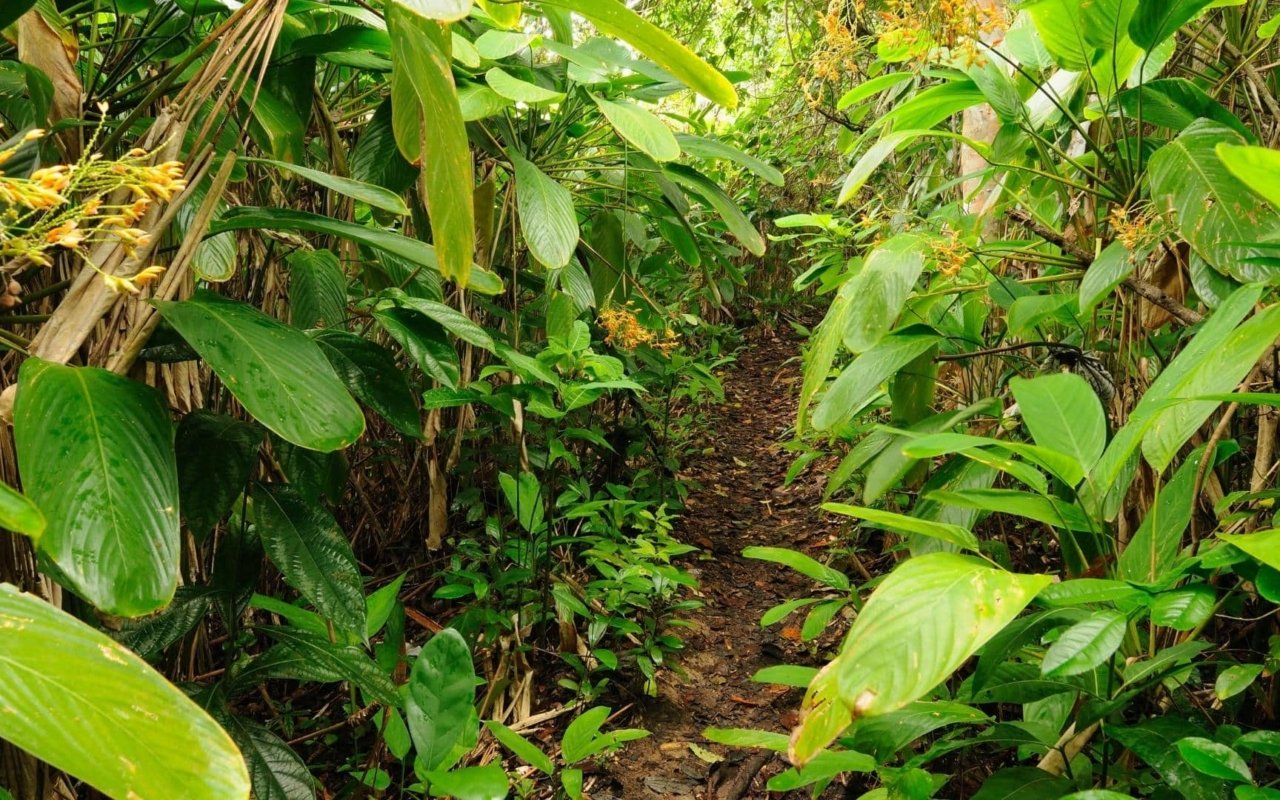
Darién National Park, in the far east of the country along the Colombian border, is the ultimate destination for adventurous birdwatchers in search of rare and endemic species. This immense area of lowland rainforest (575,000 hectares), a UNESCO World Heritage Site, remains one of the wildest and least explored regions on the American continent. Its difficult access and limited infrastructure make it a sanctuary for an exceptional avifauna, including many species impossible to observe elsewhere in Panama.
The ferocious harpy: Panama’s emblematic bird of prey
Darien is one of the last strongholds of the ferocious harpy (Harpia harpyja), the most powerful bird of prey in the Americas and Panama’s national bird. With a wingspan of 2 meters and talons comparable to those of a grizzly bear, this impressive eagle hunts monkeys and sloths in the canopy of the primary forest. The Cana biological station, accessible only by small plane, offers the best chances of observing this legendary predator, particularly around the active nests regularly monitored by local biologists.
Characteristics of the ferocious harpy
- Zoological name: Harpia harpyja
- Conservation status: Near-threatened (IUCN)
- Wingspan: 176-224 cm
- Weight: Females 6-9 kg, Males 4-5 kg (significant sexual dimorphism)
- Lifespan: 25-35 years in the wild
- Main prey: Sloths (70% of diet), monkeys, agoutis, coatis
- Population in Panama: Estimated at 200-300 breeding pairs
- Best observation site: Cana Biological Station (Darien)
- Sighting probability: 30-40% at Cana over 3-4 days
Endemic species and Darién specialties
In addition to the harpy, the Darién is home to a remarkable concentration of species with restricted distribution that attract birdwatchers from all over the world.
| Species | Scientific name | Status | Difficulty | Best site |
|---|---|---|---|---|
| Golden Quetzal | Pharomachrus auriceps | Rare resident | Difficult | Cerro Pirré |
| Golden-grey callistar | Tangara palmeri | Endemic Chocó | Difficult | Cana |
| Pirré’s tanager | Chlorospingus inornatus | Strict endemic | Very difficult | Cerro Pirré only |
| Golden-eared Toucanet | Selenidera spectabilis | Discreet resident | Moderate | Cana, Rancho Frío |
| Geoffroy’s geocuckoo | Neomorphus geoffroyi | Very rare | Extremely difficult | Cana (followed walk) |
| Ecuadorian hummingbird | Androdon aequatorialis | Northern limit of distribution | Difficult | Cana |
| Orange-bellied Organist | Euphonia xanthogaster | Colorful frugivore | Moderate | Cana |
| Superb Anabasitte | Margarornis bellulus | Mountain | Difficult | Cerro Pirré |
| Red-breasted Telemachus | Formicarius rufipectus | Dense undergrowth | Difficult | Cerro Pirré |
| Slate Myrmidon | Myrmotherula schisticolor | Rare antbird | Difficult | Cana |
Birding expeditions in the Darién require excellent physical preparation, the accompaniment of experienced local guides, and several days on site to maximize the chances of observing these demanding species. The high altitude areas of Cerro Pirré (1615 m) also offer unique montane species found nowhere else in Panama.
Bocas del Toro and the Caribbean coast: mangrove and rainforest birds
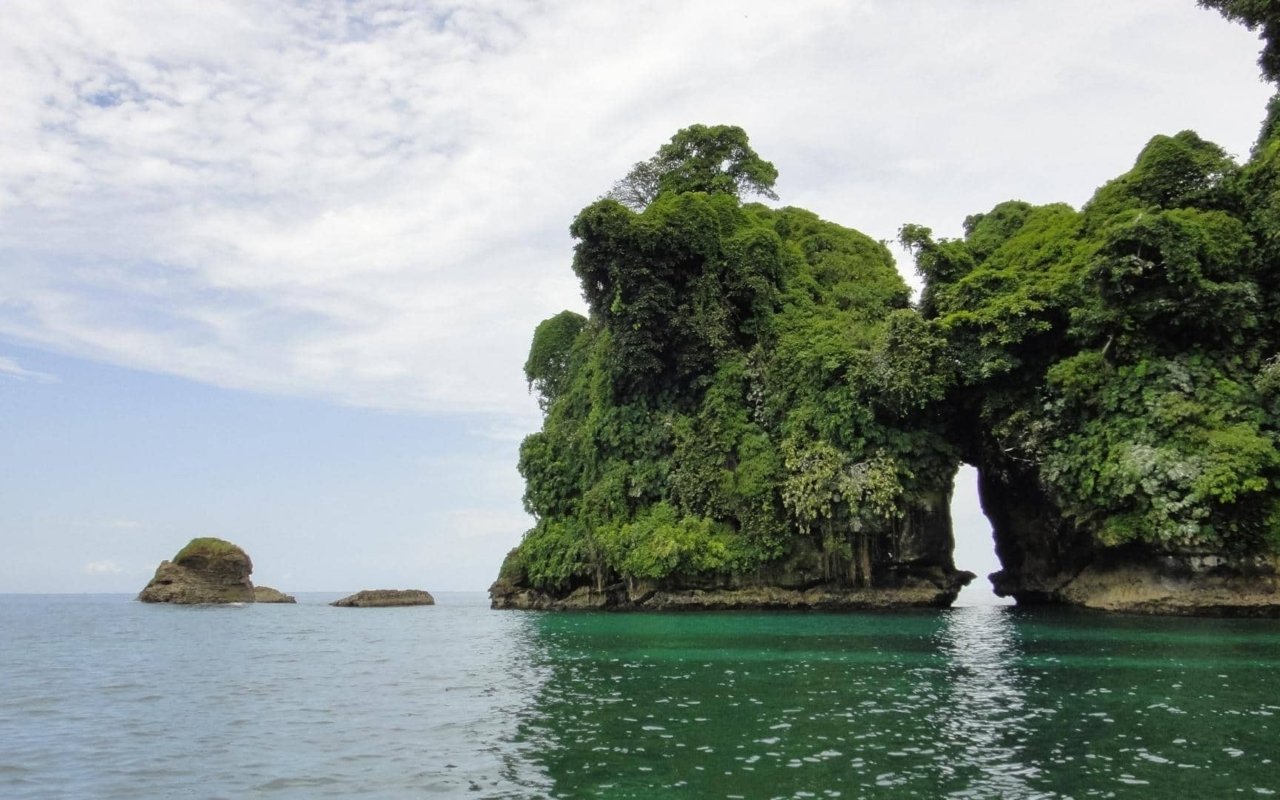
The province of Bocas del Toro, in the northwestern Caribbean archipelago, offers a distinct ornithological profile centered on mangrove ecosystems, lowland rainforests and coastal areas. This region receives some of the most abundant rainfall in the country (over 3,000 mm annually), creating lush forests that are home to typically Caribbean species.
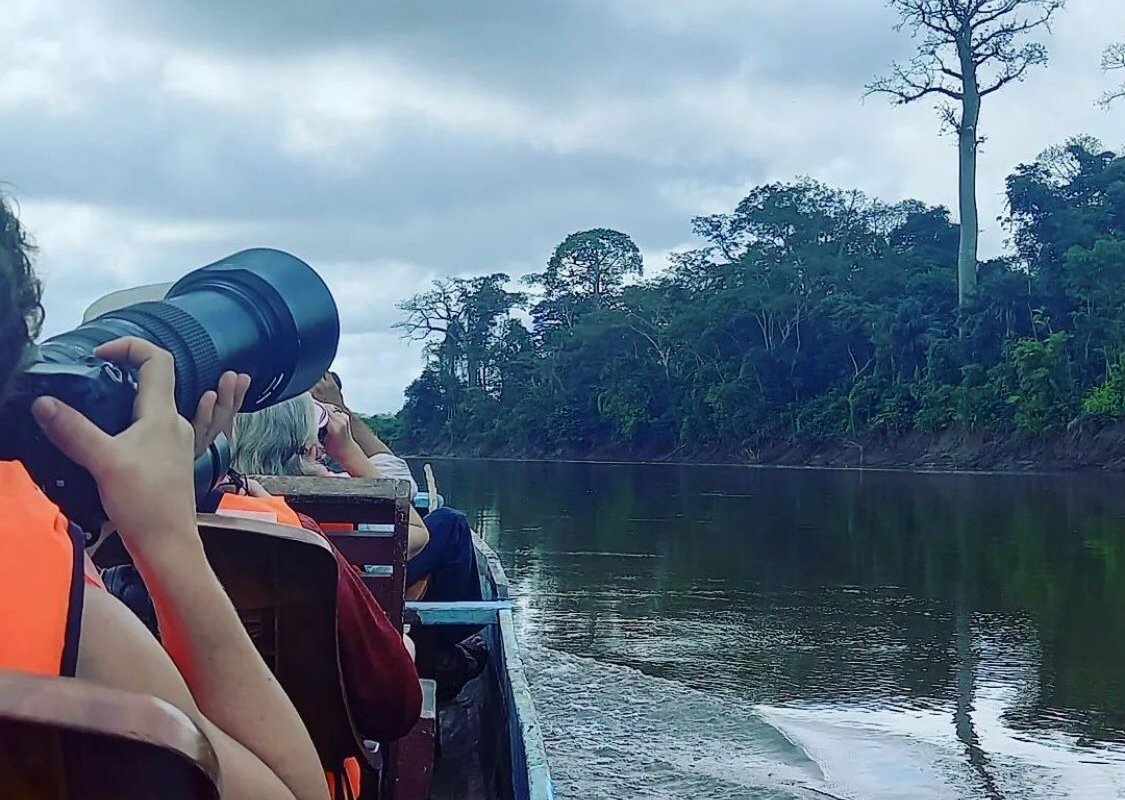
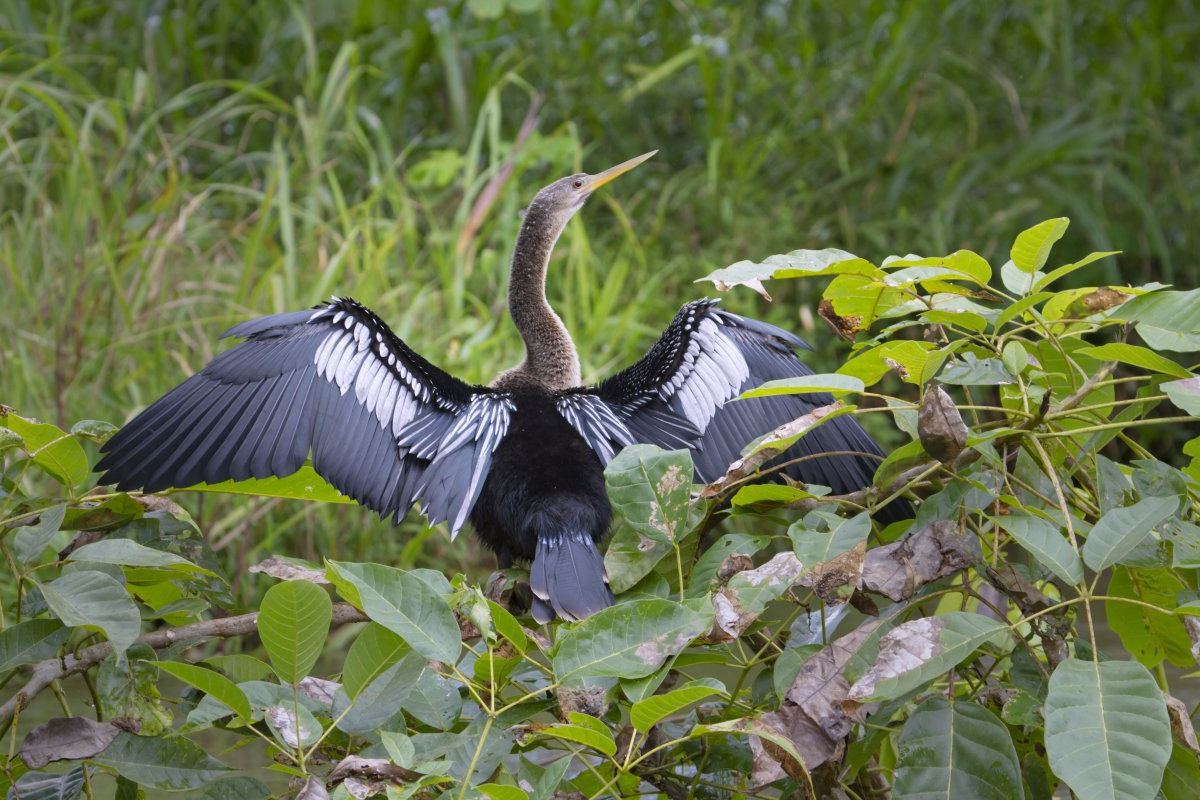
The archipelago’s mangroves are home to herons, egrets, kingfishers and the spectacular American anhinga (Anhinga anhinga), drying its outstretched wings on dead branches. The forests of Isla Bastimentos and the adjacent mainland are home to several species of parrot, the blue-browed motmot (Eumomota superciliosa), and various species of woodpecker. Kayak tours through the mangrove canals at sunrise offer excellent photographic opportunities with spectacular low-angled light.
Characteristic species of Bocas del Toro
| Species | Scientific name | Habitat | Observation | Special feature |
|---|---|---|---|---|
| American anhinga | Anhinga anhinga | Mangroves/lakes | Easy | Drying spread wings |
| Amazon aourou | Amazona farinosa | Wet forest | Moderate | Large noisy groups |
| Swainson’s toucan | Ramphastos swainsonii | Canopy | High | Caribbean version |
| Blue-browed Motmot | Eumomota superciliosa | Forest/woodland | Easy | Snowshoe tail |
| Green kingfisher | Chloroceryle americana | Mangroves | High | Small, very colorful |
| Green heron | Butorides virescens | Wetlands | High | Skilful fisher |
Practical tips for birdwatching in Panama
Best time for birdwatching in Panama
Birdwatching in Panama can be enjoyed all year round, with each season offering its own advantages:
Dry season (December-April): optimal weather conditions, excellent visibility, reproduction of many resident species, quetzals on parade, but dense foliage making certain observations difficult
Rainy season (May-November): migration of North American species (September-October), abundant fruit attracting tanagers and toucans, juveniles of resident species, lush forest, rains generally in the afternoon, leaving the mornings clear
Migratory peak (September-October and March-April): massive passages of migratory birds of prey over the isthmus (urubus, buzzards, hawks), with sometimes several thousand individuals observable in a single day from crossing points such as Cerro Ancón or Metropolitan Park
Annual bird calendar in Panama
| Period | January-March | April-June | July-September | October-December |
|---|---|---|---|---|
| Climate | Dry season | Transition/early rains | Rainy season | Rains/dry transition |
| Resident birds | Active breeding | Nesting | Juveniles visible | Dry season preparation |
| Migration | North American wintering birds | Departure north | Arrival of migrants | Arrival of overwinterers |
| Quetzal | ★★★★★ Optimal | ★★★★ Very good | ★★★ Good | ★★★ Good |
| Pipeline Road | ★★★★★ Excellent | ★★★★ Very good | ★★★★ Very good | ★★★★★ Excellent |
| Darién | ★★★★★ Optimal | ★★★★ Good | ★★ Difficult rains | ★★★ Practicable |
| Migratory birds of prey | ★★★ Present | ★★★★★ Peak departure | ★★★★★ Woodpecker arrival | ★★★ Present |
| Bocas del Toro | ★★★★ Good | ★★★ Correct | ★★ Heavy rains | ★★★ Rains |
| Advantages | Ideal conditions, visibility | Courtship | Abundant fruit, juveniles | Spectacular migrations |
| Disadvantages | Dense foliage | Early rains | Regular rains | Some rain |
Incomparable Biodiversity
Contrary to popular belief, Panama’s original rainforest is one of the largest in Central America, thanks to its privileged location, sheltered from devastating hurricanes. Fully or partially protected areas cover almost 22% of the isthmus, withrainforest dominating the Canal Zone, the northwest and much of the east. While many people rave about Costa Rica’s natural environment, Panama has more plant and animal species, and more protected areas.Panama’s rainforest is unique in that it has remained untouched over most of its territory. The absence of devastating hurricanes has ensured its conservation. This protected flora is of exceptional value to botany enthusiasts.
Top 15 most popular bird species in Panama
| Rank | Species | Scientific name | Best site | Difficulty | Optimum period |
|---|---|---|---|---|---|
| 1 | Fierce harpy | Harpia harpyja | Cana (Darien) | Difficult | January-April |
| 2 | Resplendent Quetzal | Pharomachrus mocinno | Volcán Barú | Moderate | January-June |
| 3 | Golden Quetzal | Pharomachrus auriceps | Cerro Pirré (Darién) | Very difficult | January-May |
| 4 | Geoffroy’s geocuckoo | Neomorphus geoffroyi | Cana (Darien) | Extreme | January-May |
| 5 | Pirré’s tanager | Chlorospingus inornatus | Cerro Pirré only | Very difficult | January-May |
| 6 | Greater tinamou | Tinamus major | Pipeline Road | Difficult | Year-round |
| 7 | Grey-gold callistar | Tangara palmeri | Cana (Darien) | Difficult | January-May |
| 8 | Buffon’s Macaw | Ambiguous Macaw | Pipeline Road | Moderate | Year-round |
| 9 | Panamanian rock cock | Rupicola peruviana | El Valle | Moderate | February-July |
| 10 | Golden-eared Toucanet | Selenidera spectabilis | Cana, Rancho Frío | Moderate | January-May |
| 11 | Long-tailed Manakin | Chiroxiphia linearis | La Amistad | Moderate | March-August |
| 12 | Frantzius’s Araçari | Pteroglossus frantzii | La Amistad | Moderate | Year-round |
| 13 | Pimpernel cuckoo | Neomorphus radiosulus | Darién | Extreme | January-May |
| 14 | Giant Grallaria | Grallaria gigantea | Cerro Pirré | Very difficult | January-May |
| 15 | Ecuadorian hummingbird | Androdon aequatorialis | Cana (Darien) | Difficult | January-May |
FAQ: Frequently asked questions about birdwatching in Panama
How many bird species can you see in Panama? Panama has 1008 recorded bird species, including around 940 permanent residents and around 100 regular migrants. This figure places Panama among the 15 countries with the richest birdlife in the world.
When is the best time to go birding in Panama? Panama can be visited all year round for birdwatching. The dry season (December-April) offers the best weather and breeding conditions for resident species. The migratory peaks (September-October and March-April) allow us to observe spectacular migrations of birds of prey.
How many species can you see in one day in Panama? On Pipeline Road, experienced birdwatchers regularly identify 100-150 species in a single morning. The absolute record is 357 species in 24 hours. The average observer will see 50-80 species a day at the best sites.
Do I need a guide to birdwatch in Panama? A local guide specialized in ornithology considerably increases your chances of observation (×3 to ×5 in number of species identified). They know the locations, recognize the songs, and maximize your time. Highly recommended, especially for beginners.
How much does a bird guide in Panama cost? Private guides cost 150-250 USD per day (group up to 4-6 people). Shared tours in small groups cost 30-80 USD per person. Specialized lodges usually include guides in their packages.
Can I see the ferocious harpy in Panama? Yes, Panama is one of the best countries in the world in which to observe the ferocious harpy. The Cana station in the Darién offers a 30-40% chance over 3-4 days. Pipeline Road also offers occasional but rare sightings (less than 5%).
Do you need to be in excellent physical condition to go birding in Panama? Most sites, such as Pipeline Road, the Metropolitan Park or El Valle, are accessible with an average level of fitness. Only expeditions to the Darién (Cana, Cerro Pirré) require a good level of fitness for the rainforest hikes.
What vaccinations are required for birdwatching in Panama? Recommended vaccinations: hepatitis A and B, typhoid, tetanus. Yellow fever is compulsory only if you are coming from an endemic country, but recommended for Darién. Anti-malaria treatment recommended for Darien and Bocas del Toro.
Is it possible to combine birdwatching and other activities in Panama? Absolutely. In Panama, you can combine birdwatching with a visit to the canal, immersion in indigenous communities, heavenly beaches, diving in Coiba, and exploration of the colonial heritage of Panama City and Portobelo.
Where to stay for birdwatching in Panama? Specialized lodges (Canopy Tower, Canopy Lodge, Los Quetzales) offer the best experience, with expert guides included. For those on a budget, Gamboa, Boquete and El Valle offer affordable accommodation with excellent access to birding sites.
Why choose Panama for birdwatching?
Panama combines several unique advantages that make it a top birding destination:
Unrivalled species density: 1,008 species over 75,000 km² – more than the USA (900 species) in an area 130 times smaller
Exceptional accessibility: Pipeline Road is only 30 minutes from Panama City, allowing you to observe 100+ species in the morning and have lunch in town in the afternoon
Extensive infrastructure: specialized birding lodges, professional English-speaking guides, road access to main sites, domestic flights to remote areas
Concentrated habitat diversity: observe radically different ecosystems (mountain, rainforest, mangrove, coastal zone) within a 100 km radius
Endemic and rare species: 15 strict endemics + numerous species with restricted distribution impossible to see elsewhere, attracting ornithologists completing their neotropical list
Remarkable preservation: 22% of the territory under protection, mature forests preserved for decades around the canal, strong government commitment to conservation
World bird records: Pipeline Road holds the continental record for diversity observed in 24 hours (357 species)
Unique geographical position: migratory corridor between North and South America, land bridge between two continents, simultaneous observation of species from both hemispheres
Extended season: quality observations 12 months out of 12, unlike seasonal destinations
Whether you’rebirding in Panama to complete your “life list” with hundreds of new species, photographing the most spectacular birds of the Neotropics, documenting rare species for science, or simply enjoying the beauty of tropical avifauna, Panama offers a world-class birding experience in a relatively accessible logistical setting. From colorful toucans to quetzals, harpies to tiny hummingbirds, Panama’s birds embody the full diversity of neotropical avifauna in one of the most biodiverse countries on the planet.