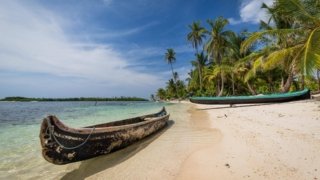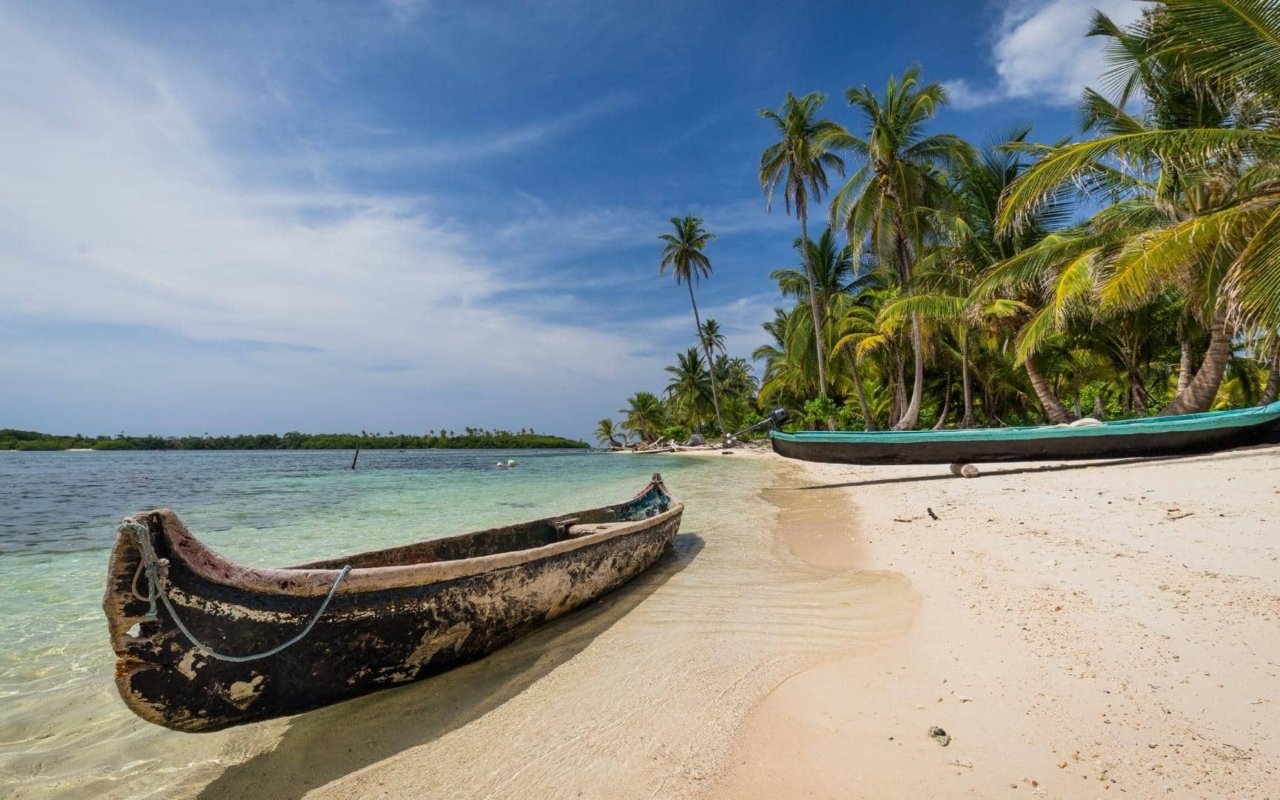
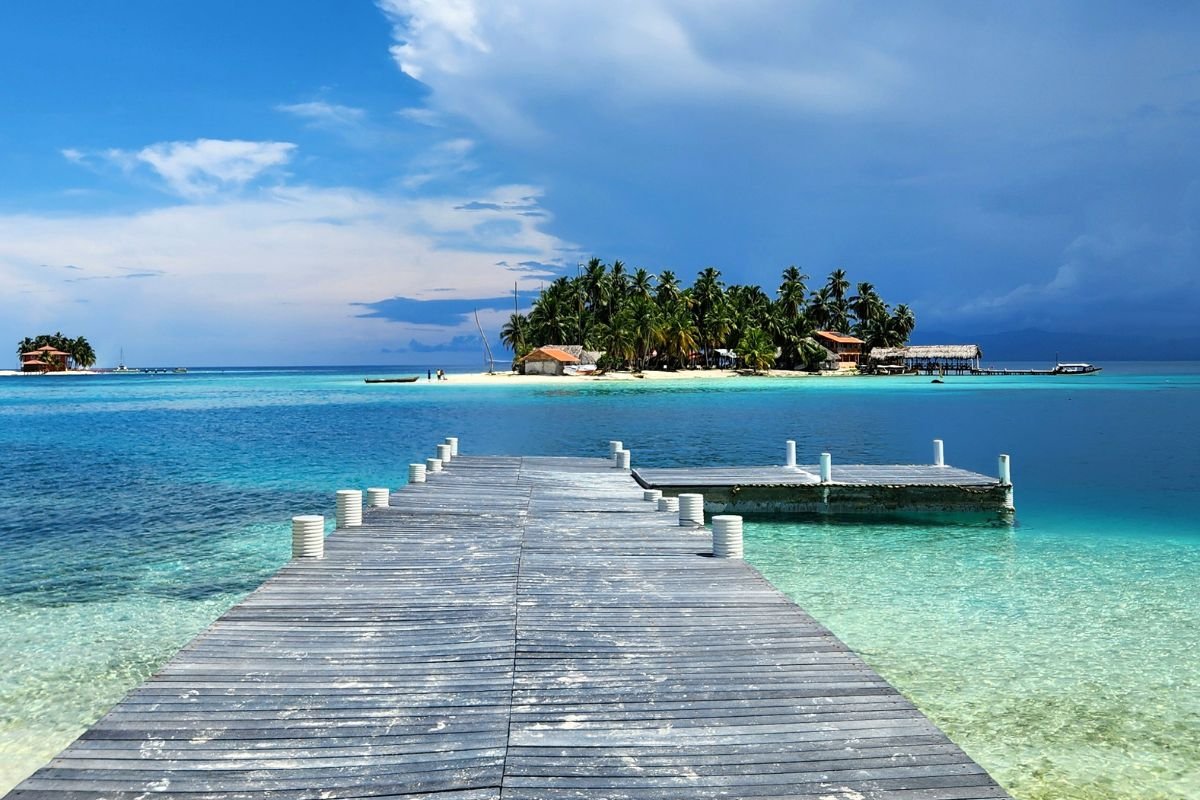
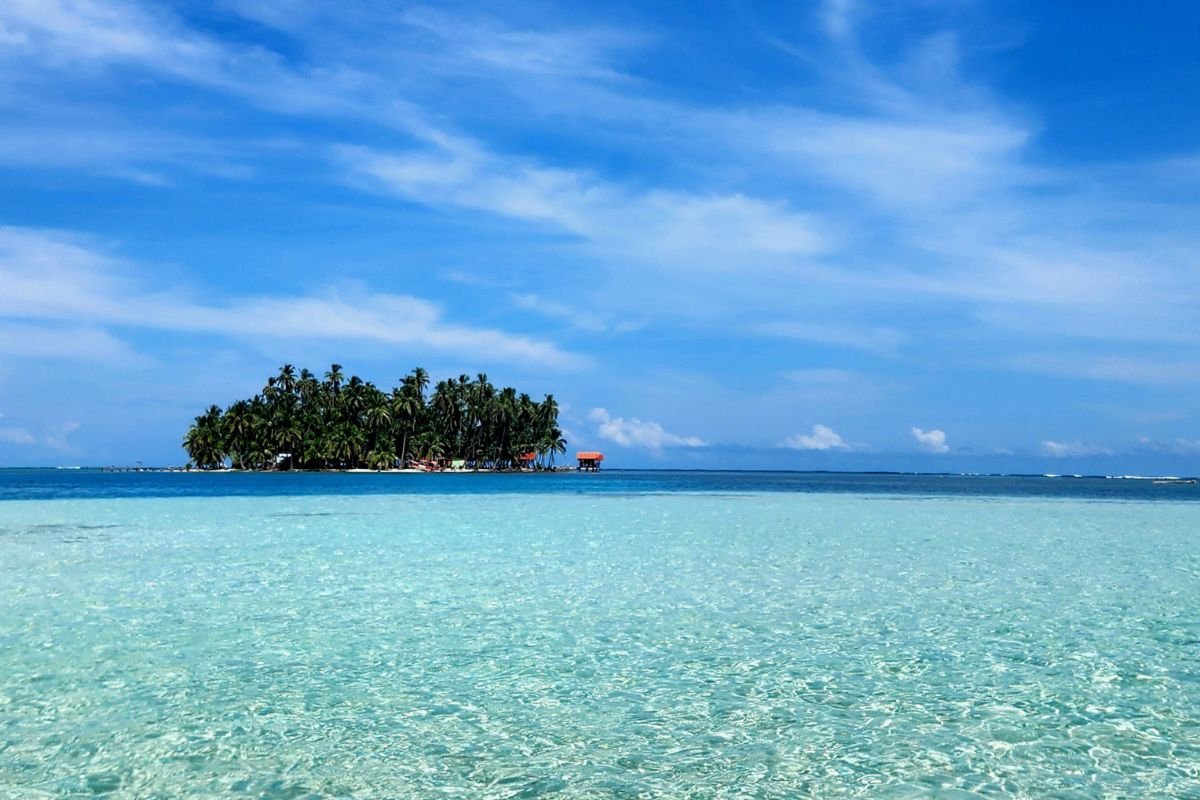
Some names conjure up turquoise waters, coconut palms and sunsets. Such is the case of San Blas, or rather Guna Yala, the real name of this archipelago in Panama.Located off the Caribbean coast of Panama, on the border with Colombia, this mythical archipelago boasts more than 365 islands and islets, one for each day of the year, it is said. A true natural jewel where the sea seems to merge with the sky.
Guna Yala, Land of the Gunas
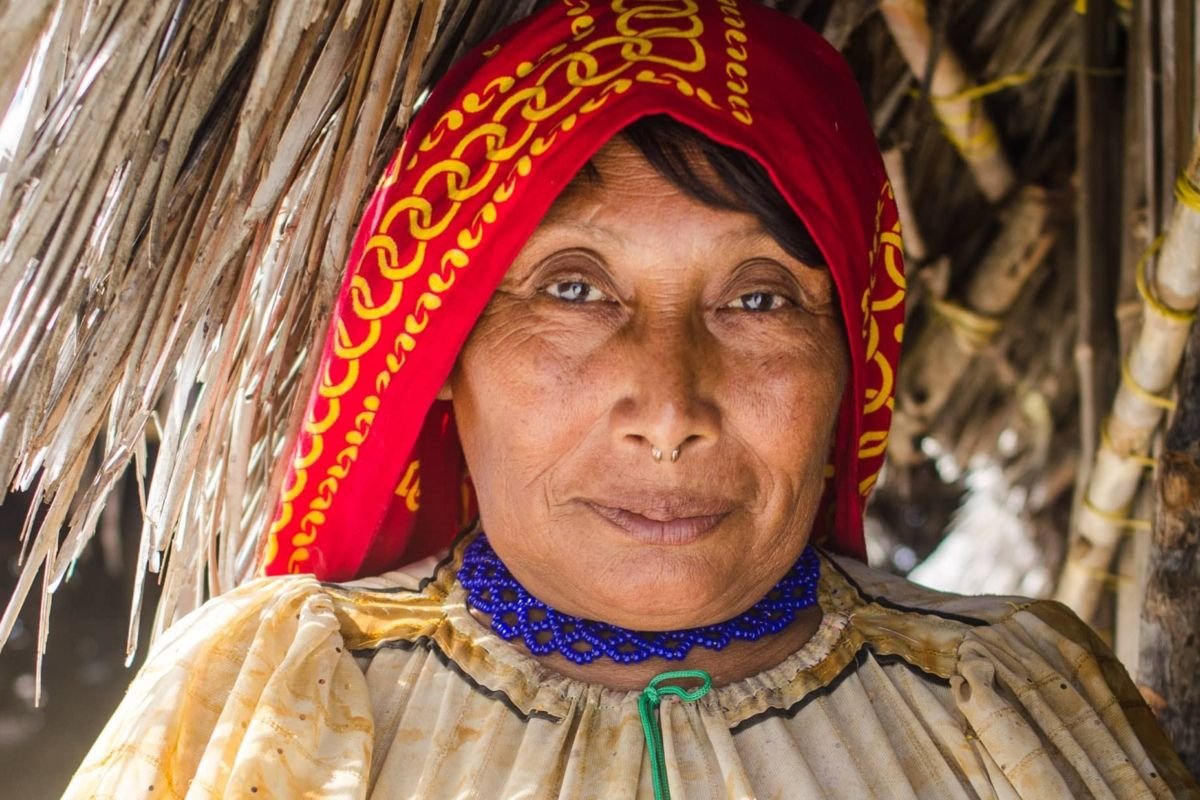
San Blas is a name inherited from Spanish colonization.The Gunas are one of the 7 indigenous peoples of Panama, independent and deeply attached to their traditions, they have preserved their language, culture and autonomy. Independent and deeply attached to their traditions, they have preserved their language, their culture and their autonomy. Their territory has been recognized as an autonomous region since 1953, which they administer according to their own rules.At the beginning of the XXᵉ century,the Gunaslived under pressure from the Panamanian government, which tried to impose its laws, education and customs on their lands. In 1925, faced with these attacks on their identity, they rose up in the “Tule Revolution”, a rebellion that had a profound impact on the country.This revolution resulted in a historic agreement: Panama recognized the Gunas’ right to manage their territory according to their own rules and traditions. This led to the creation of the Comarca Guna Yala, an autonomous region with its own customary government.Today, each island or community is led by a cacique, a traditional chief and spokesman for his people. Important decisions are taken at community congresses, according to a system of governance based on dialogue and consensus.Panamanian laws apply, but the Gunas retain considerable freedom in matters of land management, culture, education and social organization.This independence has enabled the Guna people to preserve their way of life in the face of rapid modernization in the rest of the country.To visit Guna Yala is to enter a land apart, at once proud, peaceful and deeply rooted in its values.
Visiting the San Blas: The adventure begins on the road
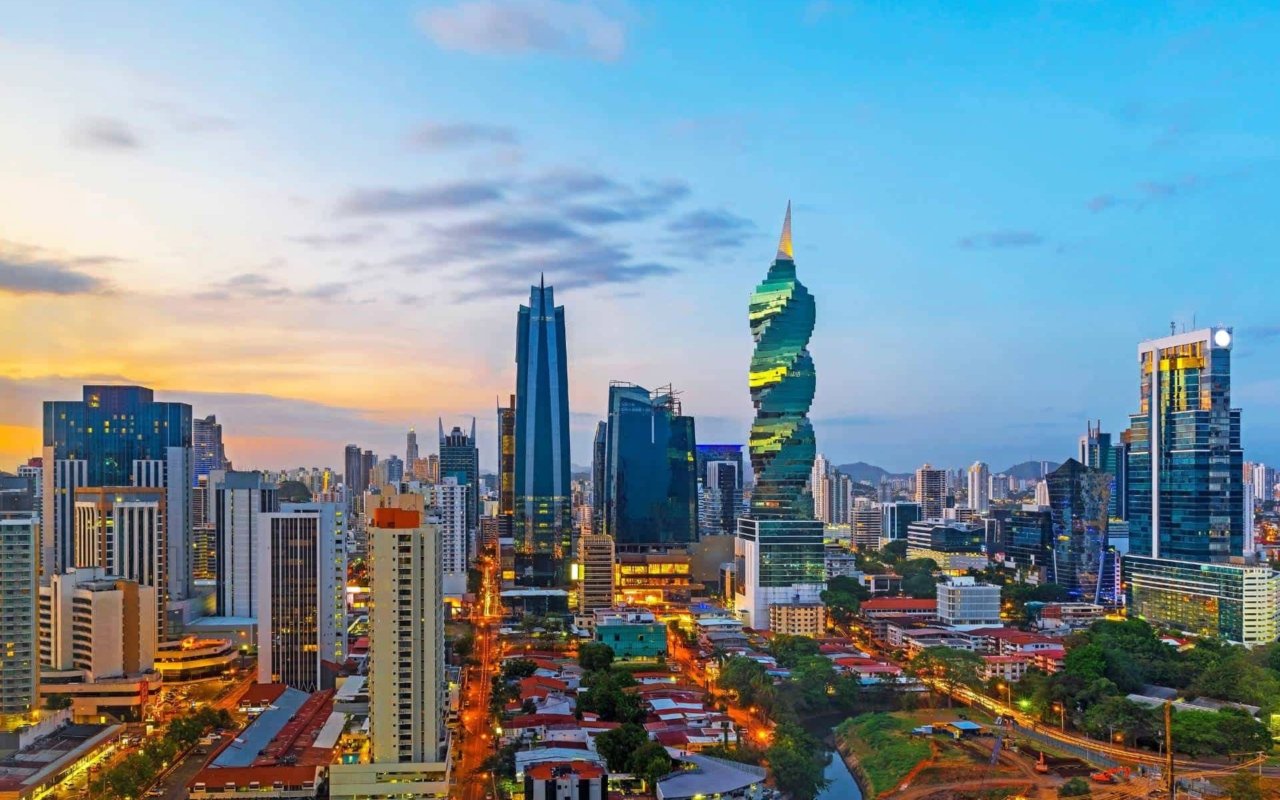
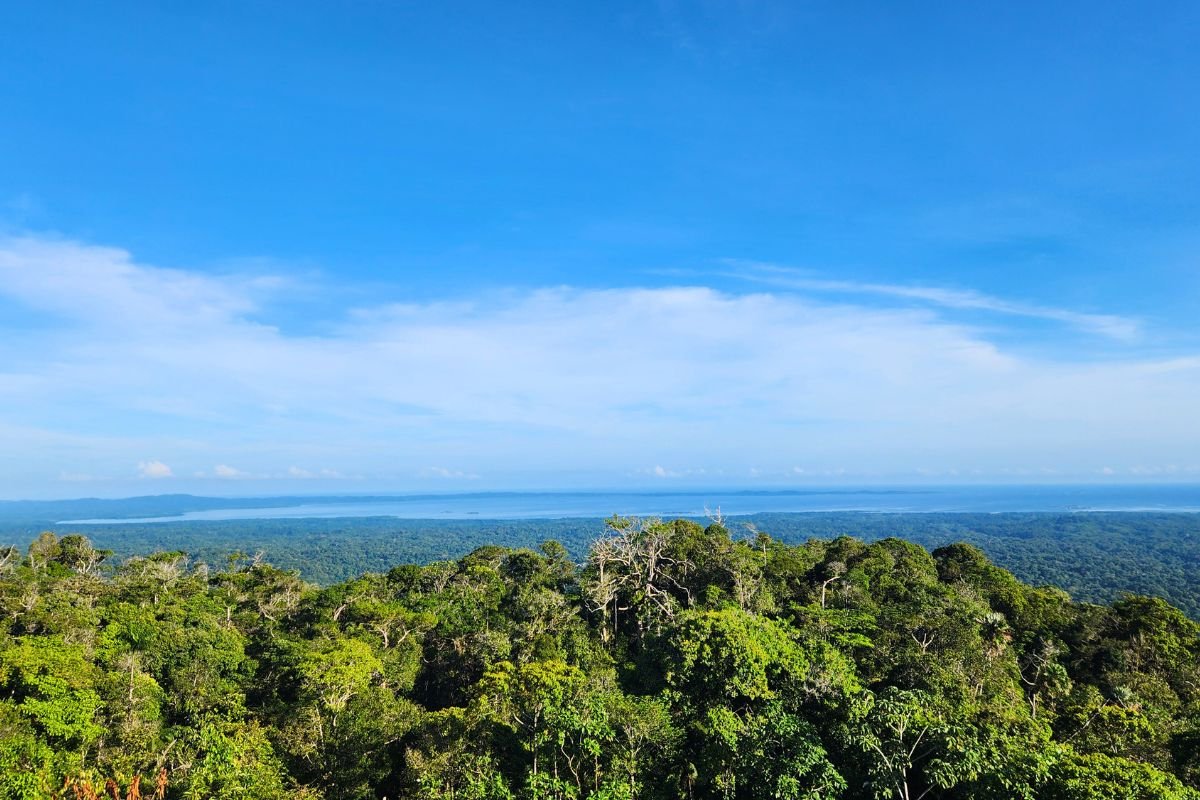
From Panama City, it’s a 2h30 to 3h drive to the Caribbean coast. The road winds through the jungle, up and down, before arriving at a Guna checkpoint. The road is in very good condition, but it’s a hilly road with many curves.You pay an entrance fee, show your passport… and suddenly you realize you’re entering another world.To avoid any complications, it’s advisable to go through a local agency.Terra Panama works hand in hand with trustedGuna families to organize authentic and respectful stays. Departures to the territory are from the capital;bringing your own vehicle is not recommended, as access may be denied without prior authorization.After the border, the road continues to the port. Another short motorboat ride… and already, the first islands appear on the horizon.
Two ways to visit and experience Guna Yala
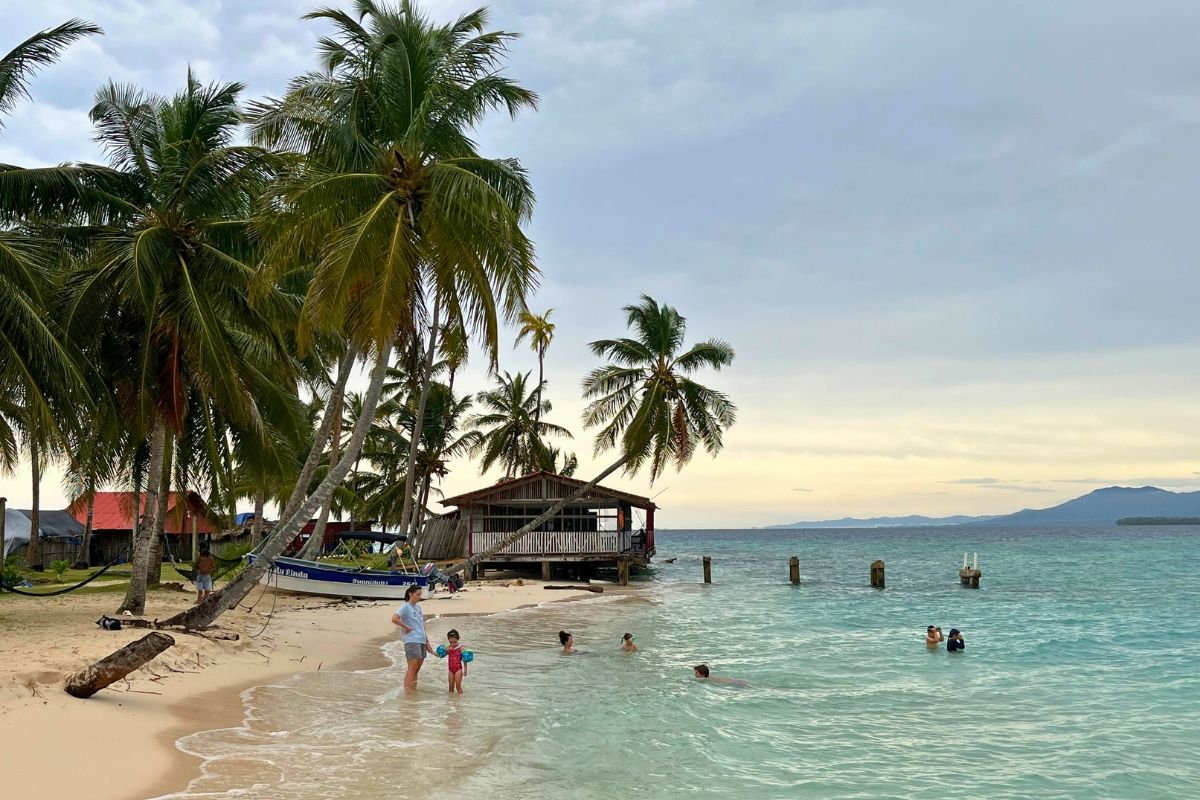
Traditional immersion in the San Blas
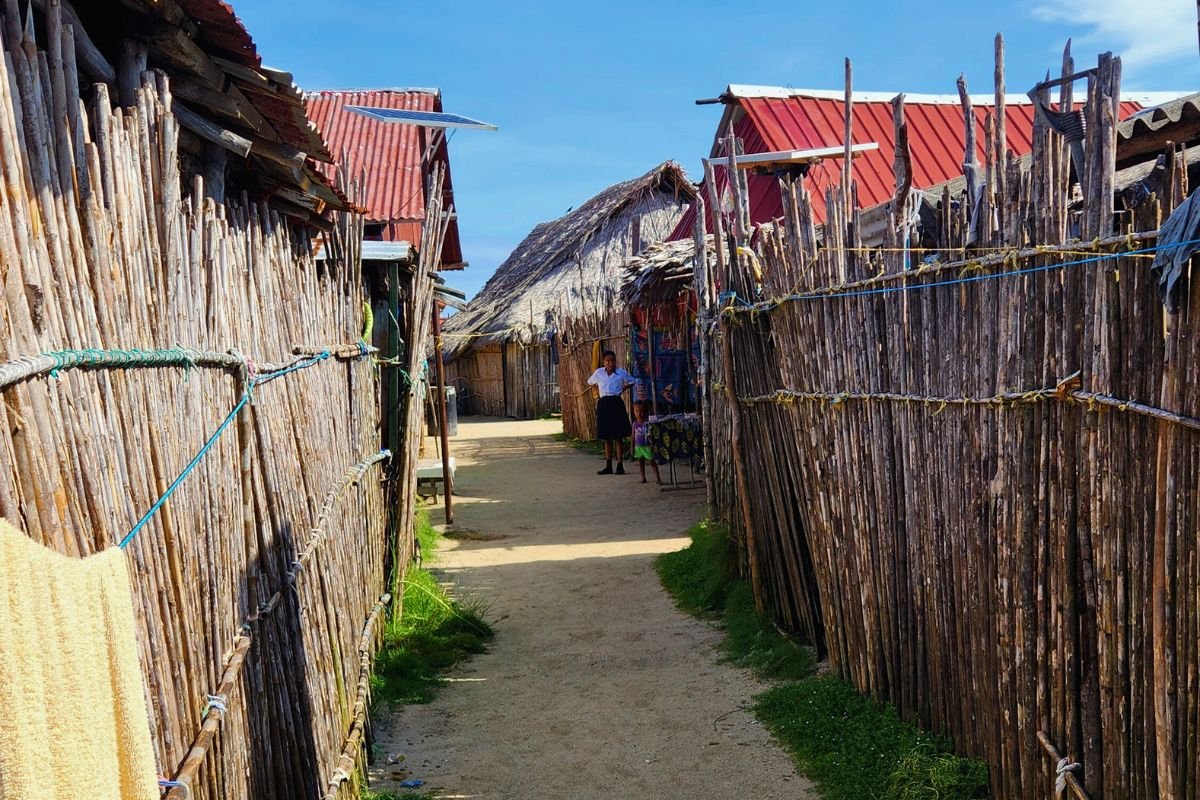
The most authentic way to discover Guna Yala is to stay in a traditional hut, with your feet in the sand. And yes, there are no resorts here. You stay in total immersion. Comfort is basic: no running water, no air-conditioning, sometimes even no electricity all day… but the sea is just a stone’s throw away, with crystal-clear water and an unforgettably pure starry sky.The comforts are simple, but the experience is unique.Stays are on a full-board basis (breakfast, lunch, dinner). We recommend a maximum stay of 1 or 2 nights, or even more for those who wish to extend their stay.
By catamaran
The other, more comfortable option is to sail on a catamaran.It’s the perfect combination of adventure, comfort and relaxation: private rooms, chef-prepared meals, kayaking and snorkeling in waters full of life.Every sunrise is experienced from a new island, every day is a postcard. For the duration, the choice is yours!
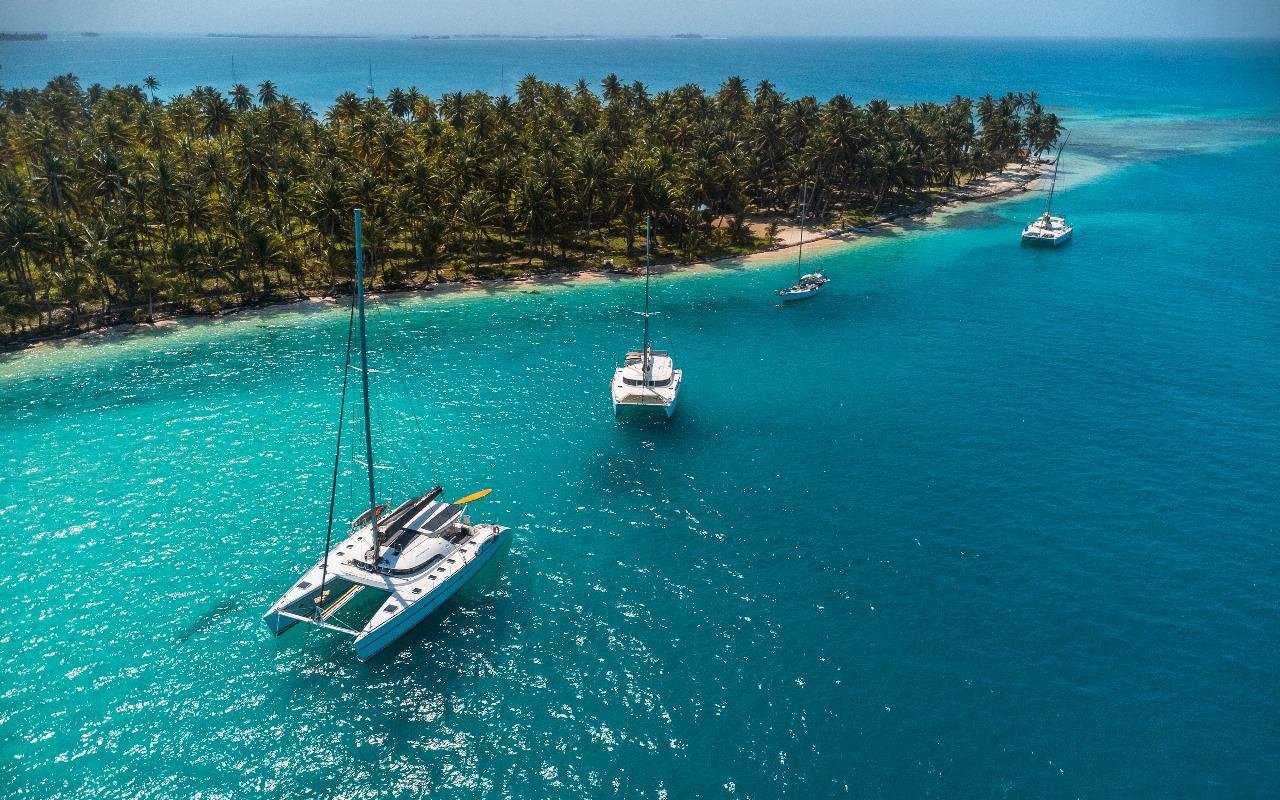
For those in a hurry, it’s also possible to visit Guna Yala on a day trip. But be warned: it’s a long drive (approx. 3 hrs out and 3 hrs back), with an early start around 5 a.m. and a return around 8 p.m.
A proud and discreet people
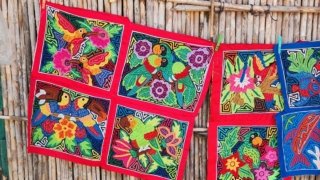
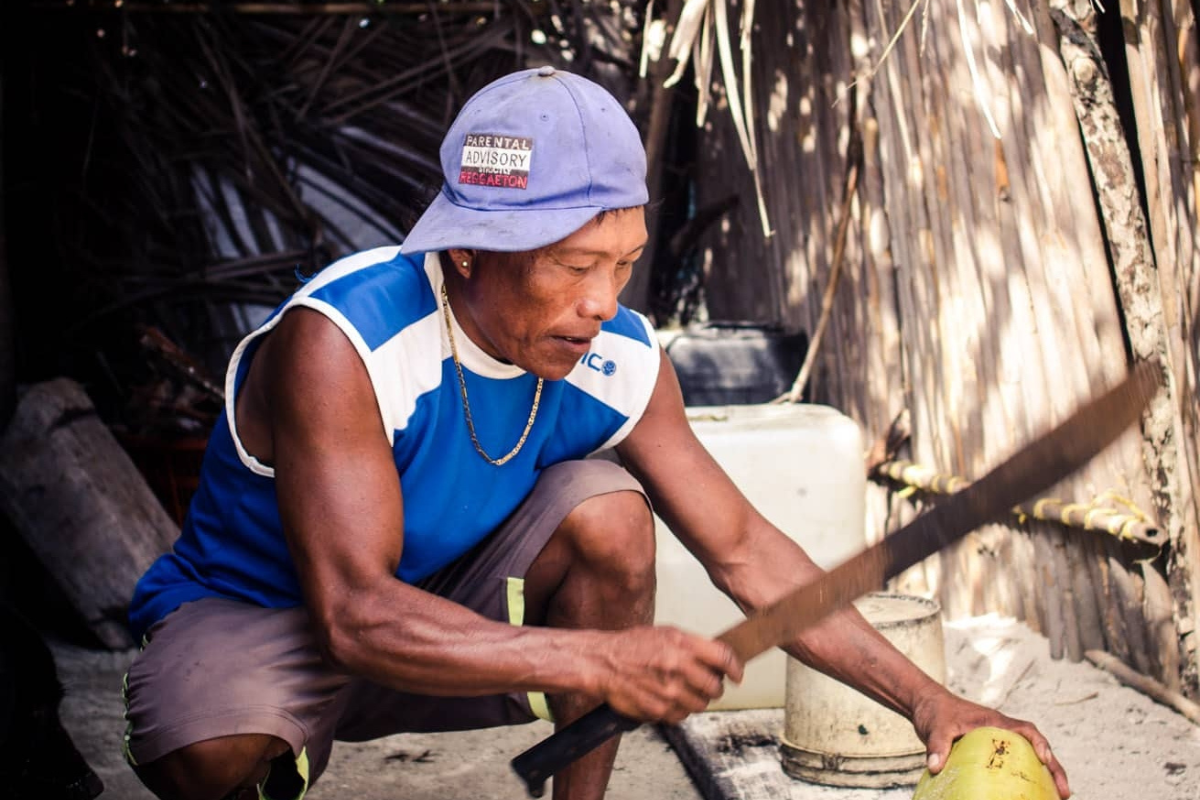
The Gunas live mainly from fishing, tourism and the sale of their handicrafts, especially molas, the colorful hand-embroidered fabrics that tell their story and their vision of the world. A museum on molas exists in the Casco Viejo, which is very interesting and free of charge!
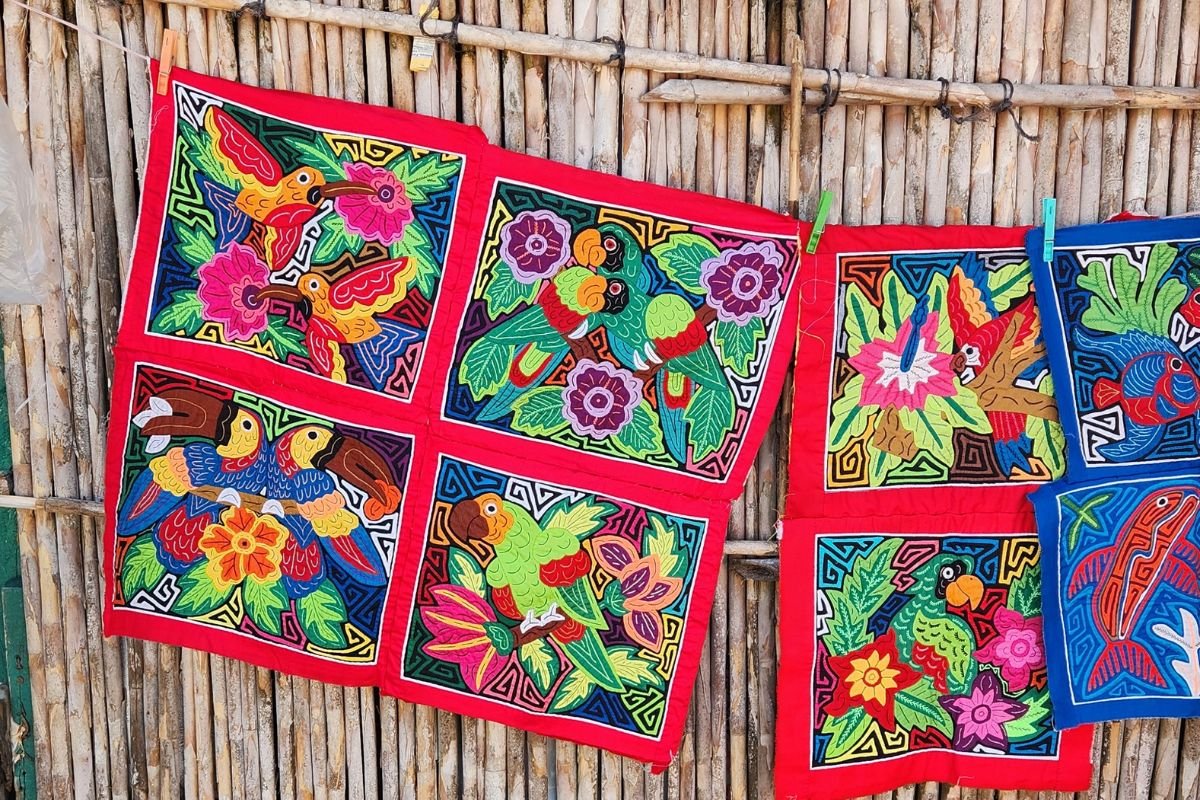
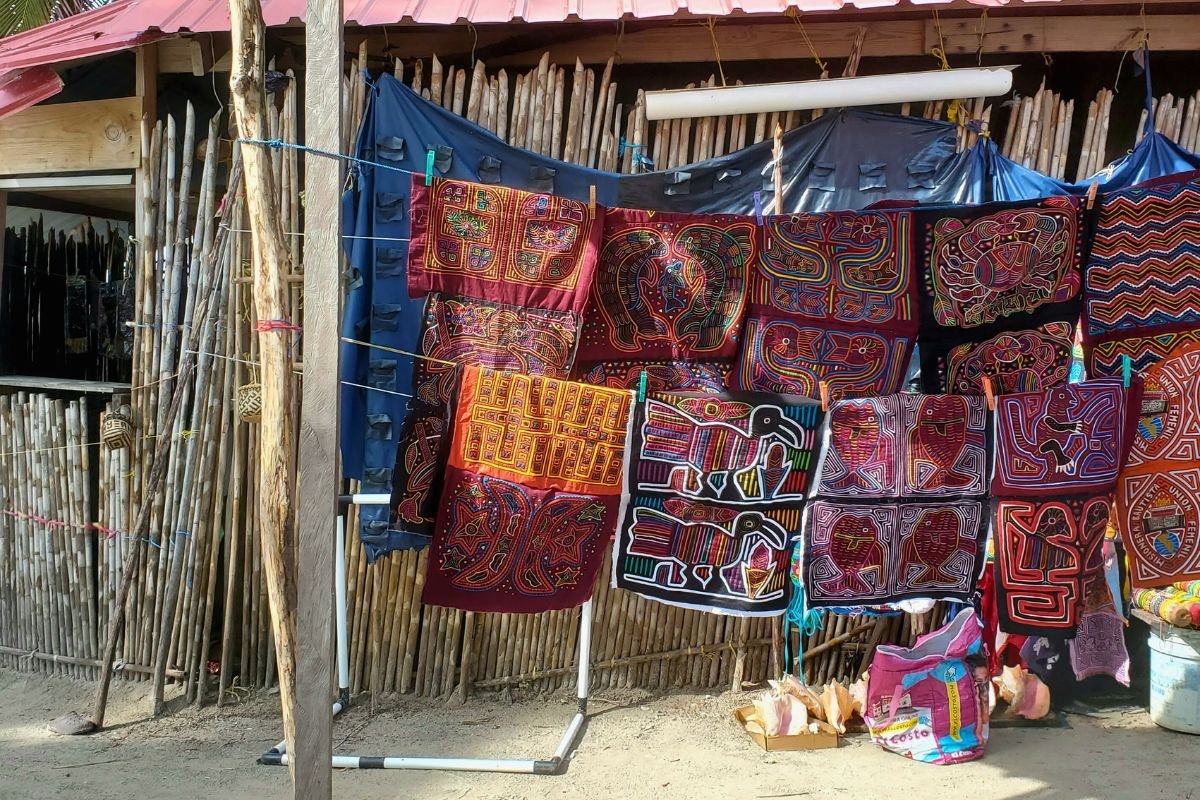
They are a remarkably discreet people. You can feel that they are keen to preserve their world, their culture and their rhythm, and this is undoubtedly what makes Guna Yala so real.To spend a few days in the archipelago is to agree to slow down. Forget the network, comfort and schedules. It’s getting up with the sun, swimming in a warm sea, tasting grilled fish on the beach and falling asleep under the stars.Guna Yala is a lesson in simplicity.In a world that’s moving ever faster, it reminds us that we can still live differently.
Speaking Guna:
The Guna language (Dulegaya) has only 15 letters:a, b, d, e, g, i, l, m, n, o, r, s, u, w, yHere are some words to make the most beautiful effect on the territory
Hello : Anna (pronounced naa)Thank you: Dot Nued
Yes: Eye
No: Na
island: DubSun: Igwa
Health: Iddo malando
Water: dii
A little culture: Guna Yala flags
Guna Yala has two flags, each steeped in history and symbolism.
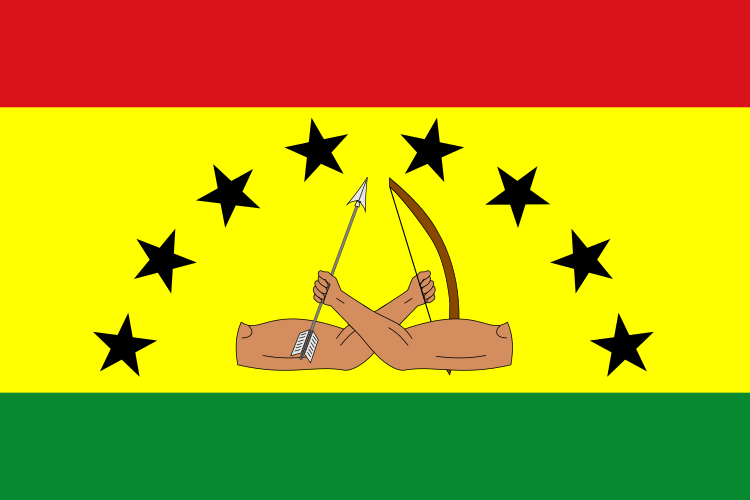
The official flag of the Guna nation
Made up of three horizontal stripes: red, yellow and green, it flies alongside the Panamanian flag in all schools, institutions and villages
- Red evokes the blood shed by the Guna people.
- Yellow symbolizes spiritual and cultural wealth.
- Green represents the virgin forest, Mother Earth.
In the center, two arms are raised
- One brandishes a bow and arrow, symbolizing Simral Colman, hero and defender of the people.
- The other embodies his successor, guarantor of the continuity of Guna destiny.
Around them, eight stars represent Ibeler’s eight warrior brothers, mythical and protective figures.
The flag of the 1925 Revolution
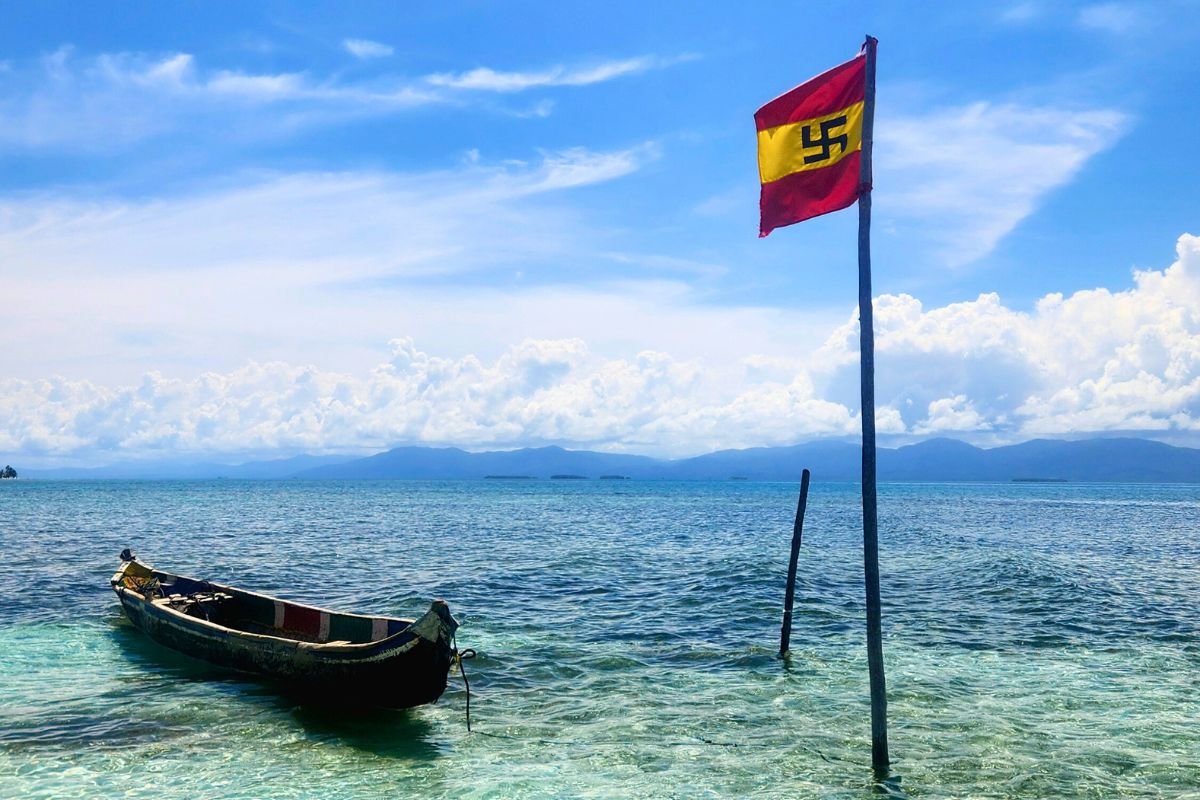
Often seen in villages, on jewelry or painted on boats, this flag was adopted after the Tule Revolution. Its red background symbolizes the blood shed during the fight for autonomy, while the yellow embodies the sun, the only witness to their history.In the center, a black swastika, far from the European symbol one might think of: here, it represents a sacred medicinal plant whose branches extend towards the four cardinal points, symbolizing unity and life.
Guna Yala is not just a paradisiacal archipelago: it’s a land of history, resistance and pride,a place where the blue of the sea meets the soul of a free people, and where every island seems to whisper: “Welcome to Guna land.”