When you think of Panama, you don’t immediately think of its gastronomy, and yet! Panama’s geographical position makes it a crossroads of flavors. Forbes Centroamérica even voted Panama the region’s gastronomic benchmark. Its gastronomy reflects the diversity of its cultures: indigenous heritage, African, Spanish and West Indian influences. Simple, essential ingredients such as rice, chicken, corn, yucca and plantain can be found alongside more typical dishes and blends.
Top 15 Panamanian cuisine
1. Sancocho
Sancocho is Panama’s specialty. A clear soup with chicken and ñame, a tuber similar to manioc, but with a softer texture when cooked. Served in every home, especially on Sundays. It’s said to be the cure-all for heat, fatigue and homesickness.
2. Arroz con Pollo
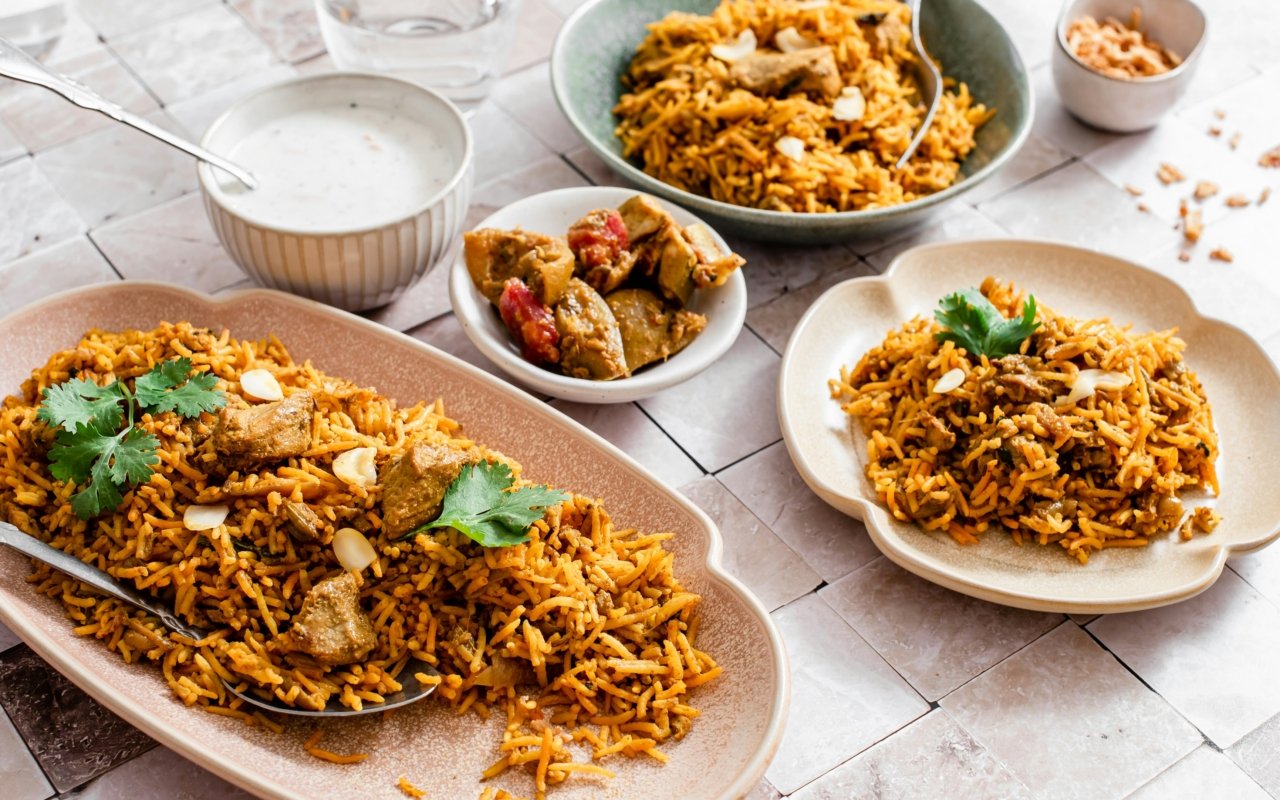
At major celebrations, weddings, birthdays or simply on a daily basis,arroz con pollo takes center stage. Rice flavored with achiote, a spice that doesn’t really give taste, but color and yellow, tender chicken, small vegetables… a simple dish, but full of affection.
3. Concolón
When the rice is cooked, a thin, golden, crispy layer forms at the bottom of the pan. In Panama, this is called concolón, and is considered the tastiest part. Crunchy, golden, lightly salted. The little treasure at the bottom of the pot.
4. Ceviche
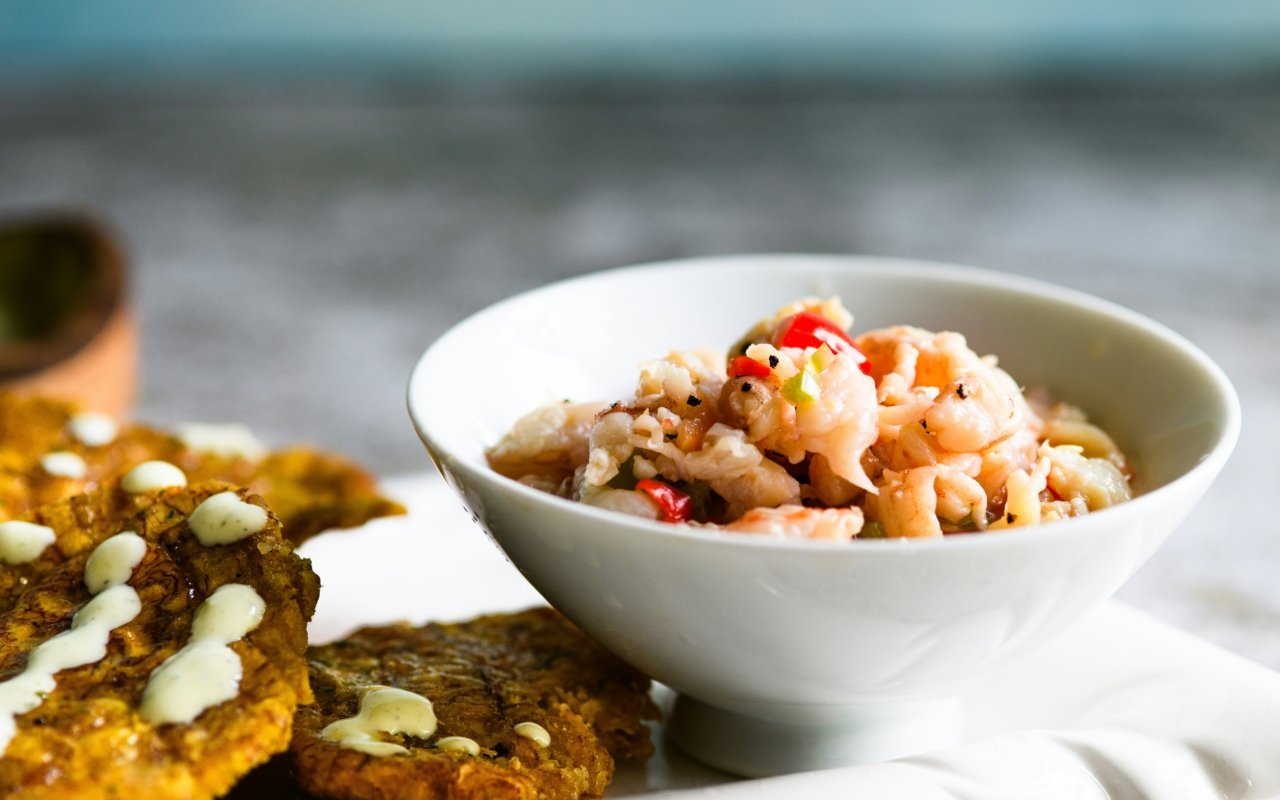
Ceviche is a must. Raw fish is marinated in lime and seasoned with onions, coriander and sometimes local touches such as mango or avocado. Served chilled, it is often accompanied by simple crackers.
5. Almejas
On the Pacific coast, almejas (clams) are prepared as simply as possible: lemon, garlic, herbs, a little chili pepper. You eat them on a wooden table, in the salty wind, with your fingers.
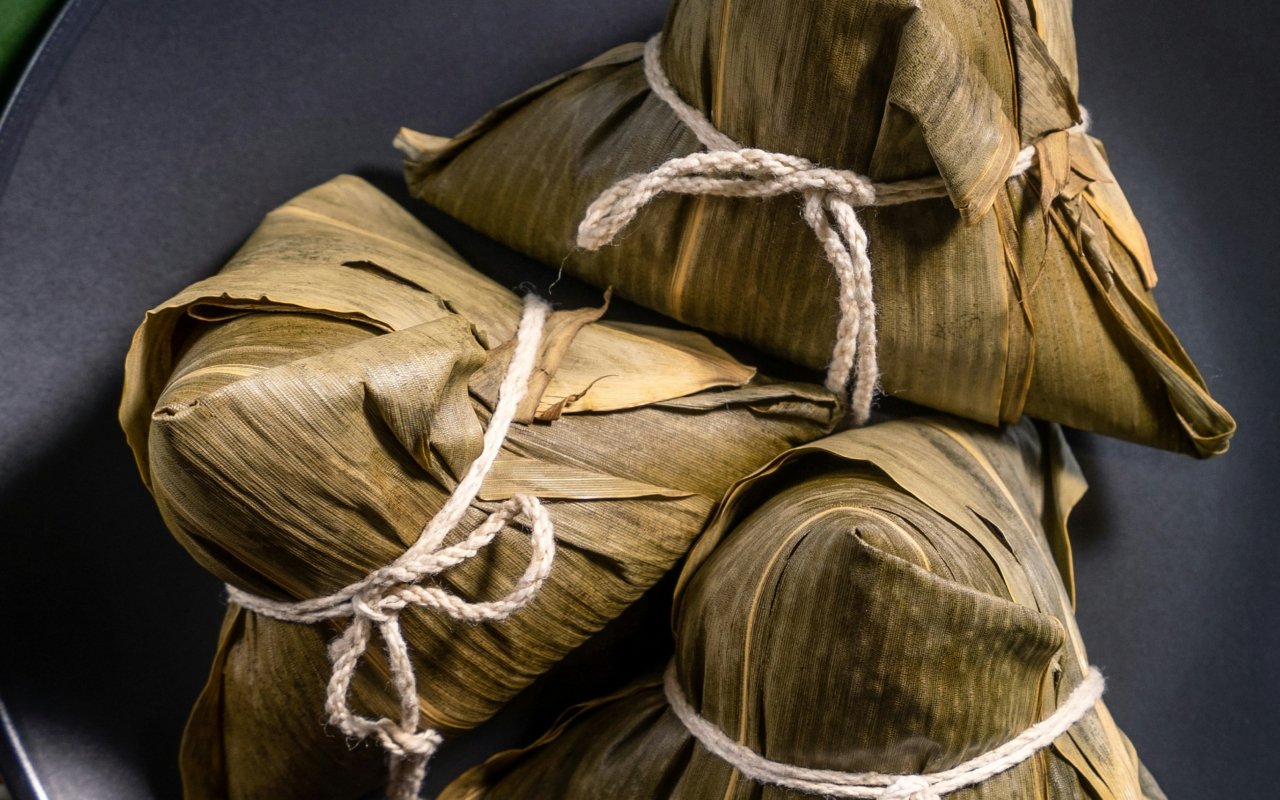
6. Tamales
In the kitchens, tamales are prepared as a family, often on festive occasions. A corn dough is rolled out, a filling (often chicken or vegetables) is added, and the whole thing is wrapped in a banana leaf before steaming.
7. Ropa Vieja
Its name means “old clothes”, in reference to the frayed appearance of the meat.Ropa Vieja is a long-simmered beef stew with tomatoes, onions and spices. Served with rice, it is a rich dish of Caribbean origin.
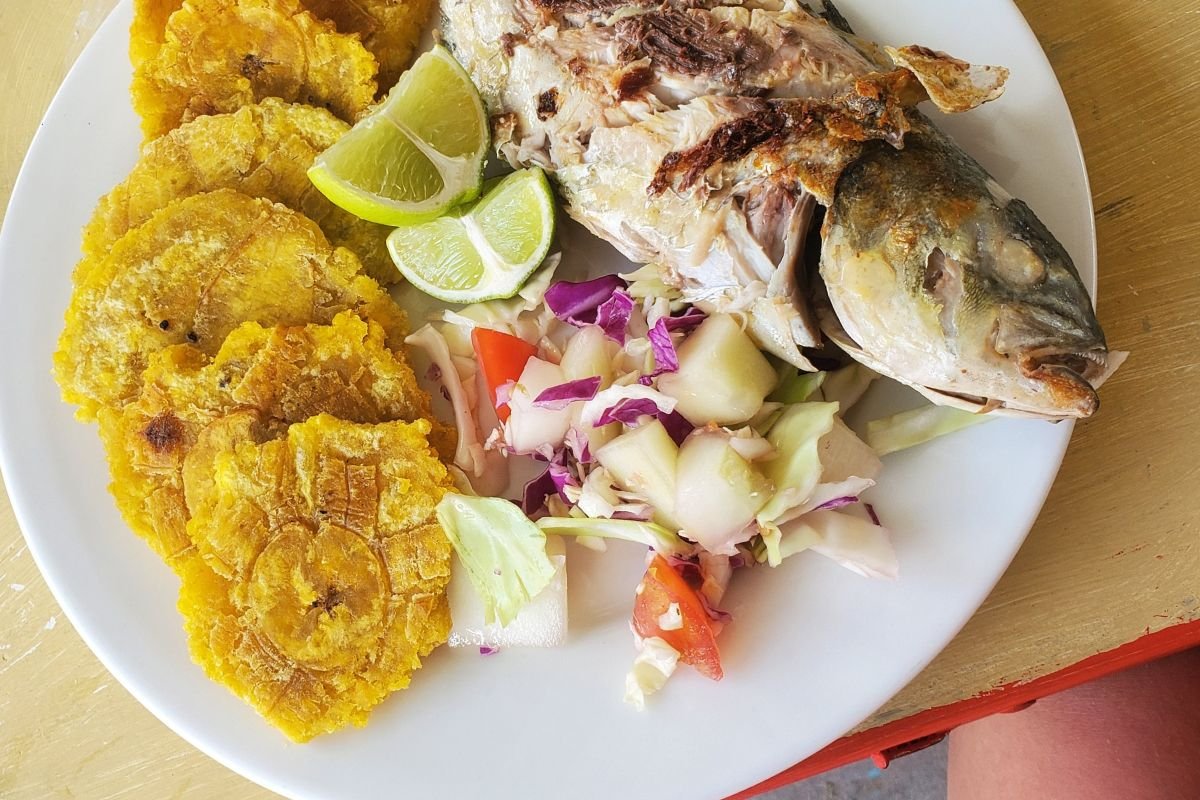
8. Fried fish
On the coast, wholefried fish is a ritual. Served with rice, fresh salad and patacones.
9. Carimañolas
For breakfast or a snack, carimañolas are yucca (manioc) croquettes that are crispy on the outside and melt-in-the-mouth on the inside, often topped with meat or cheese.
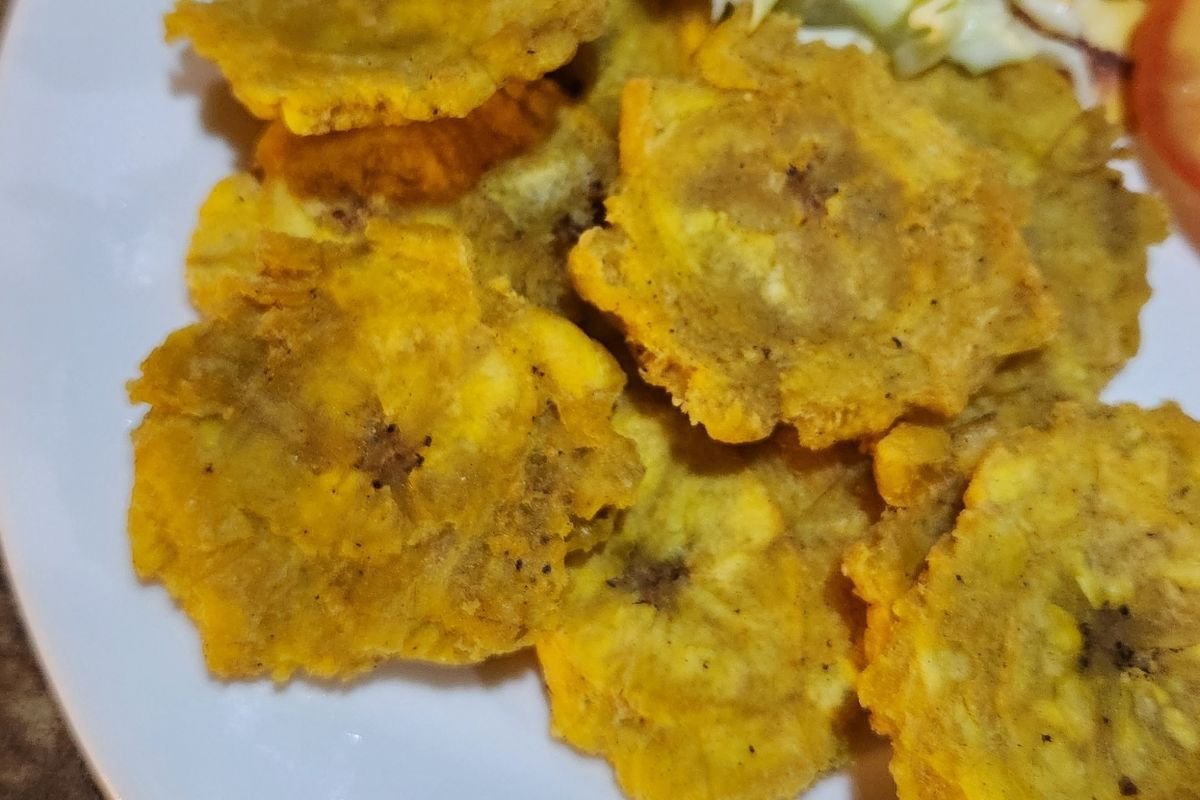
10. Patacones
Pataconesare impossible to pass up . Plantain slices are mashed, fried twice and served as an accompaniment to almost anything. Crunchy, salty, universal.
11. Chicheme
At any time of day, order a chicheme : a sweet drink made from corn, milk, vanilla and cinnamon. Amazing, nourishing and comforting. A sweet break in the tropical heat.
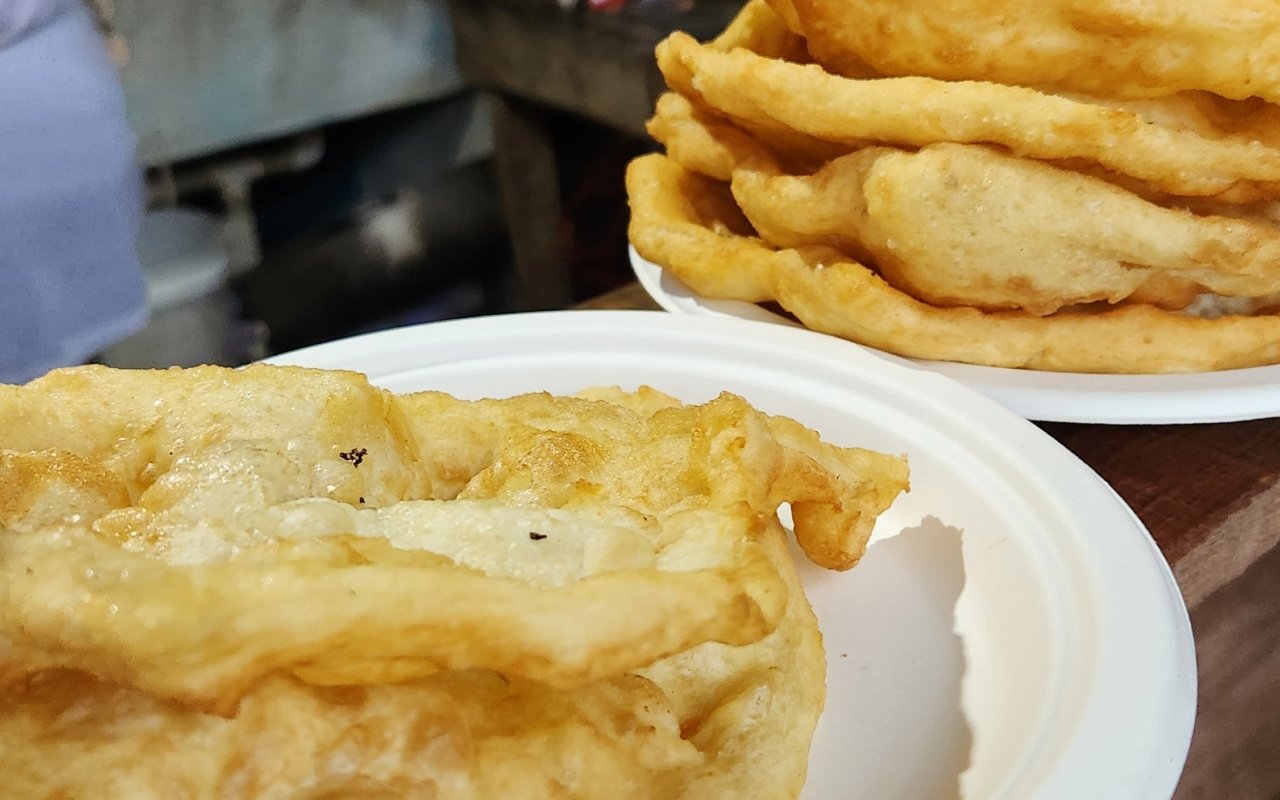
12. Hojaldres
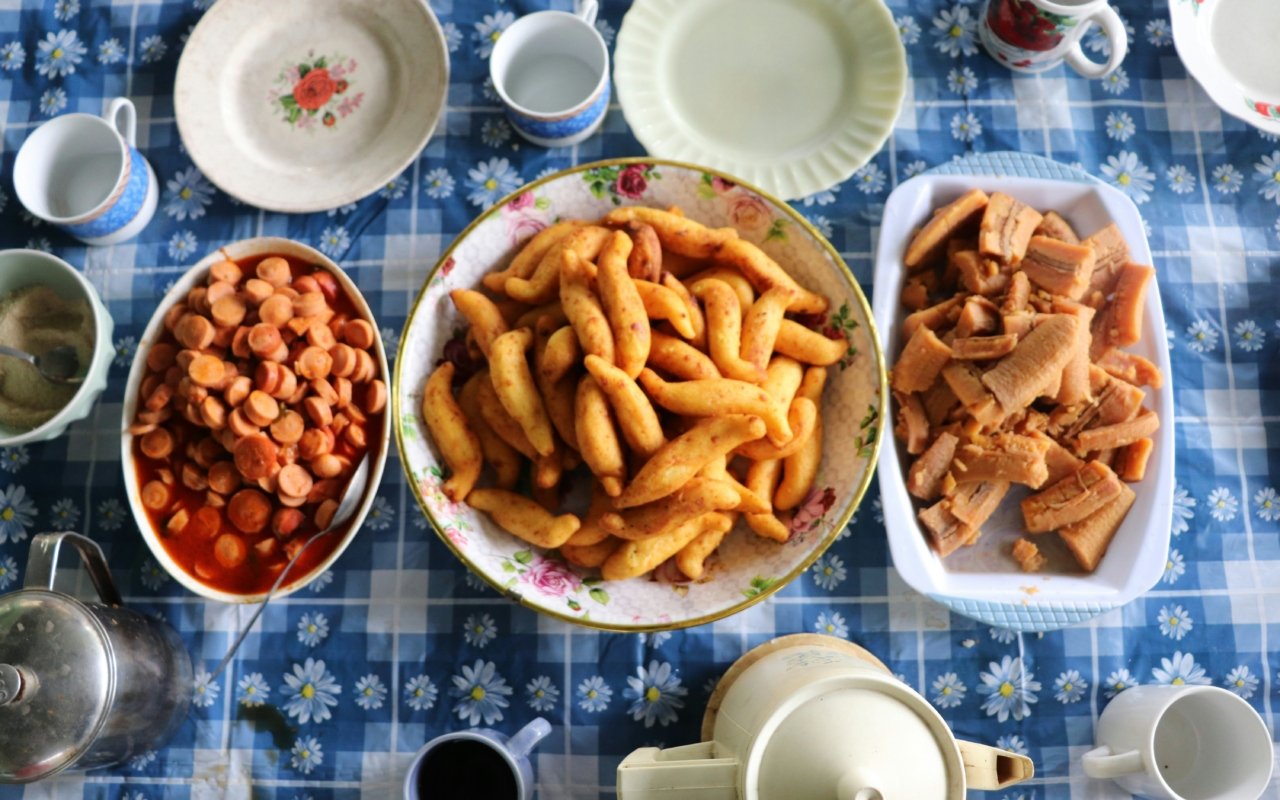
At dawn, with your coffee, have hojaldres : small, flat, light and fluffy fritters, often served with fresh cheese. A typically Panamanian breakfast, simple and cheerful.
13. Mondongo
Mondongo is a long-cooked tripe stew with vegetables and spices. The ” a la culona” version is thicker, more generous and bolder too.
14. Saus
To end on a surprising note, here’s saus : pork trotters marinated in lemon, vinegar, chilli and herbs. Fresh, tangy, spicy… a vibrant Afro-Caribbean heritage.
15. Plátano en Tentación
Here, plantain becomes a dessert. Slowly cooked with sugar, cinnamon and sometimes a little clove. It lives up to its name: we always give in.
Where can you enjoy these specialties in Panama?
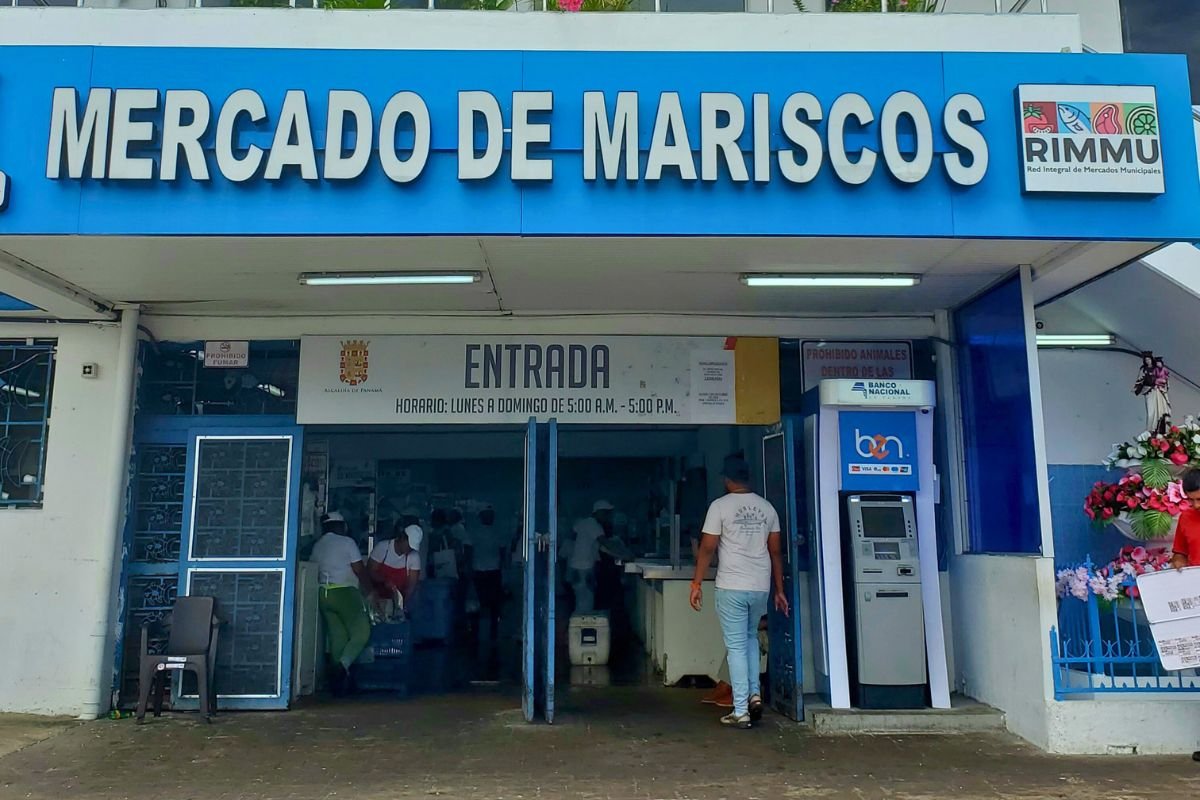
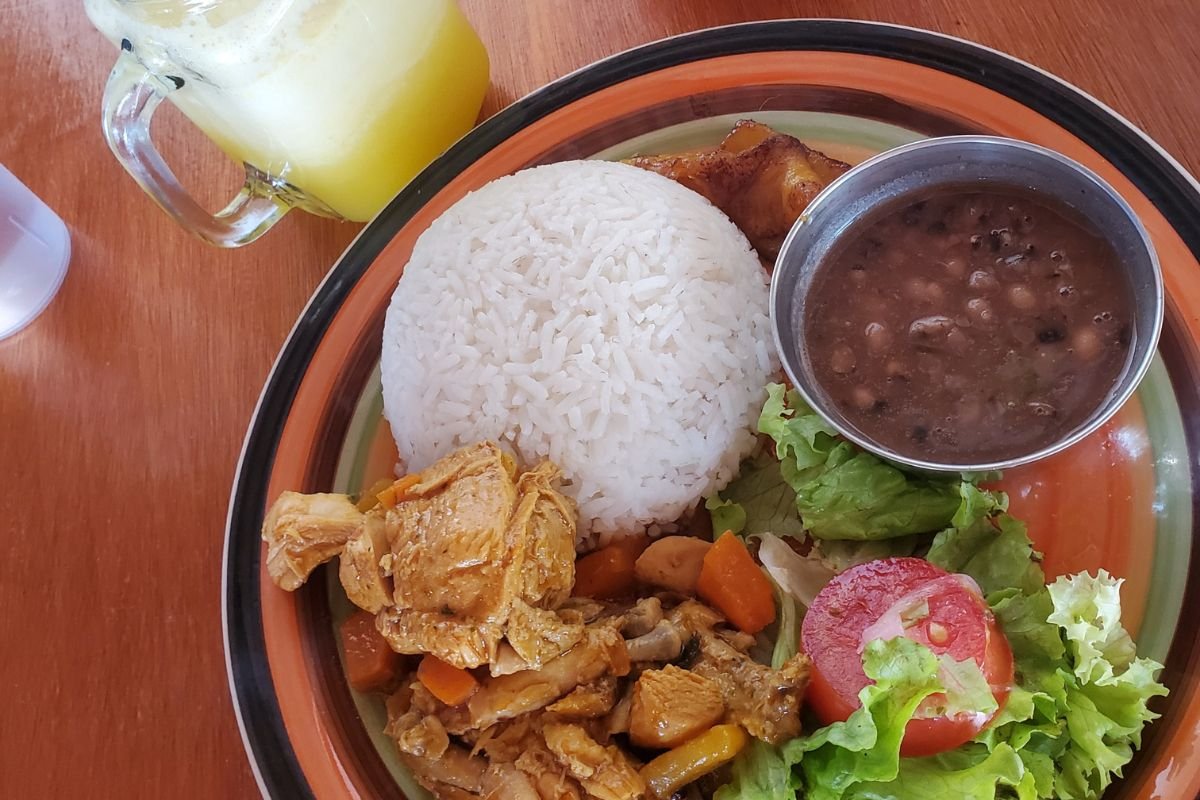
To discover Panamanian cuisine as it is experienced on a daily basis, nothing beats the fondas. These small, popular restaurants can be found all over the country, especially outside the capital. The food is quick and often accompanied by the sound of conversation, television and music in the background. They are real places to be: workers, families, bus drivers, everyone passes through. Dishes are simple, generous and very affordable, rarely costing more than US$8 a plate. The local markets also offer a tasty immersion, with fresh juices, fish straight from the port and snacks to be shared standing up or on a plastic stool . In Panama City, a modern gastronomic scene where you can find typicalfondas but also restaurants that today revisit these traditional recipes, giving birth to a contemporary cuisine that links heritage and creativity.
And for refreshment: the Raspados
On the streets of Panama, you’ll often come across street vendors selling raspados, rolling carts filled with crushed ice. The ice is grated a minute at a time, and a colorful fruit syrup is added: lemon, strawberry, pineapple, mango, followed by a drizzle of sweetened condensed milk for those with a sweet tooth. It’s simple, sweet, refreshing and, above all, incredibly connected to everyday life. We eat it on the sidewalk, walking, laughing, taking a break. It’s the Panamanian version of the summer snack.
In conclusion, in Panama, cooking is lived without clocks. We eat breakfast when we’re hungry, sometimes at 10am, sometimes at 3pm. Dinner is often early, before night falls quickly. Food accompanies the rhythm of life rather than dictating it. Nothing is set in stone, everything is spontaneous, so if you travel here, set yourself a little challenge: try everything. The tamale at the market, the ceviche by the ocean, the fried fish after the beach, the sancocho in a fonda between two visits, the raspado in the afternoon to beat the heat.Bon voyage, and above all… bon appétit!