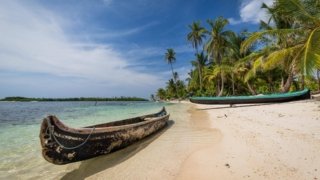
Panama’s Carnival takes place every year during the four days preceding Ash Wednesday, usually in February or March. Unlike South American carnivals, which culminate on Shrove Tuesday, Panamanian tradition begins on Saturday and ends on Tuesday evening with the symbolic “burial of the sardine” (entierro de la sardina), a ritual marking the end of excess before Lent
Origins and evolution of Panamanian carnival
Carnival arrived in Panama with the Spanish colonizers in the 16th century, who imported this pre-Lenten celebration already present on the Iberian Peninsula. Over the centuries, Panamanian carnival absorbed African influences brought by slaves, creating a unique syncretism. Afro-Caribbean rhythms such as the tamborito (declared a national intangible heritage) and congos became central to the festivities. This cultural fusion sets Panamanian carnival apart from other Central American celebrations
Las Tablas: capital of carnival
The city of Las Tablas, in the province of Los Santos, lays claim to the title of Panamanian carnival capital. The local peculiarity lies in the rivalry between Calle Arriba (upper street) and Calle Abajo (lower street), which have literally divided the city into two camps since 1906. Each district elects its queen, builds its floats and organizes its parades in a festive but fierce competition, a division that goes back to a historic territorial dispute between two influential families. Today, residents are born affiliated with their street and maintain this loyalty throughout their lives. The two queens, elected several months before the carnival, represent the financial and emotional investment of their entire community. Their costumes, which can cost tens of thousands of dollars, are kept secret until the parade
The pollera: much more than a costume
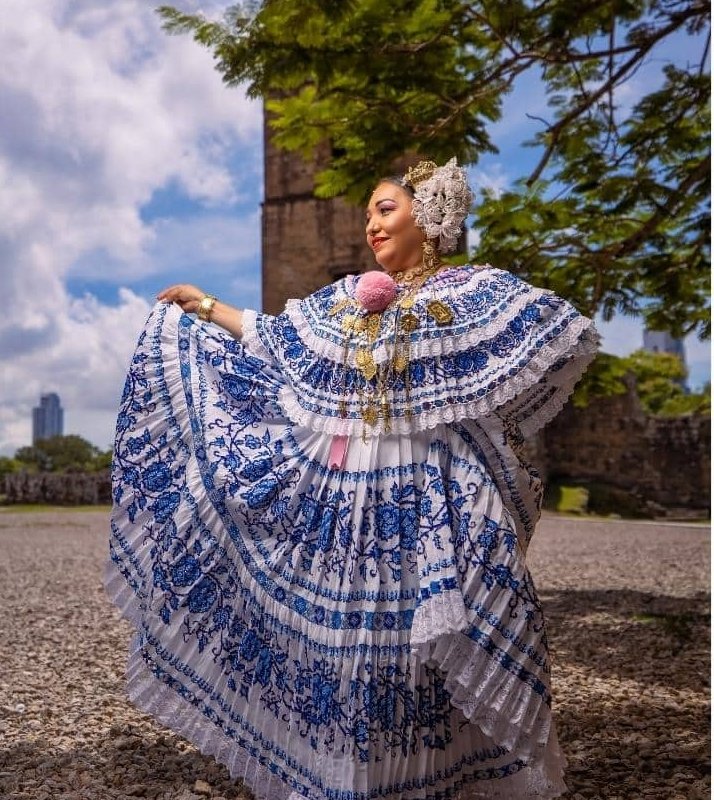
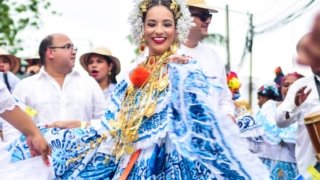
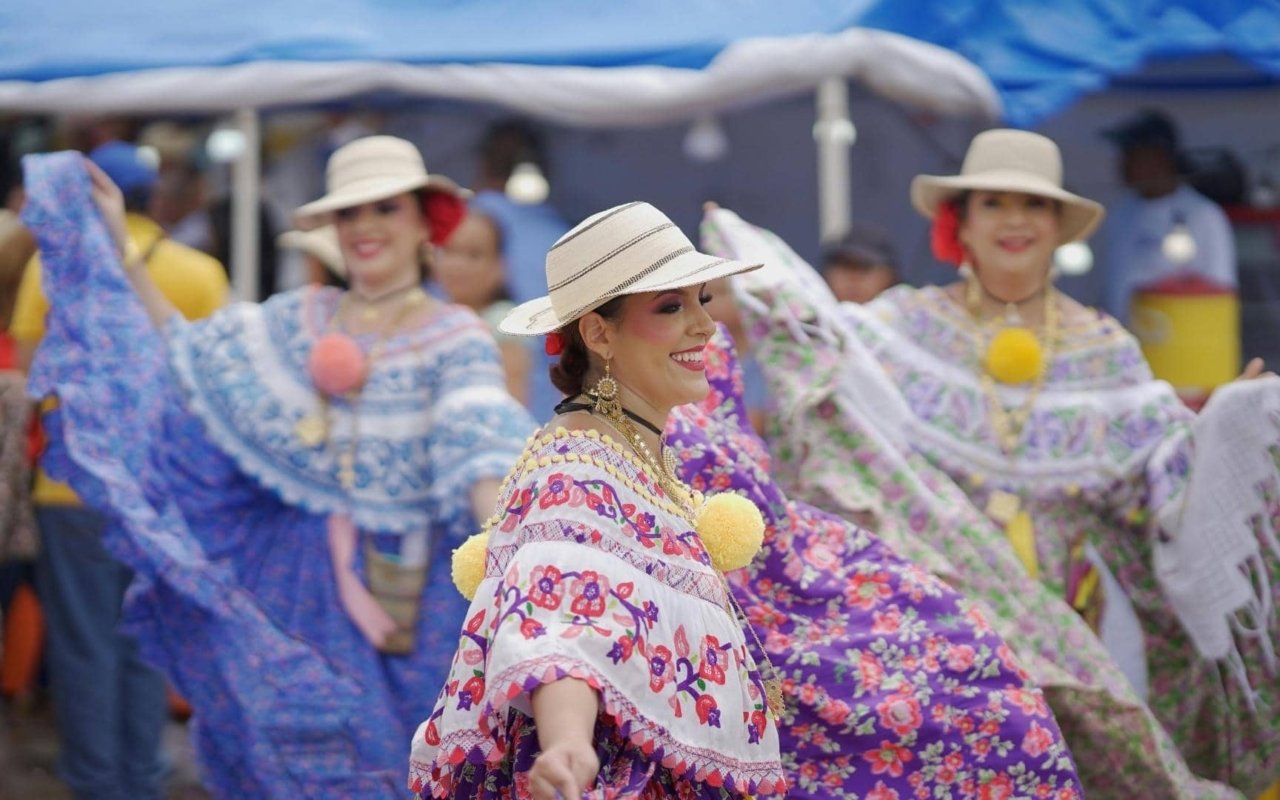
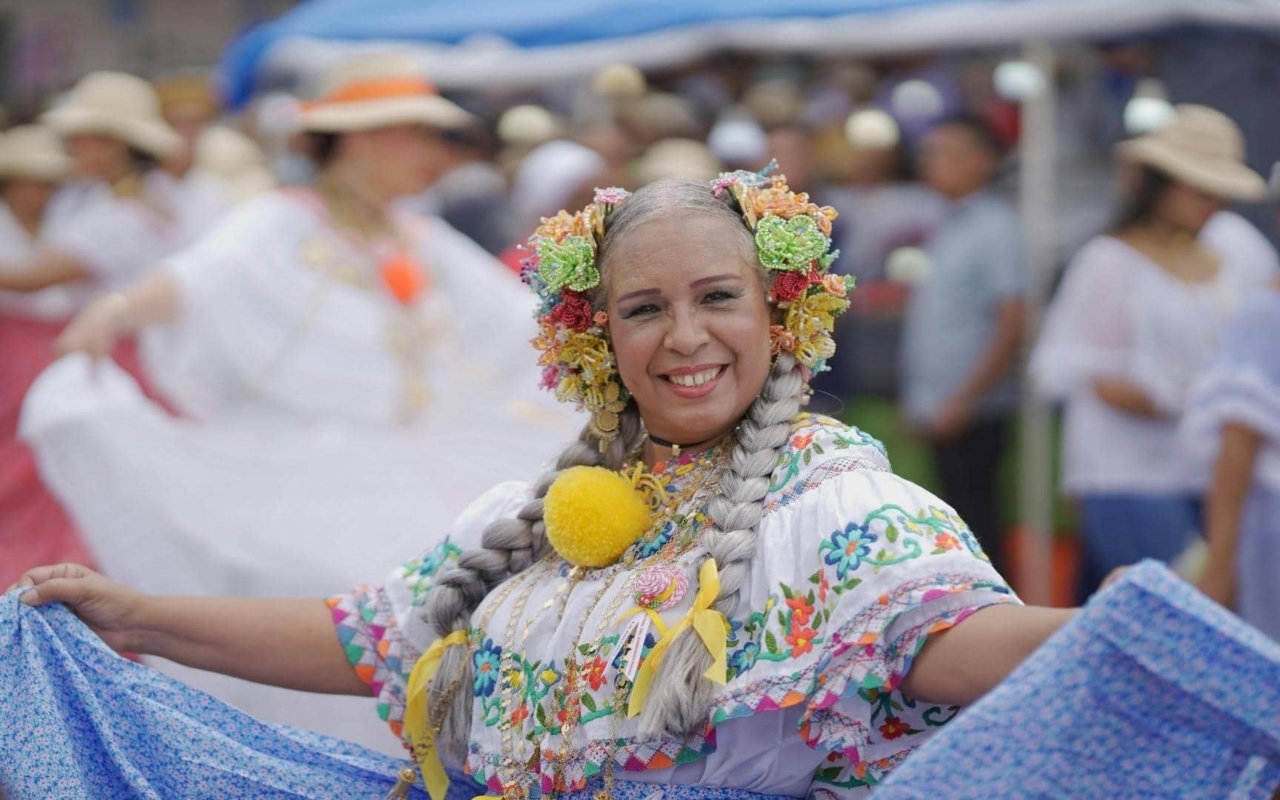
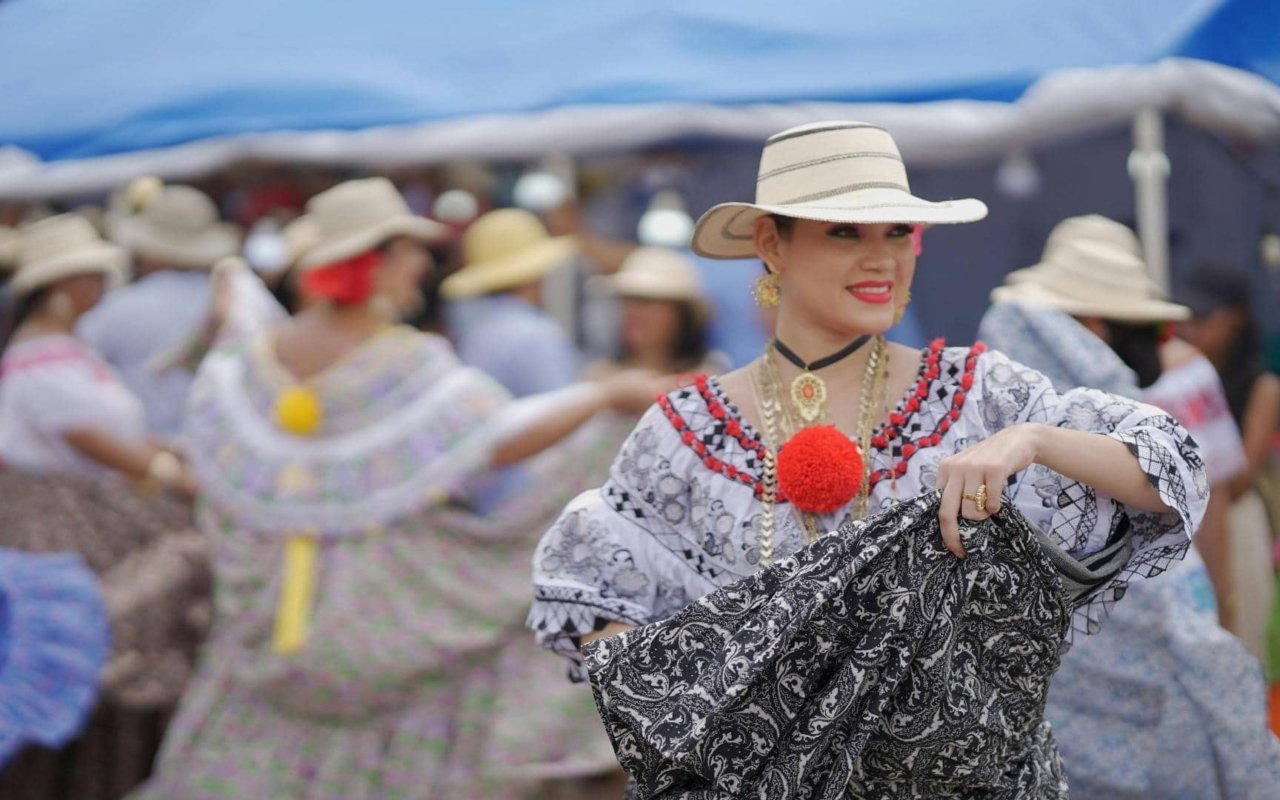
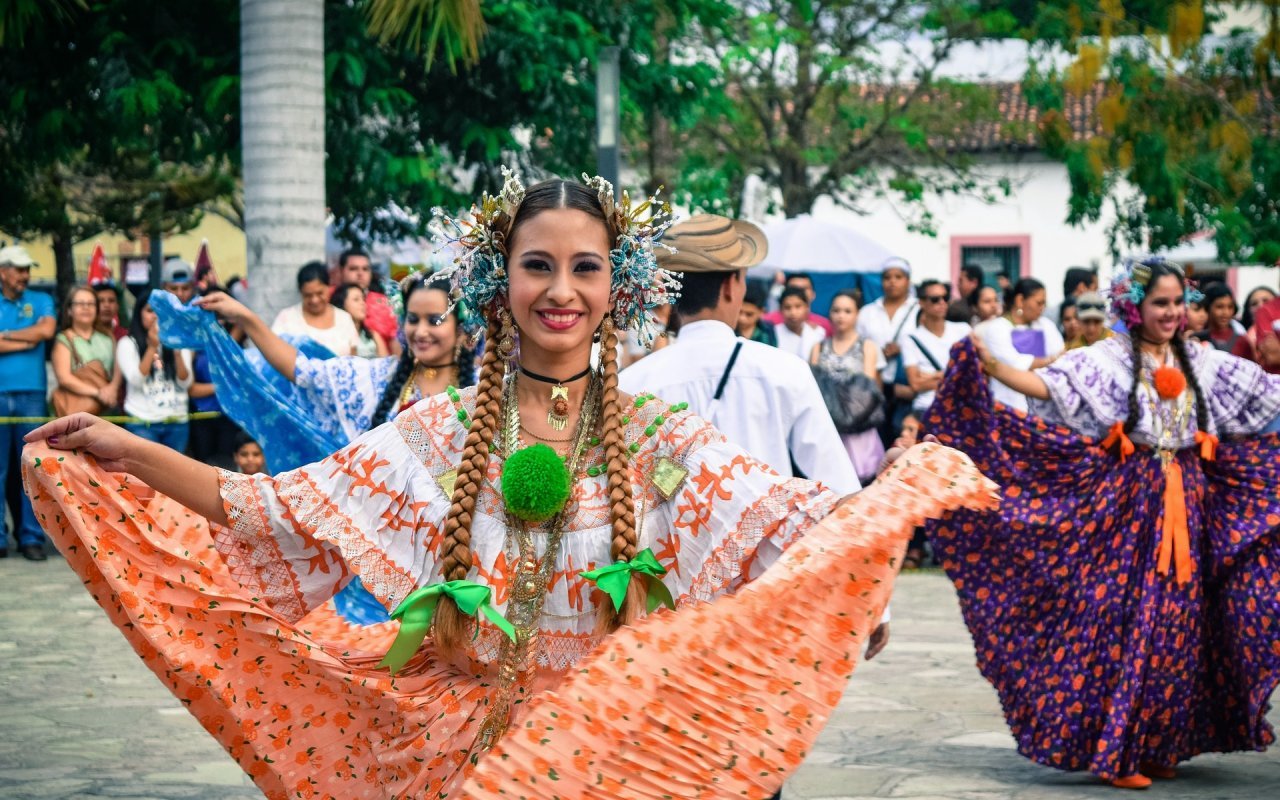
The pollera, the traditional dress worn at carnival, takes between six months and two years to make by hand. Originating in Andalusia and adapted to Panama’s tropical climate, it consists of two superimposed skirts (the pollerón and the pollerín), an embroidered bodice, and requires up to 13 meters of fine fabric. The embroidery follows codified patterns handed down from generation to generation: flowers, birds, geometric motifs. An authentic pollera can cost between $1,500 and $15,000, depending on the complexity of the embroidery. In 2022, the pollera was inscribed on UNESCO’s Representative List of the Intangible Cultural Heritage, in recognition of its cultural importance for Panama.
Music and dance: the beating heart of carnival
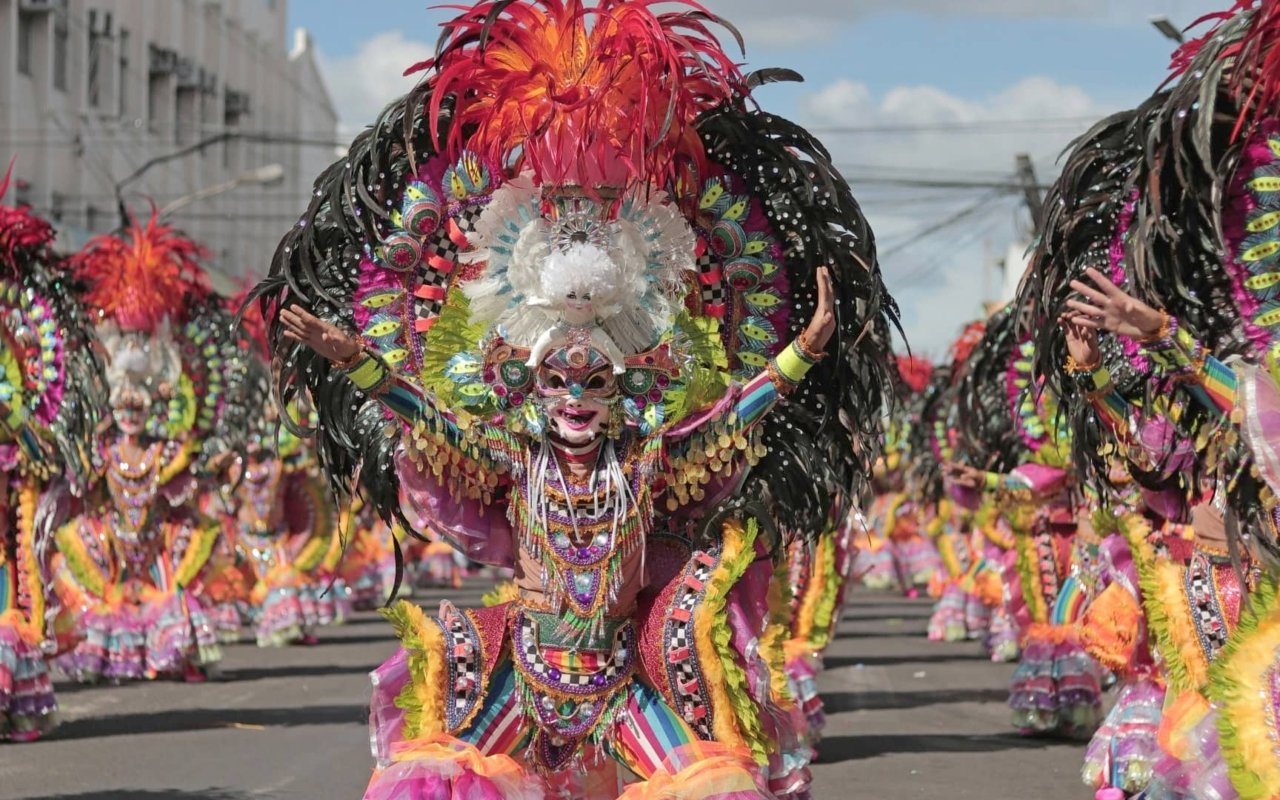
The tamborito is the musical structure of Carnival. This Afro-Panamanian dance is performed in a circle: the men beat the drums (caja, pujador, repicador) while the women dance, twirling their polleras. The lyrics, often improvised, deal with everyday, amorous or satirical themes, while the murgas, travelling musical groups, roam the streets day and night. Armed with percussion, brass and amplified vocals, they accompany the tunas (groups of revellers who move from one neighbourhood to another). The culecos, a daily water fight, takes place to the sound of tanker trucks equipped with sound systems broadcasting reggaeton, salsa and folk music
Rituals and traditions specific to Panama
On the Saturday before Carnival, the city officially elects its queens in an elaborate ceremony. Sunday, the first official day, kicks off with the desfile de las mil polleras in Las Tablas, a parade featuring over a thousand women in traditional costume. Monday remains the most intense day, with non-stop parades, float competitions and free concerts organized by each municipality. Tuesday culminates in the entierro de la sardina, a funeral parody in which a papier-mâché sardine symbolizing the sins of Carnival is burned or publicly buried, marking a return to the sobriety of Lent.The Queens of Carnaval Short Film (Les Tablas, Panama), Dan Ushe
Carnival geography: beyond Las Tablas
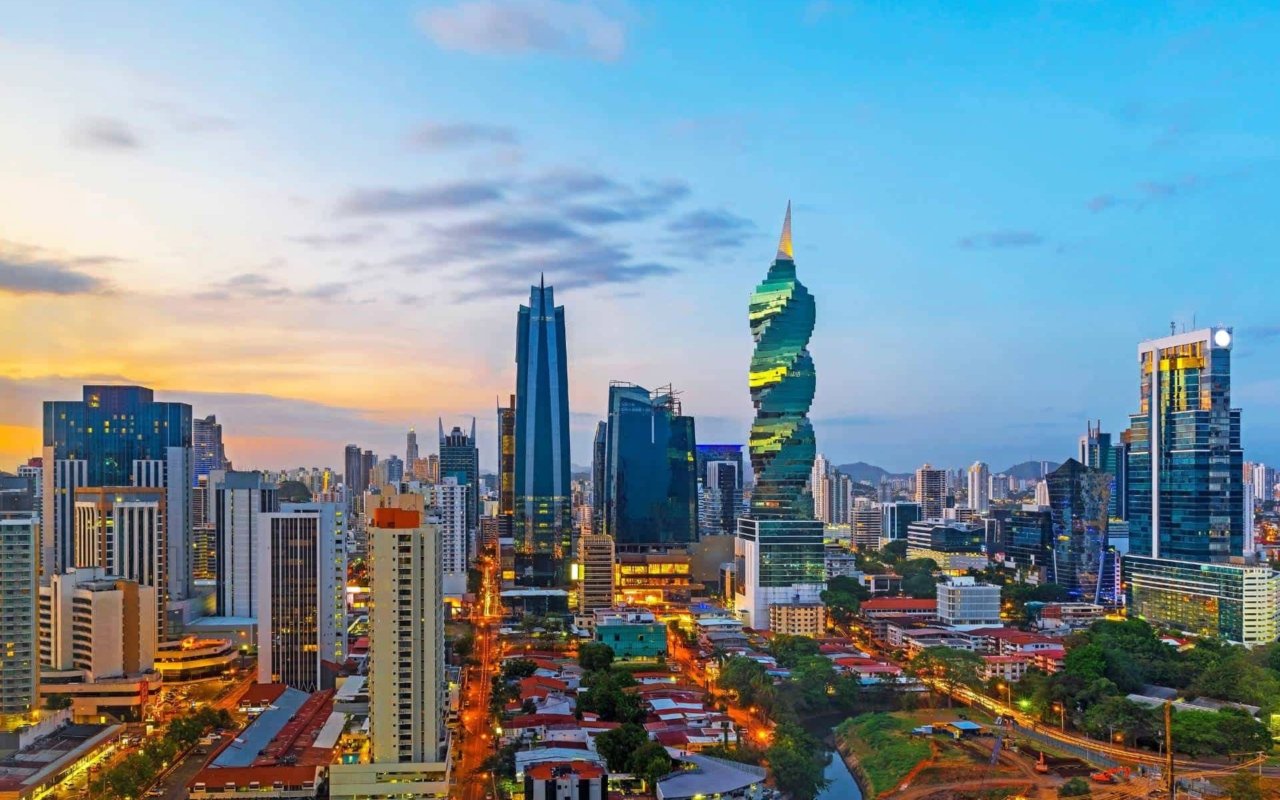
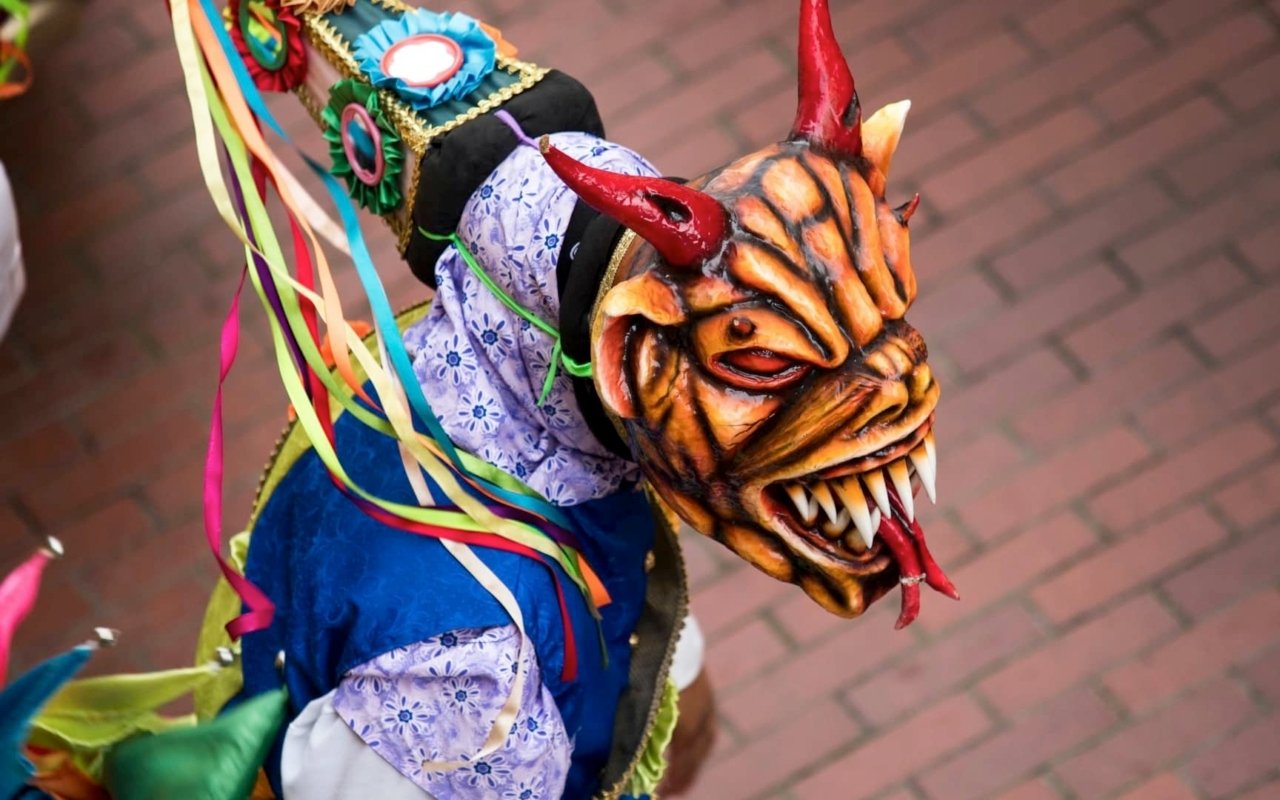
Panama City has been staging its own carnival on the Cinta Costera waterfront since the 1910s. The urban festivities attract up to 500,000 people and combine folkloric traditions with concerts of reggaeton and modern Latin music. Penonomé, capital of Coclé province, maintains a more family-oriented carnival with a strong presence of diablicos sucios (dirty devils), masked characters from Congo traditions. These dancers wear striped costumes and zoomorphic masks, a direct legacy of Afro-colonial festivities. The Bocas del Toro region celebrates a distinctly Afro-Caribbean carnival, with calypso and Caribbean traditions imported by Jamaican workers who came to build the canal
Practical aspects for visitors
Accommodation in the carnival towns can be booked three to six months in advance, and rates can triple during this period. Las Tablas, a town of 9,000 inhabitants, welcomes up to 50,000 visitors over the four days, with festivities starting around 10 a.m. and lasting until dawn. Alcohol consumption is massive (traditionally panamá, a mixture of Seco Herrerano rum and sweetened condensed milk), and temperatures reach 32-35°C with high humidity. Culecos (crowds bathing in water from tanker trucks) provide daily refreshment around midday. Panama Carnival officially closes businesses and public administrations on Monday and Tuesday, considered national holidays. Transport to the provinces is saturated by Friday evening.