Walking through history
This is literally what the Terra Panama team did a few days ago when we followed the Camino de las Cruces and the Camino Real: we shared a great moment of adventure and history, walking in the footsteps of the slaves, settlers and pirates who have marked these ancestral paths.Two royal roads carved out of the dense jungle enabled the transport of gold and silver plundered by the Spanish from Peru to Europe for centuries.
The Camino de las Cruces, colonial artery of transpacific trade
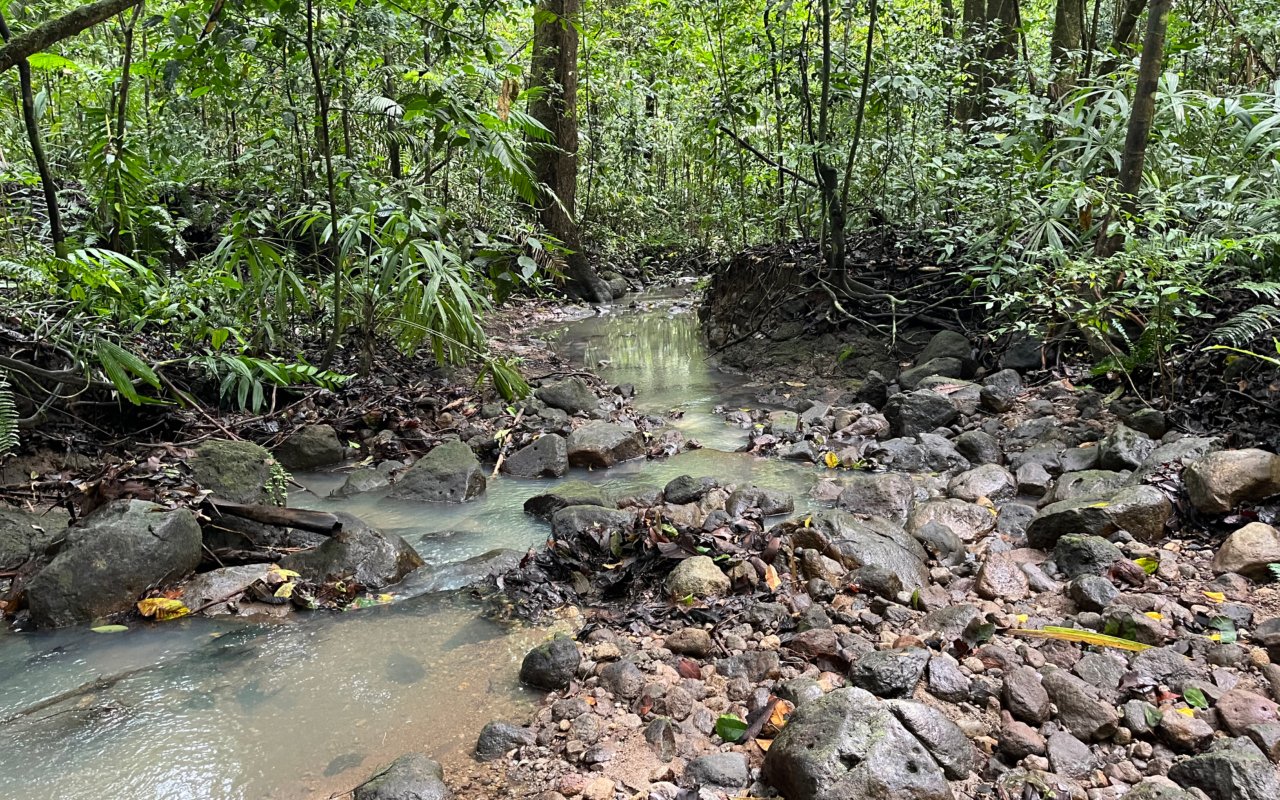
The Camino de las Cruces was one of the historic routes of the Isthmus of Panama, linking the Caribbean Sea to the Pacific Ocean in colonial times. The Camino de las Cruces was one of the Spanish Empire’s most strategic routes in America, linking Panama Viejo (on the Pacific coast) to the small river port of Venta de Cruces, on the Río Chagres. From here, goods continued their journey by barge to the mouth of the river on the Caribbean Sea, before being transhipped onto the ships of the Indies fleet bound for Spain.
This paved road, built in the 16th century to facilitate the transport of treasures looted from South America, was some 65 kilometers long and cut through the dense jungle of the Panamanian isthmus. The stone-paved sections, still visible today in the national park that bears its name, bear witness to Spanish colonial engineering and the vital importance of this trade route to the imperial economy. For almost three centuries, mule caravans laden with gold, silver and precious stones from Peru travelled this steep path, escorted by soldiers to protect them from attacks by pirates and privateers who prowled the region. The Camino de las Cruces reached its apogee between the 16th and 17th centuries, before being gradually abandoned in favor of the Camino Real de Portobelo, then losing its function entirely with the construction of the Transpacific Railway in the 19th century and, later, the Panama Canal. Today, hiking this historic trail offers a unique experience where nature has reclaimed its rights: the tropical forest encloses the ancient stones of the royal road, while the cries of howler monkeys replace the clatter of mules’ hooves. This immersive experience provides a concrete understanding of the logistical challenges and geopolitical stakes that have shaped the history of the Panamanian isthmus
The Camino Real de Portobelo, imperial gold and silver route
Shorter but no less important, the Camino Real de Portobelo was the other major commercial artery of the isthmus in colonial times, linking Panama Viejo directly to Portobelo on the Caribbean coast. This route, some 40 kilometers long, gradually became the preferred route of the Spanish empire in the 16th and 17th centuries, particularly after Portobelo was designated as the main port of embarkation for the Indies fleet around 1597, replacing Nombre de Dios deemed too unhealthy.
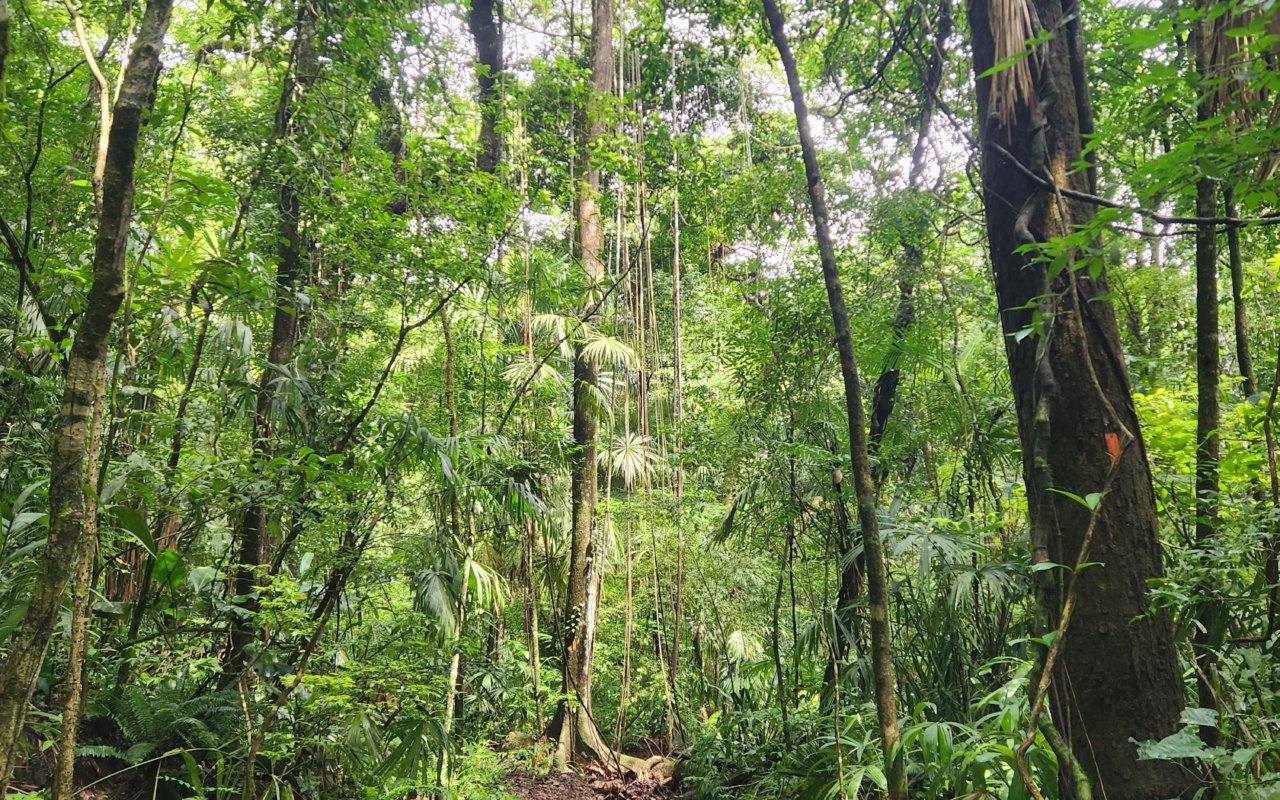
Every year, during the great trade fairs of Portobelo, phenomenal quantities of gold and silver extracted from the mines of Peru and Bolivia passed through this paved road, temporarily transforming this small Caribbean port into one of the richest and most coveted places in the New World.
The strategic importance of the Camino Real explains the imposing fortifications built at Portobelo, some of which still stand today and are listed as a UNESCO World Heritage Site. These defenses were designed to protect convoys from the repeated assaults of English, French and Dutch pirates and privateers, attracted by the fabulous riches passing through. The route itself was dotted with guard posts, ventas (inns) and checkpoints, creating a sophisticated logistical system around this vital trade corridor. Although the Camino Real gradually lost its role with the decline of Portobelo in the 18th century and changes in trade routes, its remains remain a fascinating testimony to the era when Panama was literally the land bridge of the Spanish empire, through which the wealth that fuelled the European economy and financed wars and colonial expansion passed.
Terra Panama’s experience in the field
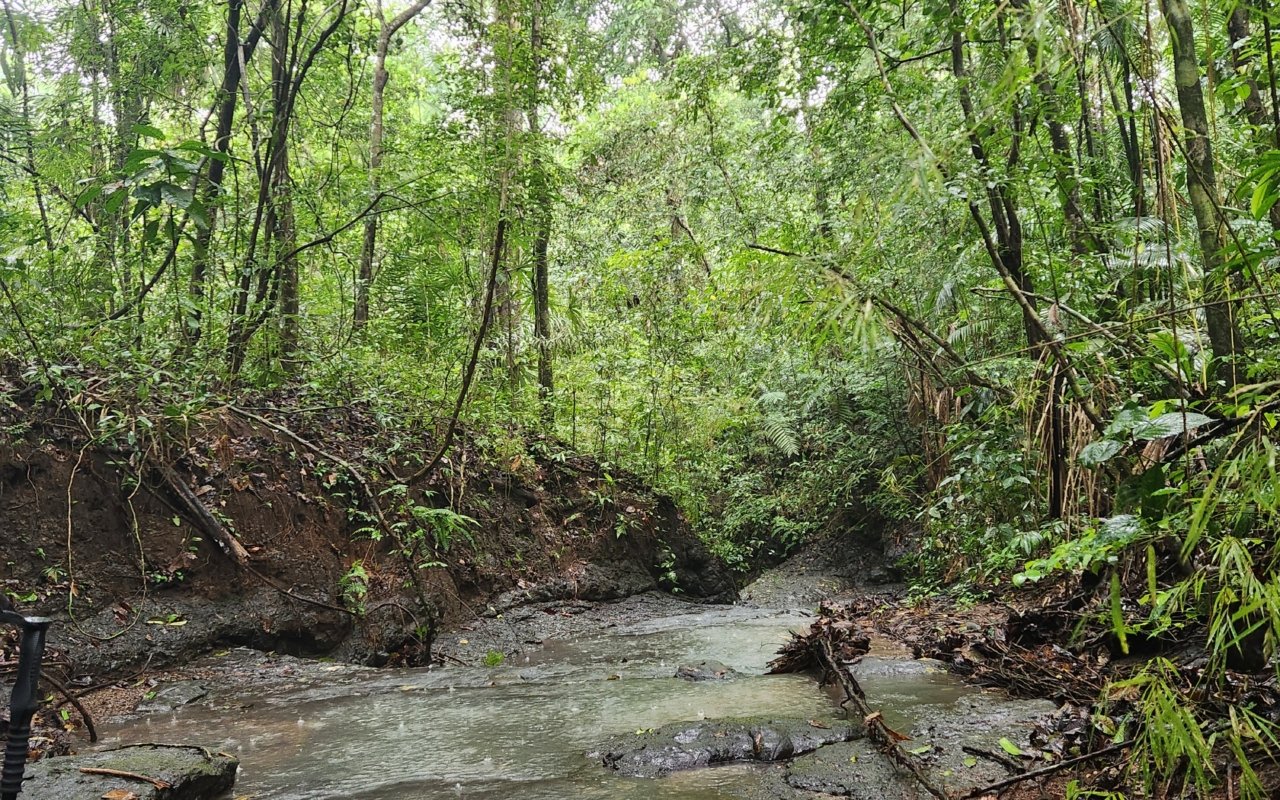
With the help of a guide specialized in jungle hiking, we set off to tackle the 11-kilometer Camino de las Cruces, linking Panama City to the Rio Chagres. Today’s departure point is the Parc Soberania, one of the large, unspoilt national parks surrounding the capital.The trail is unmarked, so you have to follow the ancient tracks left by the thousands of mules that have shaped a small path over time. The vast majority of the walk is on the bed of the small river, andconditions are difficult, especially in the rain!But the history is so fascinating that we forget all about the beasts and thorny trees that clutter our route. The two royal roads were built and operated by black slaves in inhospitable conditions. The road we’re following was used for over 300 years in the 16th, 17th and 18th centuries, and served as a bridge between Latin American and European civilizations, particularly the Spaniards of the time , notably for transporting gold and silver.
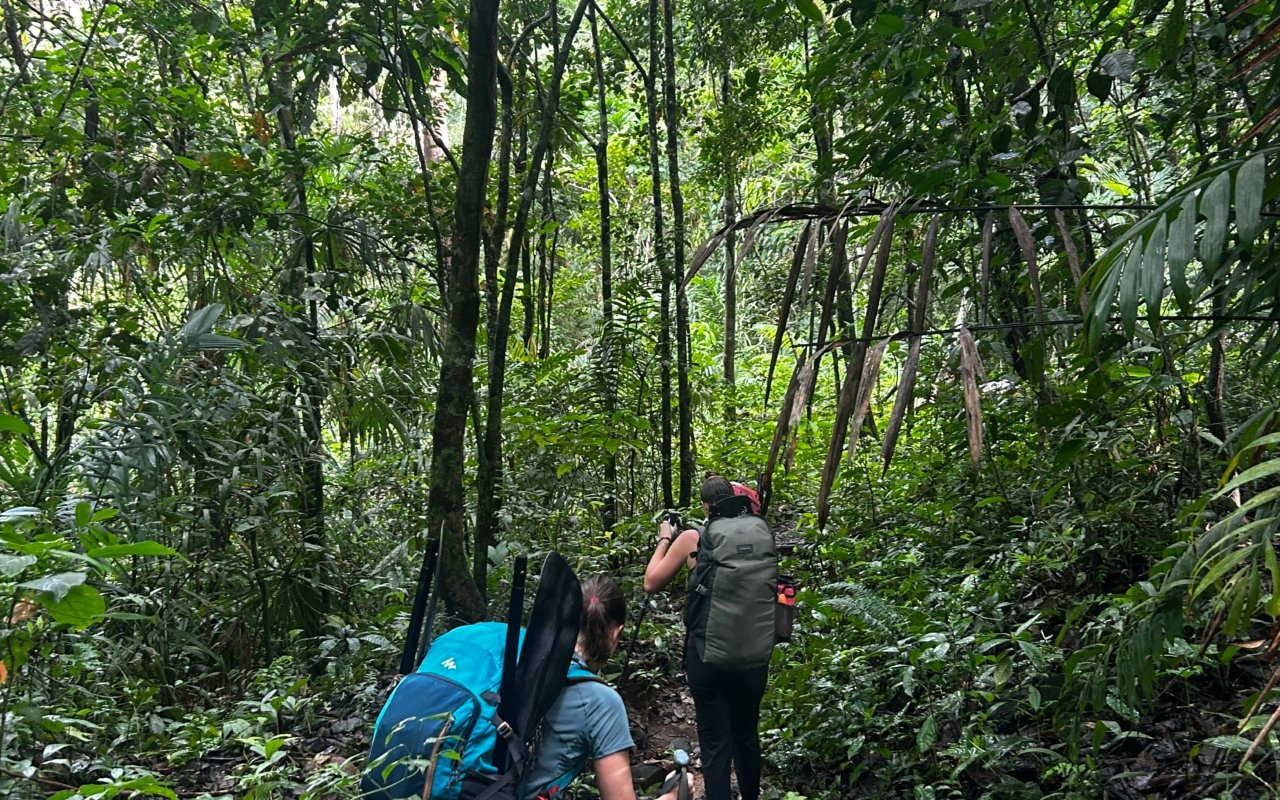
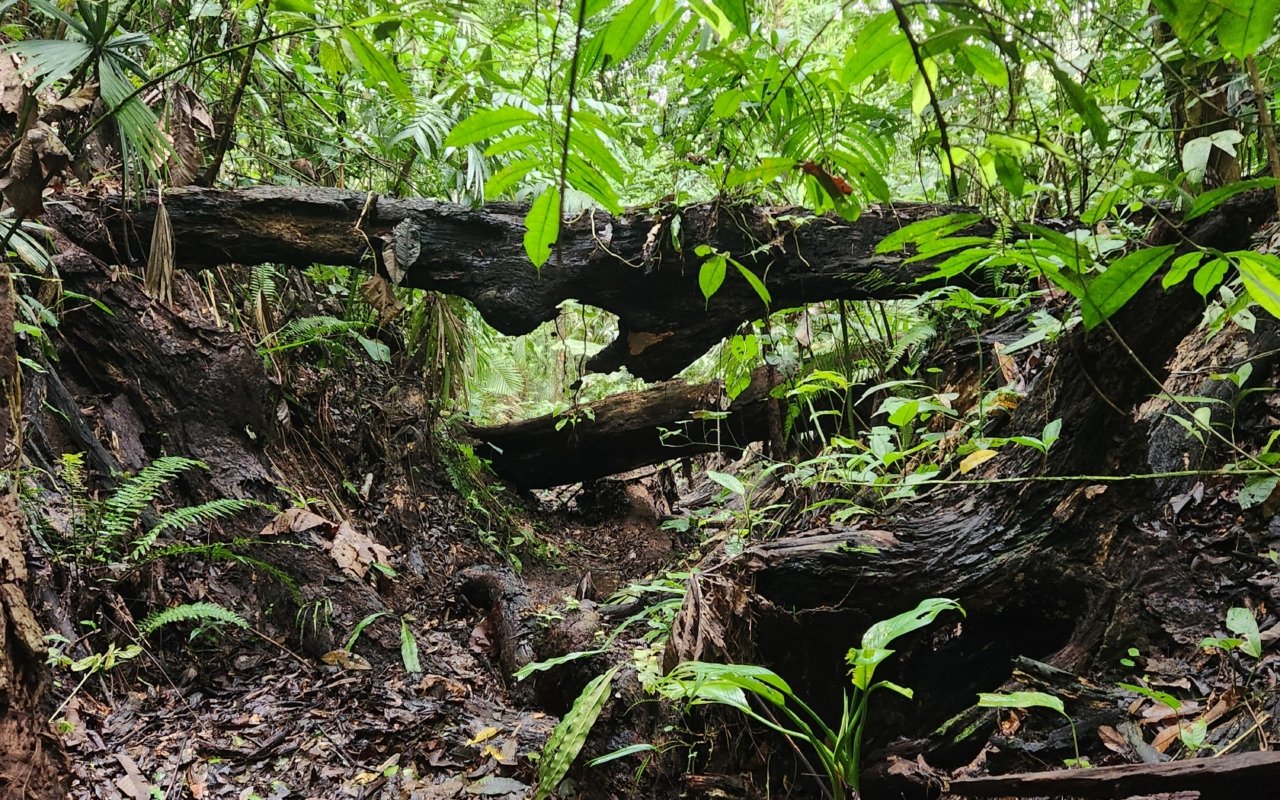
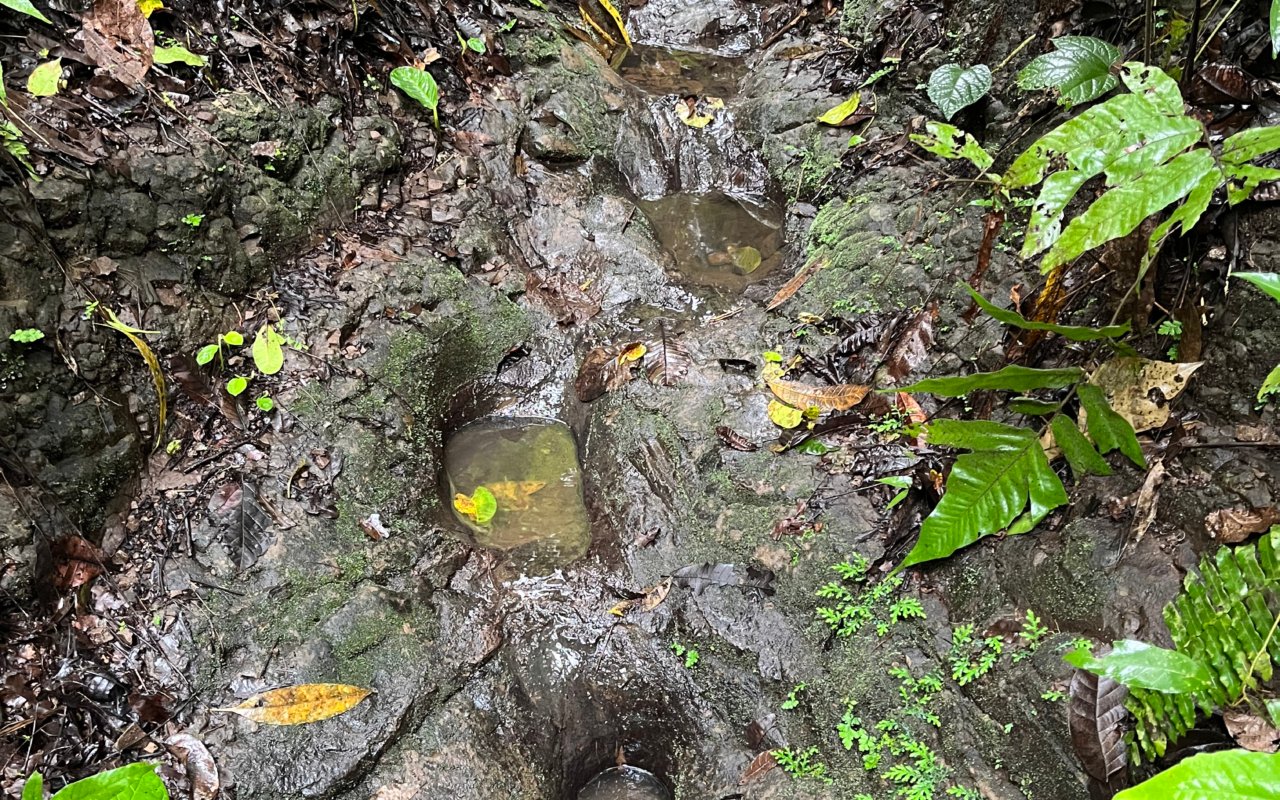
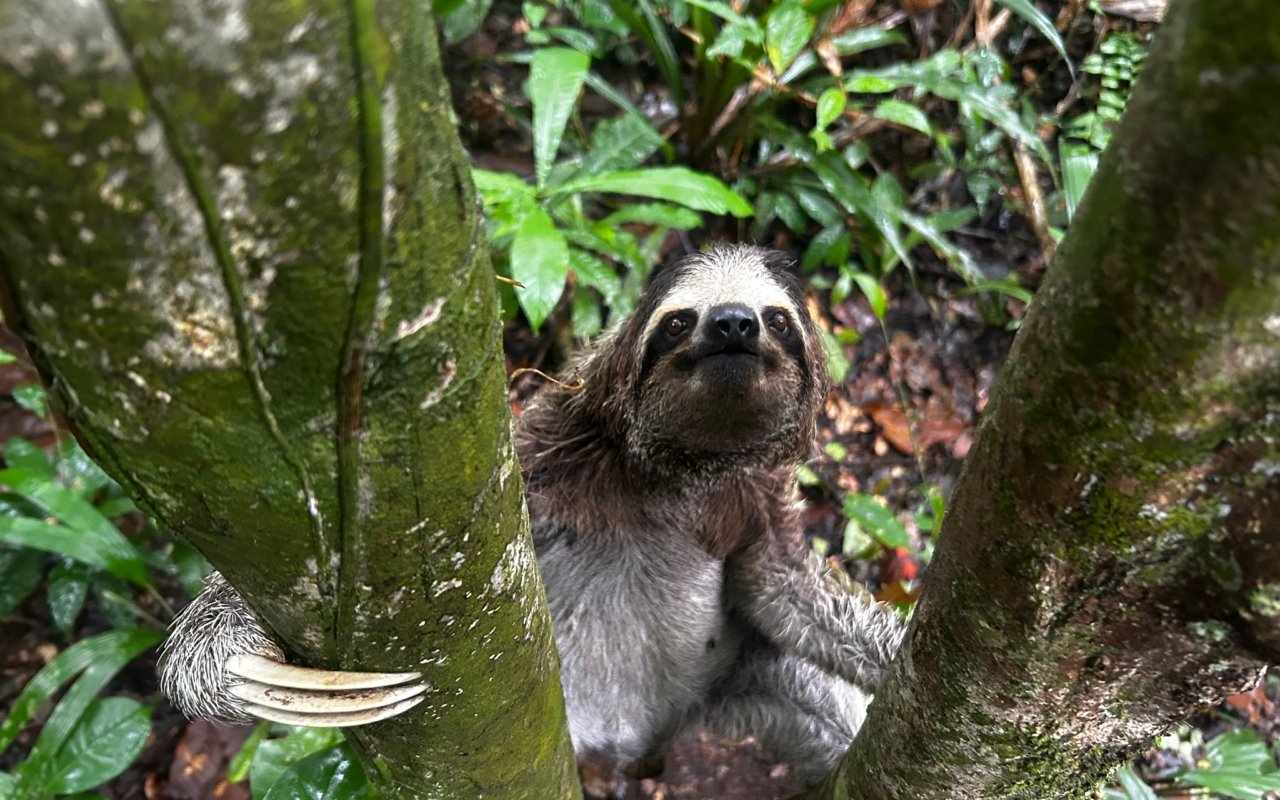
The jungle trek is challenging, and we soon run out of water. We have to filter the river water to continue our journey. We come across howler monkeys, wild boars, birds and frogs of all colors, as well as a magnificent sloth. The jungle offers us total immersion in nature, with its sounds, smells, surprising discoveries and liveliness. When we reach the end of the road, at Venta de Cruces, at the mouth of the Rio Chagres, the guide shows us, half-buried under the earth, the remains of an ancient church. Indeed, while waiting for a boat, people sometimes had to wait a long time on the banks, and a little life was organized. Once on board, the gold and silver were shipped to the Fort of San Lorenzo and then on to Spain. Covetousness attracted many pirates to the region.
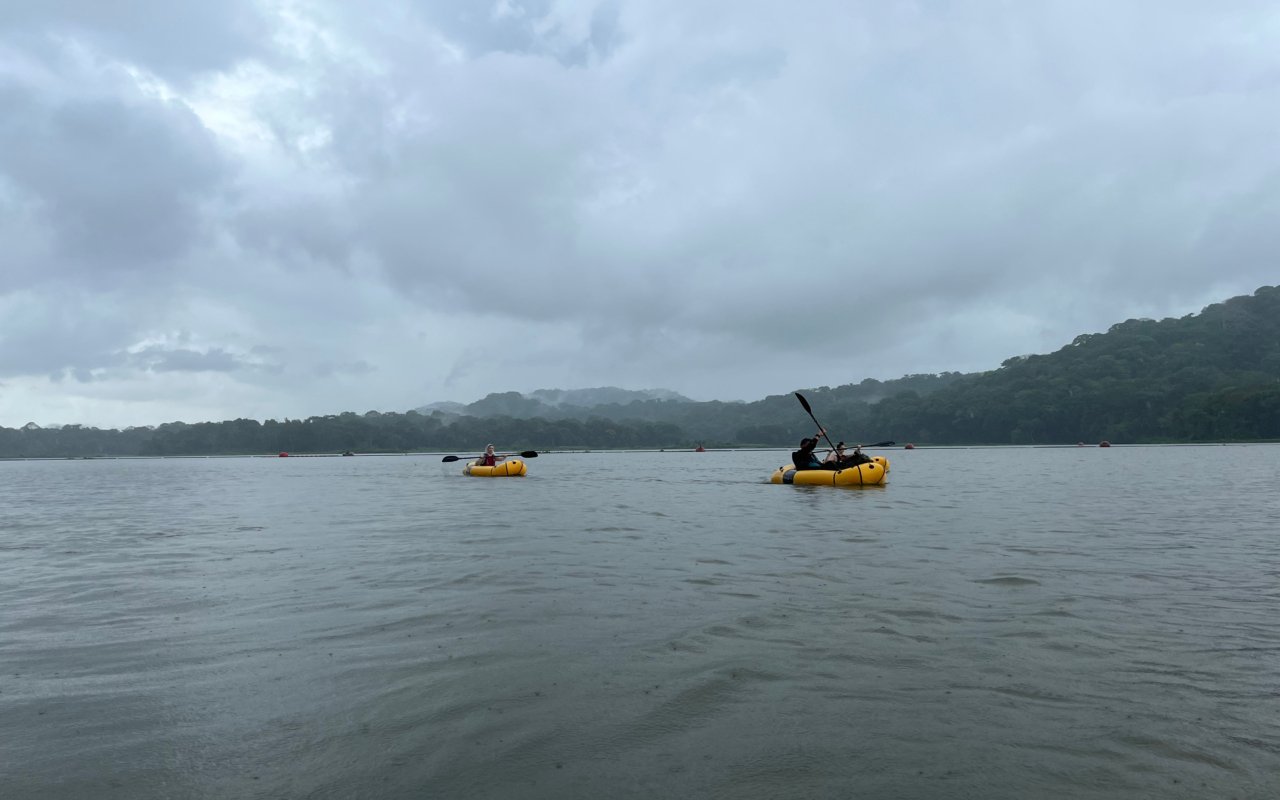
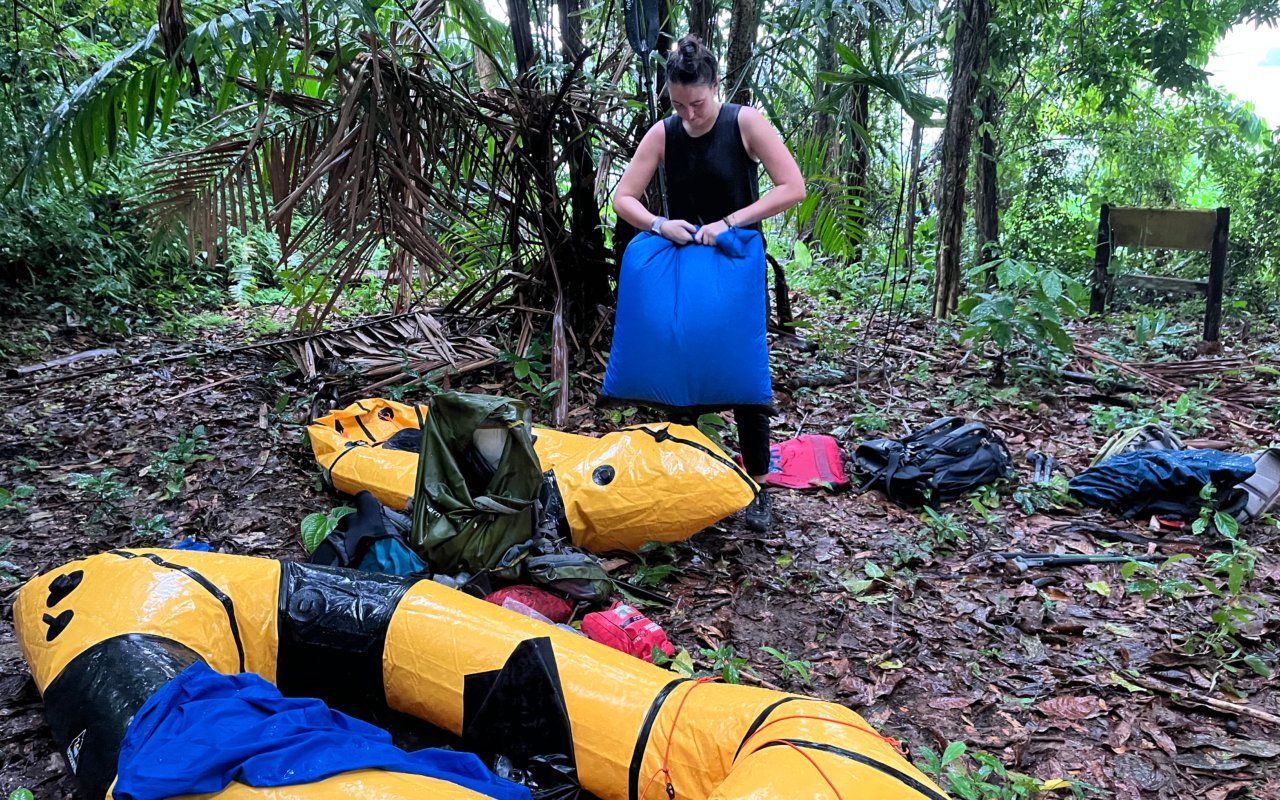
For our part, we inflated our packraft and sailed from Venta de Cruces to Gamboa. Other landscapes opened up before us: the Rio and its mist, the water lilies, the birds… In the distance, we could see the ships transiting the Panama Canal. Here, history meets the present. The gold route has been replaced by this long canal, which also has its own history, its not-so-glorious past, and its rivalries. The gold trade has been replaced by trade in all kinds of goods, but the quest is the same: to connect the two oceans.
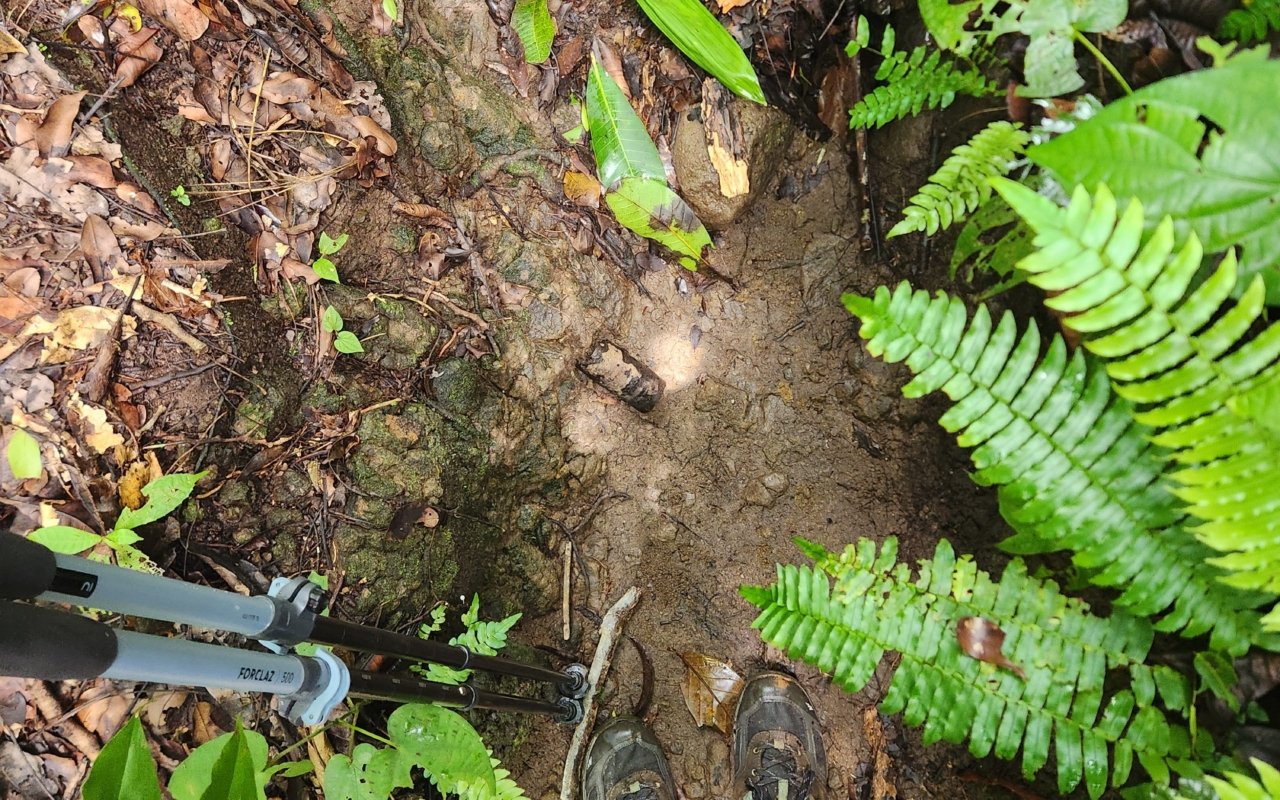
The Camino de la Cruces lost its usefulness with constant pirate attacks and the destruction of Portobelo in 1739. With the construction of the Panama Railroad in 1855, the Camino Real de Cruces was gradually abandoned.