Welcome to the Azuero peninsula, considered the heart of Panamanian traditions. Panamanians call it Corazón de Panamá. This name is not insignificant: the region was the first to be occupied by human populations some 10,000 years ago, long before the arrival of the Spanish colonizers. It is from this land that the original Panama radiates, that of the colonial era and rural traditions. In the provinces of Herrera and Los Santos, popular festivals, dances, masks and polleras are part of everyday life. Between villages, handicrafts, popular festivals and unspoilt coastlines, Azuero reveals another, more intimate facet of the country.
Herrera: history and craftsmanship.
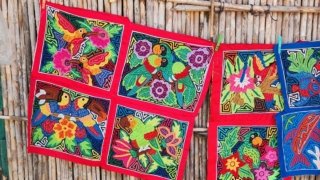
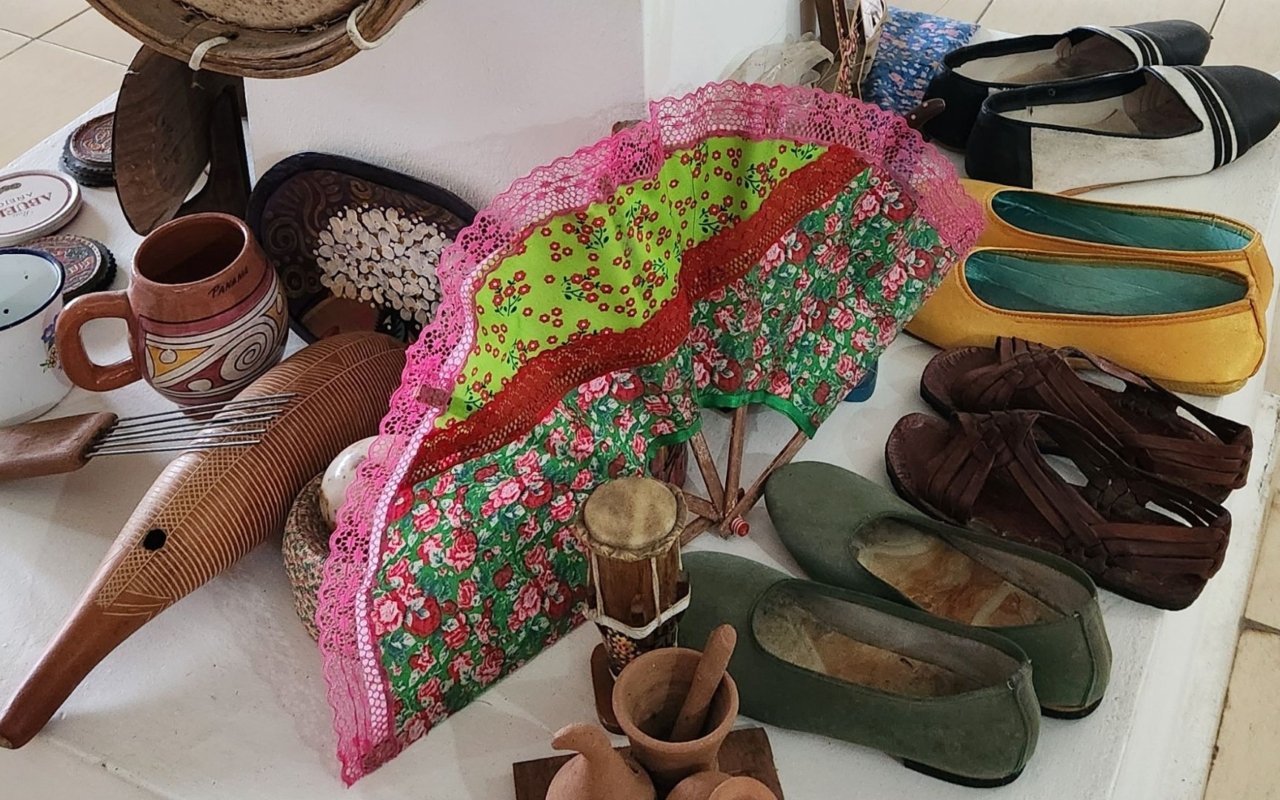
The Azuero peninsula is often reached via Chitré, about a 3h30 drive from Panama City. This quiet town is not necessarily a place to linger for long, but an interesting stop is the old post office, now transformed into a regional museum (Museo Herrera). Here you can discover the history of the peninsula through everyday objects, instruments, photos and many other items linked to local traditions. Before arriving in Chitré, a possible detour leads to Sarigua National Park. The only desert area in Panama, it extends over 80 square km, with a singular, almost lunar landscape that contrasts sharply with the green hills of the region. The area was once a tropical rainforest that gradually dried up as a result of climate change and pre-Columbian deforestation. Archaeological remains dating back 11,000 years have been discovered here, testifying to very early human occupation. Continuing southwards, we pass through the village of La Arena, long known for its pottery workshops. Craftsmen sell their work by the roadside, and it’s very easy to stop, look and buy directly on the spot. The ceramic techniques used here are inherited from pre-Columbian traditions. But La Arena is also famous for its traditional bread, called el pan de La Arena. A slightly sweet bread baked over a wood fire, it can be found in the village’s bakeries. Then, around a bend in the road, Parita. A small village of colonial architecture, it is home to the Santo Domingo de Guzmán church, built in the 18th century. The interior is surprisingly rich in gilded altars, preserved with great care. We often enter for just a few minutes, and stay longer than expected, in the cool calm of the building.
Los Santos: land of tradition.
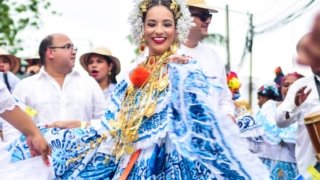
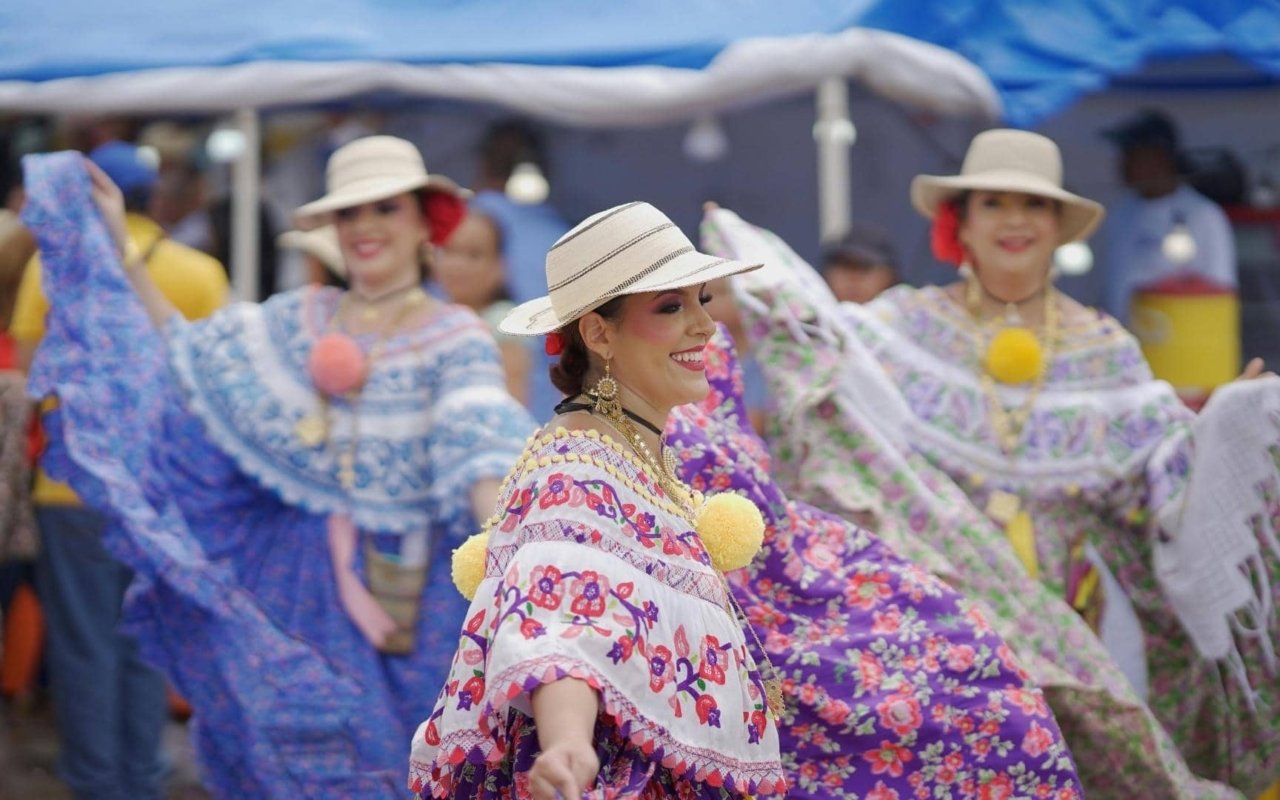
Continuing south, we leave the province of Herrera and enter that of Los Santos. Here, celebration is not just a time of year, it’s a way of life. Music, dance, costumes and stories are still passed on in the streets, around squares and open houses. In Las Tablas, carnival is a story that everyone can tell, even out of season. Locals still talk about the friendly rivalries between Calle Arriba and Calle Abajo, which have literally divided the town since 1906, and the marching bands, floats and parades. You don’t need to be here in February to feel the energy. A little earlier, the village of Guararé is well worth a stop, especially if you’re traveling in September. This is where the Fiesta de la Mejorana is held (usually from September 20 to 29), one of the country’s most important folk festivals. For several days, musicians, dancers and locals gather in traditional dress to celebrate rural traditions. The festival has been held since 1949 and is named after the mejorana, a small five-string guitar typical of the region. On the program: songs, drums, cumbia, punto and tamborito dances, float parades, musician competitions and the crowning of the festival queen. At the heart of all these celebrations is the Pollera. This traditional Andalusian garment, adapted to Panama’s tropical climate, is one of the most elaborate handmade costumes in the world. A complete dress requires between 6 months and 2 years of hand-crafting, up to 13 meters of fine fabric, and thousands of embroidery stitches. The cost varies between $1,500 and $15,000, depending on the complexity of the embellishments. There are in fact 8 variations of pollera, depending on the occasion and the budget. The embroidery follows codified patterns handed down from generation to generation: flowers, birds, geometric motifs. Women complete the outfit with tembleques, hair ornaments made of pearls and metal wire that “tremble” with the movement of the dance. In 2022, UNESCO inscribed the pollera on the Representative List of the Intangible Cultural Heritage, in recognition of its importance to Panama. When you see it worn at a festival or parade, you understand why it is considered a national treasure. It tells the story of women, families, festivals and the entire territory. At Terra Panama, we work with the local actors of this know-how and can organize visits to workshops to watch craftswomen at work.
Los Santos: a wild coastline and small seaside villages.
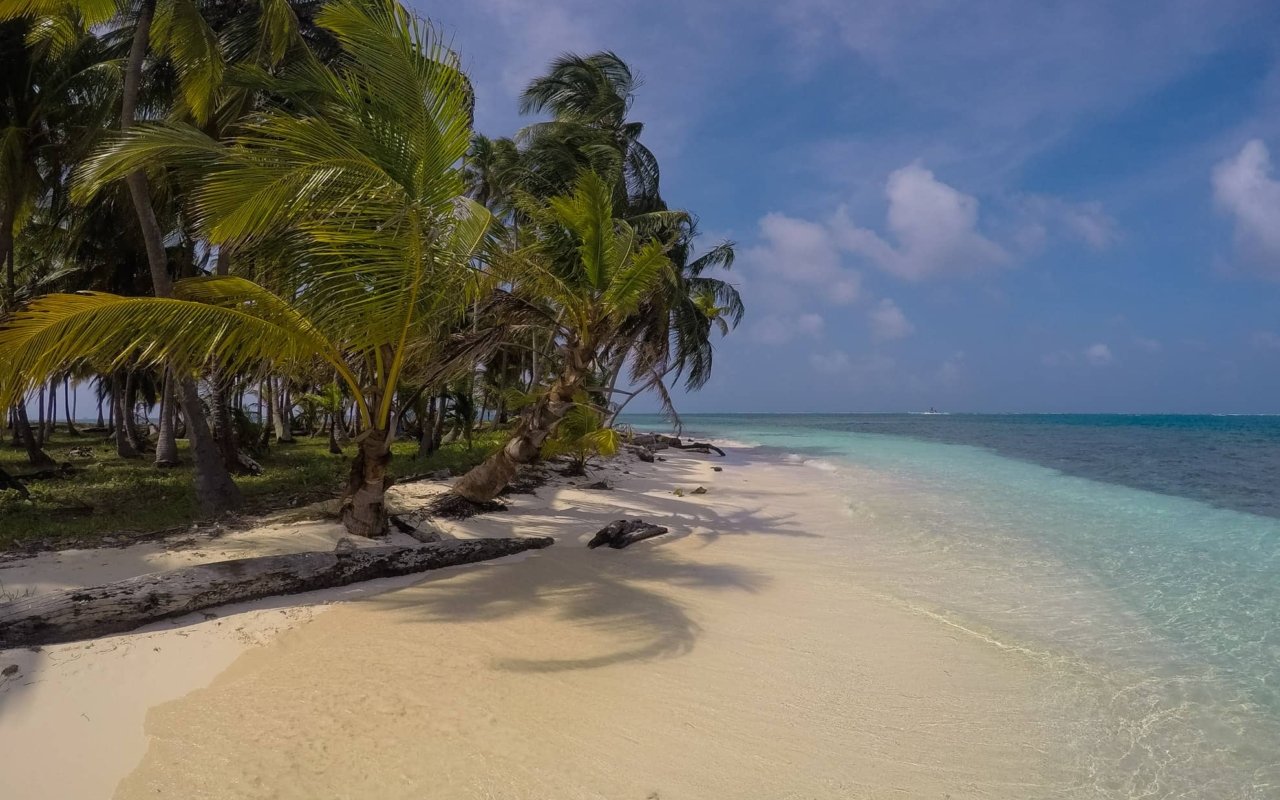
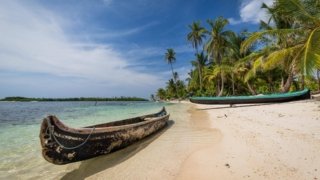
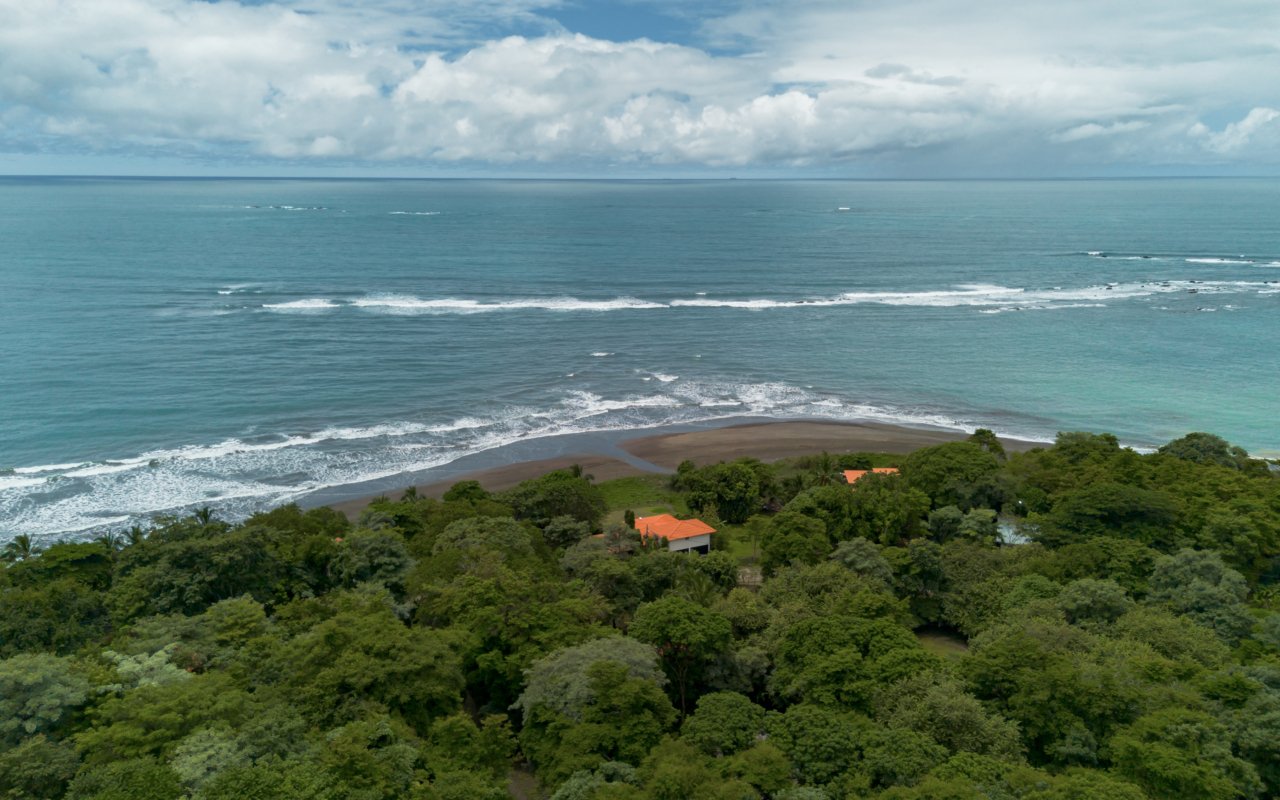
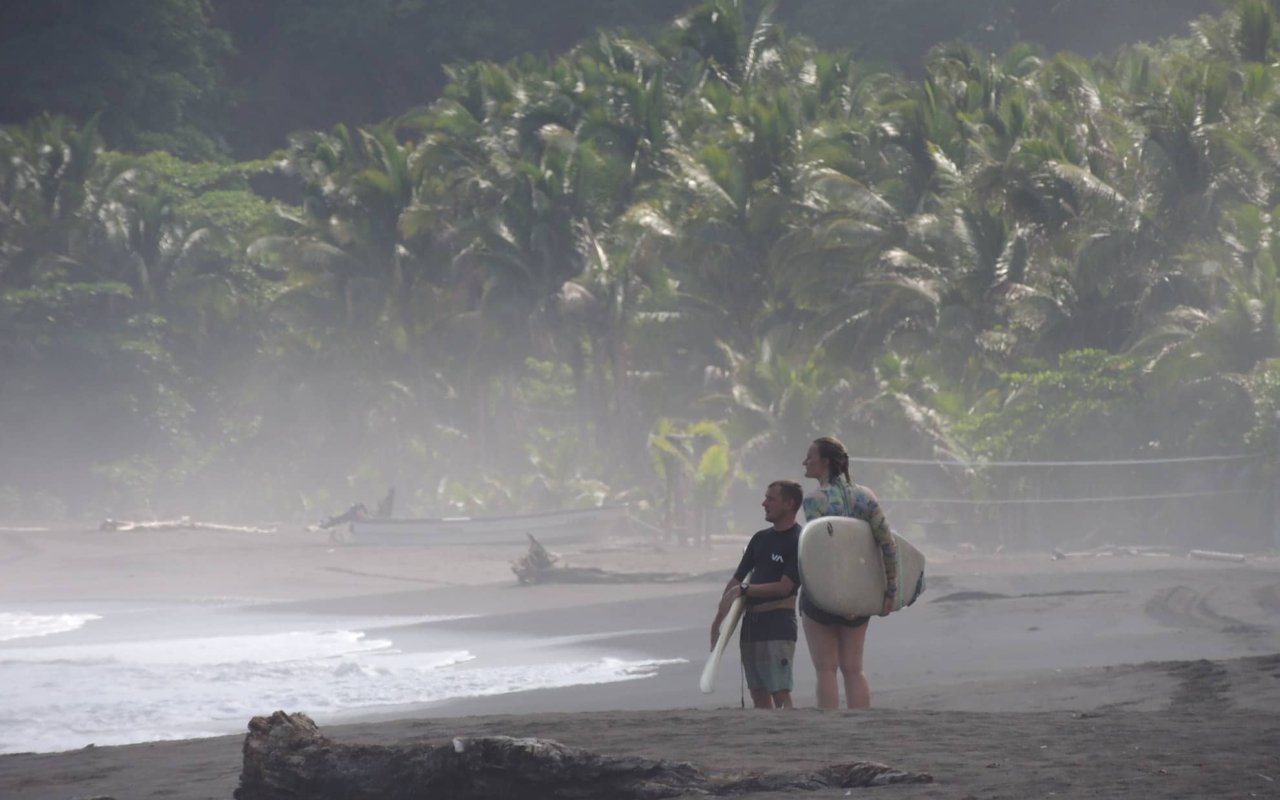
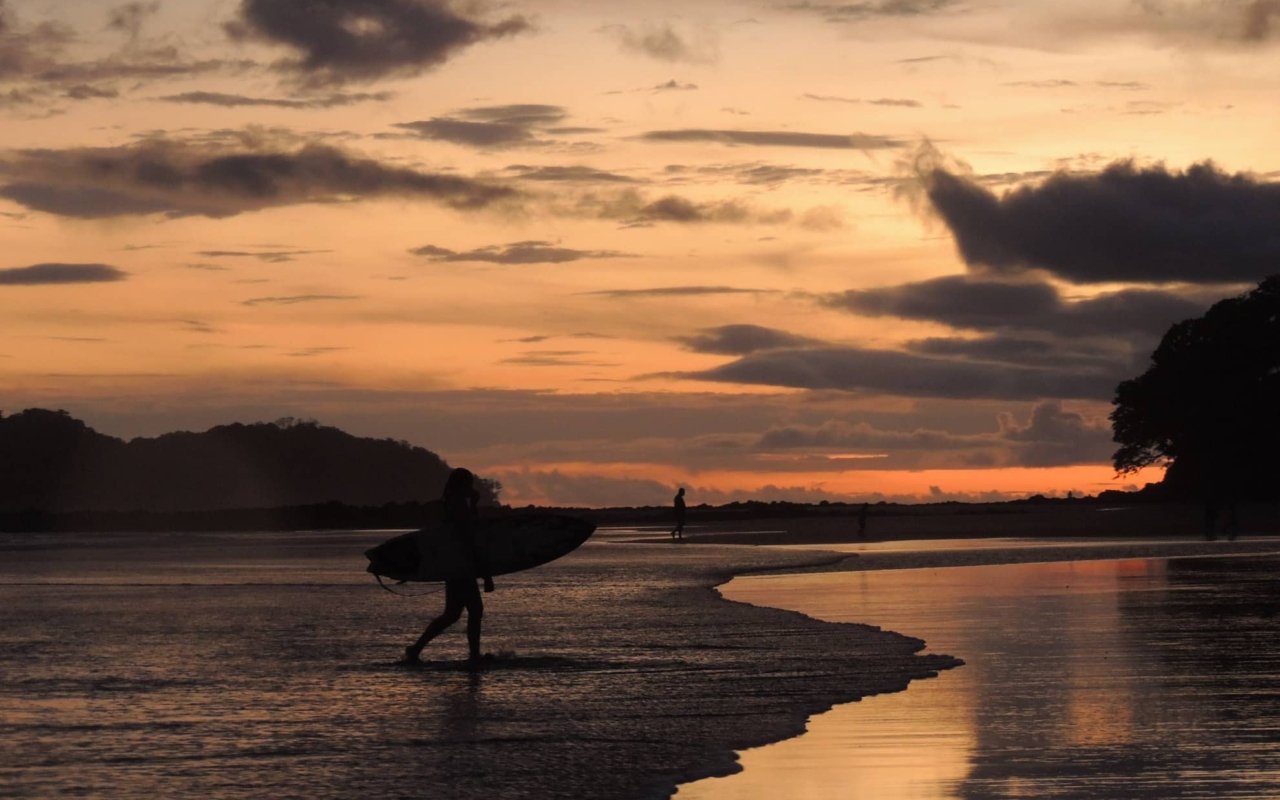
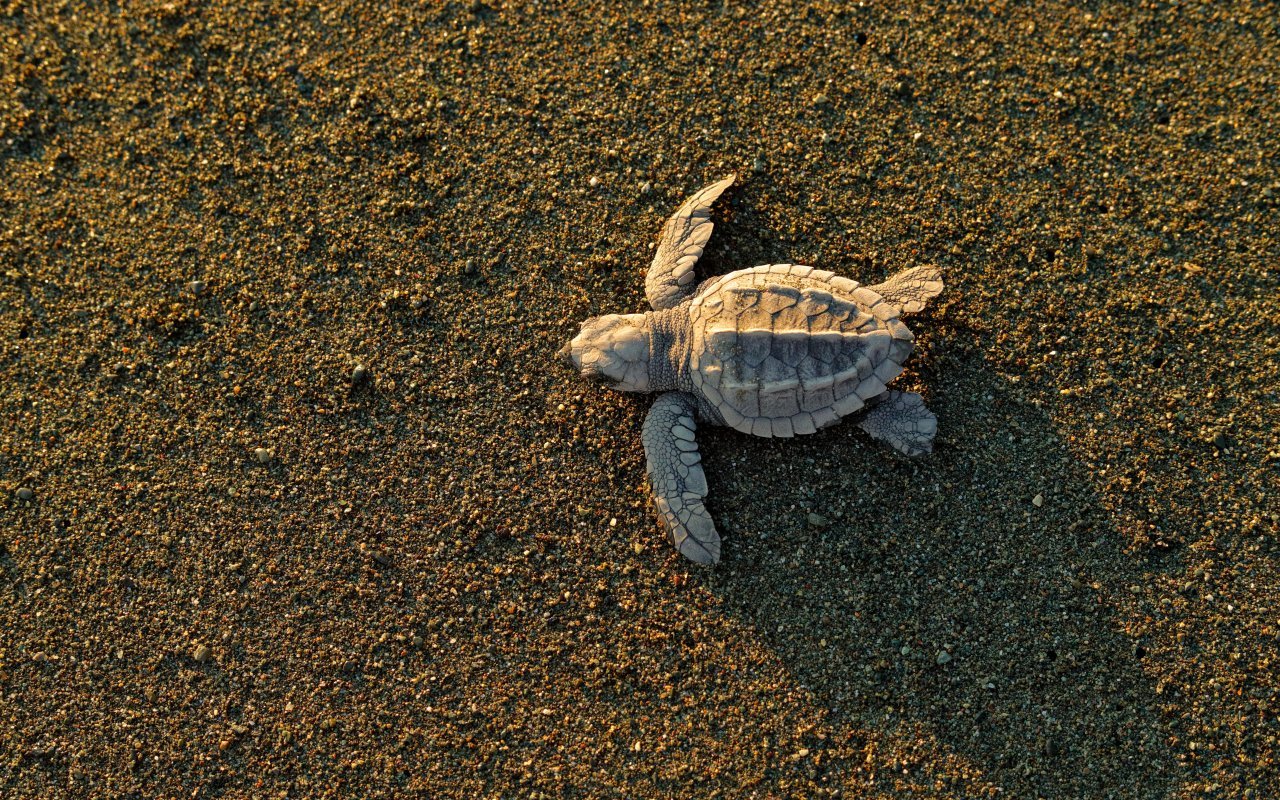
As you descend towards the south of the peninsula, the coast becomes wilder and more open.Pedasí is a small fishing village that has preserved its simple, tranquil atmosphere. It’s also the starting point for Isla Iguana, a nature reserve some 8 km offshore (20-30 minutes by boat from Playa Arenal). Declared a wildlife refuge in 1981, the island protects one of the largest coral reefs in the Gulf of Panama (40 hectares, home to 17 species of coral and over 347 species of fish). It is Panama’s largest frigate nesting area, with thousands of birds present year-round. Boats cost around $70 round trip (fixed price for the boat, to be shared between passengers), plus a $10 entrance fee for foreigners. The island can usually be visited in a full day. In season (April to September), five species of sea turtle come here to lay their eggs. 40 minutes’ drive away, Playa Venao extends into a large bay renowned for surfing and partying. Here, the atmosphere is more lively: cafés, inns, surf schools and parties by the sea. The waves are suitable for all levels, with breaks forming in both directions. Those who prefer a quieter time can explore the nearby beaches, which are often less crowded. Continuing on, the road leads to Cambutal. The village is well worth a visit – allow around 1h30 from Pedasí on a track in poor condition – but the atmosphere changes completely. In season (July to October), it’s also a good place to watch the humpback whales that come to breed in the waters of the Panamanian Pacific, and Isla Cañas is known for its mangroves and for being one of the main sea turtle nesting sites in the Panamanian Pacific. Between July and January, up to five species (Olive Ridley, Pacific Green, Loggerhead, Leatherback and Hawksbill) come to lay their eggs on the 14 kilometers of beaches. Night-time visits are made with local guides, with respect for the animals, to witness this moment without disturbing them. Declared a wildlife refuge in 1994, the island has a few eco-friendly lodgings and remains very wild.
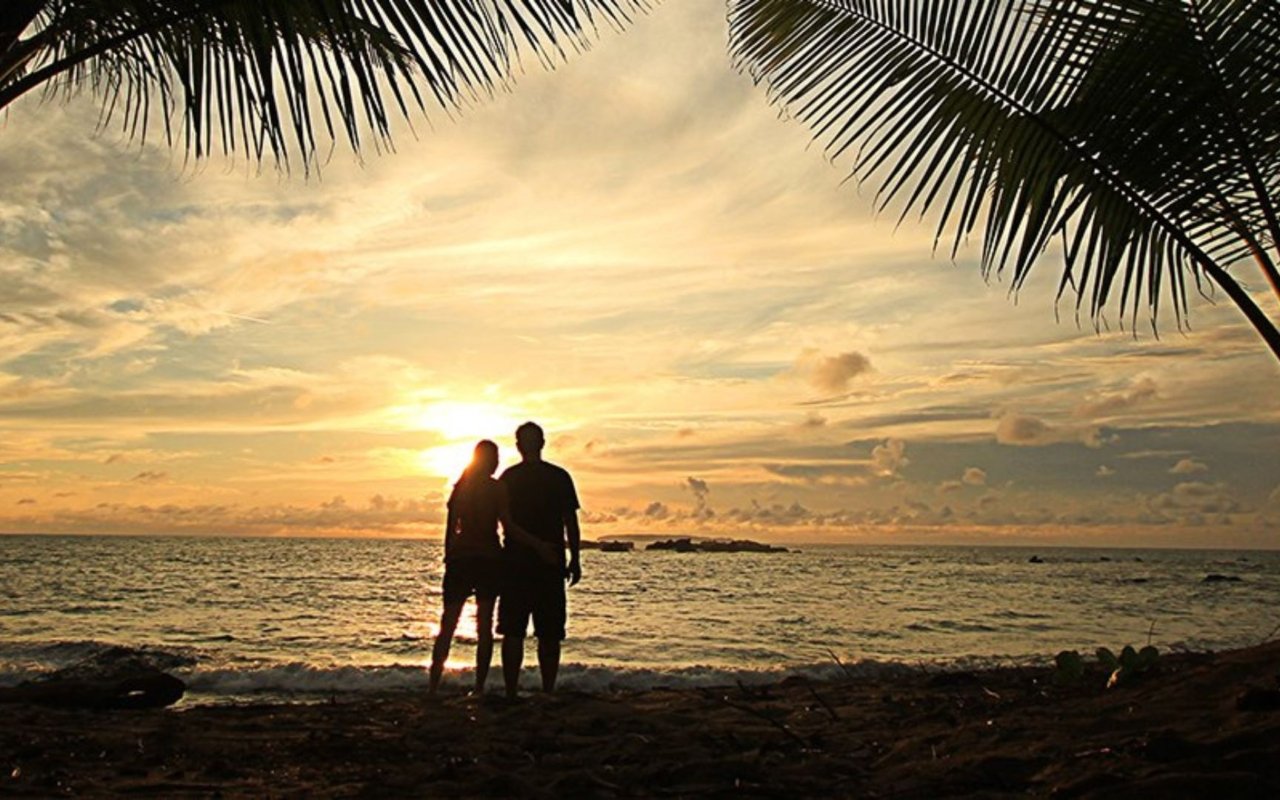
The interior of the Peninsula is an area of little or no development. Azuero is a region that is slowly being discovered. From handicrafts to popular festivals and beaches, you’ll feel a deep-rooted, living culture. Here, tradition and everyday life blend naturally. This is authentic Panama.