Panama identity card
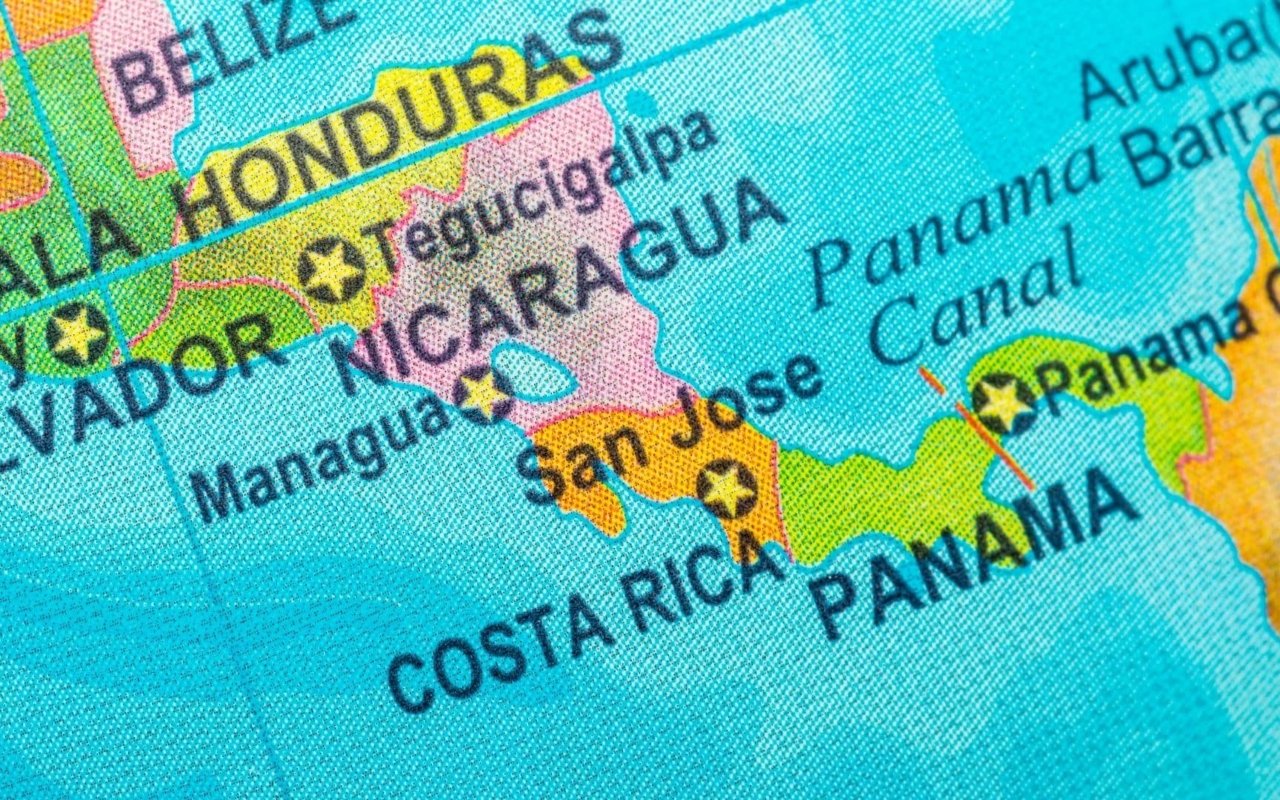
Official name: Republic of PanamaCapital: Panama CiudadArea: 75,517 km²Population: 4.6 million (January 2026)
Ethnic composition
Panama’s population is characterized by great ethnic diversity
- Mestizo (mix of European and Amerindian): 51-65%
- Afro-descendants: 31.7% (concentrated mainly in the provinces of Bocas del Toro and Colón)
- Indigenous peoples: 17.2% (7 main communities: Ngäbe-Buglé, Guna, Emberá, Wounaan, Naso Tjër Di, Bri Bri)
- Whites of European origin: around 10%
- Asian populations: large Chinese community (estimated at 50,000 to 135,000 people)
The main indigenous communities are : Ngäbe (62.3% of the indigenous population), Guna (19%), Emberá (7.5%), Buglé (6.4%), as well as the Wounaan, Naso Tjër Di and Bri Bri.Official language: Spanish. English is widely spoken, especially in tourist and commercial areas. Seven Amerindian languages are also spoken by indigenous communities.Religions: Catholics (63.2%), Protestants (25%), Adventists, Jehovah’s Witnesses, as well as Muslim, Jewish, Buddhist and Hindu communities. The country guarantees freedom of worship.Political system: Democratic republic with a multi-party presidential system. The National Assembly comprises 71 deputies elected by universal suffrage for a 5-year term. The President and Vice-President are elected for a 5-year term and are not immediately eligible for re-election. The country is divided into 10 provinces and 5 comarcas (semi-autonomous indigenous territories).Current President: José Raúl Mulino (since July 1, 2024)Currency: The Balboa (PAB), at a fixed parity with the US dollar. Only the US dollar circulates in banknotes. Balboa centavos and US cents are used interchangeably for coins.Demographic indicators
- Median age: 30.3
- Life expectancy: 77.8 years (75 years for men, 80.7 years for women)
- Population growth rate: 1.2% per year
- Urban population: 70.6% (one of the highest in Central America)
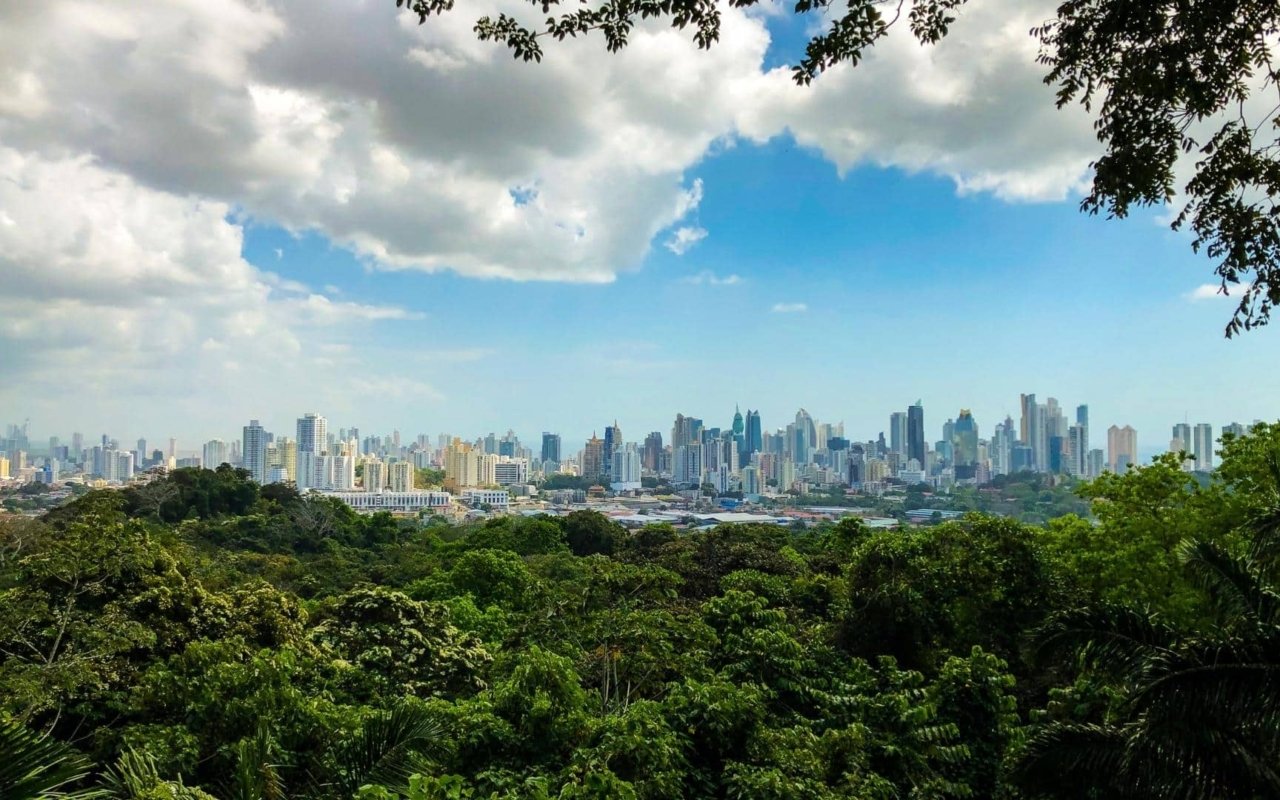
- Over 50% of the population lives in the Panama Ciudad-Colón metropolitan area
History of Panama
Spanish colonial period
1510: Spanish settlement at the mouth of the Río Chagres on the Caribbean coast. Panama becomes the base for the colonization of Peru.September 26, 1513: Discovery of the Pacific Ocean by Vasco Núñez de Balboa, the first European to observe the Pacific from the American isthmus. He named this sea the “South Sea”. It was Fernand de Magellan who named it “Pacific” in 1520.1516: Foundation of Panama Ciudad. The city becomes an essential transit point for Peru’s riches, stimulating its economic development.1739: Panama becomes part of the Viceroyalty of New Granada.1819: After independence, Panama remains part of Great Colombia
The canal era
1855: The California gold rush leads to the construction by the United States of the Colón-Panama transisthmian railroad.1881-1889: Frenchman Ferdinand de Lesseps begins construction of the Panama Canal. The project is halted due to a lack of capital and the death of more than 20,000 workers, mainly from tropical diseases.March 8, 1893: Start of the Panama scandal trial. Ferdinand de Lesseps and his associates are accused of corruption. Former minister Baïhaut is sentenced to 5 years in prison, the Lesseps brothers and Gustave Eiffel to one year for breach of trust
Independence
november 3, 1903: Panama secedes from Colombia, supported by the United States, which wishes to control the Canal Zone.November 18, 1903: Proclamation of independence and establishment of the Republic. Panama grants the United States perpetual use of a 16 km-wide zone across the isthmus for the construction and operation of the canal.June 7, 1914: The American cargo ship “Alliance” is the first vessel to cross the canal.October 10, 1914: Official inauguration of the Panama Canal
The 20th century
1959, 1964, 1966: Nationalist movements against American control of the Canal Zone.1977: Signing of the Carter-Torrijos agreements, abrogating the 1903 treaty and providing for the return of the Canal to Panama on December 31, 1999.1987-1989: General Manuel Noriega, former CIA agent turned dictator, deposes the elected president. In December 1989, an American military intervention dubbed “Operation Just Cause”. Noriega is captured and imprisoned in the USA.1997: The Panamanian army is abolished and replaced by a civilian police force.1999: Mireya Moscoso is elected Panama’s first woman president.December 31, 1999: The Panama Canal is returned. The Panama Canal Authority (ACP) takes full control of the infrastructure. The last American soldiers leave the country
The 21st century
2004: Election of Martín Torrijos (son of Omar Torrijos) to the presidency.October 22, 2006: In a referendum, Panamanians approve an ambitious project to expand the canal to accommodate larger vessels.2007-2016: Expansion work on the canal, with construction of a third set of locks.
june 26, 2016: Inauguration of the enlarged canal, allowing the passage of “New Panamax” ships.2024: José Raúl Mulino elected president (taking office on July 1, 2024).2025-2026: The Mulino government faces major social protests over the reform of the social security system and its policy deemed too close to the United States. Tensions emerge following US President Donald Trump’s statements on the Panama Canal.
Geography of Panama
Territory
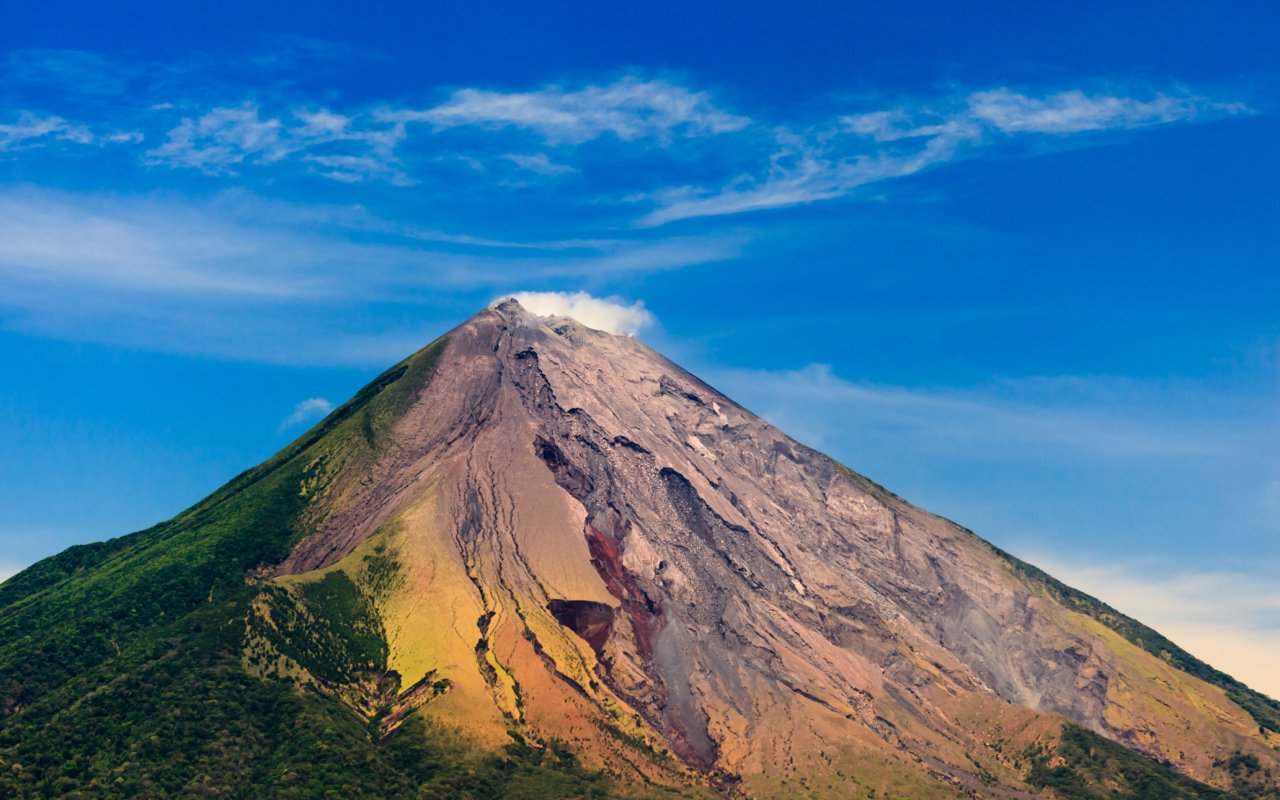
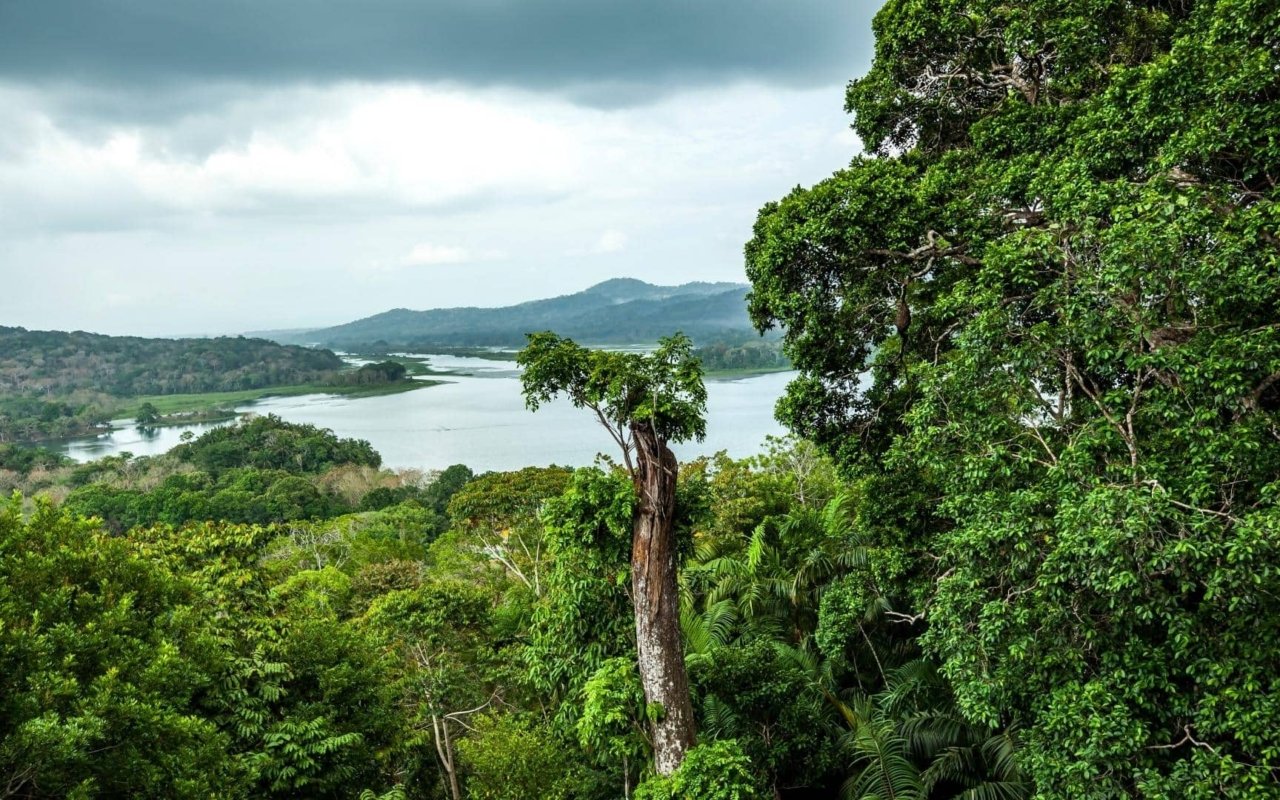
Panama is a narrow strip of land in southern Central America, forming a natural bridge between North and South America. Its geography is characterized by mountainous terrain in the center, with low-lying land on the coasts. 87% of the land lies at altitudes below 700 meters.Highest point: The Barú volcano rises to 3,475 meters in Chiriquí province.Borders
- To the east: Colombia (225 km border)
- West: Costa Rica (330 km border)
- North: Caribbean Sea (1,287 km of coastline)
- South: Pacific Ocean and Gulf of Panama (1,700 km of coastline)
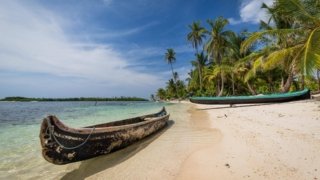
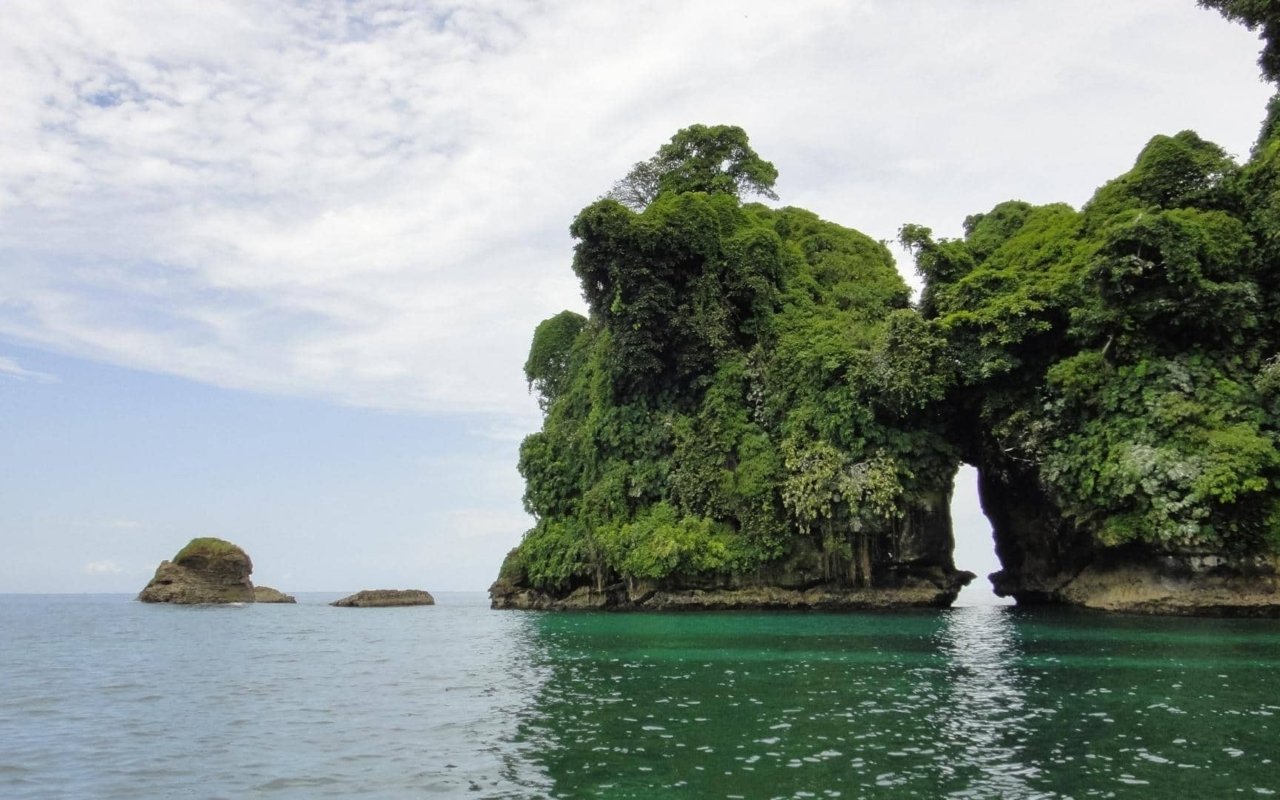
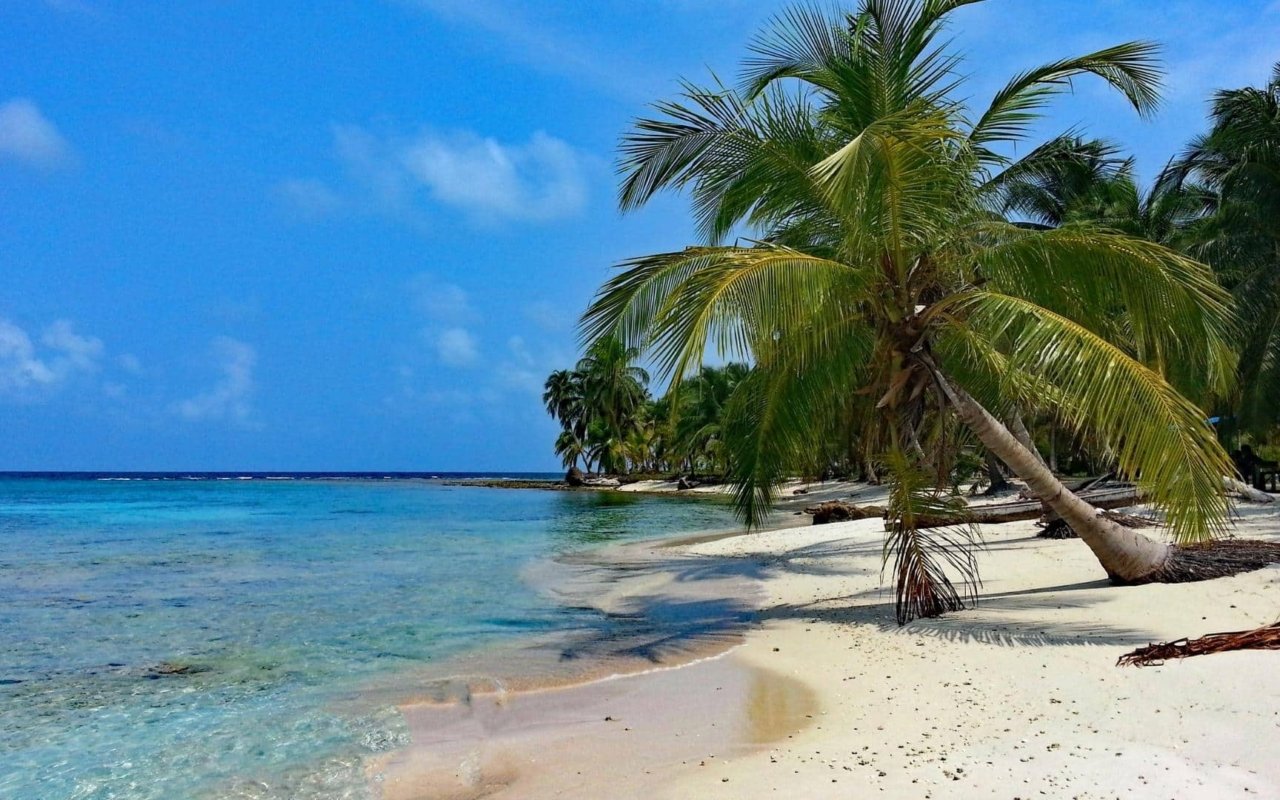
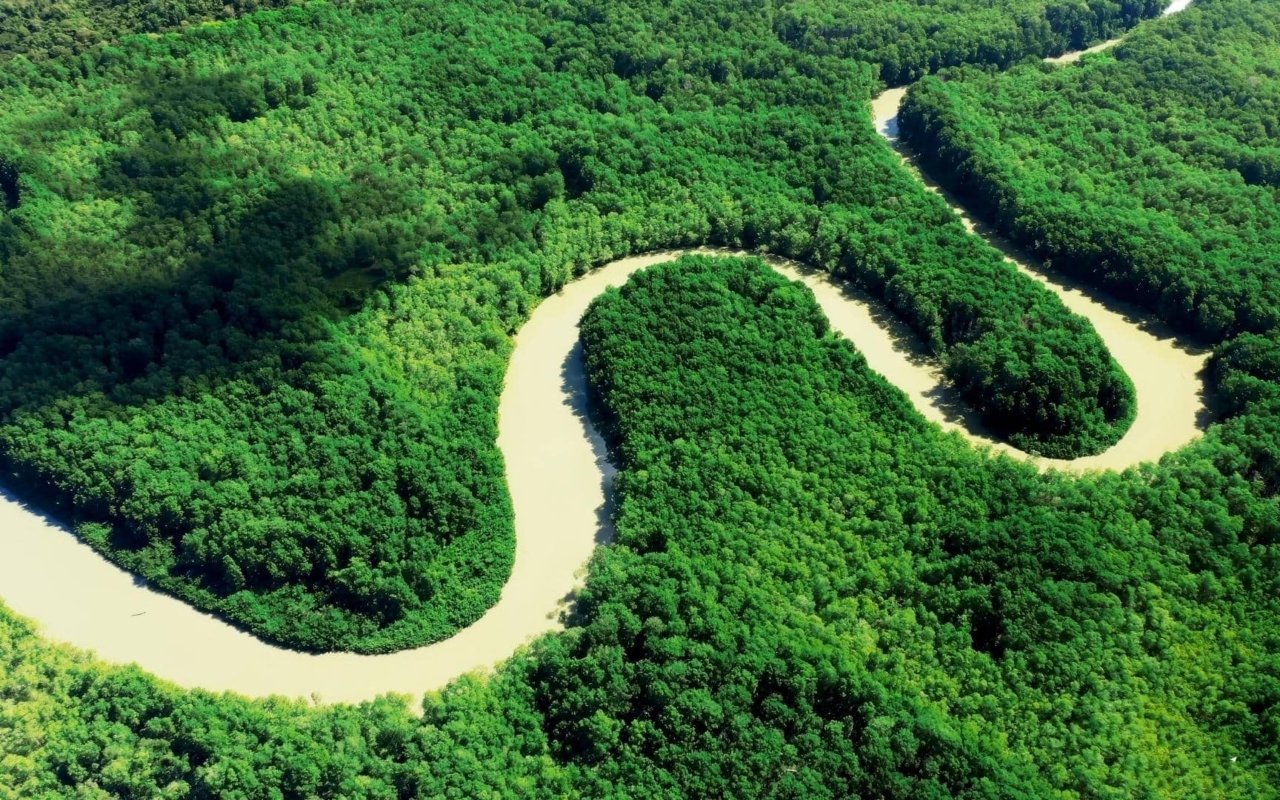
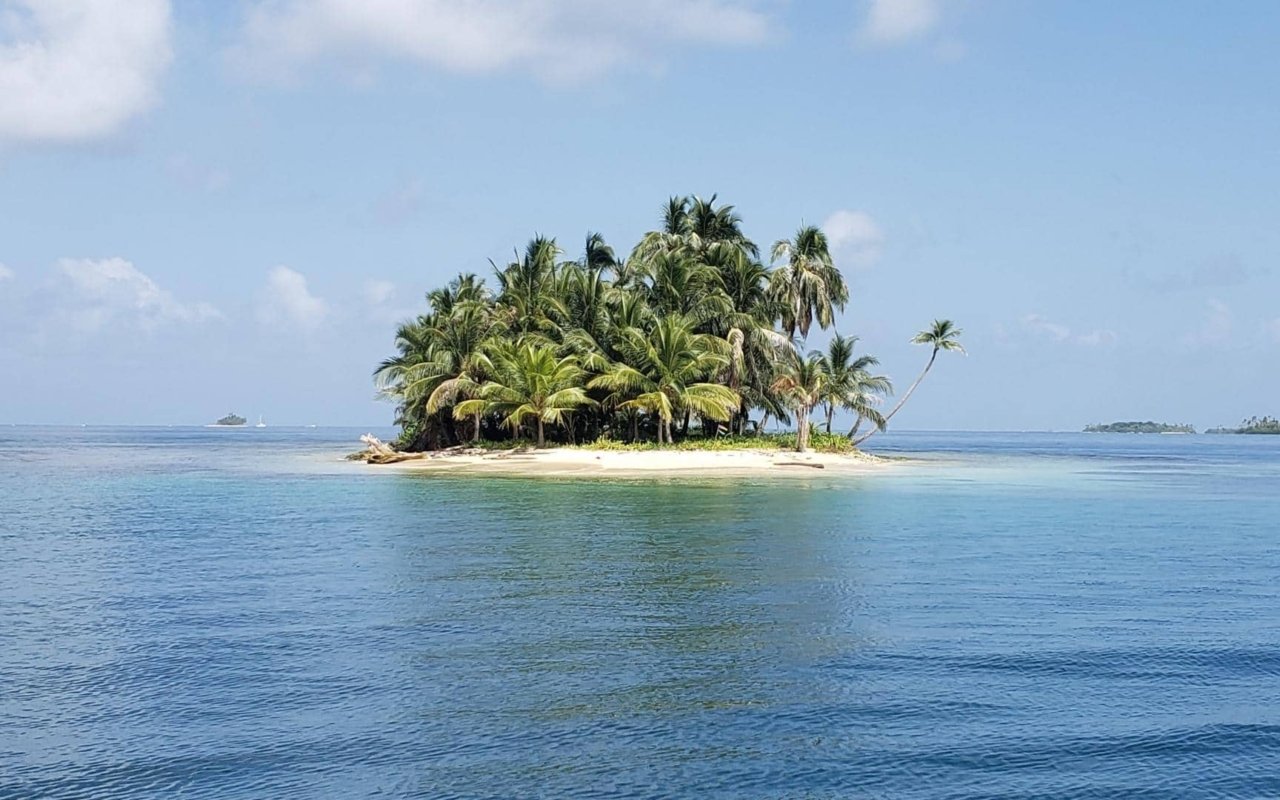
The Talamanca and San Blas mountain ranges run through the territory. The country has 153 rivers on the Atlantic side and 325 on the Pacific, providing excellent natural irrigation.Islands and archipelagos: Hundreds of islands dot the coast, including the archipelagos of San Blas (Guna Yala), Bocas del Toro and the Perlas Islands in the Pacific
Climate
The entire territory enjoys a tropical climate with few seasonal variations. There are two seasons:Dry season (January to mid-April): A period of maximum sunshine, particularly popular with visitors. Temperatures remain warm, but rainfall is rare.Rainy season (mid-April to December): More frequent precipitation, particularly intense on the Caribbean coast and the highlands. The Pacific coast, where most of the population is concentrated, receives slightly less rain.Temperatures
- Lowland and coastal areas: 21-32°C
- Mountain areas (Boquete, Cerro Punta): 10-18°C, offering a temperate climate
Arts and culture
Crafts
Panama’s ethnic richness is reflected in the diversity of its traditional crafts. Each community has its own distinctive know-how
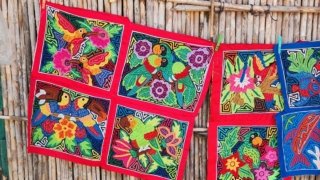
- Molas des Guna: colorful textiles made using an inverted sewing technique, veritable works of art
- Emberá-Wounaan basketry: Baskets woven from natural fibers in intricate geometric patterns
- Wooden masks: traditional sculptures used for festivities
- Ceramics: Pottery inspired by pre-Hispanic traditions
- Panama hats: Although bearing this name, these hats originated in Ecuador but are widely sold in Panama
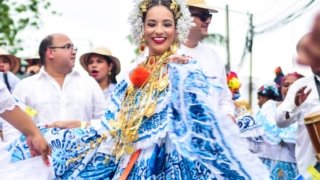
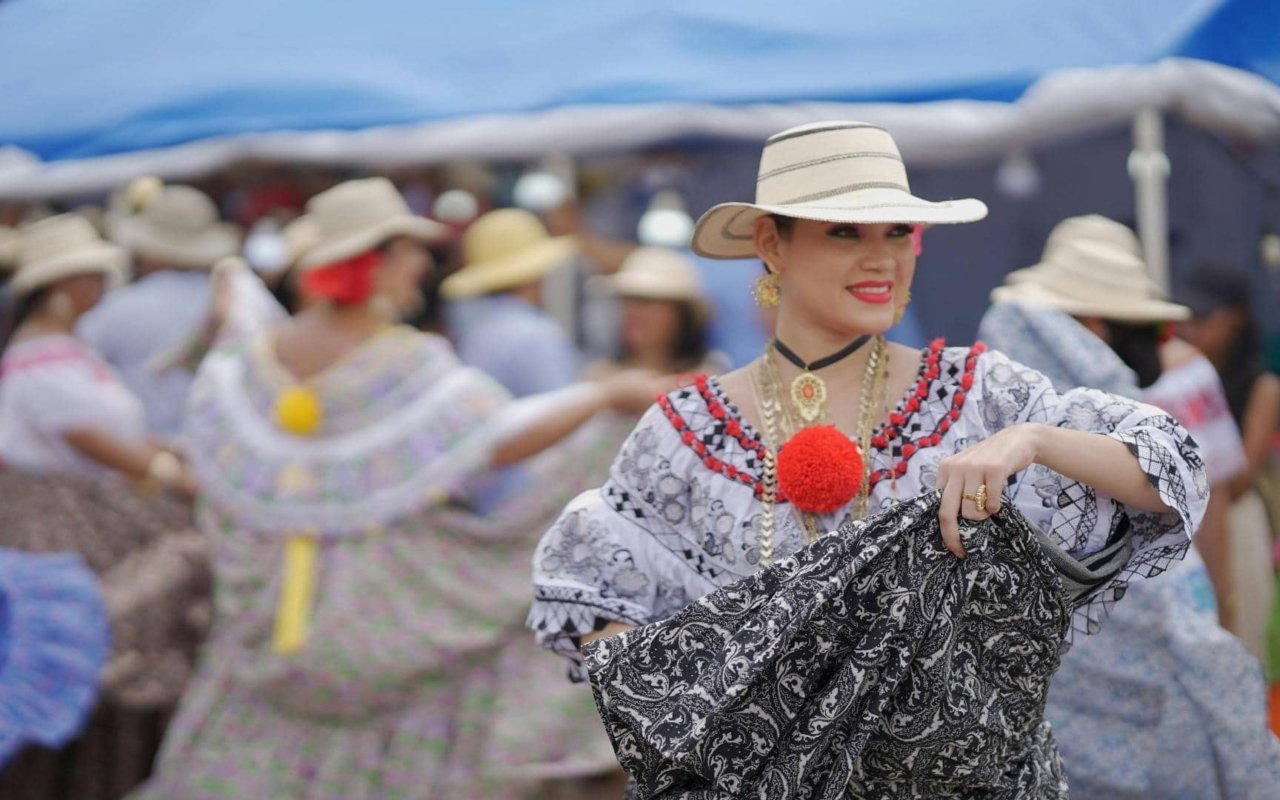
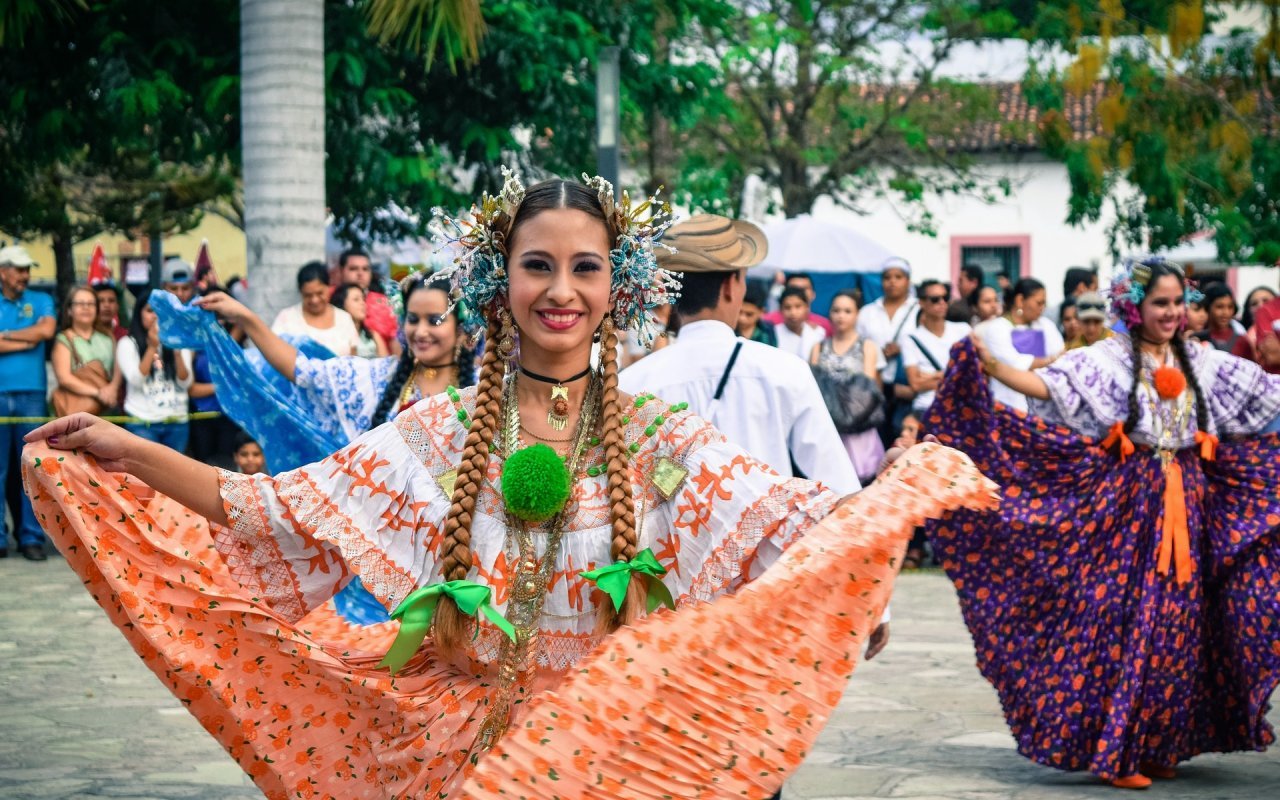
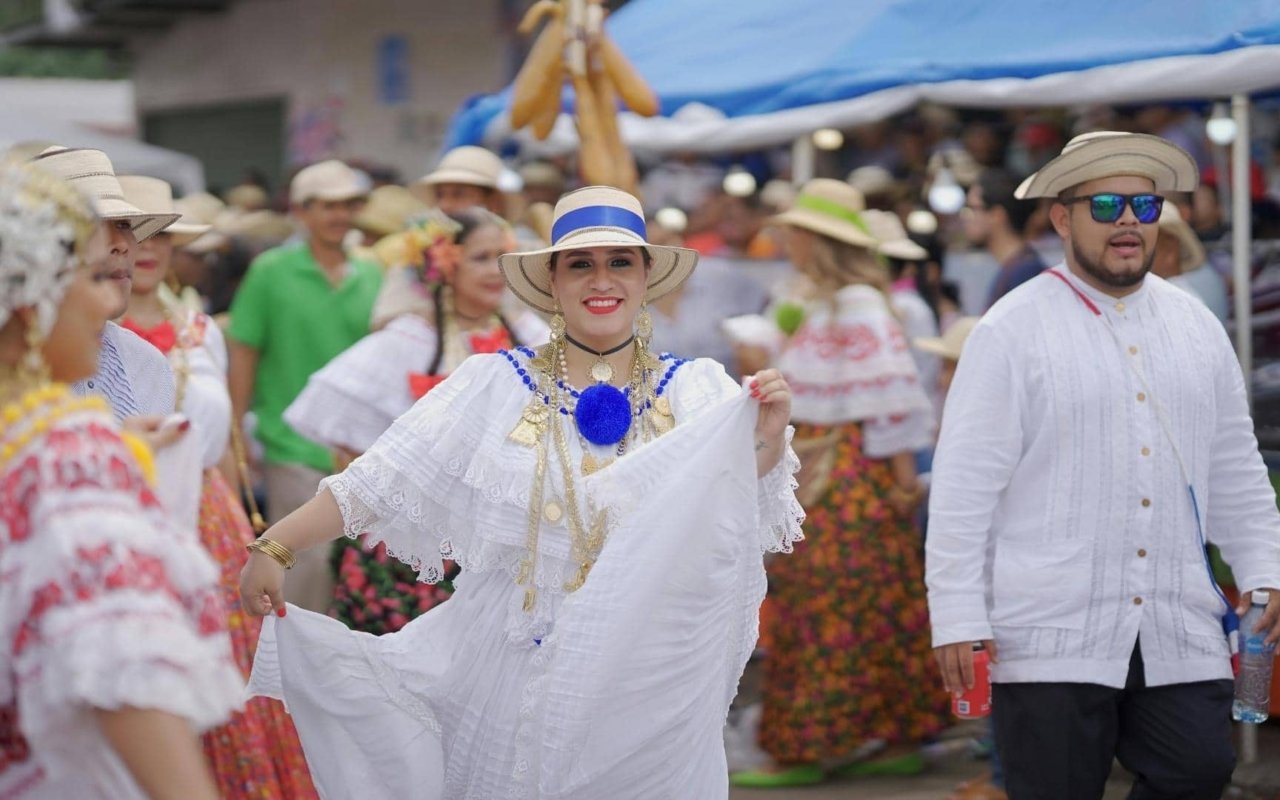
- Pollera: Traditional national costume, richly embroidered
Today, many artisan families combine artistic creation with the preservation of ancestral techniques, and handicrafts are often their main source of income
Festivities
Panamanians cultivate a true art of celebration. Every celebration is the occasion for colorful, festive gatherings: religious ceremonies, patronal feasts, folkloric events.November, renamed “Month of Patriotic Festivities”, concentrates three major celebrations commemorating the country’s history
- november 3: Independence from Colombia
- november 10: Los Santos Uprising (first cry of independence in 1821)
- november 28: Independence from Spain
Other important festivities punctuate the year: Carnival (February-March), Corpus Christi, patron saint festivals in each province
Literature
Panamanian literary life intensified after independence in 1903. Key figures include:Republican period: Ricardo Miró, author of the patriotic poem “Patria”, recited in all schools. Rogelio Sinán, pioneer of avant-garde poetry.20th century
- Carlos Francisco Changmarín, committed poet
- Joaquín Beleño, whose novel “Luna Verde” describes working-class conditions in the Canal Zone
- Enrique Jaramillo Levi, acclaimed short-story writer
- Rosa María Britton, novelist and playwright
Contemporary: Today’s literature combines poetry, novels and stories, with authors such as Juan David Morgan and Carlos Wynter Melo
Music
Music is omnipresent in Panamanian society. A national symphony orchestra has existed since 1910, testifying to the importance attached to musical culture.Traditional genres
- Típico: Folk music featuring accordion and “salomas” (traditional cries)
- Tamborito: National dance accompanied by drums
- Congo: African-influenced music from the Atlantic coast
- Mejorana: Musical style of the Azuero peninsula
Emblematic artists
- Rubén Blades: International figure of salsa, his song “Pedro Navaja” has become a classic
- Victorio Vergara, Alfredo Escudero, Dorindo Cárdenas: Performers of típico music
- Samy and Sandra Sandoval: Popular folk music duo
From an early age, children learn to play an instrument and participate in school orchestras, perpetuating this lively musical tradition
Dance
Folk dance has a rich heritage, a blend of Spanish colonial traditions, native influences and African contributions.Main dances
- Tamborito: National dance performed during festivities
- Mejorana and Punto: Dances of the Azuero region
- Danse Congo: Practiced on the Atlantic coast, with a strong African influence
- Bullerengue: Dance of African origin
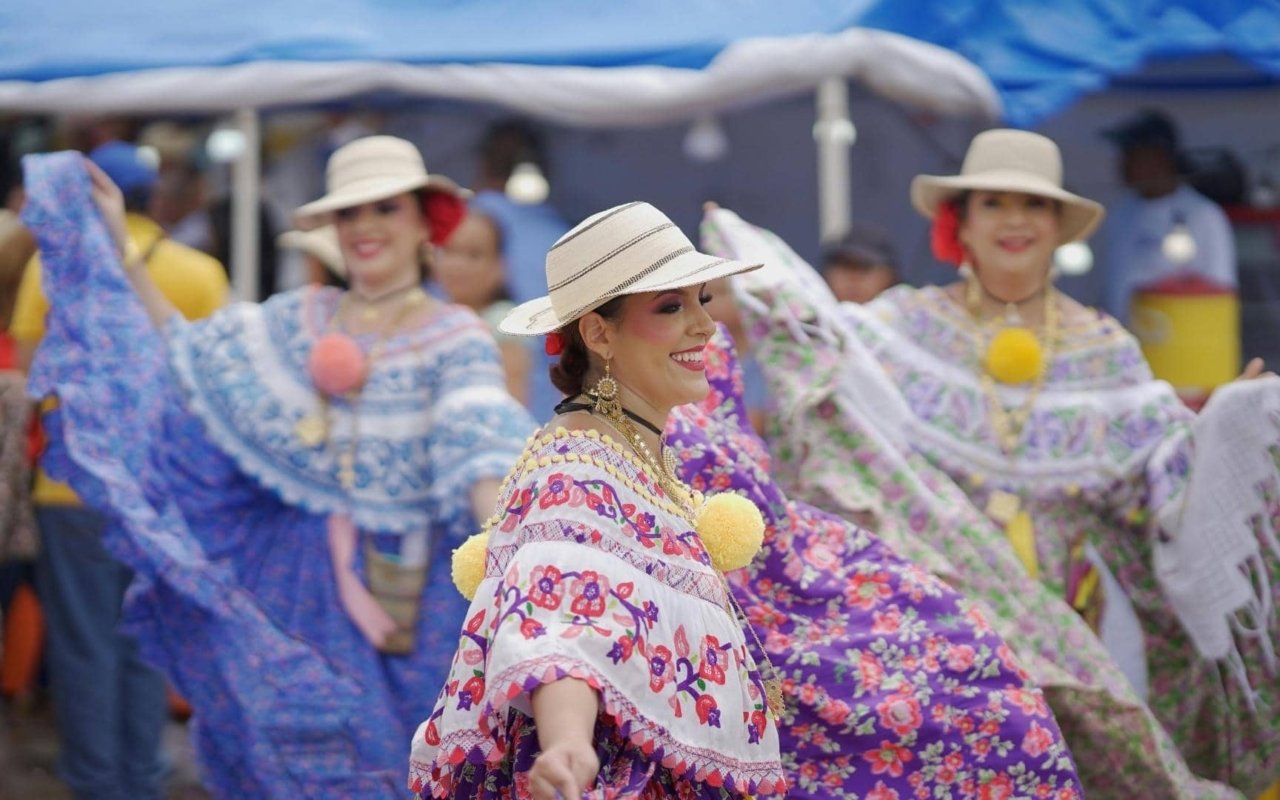
Dancers often wear the pollera, a sumptuous national costume adorned with embroidery and lace, accompanied by gold jewelry and decorative combs.
Before traveling to Panama
Time difference
Panama is on GMT-5 all year round (no time change)
- In winter (French standard time) : -6 hours ahead of mainland France
- In summer (French summer time) : -7 hours ahead of mainland France
- Same time zone as the U.S. East Coast (New York)
Administrative formalities
For French, Belgian, Swiss and Canadian nationals
- Passport valid at least 6 months after date of entry into Panama
- No visa required for a tourist stay of up to 180 days (since 2024, the duration has been increased from 90 to 180 days)
- Return or onward ticket required
- Tourist card sometimes issued on arrival (check with nationality)
Health
Vaccinations: No vaccinations are required to enter Panama from Europe or North America. It is nevertheless recommended to be up to date on
- Hepatitis A and B
- Tetanus, diphtheria, poliomyelitis
- Typhoid fever for extended or rural stays
Yellow fever: Vaccination required only if you come from a country where yellow fever is endemic or if you plan to visit Darien.Malaria: Low risk, limited to rural areas of Darien and certain comarcas. Preventive treatment recommended only for these remote areas.Hygiene: Panama has good hygiene conditions. Tap water is safe to drink in the major cities (Panama Ciudad, David, Colón), but bottled water is preferable in rural areas.Mosquitoes: Protection against dengue fever, which is present throughout Central America, is recommended. Skin repellents and covering clothing are recommended, particularly in the rainy season.Sun and heat: Sun protection essential (SPF 50+ cream, sunglasses, hat). Regular hydration is essential in this tropical climate
Meals and drinks
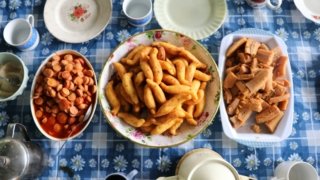
Panamanian gastronomy: The cuisine is based on corn, rice and beans, and favors cooking in oil. Typical dishes
- Sancocho: Traditional chicken soup
- Ropa vieja: Shredded beef
- Ceviche: Lime-marinated fish
- Patacones: Fried plantains
- Arroz con pollo: Rice with chicken
Beverages
- Mineral water widely available
- Chicha: Traditional corn-based drink
- Panamanian rum (including Abuelo brand)
- Local beers: Balboa, Atlas, Panama
- Fresh tropical fruit juices (tamarindo, maracuyá, guanábana)
Communications
Telephone: Excellent mobile coverage throughout the country. The main operators are Cable & Wireless, Claro and Digicel. Prepaid SIM cards readily available for visitors.Internet: Wifi connection available in most hotels, restaurants and cafés. Broadband is generally good in urban areas. Cybercafés available in all towns.Electricity: 110 volts – 60 hertz. Type A and B sockets (American flat plugs). Adaptor required for European appliances. Transformer recommended for sensitive appliances
Money and tips
Currency: The Panamanian Balboa (PAB) has a fixed parity with the US dollar (1:1). In practice, only the US dollar circulates in banknotes. Panamanian and U.S. coins coexist and are interchangeable.Currency exchange: U.S. dollars accepted everywhere. Other currencies can be exchanged at banks and exchange offices in Panama Ciudad.Credit cards: Visa and Mastercard widely accepted in tourist establishments, restaurants and shops in the cities. Numerous ATMs in urban areas.Tips
- Restaurants: 10% customary (sometimes included in bill, check before adding)
- Baggage handler: $1-2 per bag
- Maid: $1-2 per day
- Cab driver: tip not obligatory, but appreciated for long journeys
- Tour guides: 10-15% of fare, depending on satisfaction
Shopping and souvenirs
Local crafts
- Molas Guna: colorful textiles (high prices, but justified by the craftsmanship)
- Emberá-Wounaan basketry: finely woven baskets
- Traditional masks: wooden sculptures
- Gold and silver jewelry
- Panama hats and miniature polleras
- Tagua: Vegetable ivory sculptures
- Panamanian coffee: including Boquete’s renowned Geisha coffee
- Abuelo rum
- Cigars: Quality handcrafted products
Where to buy: Crafts markets in Panama Ciudad (Mercado de Artesanías), San Blas for authentic molas, Boquete for coffee, Portobelo for Afro-Panamanian handicrafts.