Panama is home to several UNESCO World Heritage sites of historical interest. In Panama City, in the province of Colón on the Caribbean coast and on the Azuero Peninsula, you’ll discover sites steeped in history, museums and remarkable colonial churches.
What are Panama’s must-see sites?
| Site | Type | Location | Highlights | Visit duration |
|---|---|---|---|---|
| Casco Antiguo | Historic UNESCO | Panama City | Restored colonial center, art deco architecture, churches, bohemian district with restaurants and galleries | Half day to 1 day |
| Panama Canal (Miraflores Locks) | Historical / Technical | Panama City | Ship-watching in the locks, interactive museum, engineering feat | 2-3 hours |
| Panama Viejo | Historic UNESCO | Panama City | Ruins of the first city (1519), cathedral tower, archaeological museum | 2-3 hours |
| Soberanía National Park | Nature | 25 km from Panama City | Accessible tropical forest, 525 species of birds, Pipeline Road, monkey and sloth watching | Half day to 1 day |
| Fortifications of Portobelo and San Lorenzo | Historic UNESCO | Province of Colón (Caribbean coast) | 17th-century Spanish forts, military architecture, Cristo Negro, views of the Caribbean Sea | 1 day (both sites) |
| Coiba National Park | Nature UNESCO | Gulf of Chiriquí (Pacific) | World-class diving, “Galapagos of Panama”, whale sharks, humpback whales, unique biodiversity | 1 to 3 days |
| Barú Volcano National Park | Nature | Chiriquí (Boquete) | Highest peak (3,475 m), views of both oceans, quetzal watching, cloud forests | 1 to 2 days |
| Bocas del Toro Archipelago (Bastimentos Park) | Nature | Caribbean coast | Paradise beaches, snorkeling, Playa Red Frog, sea turtles, dolphins, Caribbean atmosphere | 2 to 5 days |
| Darien National Park | Nature UNESCO | Colombian border | America’s densest jungle, exceptional biodiversity, jaguars, harpies, Emberá communities | 3 to 7 days (expedition) |
| Chagres National Park (Emberá villages) | Nature / Cultural | Province of Panamá | Encounter with indigenous Emberá communities, crafts, traditions, rainforest, kayaking | 1 day trip |
Are there any UNESCO sites in Panama?
Yes, Panama has 5 UNESCO sites
- Portobelo-San Lorenzo fortifications (Caribbean coast)
- Darién National Park (jungle, Colombian border)
- La Amistad National Park (cross-border with Costa Rica)
- Panamá Viejo and Casco Antiguo (colonial heritage)
- Coiba National Park (marine biodiversity)
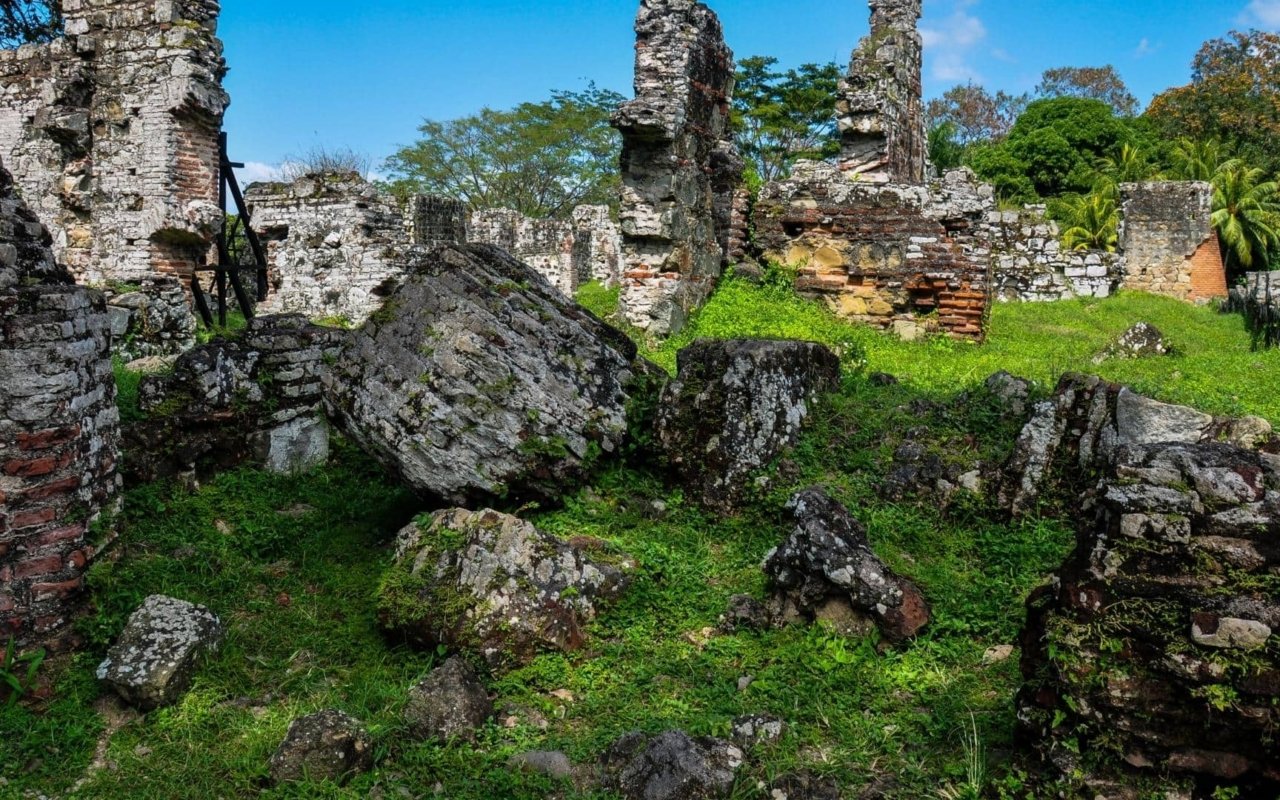
Panama Viejo archaeological site and Panama Historic District
The archaeological site of Panamá Viejo, founded in 1519 by Pedrarias Dávila, was the first European settlement on the Pacific coast of the Americas. Abandoned in the 17th century after its destruction by the pirate Henry Morgan in 1671, it was replaced by the Historic District (Casco Antiguo).Key points
- First Spanish city in the American Pacific (1519)
- Destroyed by Henry Morgan in 1671
- Cathedral tower: emblematic 30-metre-high monument
- Remains of convents: Santo Domingo Santo Domingo, Society of Jesus, Sisters of the Conception
- On-site museum with model of the colonial city and pre-Columbian artefacts
- UNESCO classification: 1997
Fortifications on Panama’s Caribbean coast: Portobelo-San Lorenzo
The fortifications of Portobelo and San Lorenzo, on Panama’s Caribbean coast, are outstanding examples of 17th- and 18th-century Spanish military architecture. Built to protect the transatlantic trade route between Spain and its colonies, they played a key role against pirates and enemy attacks.Key points
- Portobelo: discovered by Christopher Columbus in 1502, named “Puerto Bello” (beautiful port)
- Major transit point for gold and silver from Peru to Spain
- Fort San Lorenzo: spectacular fortress at the mouth of the Río Chagres
- Perfectly preserved Spanish military architecture
- Attacked several times by pirates (including Francis Drake and Henry Morgan)
- UNESCO classification: 1980
Coiba National Park and its Special Marine Protected Area
Coiba National Park, located off Panama’s west coast in the Gulf of Chiriquí, protects Coiba Island (503 km²), 38 islets and the surrounding marine areas. Formerly a penitentiary from 1919 to 2004, the island has remained untouched by human exploitation.Key points
- Largest island in Panama and Central America
- Tropical rainforests with 1,450 plant species
- 147 bird species, including the crested harpy (America’s most powerful eagle)
- Endemic species: Coiba agouti, Coiba howler monkey
- Rich waters: whale sharks, manta rays, humpback whales, dolphins
- Nicknamed “Panama’s Galapagos”
- UNESCO classification: 2005
- Top destination for scuba diving
Darien National Park
A natural bridge between South and Central America, Darien National Park (5,790 km²) boasts an exceptional variety of habitats: sandy beaches, rocky coasts, mangroves, swamps, low- and medium-altitude tropical forests, home to remarkable flora and fauna.Key facts
- Largest protected area in Panama (579,000 hectares)
- One of the last virgin rainforests in Central America
- Break in the Pan-American Highway (the “Darién Gap”)
- Refuge for crested harpies, jaguars, tapirs and peccaries
- More than 450 bird species
- Two indigenous communities: Emberá and Wounaan
- Difficult-to-access area, requiring guide and authorization
- UNESCO classification: 1981
La Amistad International Park (Talamanca-La Amistad)
This unique Central American site, shared by Costa Rica and Panama, was marked by the Quaternary glaciations, enabling genetic exchanges between the flora and fauna of North and South America. Mostly covered by tropical forests, it is inhabited by four indigenous tribes.Key points
- Costa Rica-Panama Transfrontier Park (401,000 hectares on the Panamanian side)
- Altitudes from 200 to 3,800 metres (Cordillera de Talamanca)
- Biological corridors between the two Americas
- Diverse habitats: cloud forests, páramos, tropical rainforests
- Over 10,000 plant species, 600 bird species
- Four indigenous groups: Bribri, Cabécar, Ngäbe, Naso
- UNESCO classification: 1983 (Costa Rica), 1990 (Panama)
Panama's national parks
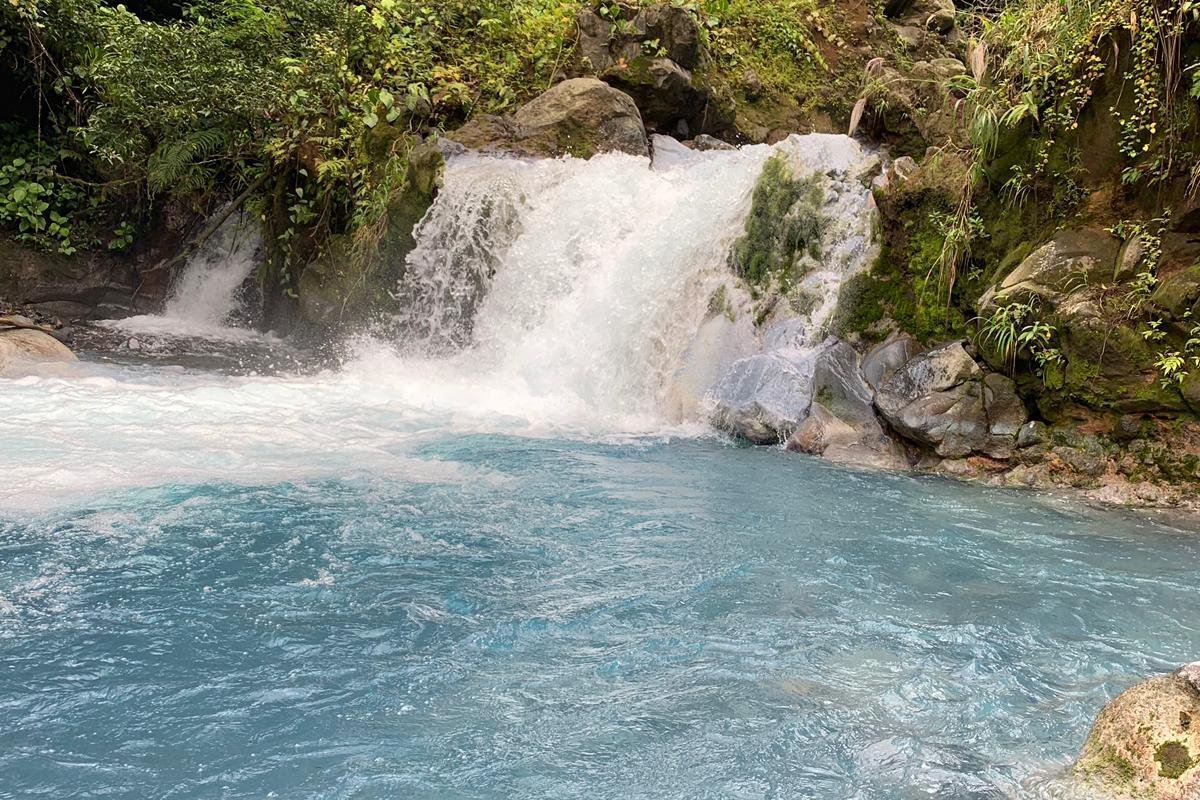
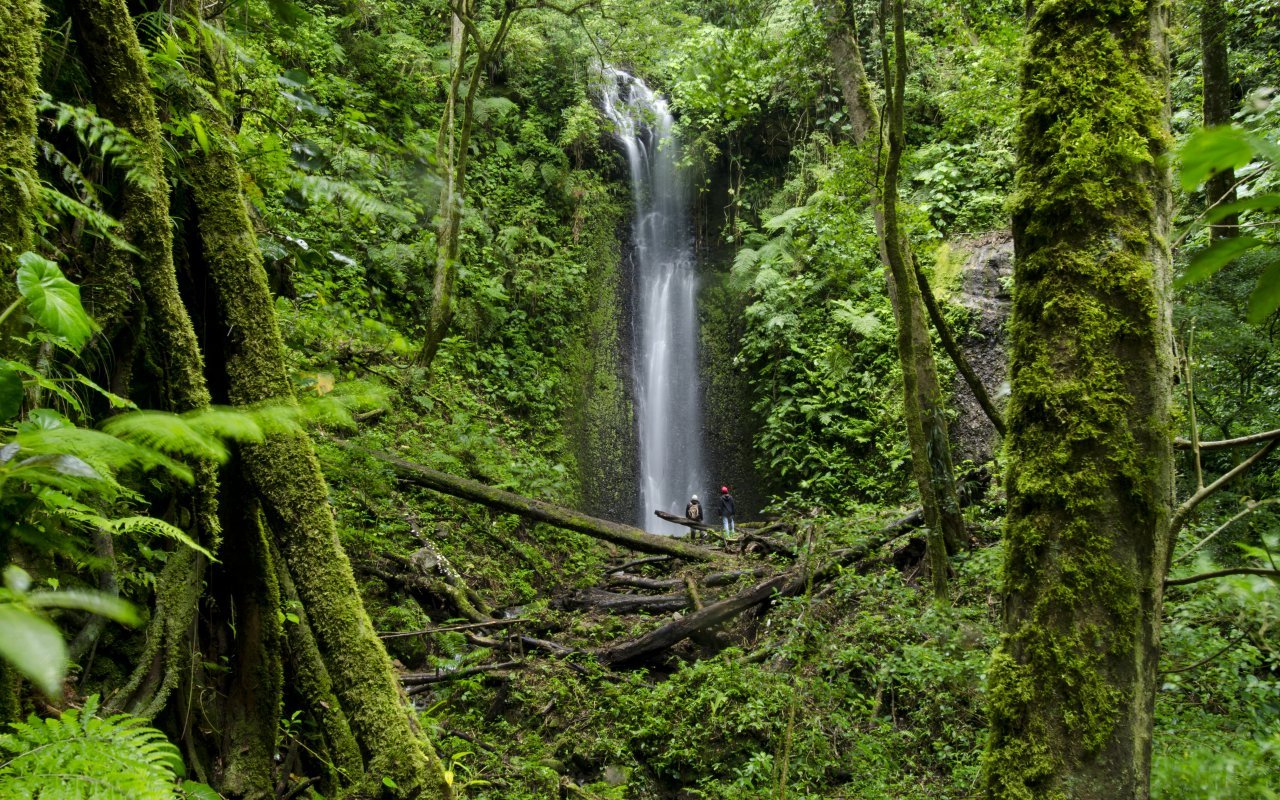
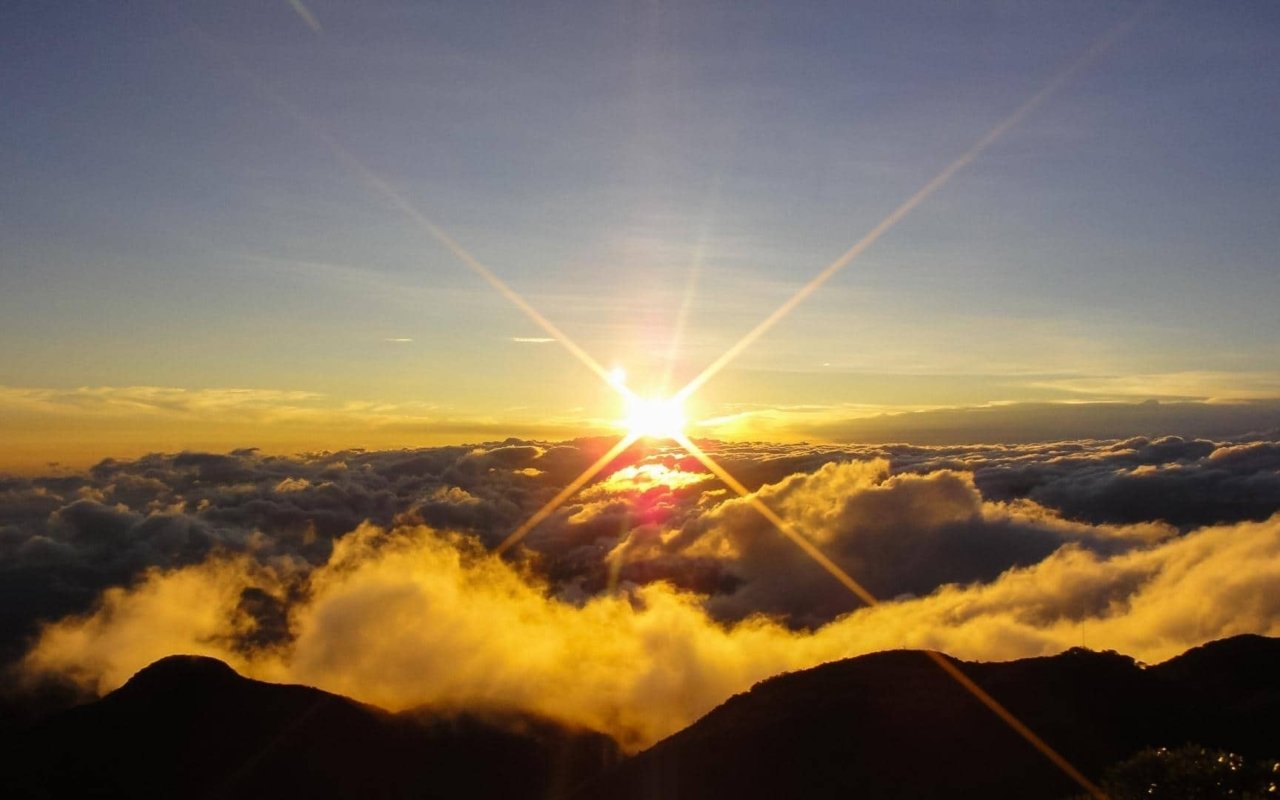
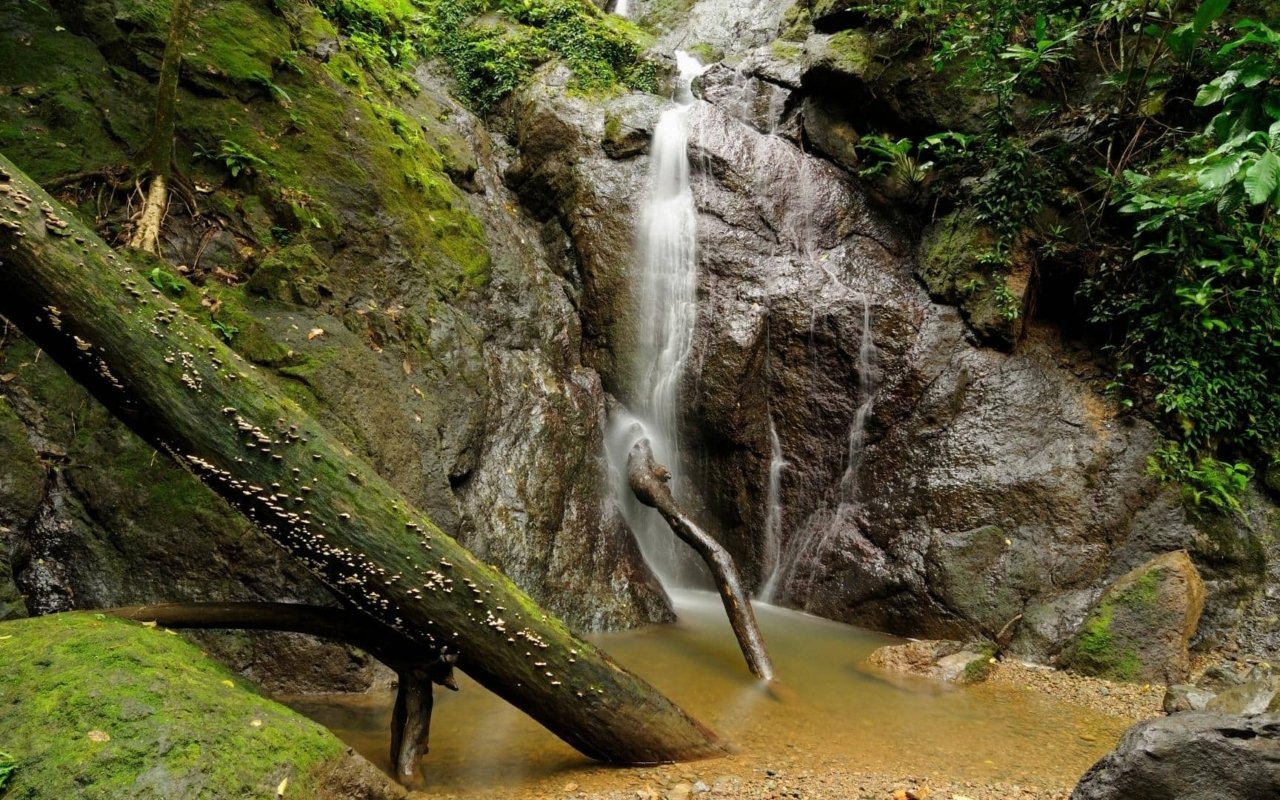
Coiba National Park
Located off the west coast of Panama, this nature reserve is home to a unique biodiversity, with tropical forests, endemic species and a rich marine ecosystem
- Location: Gulf of Chiriquí, Pacific coast
- Area: 270,125 hectares (land and sea)
- Features: World-class diving, whale watching (July-October), sea turtles, pristine coral reefs
- Activities: Diving, snorkeling, wildlife observation, guided hikes
Altos de Campana National Park
It offers spectacular mountain scenery, is home to a rich biodiversity, and is a refuge for endemic species of flora and fauna of the region
- Location: Province of Panamá Oeste, 60 km from Panama City
- Surface area: 4,816 hectares
- Altitude: 200 to 1,007 meters
- Features: Panama’s first national park (1966), cloud forests, over 300 bird species
- Activities: Hiking, birdwatching, panoramic views of the Pacific Ocean
Camino de Cruces National Park
Located near Panama City, it protects a portion of the historic trail used during the colonial period, while offering ecological richness with its tropical forests and biodiversity
- Location: Near Panama City, along the Canal
- Surface area: 4,950 hectares
- Special features: Protects the Chemin de Cruces, a restored 16th-century Spanish colonial trail used to transport gold from Peru
- Historical value: Original pavement preserved on several sections
- Activities: Historical hikes, observation of tropical fauna
Cerro Hoya National Park
Located in Panama’s Los Santos province, this protected reserve is home to tropical rainforests, towering mountains and a wealth of biodiversity, including endangered species
- Location: Azuero Peninsula, province of Los Santos
- Area: 32,557 hectares
- Altitude: Sea level to 1,559 meters
- Characteristics: Tropical rainforests, imposing mountains, species endemic to the peninsula
- Access: Panama’s most inaccessible park
Chagres National Park
Protects a vast area of tropical forests and watersheds essential to the capital’s water supply, while also harboring rich biodiversity and indigenous communities
- Location: Province of Panamá and Colón
- Surface area: 129,000 hectares
- Importance: Watershed feeds the Panama Canal and provides 40% of the capital’s drinking water
- Communities: Emberá villages accessible for cultural visits
- Activities: Visits to indigenous villages, kayaking on Lake Alajuela, hiking
Darien National Park
Located on the border between Panama and Colombia, this is a protected nature reserve with dense tropical forests, rivers and unique species, as well as being a place of great ecological and cultural importance
- Location: Darién province, Colombian border
- Area: 579,000 hectares (Panama’s largest)
- Special features: dense jungle, last natural American border, exceptional biodiversity
- Notable fauna: Jaguars, pumas, tapirs, crested harpies, American crocodiles
- Access: Very limited, requires experienced guide and authorization, sensitive area
Omar Torrijos National Park
Home to a wide variety of tropical forests, rivers and waterfalls, as well as exceptional biodiversity, including numerous animal and plant species
- Location: Province of Coclé
- Surface area: 25,275 hectares
- Altitude: 600 to 1,185 metres
- Special features: Spectacular waterfalls, cloud forests, crystal-clear rivers
- Activities: Hiking to waterfalls, natural swimming
Metropolitano National Park
Offers a haven of nature with its tropical forests, hiking trails and panoramic views over the city, as well as being a refuge for a wide variety of animal and plant species
- Location: Inside Panama City
- Area: 265 hectares
- Special features: Only national park located in the heart of a capital city, urban rainforest
- Fauna: Sloths, howler monkeys, iguanas, toucans, over 250 bird species
- Activities: Short hiking trails (1-3h), wildlife observation, panoramic views of the city and the Canal
- Accessibility: Very easy from the capital
Golfo de Chiriqui National Park
Protects a marine and terrestrial area of great beauty, with islands, beaches and waters rich in biodiversity, perfect for diving and ecotourism
- Location: Gulf of Chiriquí, Pacific coast
- Area: 147 hectares land + 14,740 hectares sea
- Features: 25 islands and islets, pristine beaches, coral reefs, crystal-clear waters
- Marine life: Dolphins, humpback whales (July-October), sea turtles, rays
- Activities: Diving, snorkeling, kayaking, sport fishing, boat excursions
Bastimentos Island National Park
Located in the Bocas del Toro archipelago, this protected reserve is home to idyllic beaches, lush tropical forests and a rich biodiversity, including marine species, birds and plants
- Location: Bocas del Toro archipelago, Caribbean coast
- Area: 13,226 hectares (land and sea)
- Features: Panama’s first marine park (1988), sea turtle nesting beaches
- Points of interest: Playa Larga (9 km of wild beach), Playa Red Frog, sea caves
- Fauna: Red frogs, monkeys, sloths, manatees, dolphins
- Activities: Snorkeling, turtle watching (May-September), kayaking in mangroves
La Amistad National Park
located on the border between Panama and Costa Rica, this remarkably biodiverse reserve offers tropical forests, mountains and exceptional wildlife, as well as being a key site for the conservation of transboundary ecosystems
- Location: Costa Rica-Panama border, province of Chiriquí and Bocas del Toro
- Area: 207,000 hectares (Panamanian side)
- Altitude: 200 to 3,549 meters
- Special features: Cross-border park, cloud forests, Andean páramos, Central America’s richest biodiversity
- Communities: Ngäbe-Buglé, Naso, Bribri territories
- Activities: Multi-day hikes, quetzal watching, cultural visits
Portobelo National Park
Located on Panama’s Caribbean coast, it protects tropical forests, beaches and historical vestiges, including colonial fortifications listed as a UNESCO World Heritage Site
- Location: Province of Colón, Caribbean coast
- Area: 35,929 hectares
- Characteristics: Unique combination of historical and natural heritage, tropical forests and UNESCO colonial fortifications
- Historical heritage: Spanish forts, Iglesia de San Felipe (venerated black Christ)
- Activities: Wreck diving, snorkeling, visits to fortifications, hiking
Santa Fe National Park
Ideal for hiking and wildlife observation, this nature reserve offers mountainous landscapes, lush forests and rich biodiversity
- Location: Province of Veraguas
- Surface area: 72,636 hectares
- Altitude: 300 to 2,467 meters
- Special features: Mountainous landscapes, lush forests, waterfalls, high biodiversity
- Fauna: Quetzals, toucans, pumas, jaguars
- Activities: Hiking, birdwatching, waterfalls
Sarigua National Park
This unique semi-desert region is characterized by arid landscapes, unique geological formations and a biodiversity adapted to this extreme environment
- Location: Herrera province, Azuero peninsula
- Surface area: 8,000 hectares
- Features: Panama’s only semi-desert park, arid, lunar landscapes
- Special features: Pre-Columbian archaeological site (11,000 years old), special geology, natural observatory of desertification
- Suitable fauna: Iguanas, snakes, dryland birds
- Visit: Short (2-3h)
Soberania National Park
A vast reserve of tropical forests rich in biodiversity, offering popular hiking trails and home to a variety of wildlife, including rare birds and wild animals
- Location: 25 km from Panama City, along the Canal
- Area: 22,104 hectares
- Features: Highly accessible tropical rainforest, one of the world’s best birdwatching sites
- Pipeline Road: mythical path for birdwatchers (over 525 species of birds recorded)
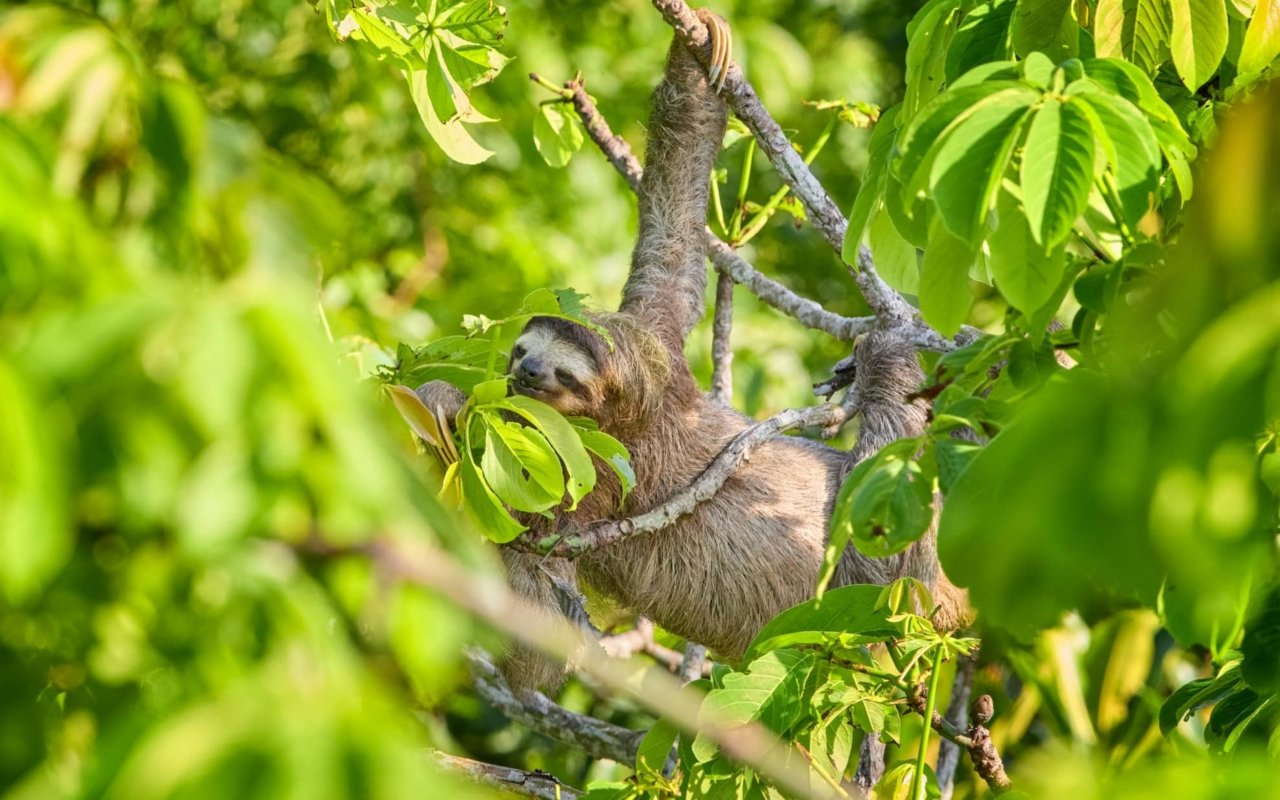
- Fauna: Monkeys (capuchins, howlers, tamarins), sloths, coatis, agoutis, crocodiles
- Activities: Guided hikes, birdwatching, kayaking on the Río Chagres
- Accessibility: Excellent for a day trip from Panama City
Volcan Baru National Park
Home to the country’s highest peak, offering spectacular scenery, cloud forests and unique biodiversity, as well as breathtaking views of the Pacific Ocean and Caribbean Sea on a clear day
- Location: Chiriquí province, near Boquete
- Surface area: 14,325 hectares
- Highest point: 3,475 meters (highest peak in Panama)
- Special features: The only place where both oceans (Pacific and Caribbean) can be seen simultaneously on a clear day
- Ecosystems: Cloud forests, high-altitude páramos, alpine vegetation
- Fauna: Resplendent quetzal, pumas, tapirs
- Activities: Volcano climbing (8-12h round trip), cloud forest hiking, quetzal watching
- Climate: Cool to cold, temperatures from 5 to 15°C at altitude
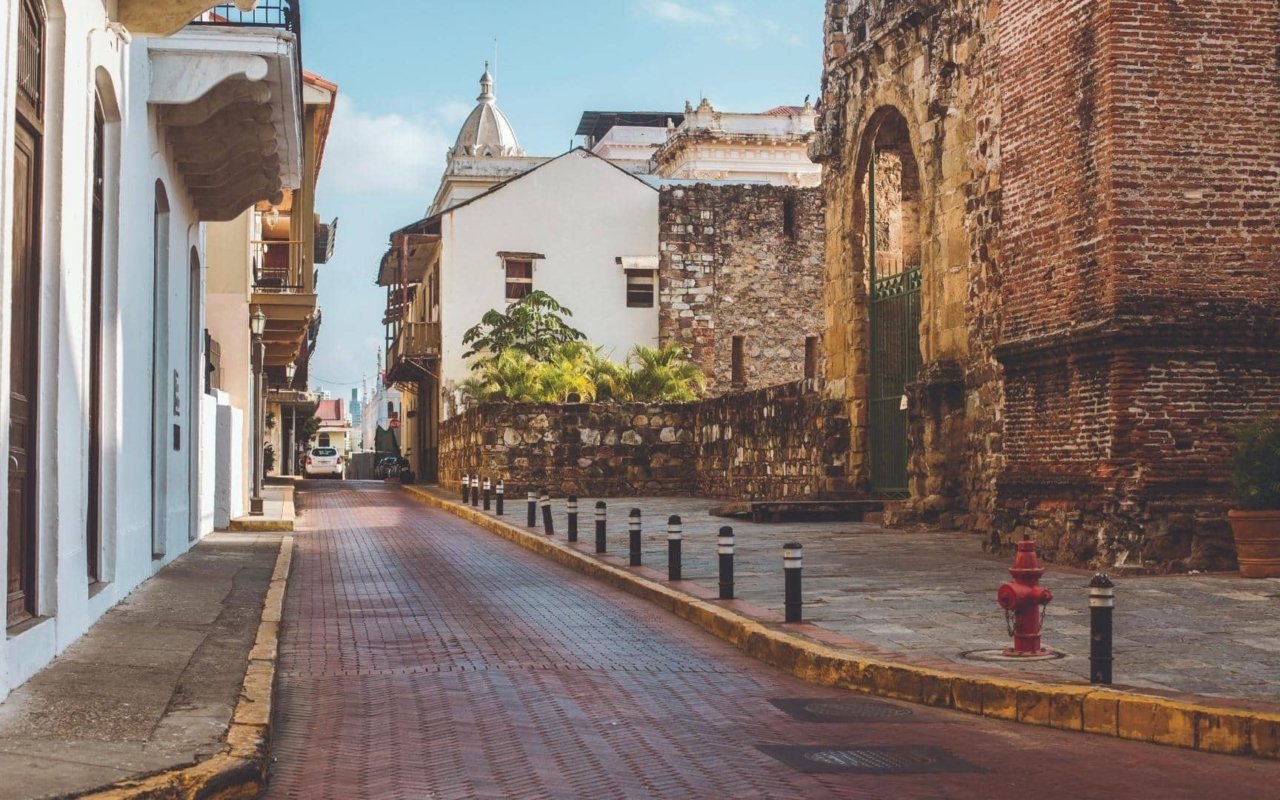
Panama's colonial vestiges
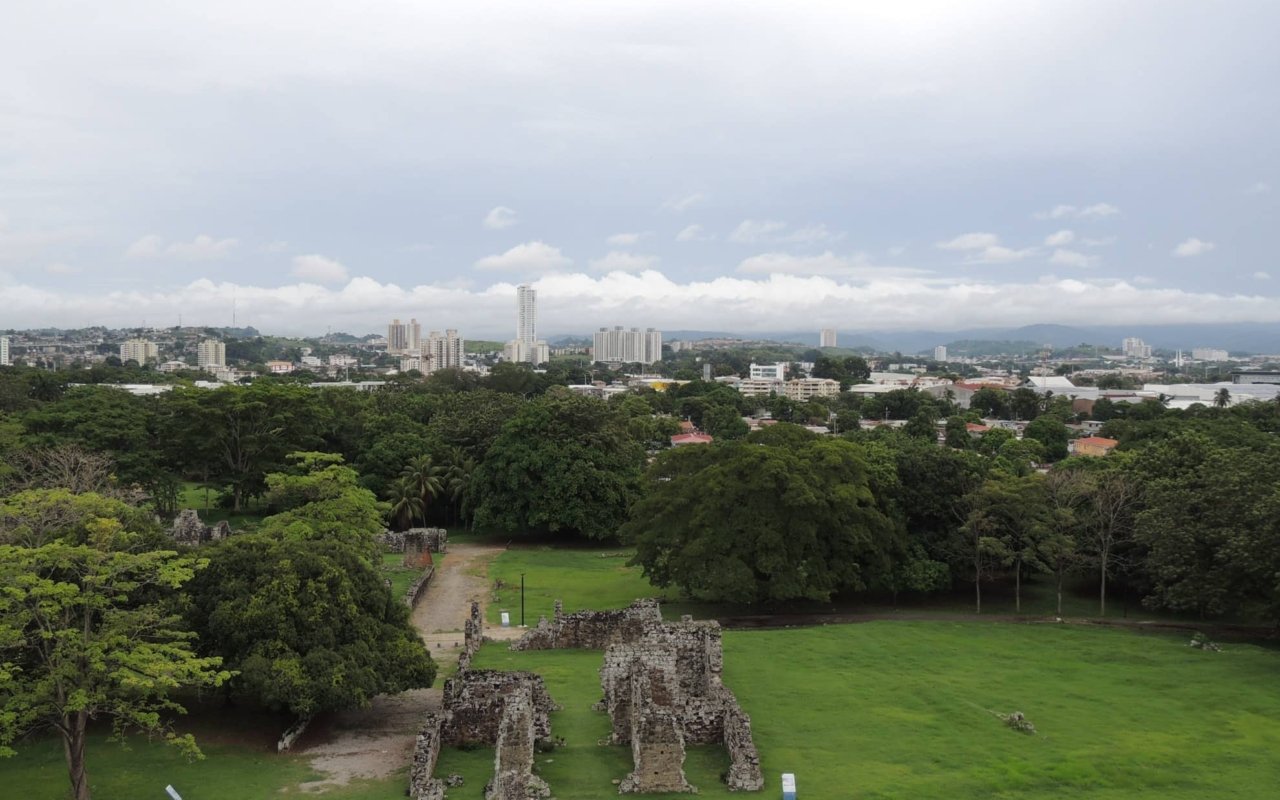
Panama Viejo
Ruins of the first city founded in 1519, now a UNESCO World Heritage site. Impressive remains include the 30-metre-high cathedral tower, the only structure still standing after the fire of 1671.Key points
- Founded on August 15, 1519 by Pedrarias Dávila
- First Spanish city on the American Pacific
- Population of around 10,000 at its peak
- Starting point for expeditions to Peru (conquest of the Inca Empire)
- Destroyed by Henry Morgan on January 28, 1671
- Site museum: archaeological objects, models, history exhibition
- Visit: 2-3 hours recommended
Casco Antiguo (or Casco Viejo)
The historic center of Panama City, designated a UNESCO World Heritage Site in 1997. Restored colonial buildings, churches, squares and fortifications bear witness to the city’s Spanish past. Founded in 1673 after the destruction of Panama Viejo.Key points
- Built on a fortified peninsula after 1671
- Colonial Spanish, French and Art Deco architecture
- Notable churches: Metropolitan Cathedral, San José (gold altar), Santo Domingo (famous flat arch)
- Place de France: monument to the French who died building the canal
- Presidential Palace (visible from outside)
- Bohemian quarter: art galleries, restaurants, cafés, boutiques
- Completely revitalized since 2000
Portobelo and San Lorenzo fortifications
Located on the Caribbean coast, these fortifications were used to protect the trade route between Spain and its colonies, and are now a UNESCO World Heritage Site.Portobelo – Key points
- Discovered by Christopher Columbus in 1502
- Main port for exporting Peruvian silver to Spain (16th-18th centuries)
- Three main forts: Santiago, San Jerónimo, San Fernando
- Iglesia de San Felipe: home to the Cristo Negro (Black Christ), venerated during the annual festival (October 21)
- Attacked and pillaged several times (Francis Drake 1596, Henry Morgan 1668, Edward Vernon 1739)
- Remarkably well-preserved Spanish military architecture
San Lorenzo – Key points
- Spectacular fortress at the mouth of the Río Chagres
- Strategic position to protect access to the Camino de Cruces
- Construction: 16th-18th centuries
- Panoramic view of the mouth of the river and the Caribbean Sea
- Accessible from Colón (approx. 1h30 drive)
- Less-visited site, authentic atmosphere
The Palace of the Inquisition in Panama City
A historic building where charges of heresy and witchcraft were tried during the Spanish colonial period.Key points
- Located in the Casco Antiguo
- Example of Spanish colonial architecture
- Now a historical museum
- Exhibits instruments of torture and history of the Inquisition in America
San Felipe fortress in Portobelo
Located in Portobelo, this fortification was part of the defense system against pirates.Key points
- Construction: late 17th century
- Period cannons still in place
- Breathtaking view of Portobelo Bay
- Often combined with visits to other Portobelo forts
The Panama Canal
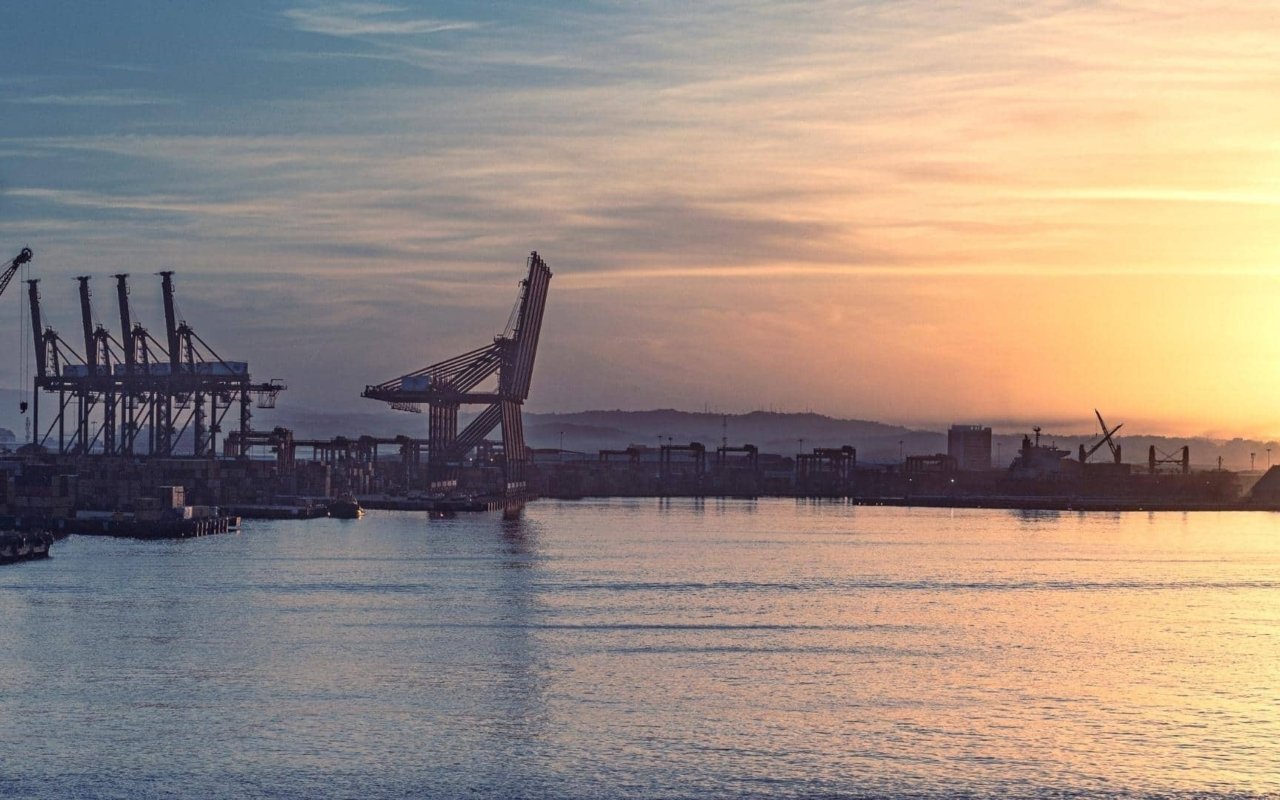
The Panama Canal
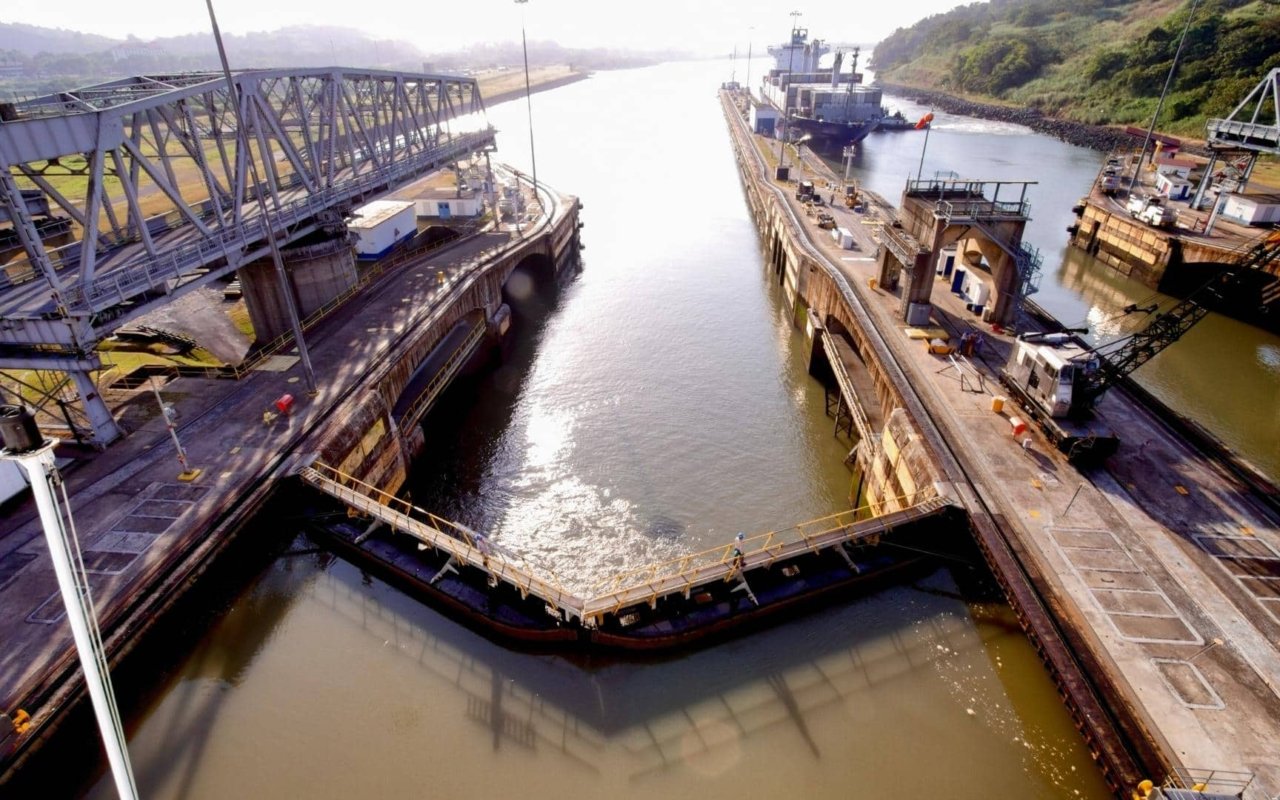
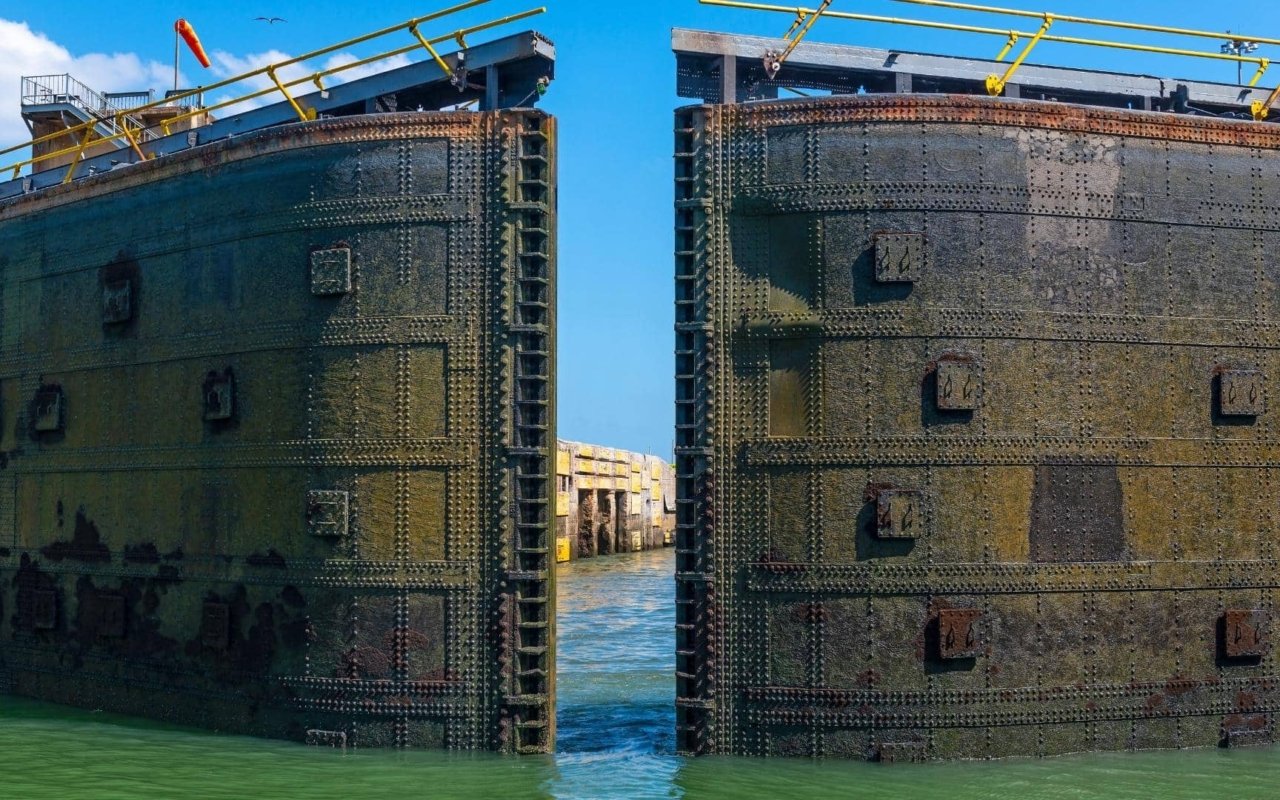
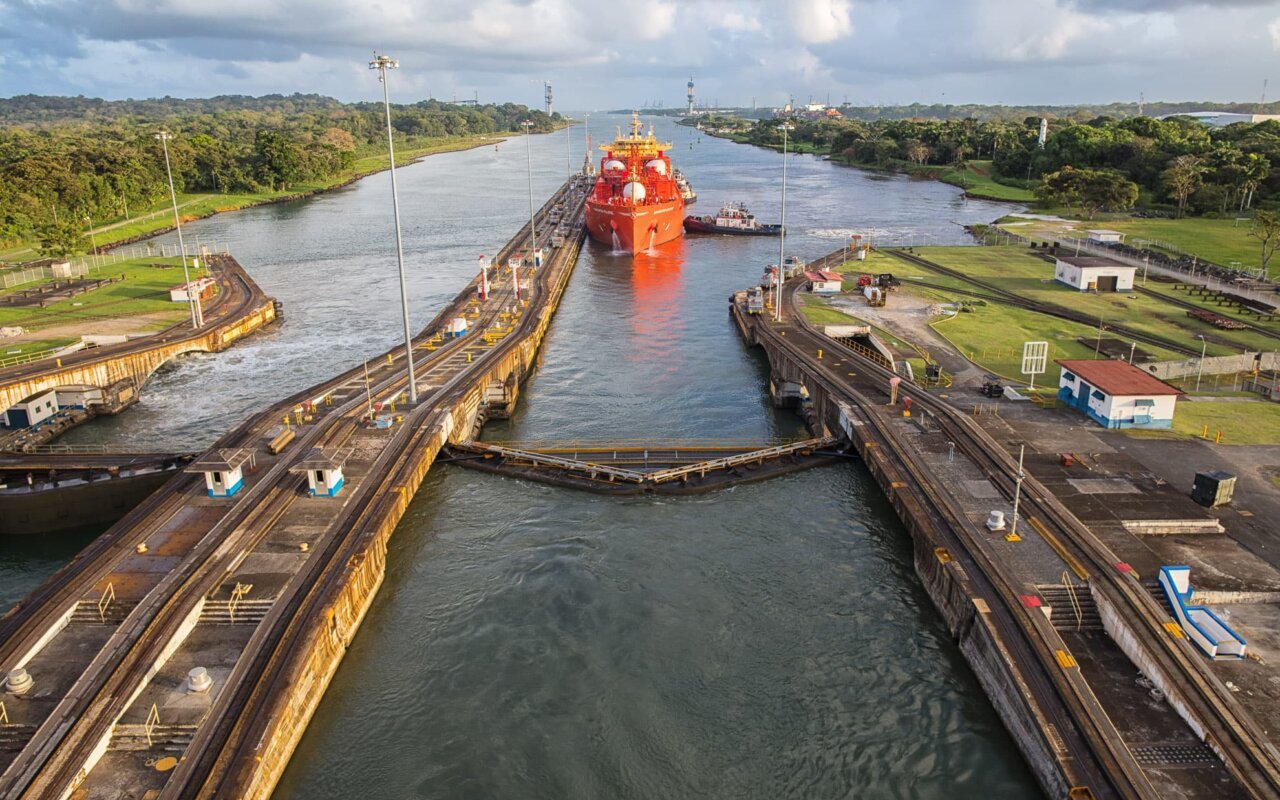
The Panama Canal is a man-made waterway linking the Atlantic and Pacific oceans, crossing the Isthmus of Panama. Inaugurated on August 15, 1914, it is one of the greatest engineering feats of the 20th century
Key facts
- Length: 82 kilometers
- Construction: 1904-1914 by the United States (after the French failure of 1881-1889)
- Lock system: 3 sets of locks (Gatún, Pedro Miguel, Miraflores)
- Elevation: ships are raised 26 meters above sea level
- Crossing time: 8 to 10 hours
- Traffic: approx. 14,000 ships per year
- Expansion: new locks inaugurated in 2016 to accommodate “New Panamax” ships
- Transfer of control: from the United States to Panama on December 31, 1999
Places to visit :
- Miraflores Locks: visitor center with interactive museum, observation decks, restaurant, store. The most popular site for observing ships in transit.
- Gatún Locks: on the Atlantic side, less touristy but impressive (the largest locks)
- Agua Clara Visitor Center: new locks on the Atlantic side, inaugurated in 2016
- Museum of the Interoceanic Canal: located in the Casco Antiguo, traces the canal’s entire history
- Transisthmian train: crosses the isthmus parallel to the canal (Panama City – Colón, 1h journey)
Activities :
- Watch ships pass through the locks
- Partial or full cruises on the Canal
- Visit the Canal Museum
- Train ride along the Canal
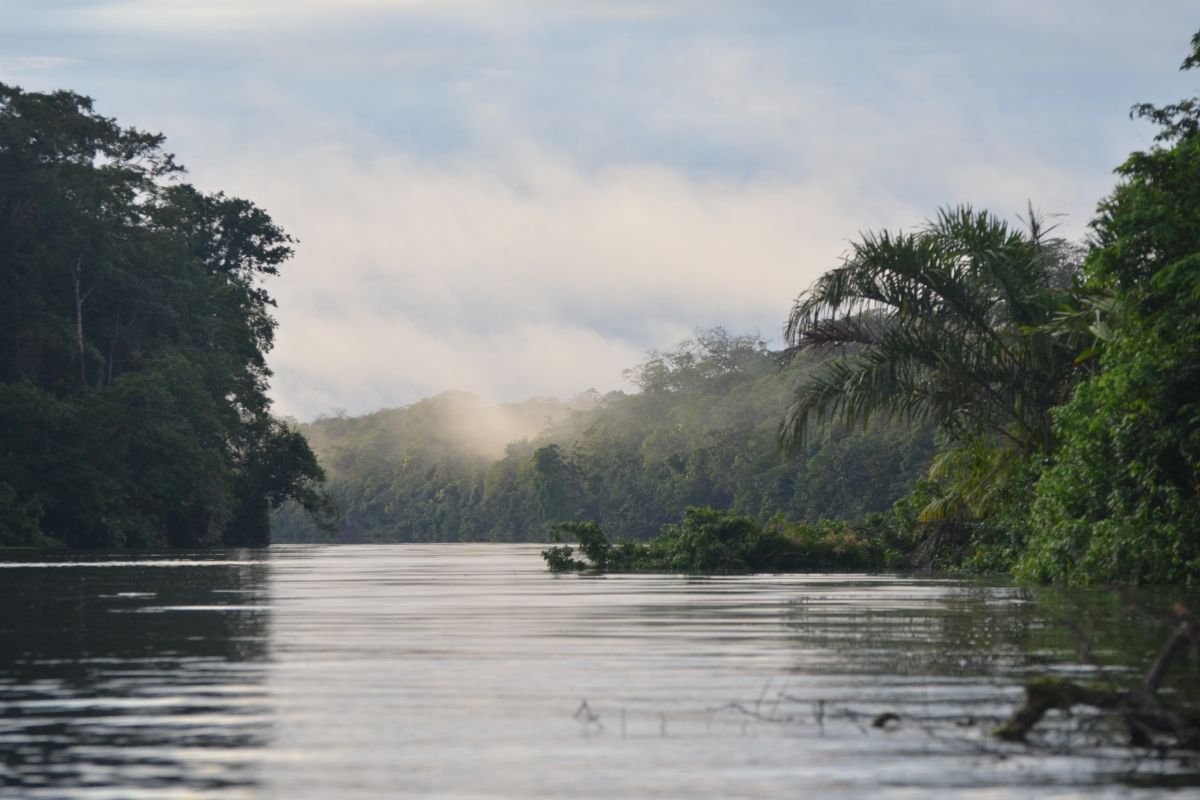
- Wildlife observation on Lake Gatún (crocodiles, monkeys, birds)
Economic importance :
- 6% of world maritime trade
- Main source of income for the Panamanian state (over $2 billion annually)
- Shortens the sea route by 15,000 km (avoids bypassing South America)
- Symbol of national pride since the handover in 1999