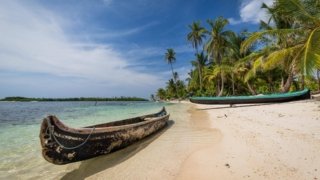
Although Panama is a small country (barely larger than Ireland), it boasts outstanding biodiversity. Thanks to its position between two continents and two oceans, the country boasts exceptional ecological wealth. To give you an idea: per square kilometer , there are 21 times more plant species than Brazil! The country is home to over 10,000 plant species, 220 mammals, 226 reptiles, 164 amphibians, almost 1,000 bird species (a Central American record) and 125 endemic animal species, found nowhere else. A true paradise for nature-loving travellers.
Why is Panama so rich in biodiversity?
Its geological history is the key. Around 3 million years ago, the Isthmus of Panama appeared, linking North and South America. This natural bridge enabled an immense exchange of species between the two continents: sloths and armadillos came from the south, while felines arrived from the north. This mix has shaped the exceptional diversity we see today.
Panama's forests, kingdom of monkeys and felines
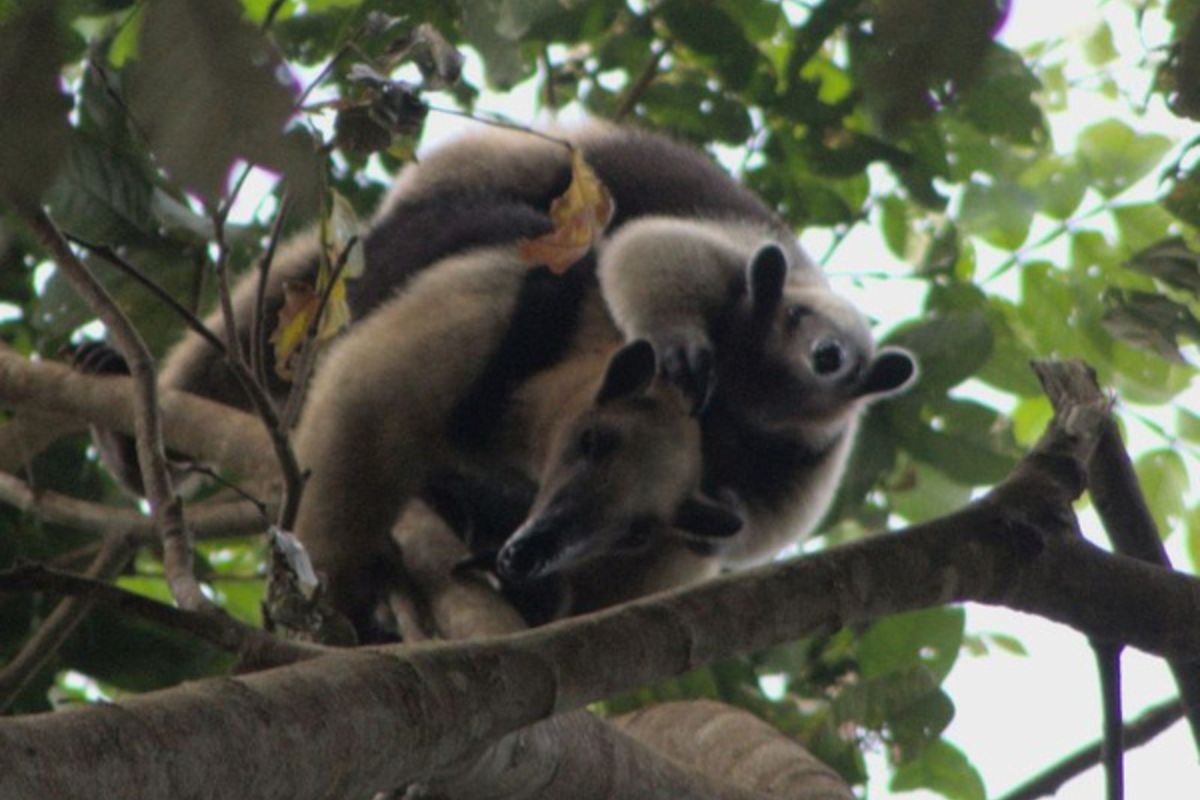
To walk through the tropical forests of Panama is to enter a world of sound and life. The low-pitched calls of howler monkeys echo in the distance, white-faced capuchins leap from tree to tree and, with a little luck, you may catch a glimpse of the tiny Geoffroy’s tamarin, a primate endemic to the country that usually weighs no more than 600 grams and can be seen in Metropolitan Park or on the shores of Lake Gatun.
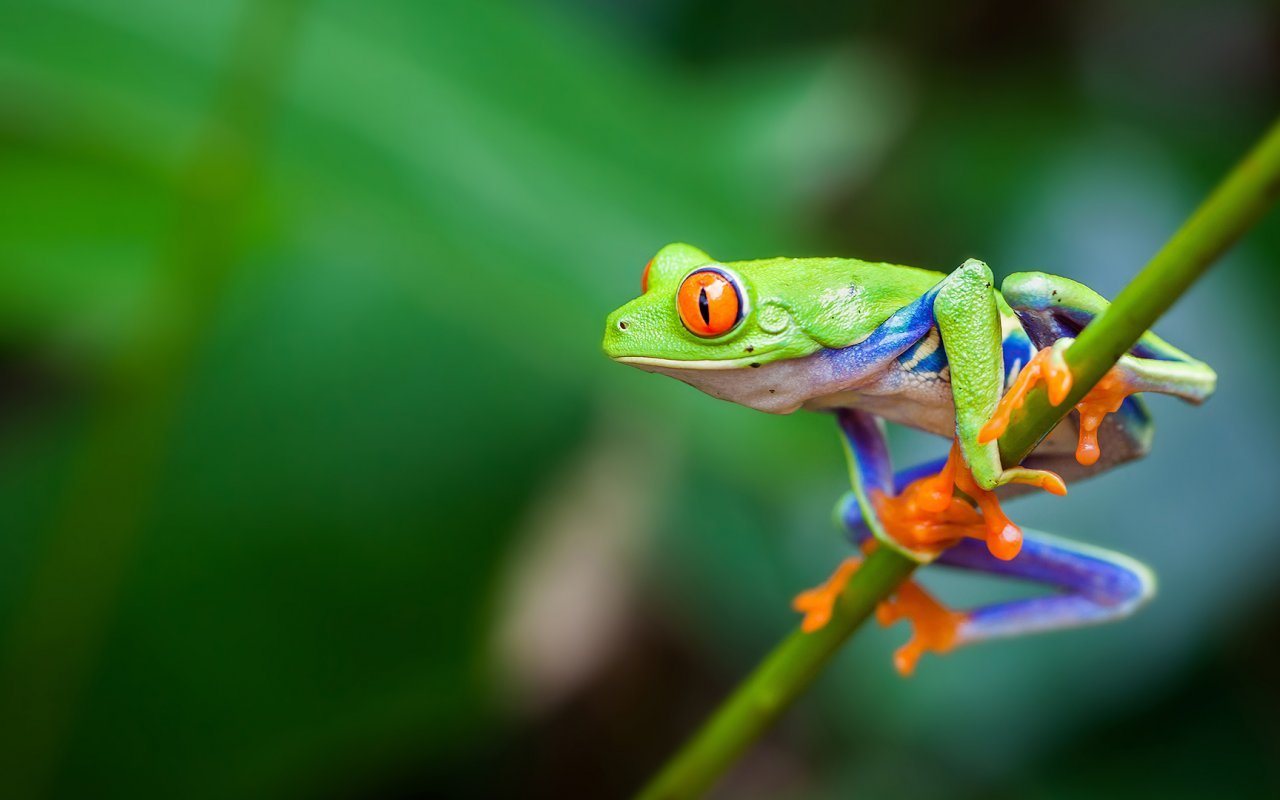
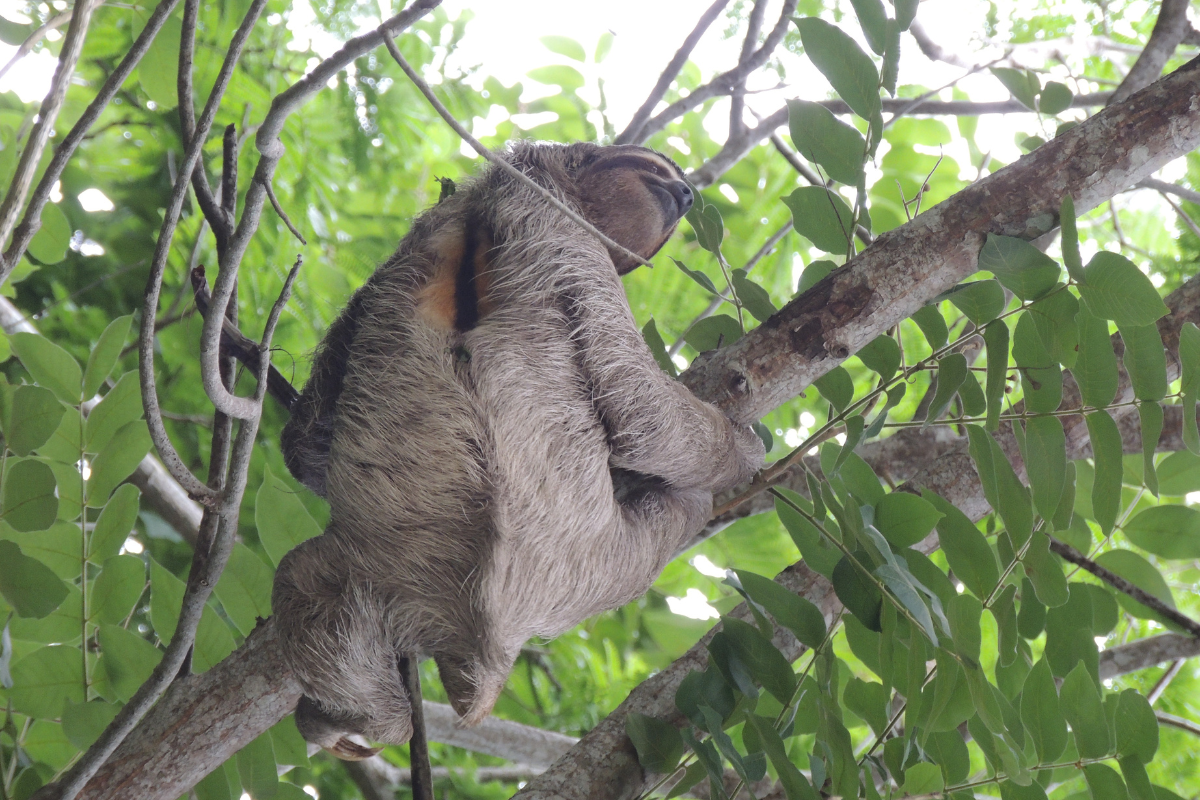
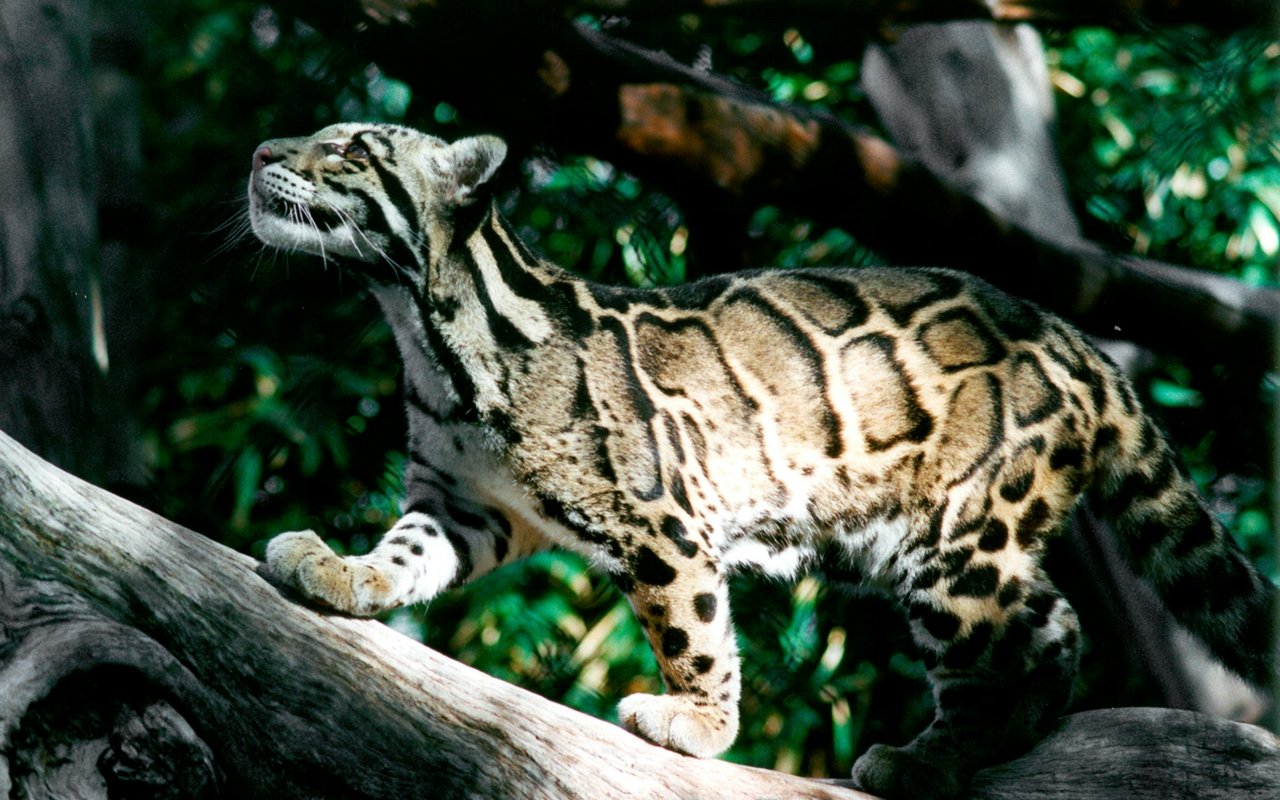
More discreet but just as fascinating, big cats such as the jaguar or puma, as well as smaller ones such as ocelots or jaguarondis, roam the remote areas of the Darién or Chiriquí mountains. Travellers are more likely to encounter sloths, motionless in the canopy, or the iguanas, crocodiles and snakes (venomous or not) that populate the rivers and undergrowth. A large community of amphibians is also present, including the famous rana dorada, the golden frog, a national symbol of Panama and endemic to the country. Although emblematic, this species is critically endangered due to a fungus. Conservation efforts are underway to save it and reintroduce it into its natural habitat.
Oceans full of life
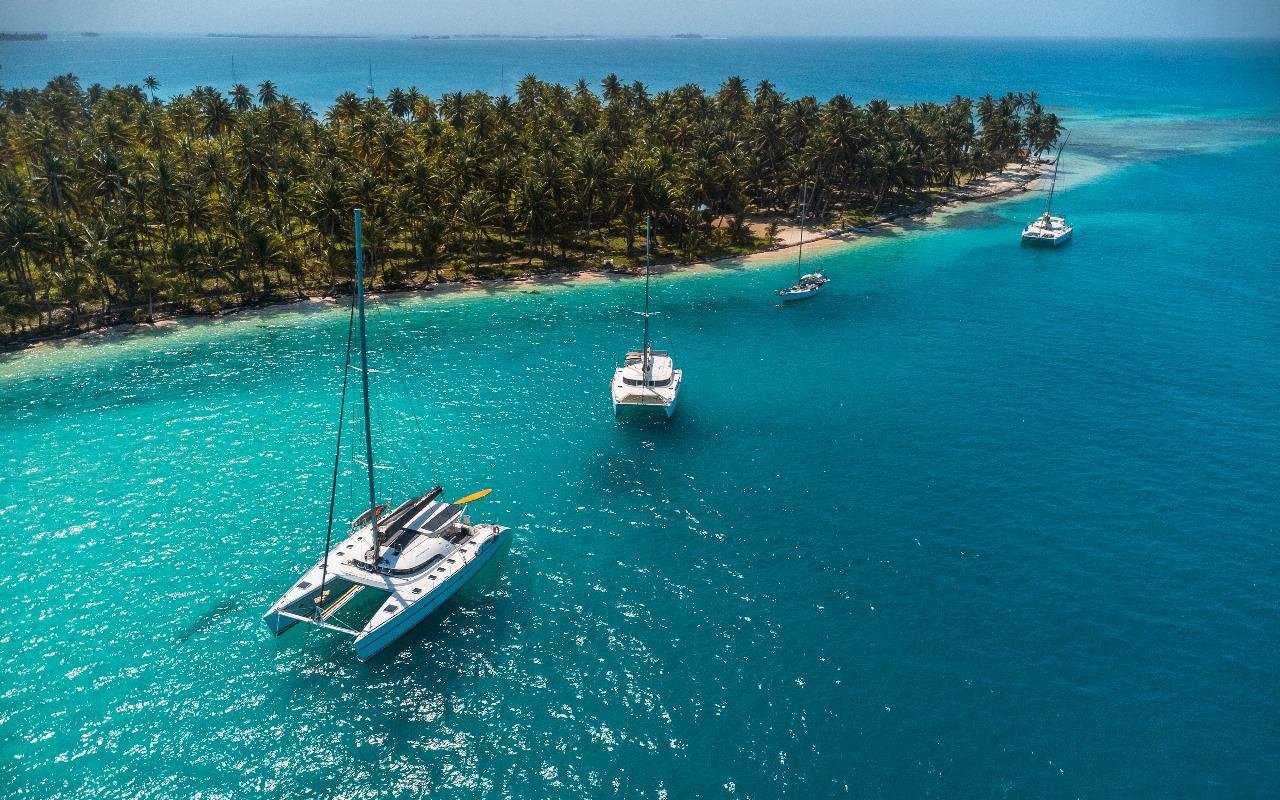
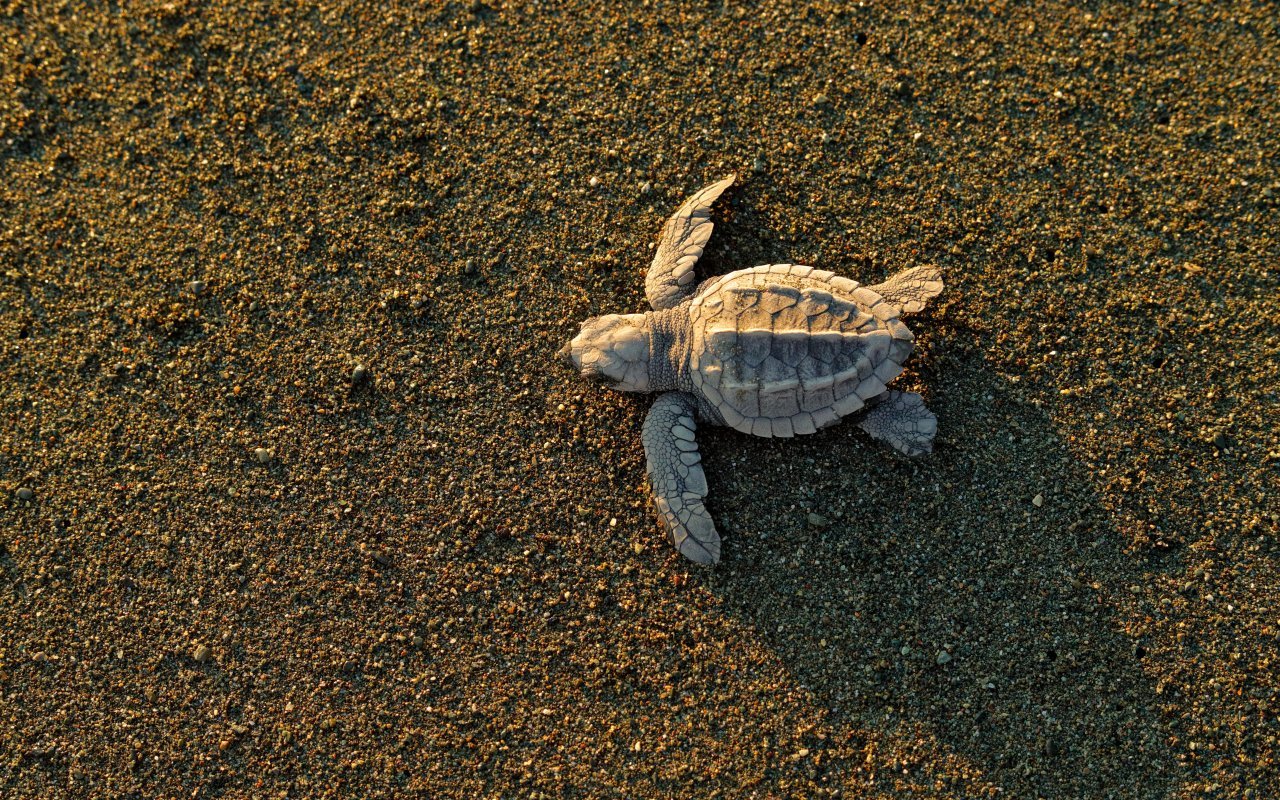
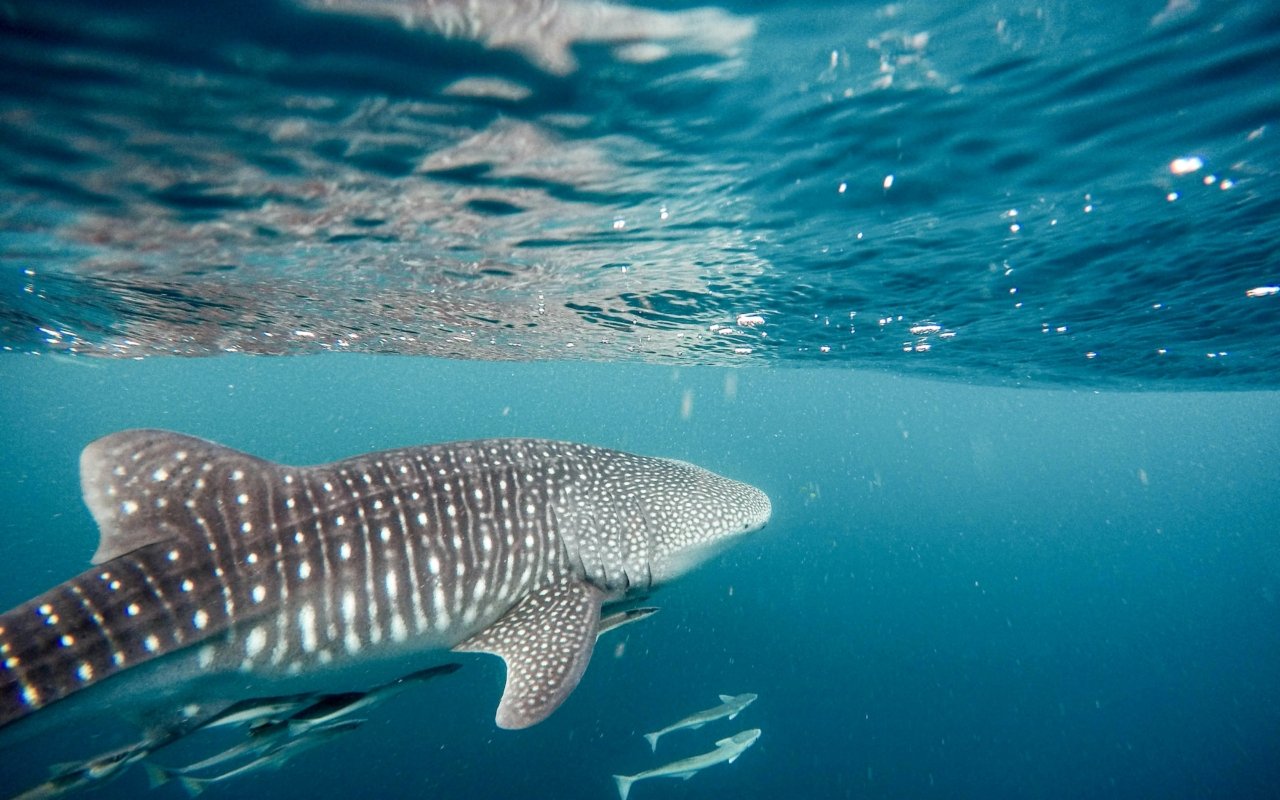
From the turquoise waters of the Caribbean to the powerful waves of the Pacific, Panama’s seas are teeming with life. Coral reefs are home to a multitude of tropical fish, while dolphins often accompany the boats. From July to October, humpback whales calve in the warm waters of the Pacific. A few months later, whale sharks appear in the Caribbean, impressively large but harmless . Between July and January, beaches are transformed into giant nurseries, when 5 out of 7 sea turtle species worldwide come to lay their eggs. The most spectacular phenomenon is the arribada, when thousands of turtles emerge from the sea at the same time to colonize the sand. Unfortunately, this phenomenon is difficult to predict, so if you happen to come across one on this day, you’re in luck.The manatee is also present in Caribbean waters in the Bocas del Toro archipelago on the border with Costa Rica, but observation of these species is difficult because they are not only discreet, but also highly endangered.
A paradise for bird lovers
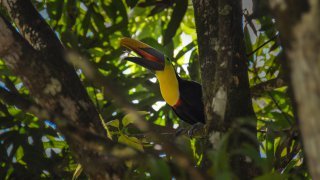
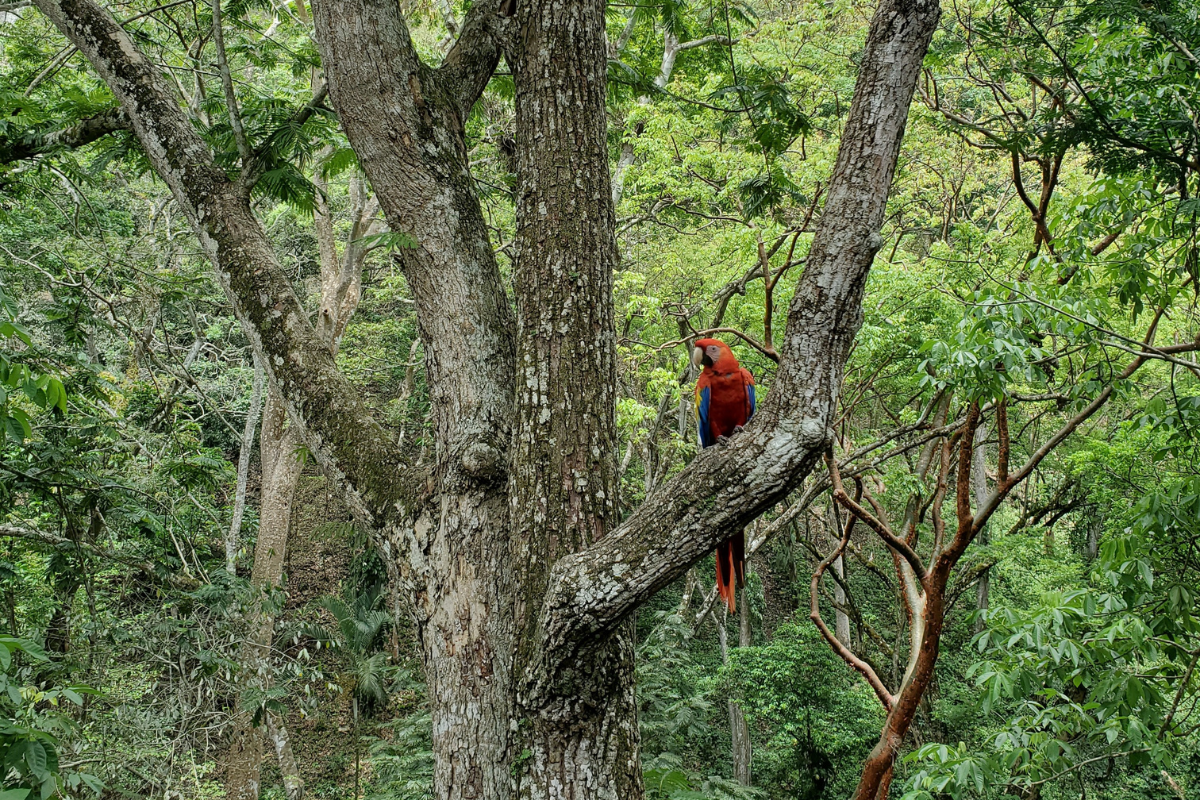
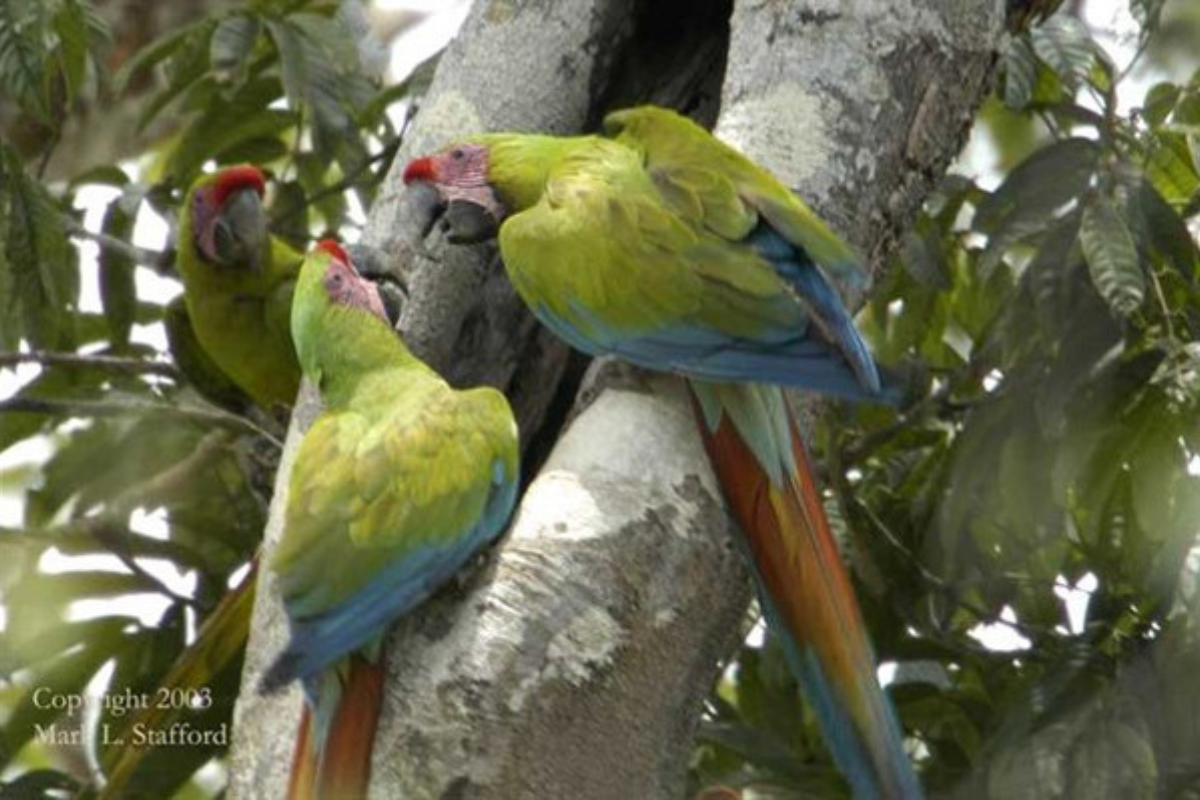
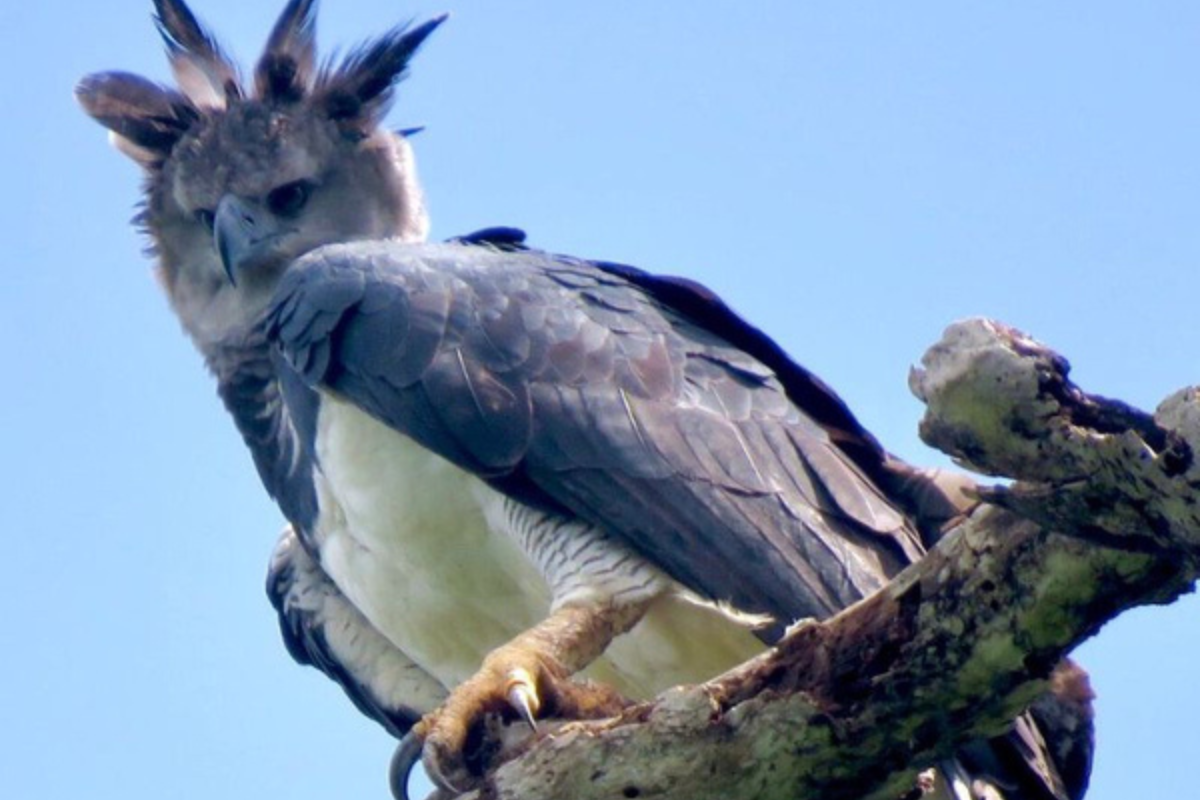
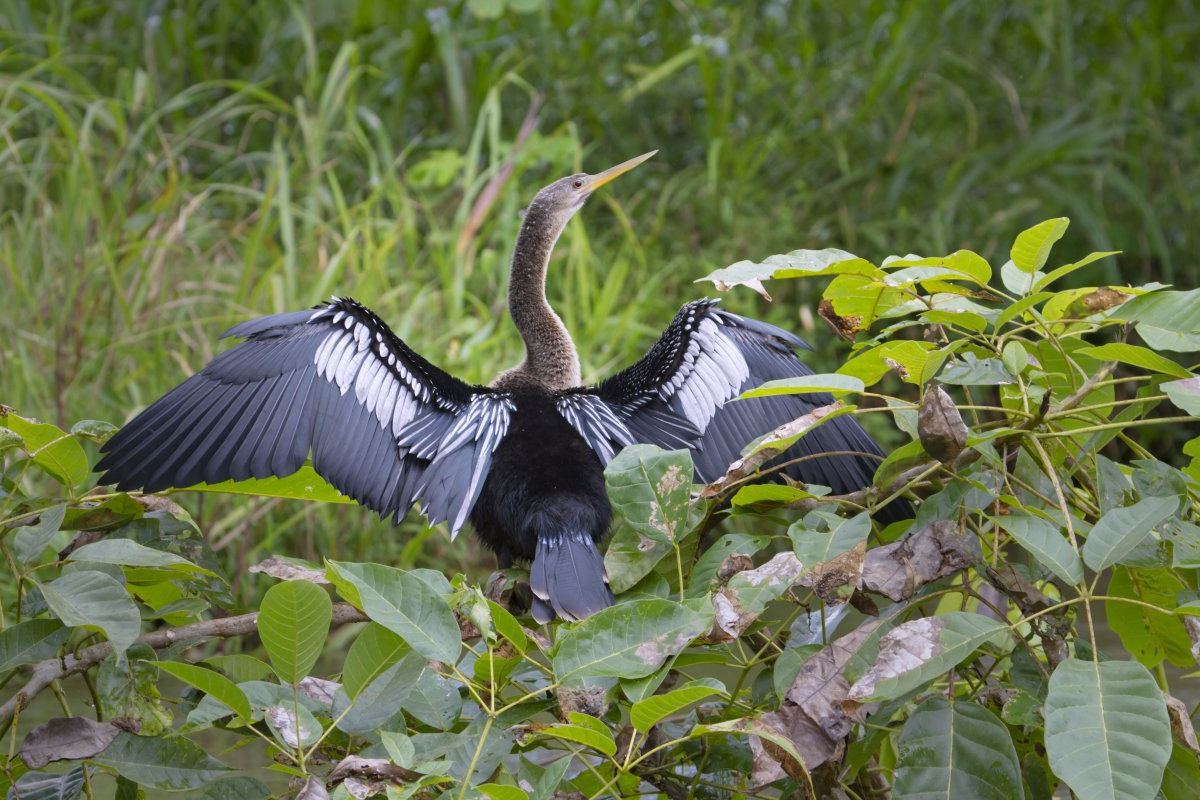
Panama is considered one of the world’s top destinations for birdwatching. Along the Pipeline Roadtrail , not far from the capital, it’s possible to see over a hundred species in a single day: multicolored macaws, toucans, hummingbirds or parrots . In the Chiriquí mountains, between February and May, the resplendent quetzalattracts enthusiasts from all over the world. More difficult to observe, the ferocious harpy, one of the most powerful birds of prey on the planet and another national emblem, reigns in the deep forests of the Darién.Finally, every autumn, the skies darken as thousands of migratory birds of prey from North America cross the isthmus in search of warmth, a spectacular sight that can be admired from the observation tower in Soberanía National Park.
Lush, varied flora
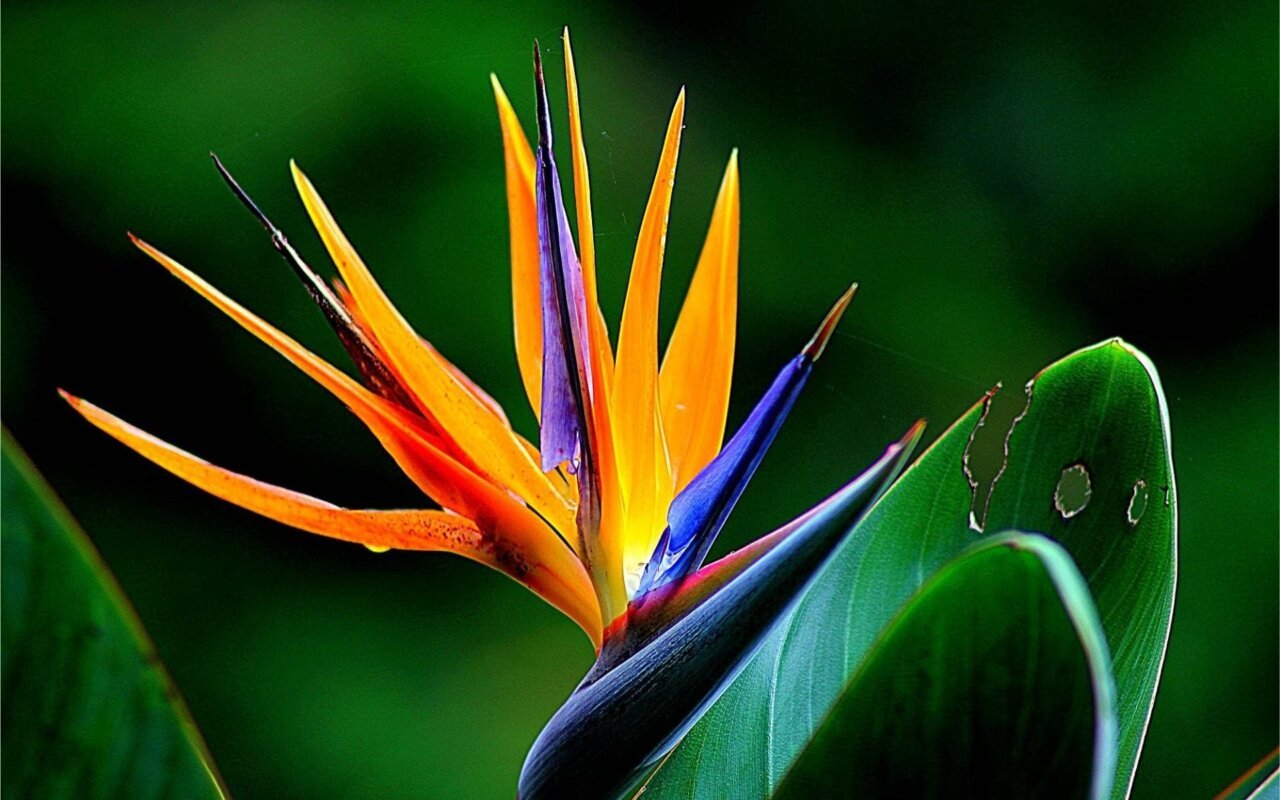
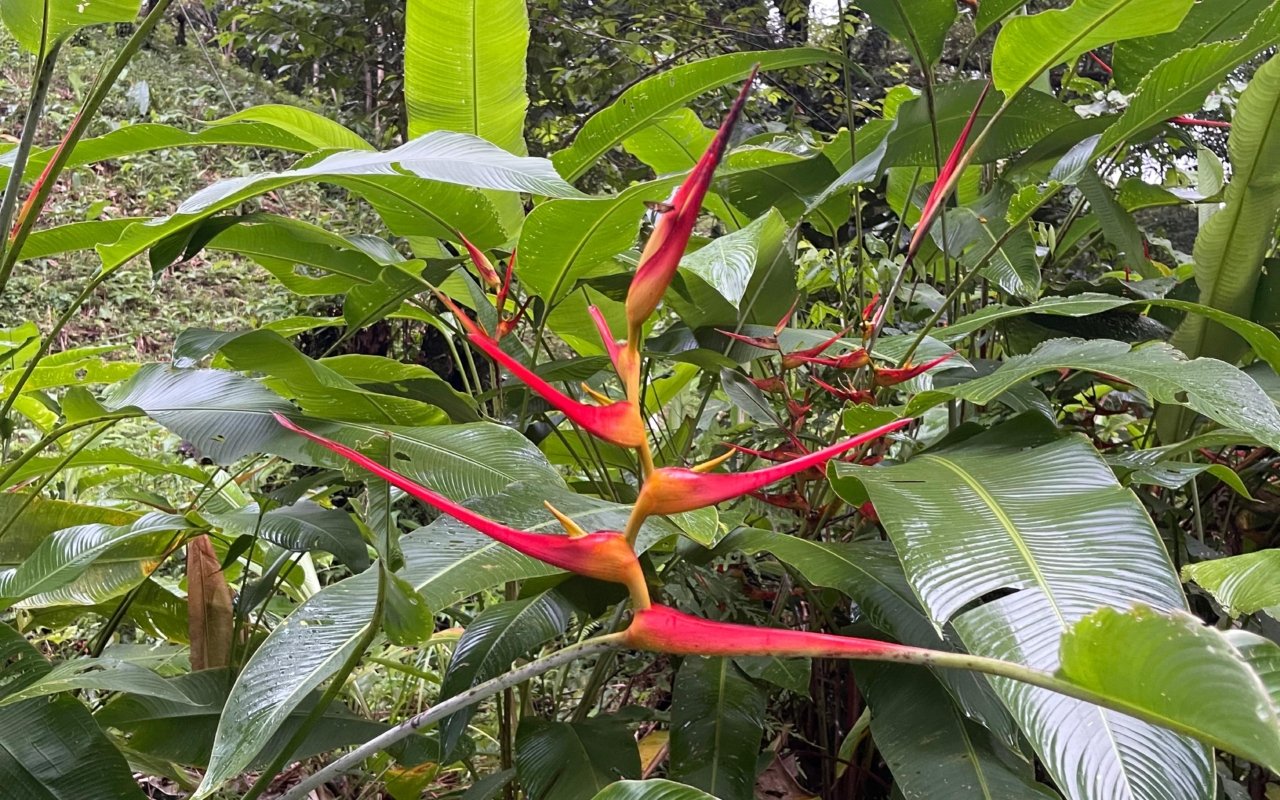
Panama doesn’t just impress with its animals: its flora is just as spectacular. The country is home to more than 10,000 plant species, from tropical rainforests to coastal mangroves and cloud forests perched in the Chiriquí mountains. Orchids, some of which are endemic, dot the trails with their delicate blooms. Among them, the Peristeria elata, nicknamed the flower of the Holy Spirit, has been declared Panama’s national flower. Its pure white heart evokes the silhouette of a dove in flight, a symbol of peace and spirituality. The forests are home to a wide variety oftropical trees, from majestic ceiba to slender palms. In mountainous regions, pine and bamboo forests create a mysterious atmosphere, shrouded in mist. Mangroves, meanwhile, play a vital role in protecting coastlines and serving as nurseries for a multitude of marine species. Wherever you travel in the country, vegetation is omnipresent, contributing to the impression of total immersion in a world that is still untamed.
When to see Panama's flora and fauna?
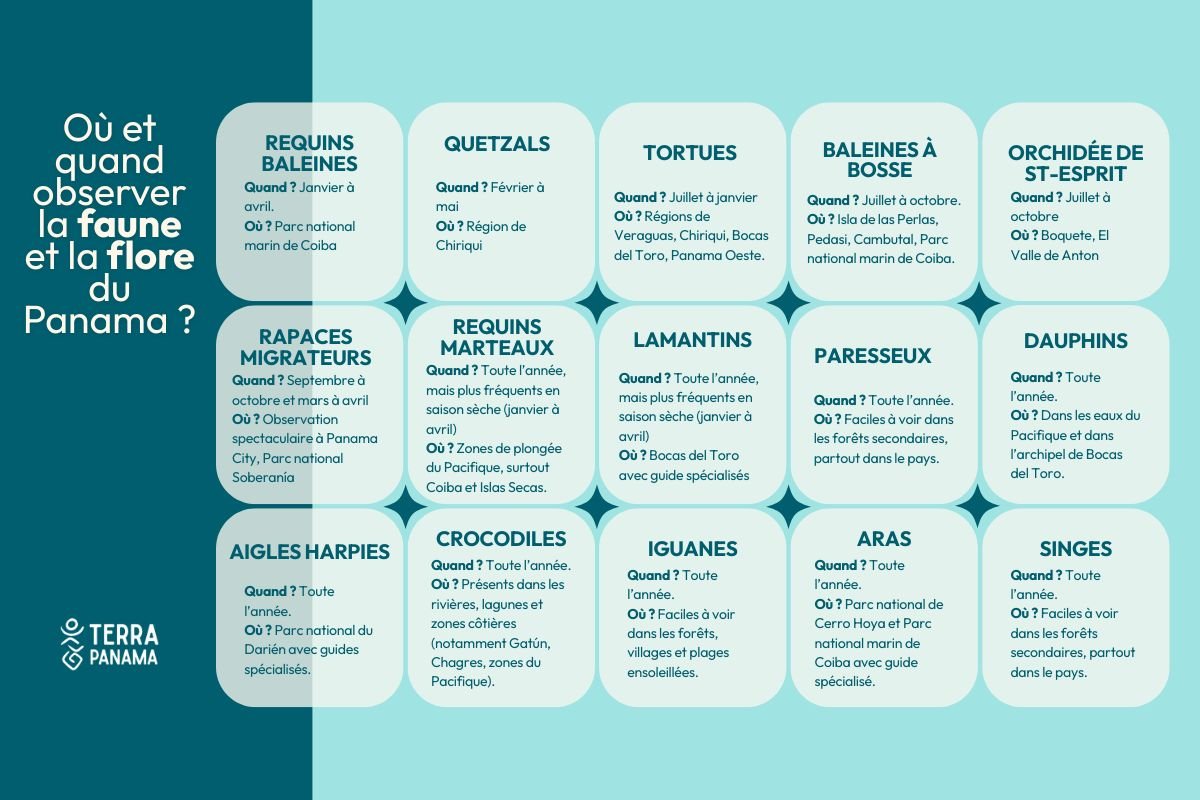
Panama is a veritable natural sanctuary, where each month has its own surprises in store. Whale season in the Pacific, the arrival of sea turtles on the beaches, quetzal sightings in the mountains or encounters with sloths in the jungle… wildlife follows its own calendar. It’s not always easy to keep track! That’s why we’ve put together a rundown of the best times to go wildlife-watching in Panama. And if you’d like to know where to go to enjoy these unique experiences, contact us: we’ll guide you to the right places, at the right time.
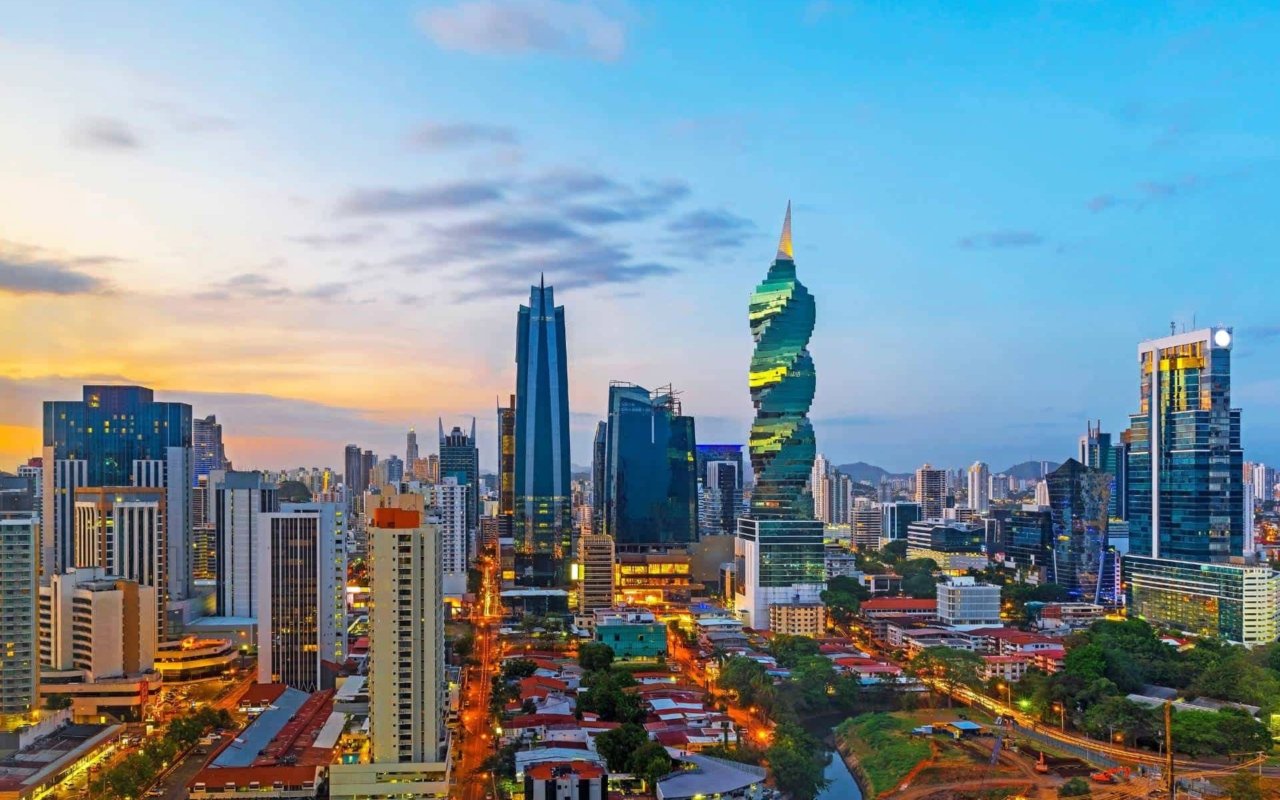
What makes Panama so unique is the ease with which travelers can access this biodiversity. Just a few kilometers from Panama City, it’s already possible to come across monkeys or observe tropical birds. In a single day, you can hike through the jungle, dive in a coral reef and end the evening watching sea turtles on a secluded beach. Panama is not just a land of canals and skyscrapers: it’s a land of raw, vibrant and generous nature, where every encounter with flora and fauna turns into an unforgettable memory.