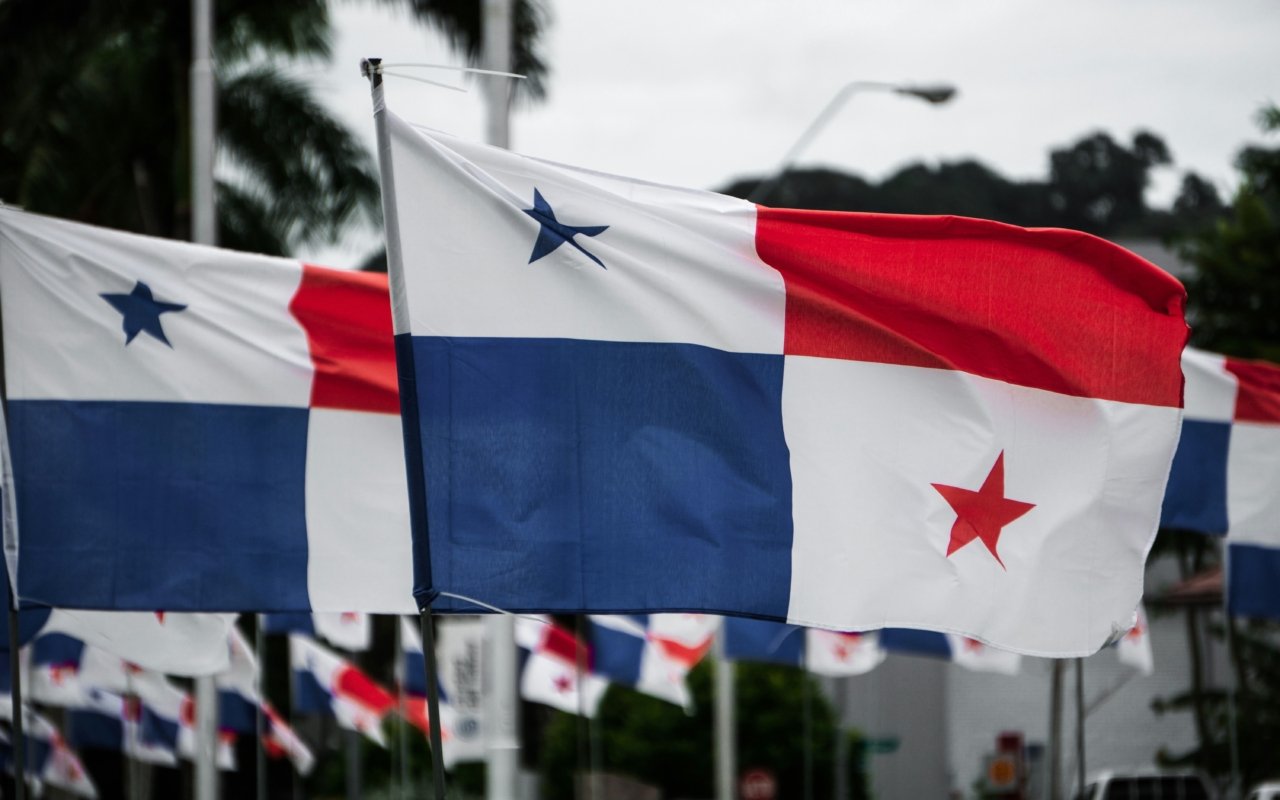
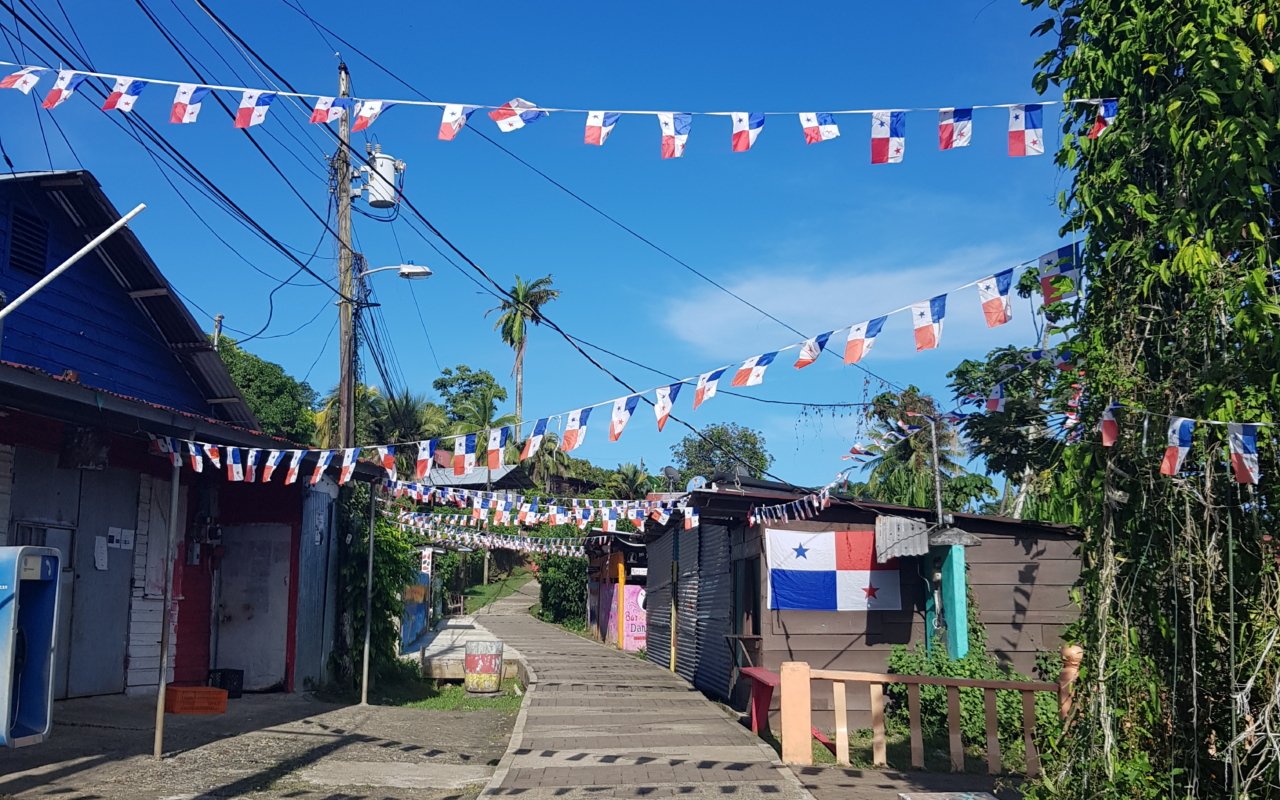
Every year, the month of November in Panama is synonymous with national celebrations. Called el mes de la patria (the month of the fatherland), it brings together a series of public holidays and commemorations linked to the country’s history and independence. Everywhere, homes, schools, businesses and institutions are decked out in Panamanian flags. The streets come alive with parades, bands and festivities, immersing residents and visitors alike in a unique, patriotic atmosphere.
Why is November so important in Panama?
November brings together several key dates in the country’s history, marking both its independence from Spain and its separation from Colombia. Each holiday is an opportunity to pay tribute to national heroes, culture and the symbols of the Republic, andthe celebrations are not limited to a single day: an entire month of FiestasPatrias transforms Panama into a festive and colorful stage.
Dates to remember
- november 3 – Separation from Colombia (1903)
Thisis the main national holiday, celebrating the birth of the Republic of Panama. The streets are filled with parades and music, a powerful moment of national identity. - november 4 – Flag Day
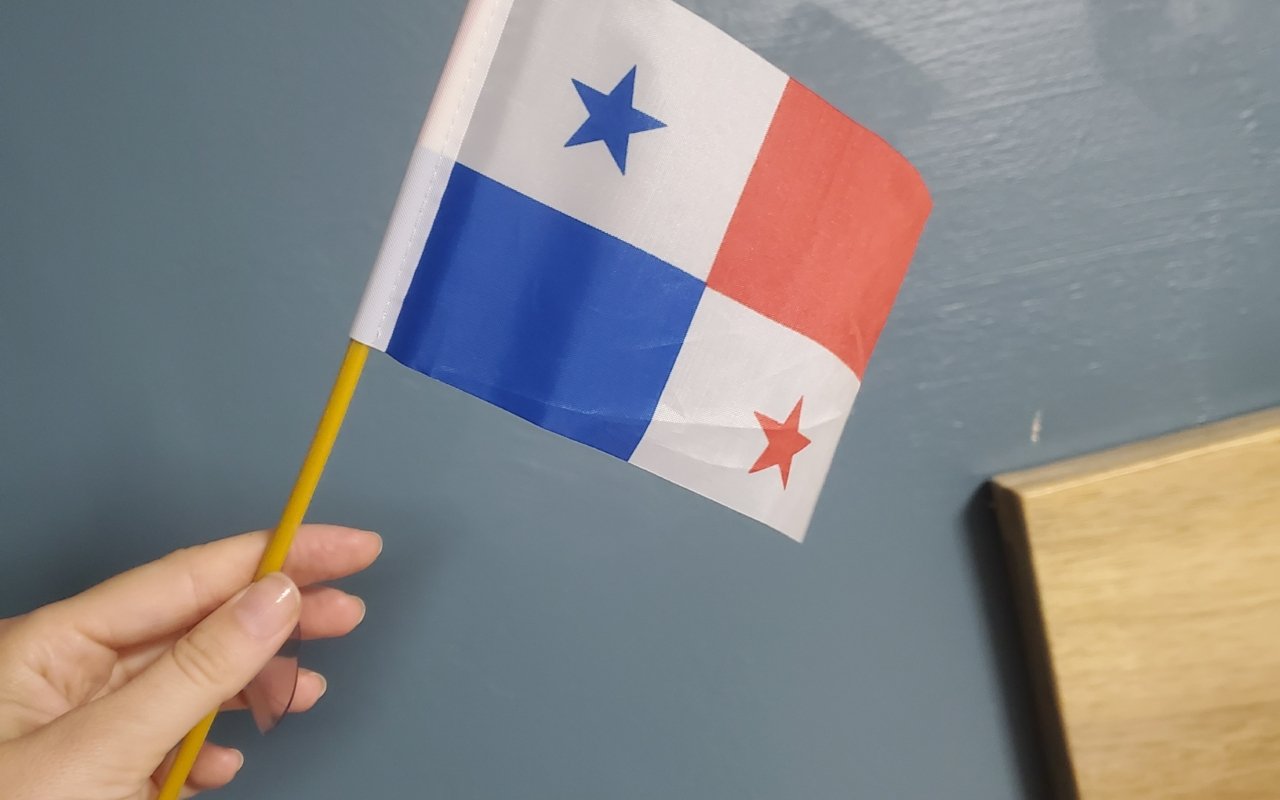
The Panamanian flag, adopted in 1903, is honored. Schools, the armed forces and various institutions organize parades and ceremonies. - november 5 – Consolidation of separation (Colón)
In Colón, this date commemorates the events that led to the definitive separation from Colombia. - november 10 – First cry of independence at La Villa de Los Santos (1821)
A precursor uprising against Spain that paved the way for full independence a few weeks later. - november 28 – Independence from Spain (1821)
Celebration ofthe official act that freed Panama from Spanish rule.
Experience the Fiestas Patrias as a visitor
For travelers, attending the Fiestas Patrias is a unique cultural experience. It’s a chance to discover the country from a different angle, to share moments of national pride and to feel the unity of a people around its history
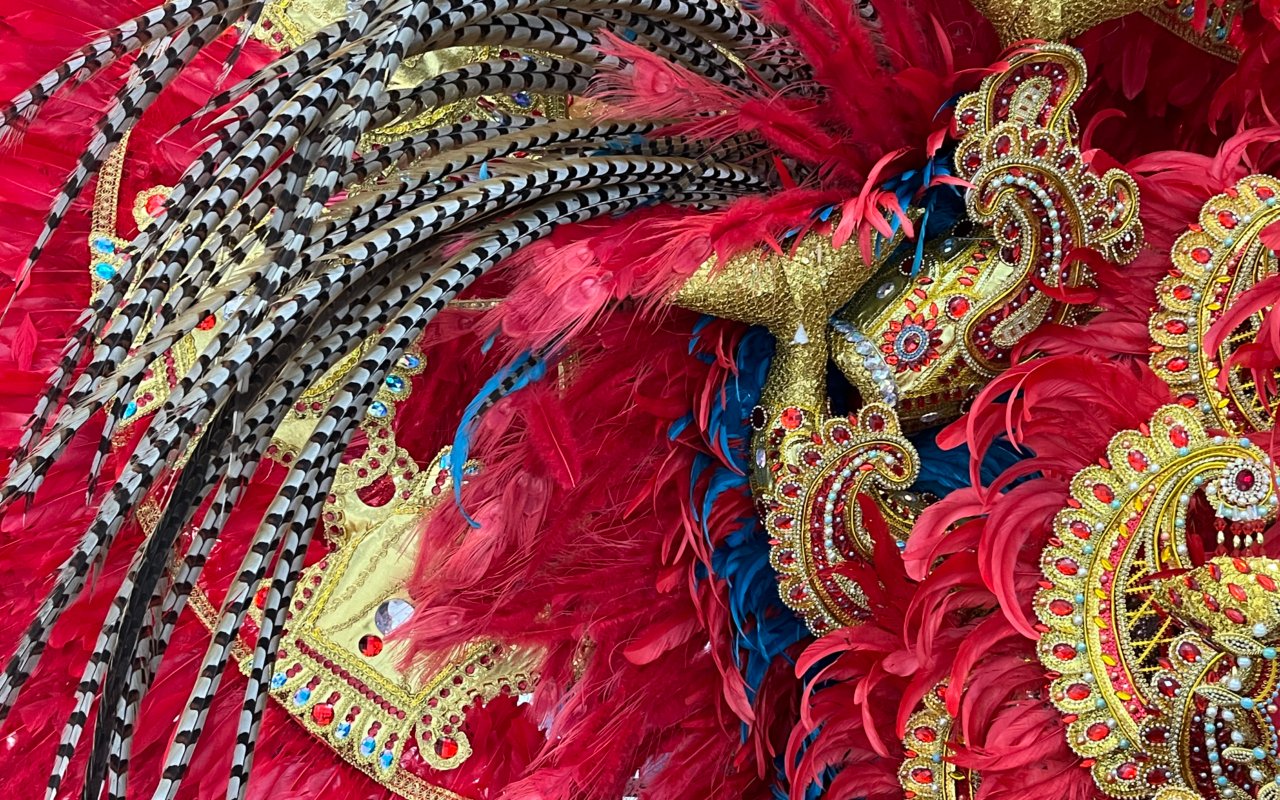
- School and military parades (especially in the capital) offer a colorful spectacle, to the sound of drums and brass bands.
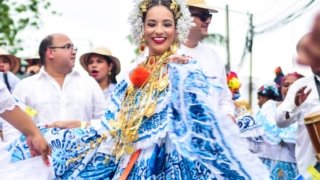
- The locals proudly wear their traditional costumes, such as the famous pollera for women and the montuno for men.
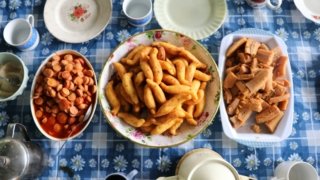
The streets come alive with stalls, music, dances and typical dishes, while cars are adorned with flags, as are all buildings and institutions..
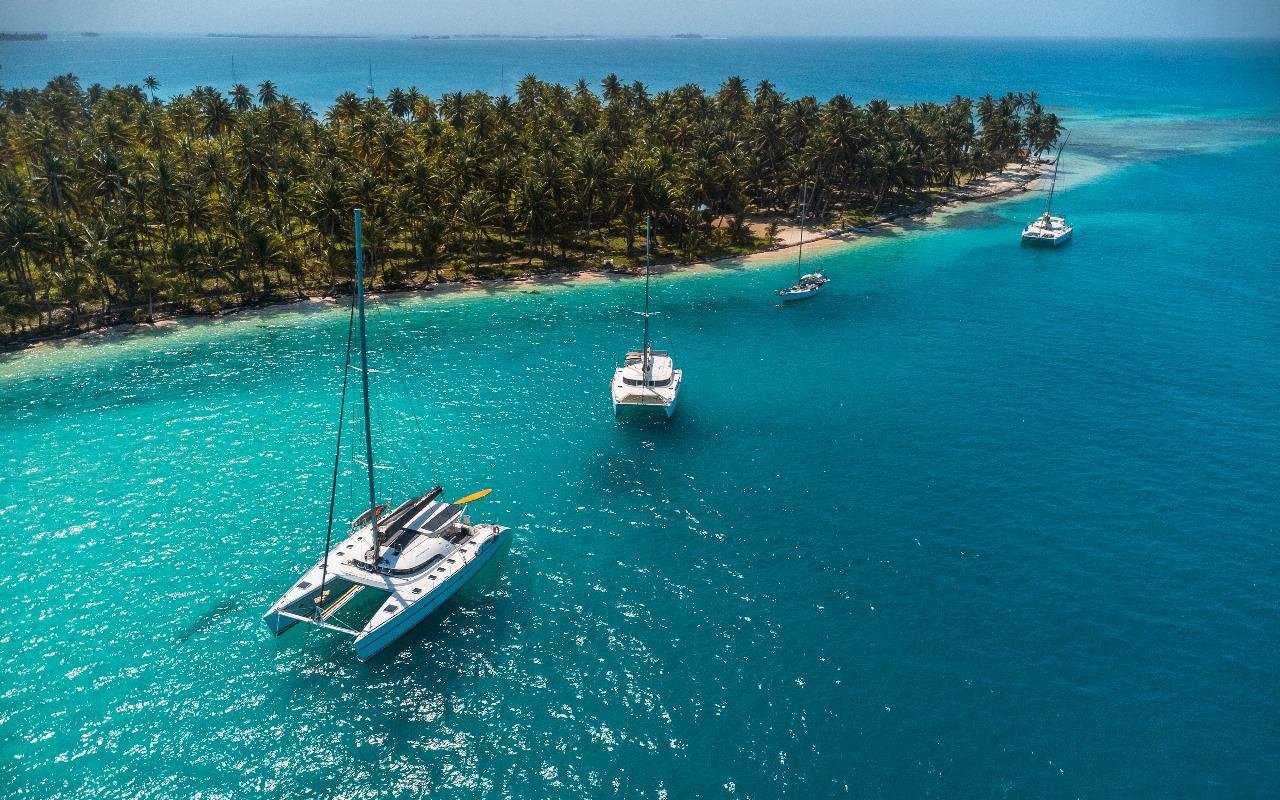
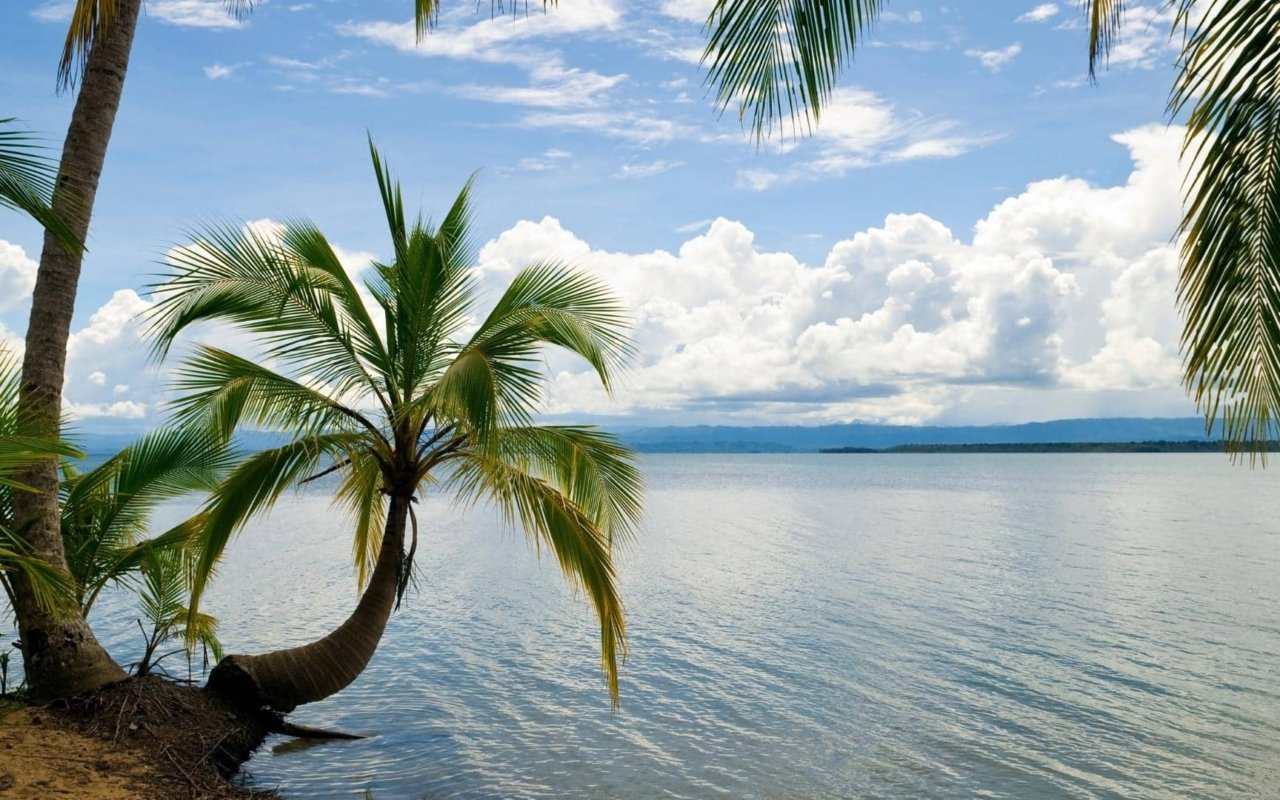
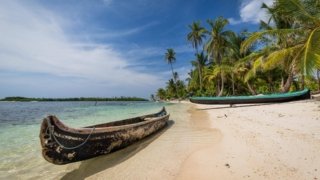
Practical tip:In addition to international tourists, most Panamanians take their vacations at this time of year. Domestic tourism is favored. Panamanians go mainly to seaside destinations such as Bocas del Toro or the Pacific coast near Panama City. This means
- Closed streets in major cities, such as Panama City, David or Colón.
- Hotels booked several months in advance in some regions.
- Higher prices due to the influx of visitors.
If you’re planning a trip to Panama in November, remember to book early and plan your travel flexibly.