Looking for an off-the-beaten-track destination that combines cultural authenticity with natural splendor? Panama is well worth a visit. This small Central American country, often mistakenly reduced to its famous canal, actually conceals unsuspected treasures that make it one of the most complete destinations on the continent.
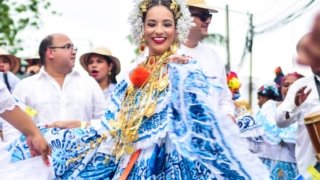
This small territory is home to seven vibrant indigenous cultures – from the Guna, with their colorful textiles in the San Blas archipelago, to the Emberá, who perpetuate their traditions in the heart of the Darién forest – as well as Caribbean archipelagos with translucent waters that rival the most beautiful postcards in the Caribbean, and a biodiversity that surpasses that of neighboring Costa Rica, with more bird species than the USA and Canada combined.
Add to this a fascinating history marked by conquistadors, pirates, the California gold rush and the extraordinary engineering feat of the Interoceanic Canal – one of the Seven Wonders of the Modern World – which continues to link the Pacific and Atlantic oceans. Panama offers this rare combination of adventure, culture, paradisiacal beaches and historical heritage, all in a compact, easy-to-navigate country, where the tropical climate makes year-round travel possible.
1. Panama City, meeting point of the Americas
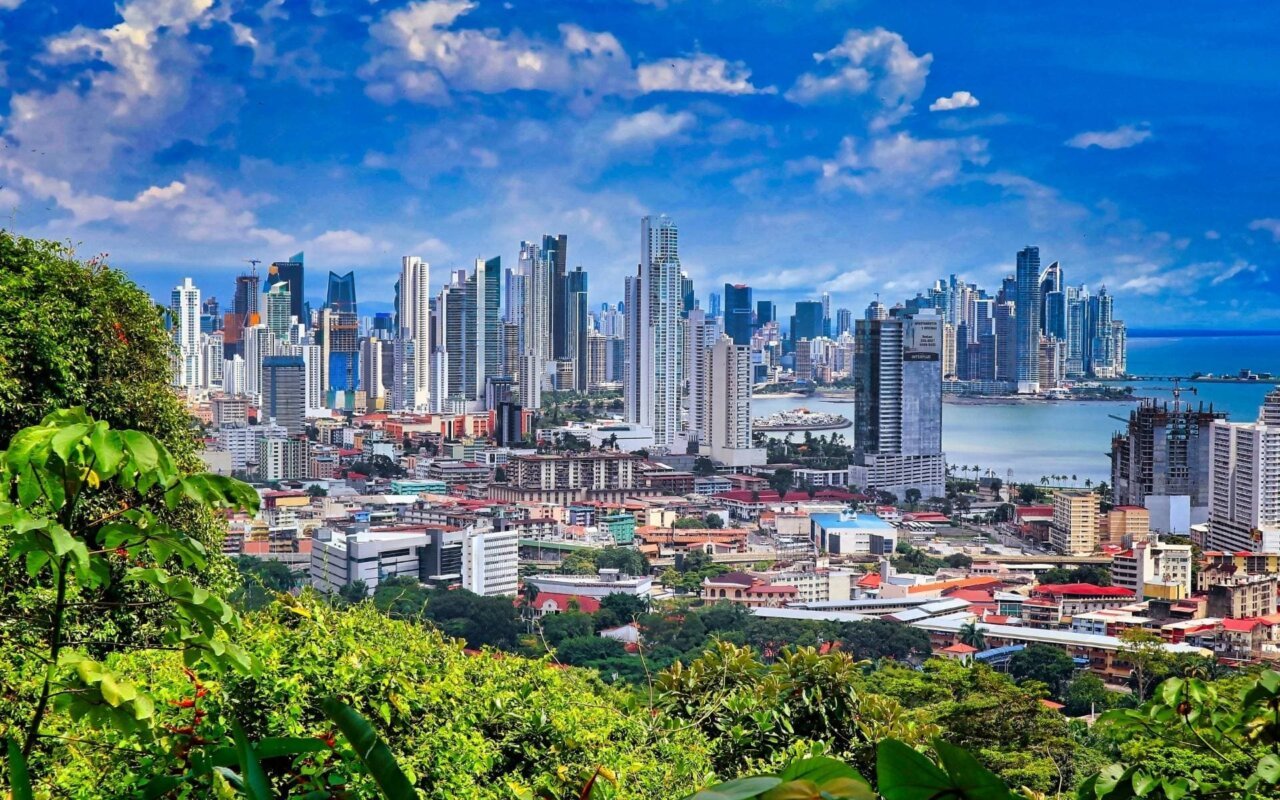
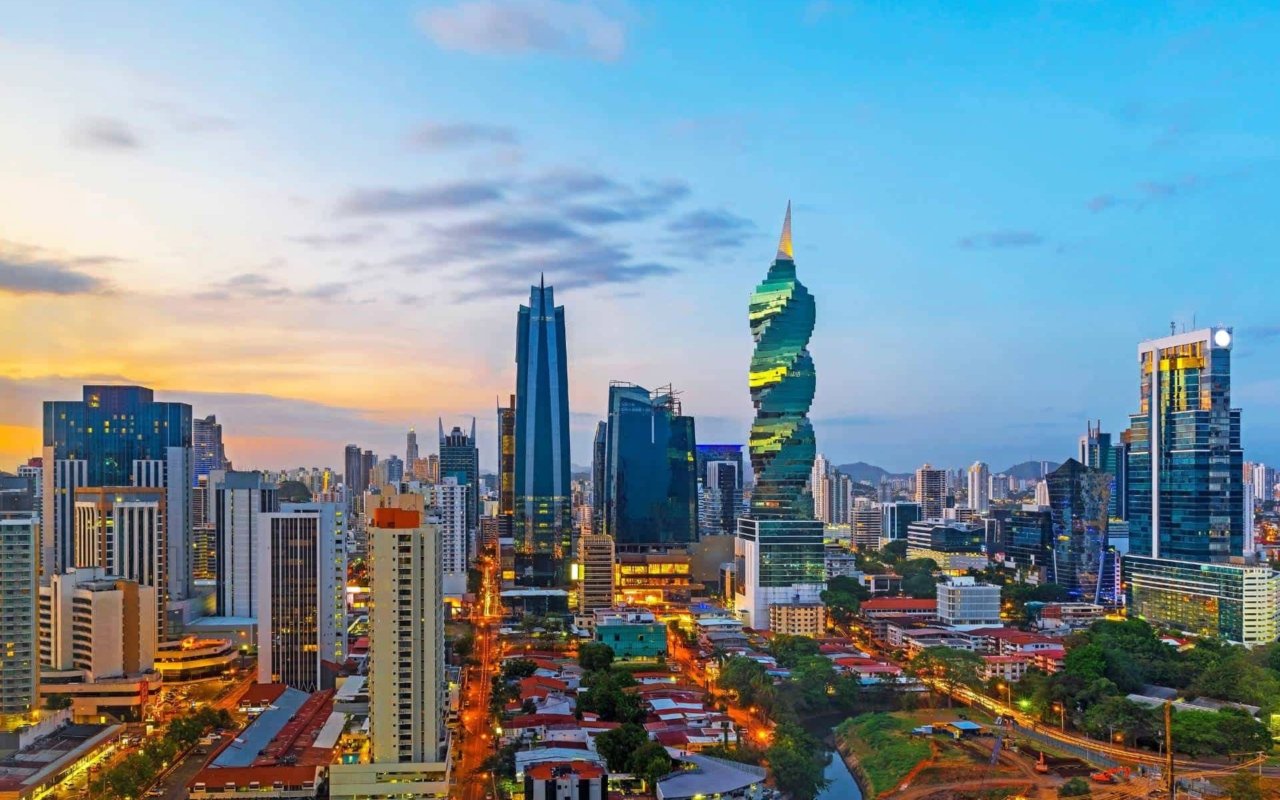
Panama City, the dynamic capital, is well worth a three- or four-day visit, as it is such a concentration of the country’s contrasts and riches. This unique tropical metropolis tells the story of Panama’s turbulent history through its radically different neighborhoods. In its streets, Guna women dressed in their traditional multicolored molas rub shoulders with executives in hurried suits and ties, expatriates from the four corners of the globe with descendants of the West Indian canal workers, retired Americans with permanent residences and backpackers on their way to Colombia.
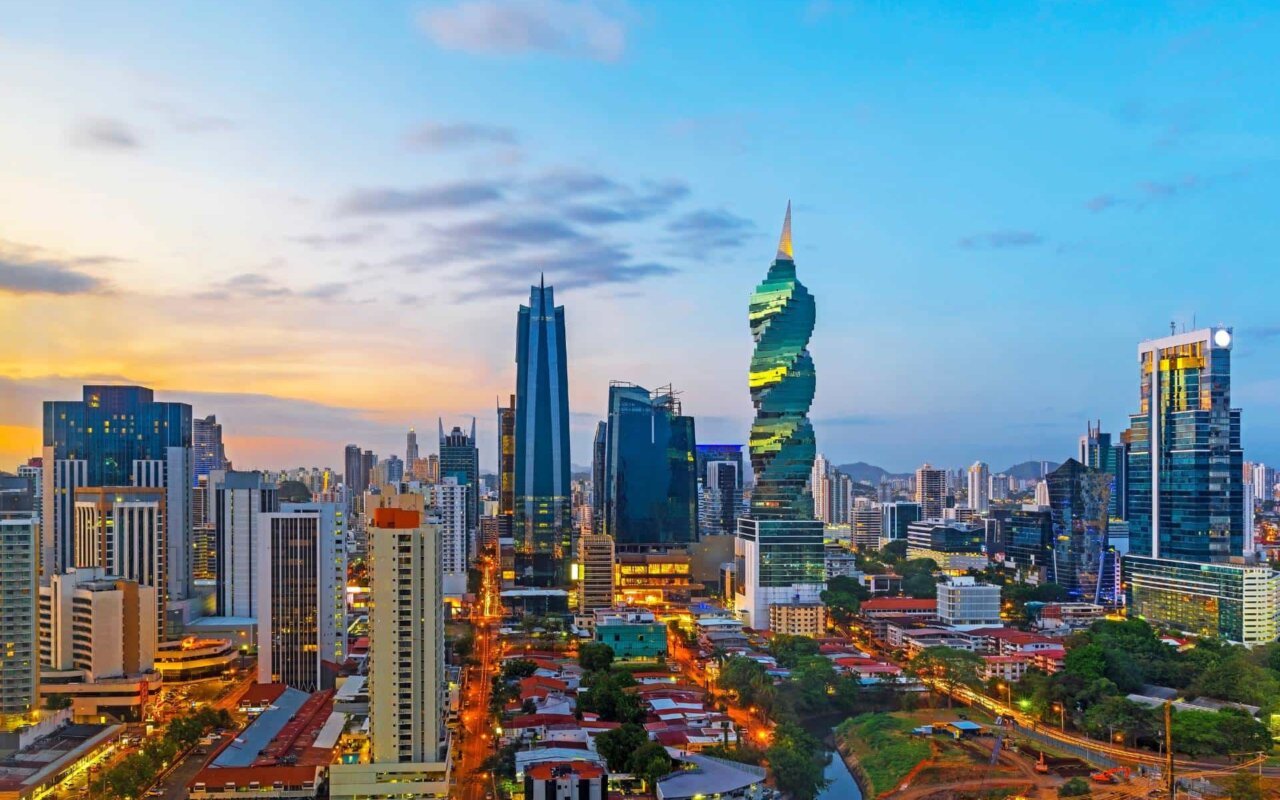
This diversity makes Panama City one of Latin America’s most cosmopolitan capitals, where Spanish blends with English and indigenous languages in a permanent melting pot. In the late afternoon, the Cinta Costera – the long promenade along the bay – becomes a favorite meeting place for Panamanians and visitors alike, who come to admire the spectacular sunsets that set the modern skyline ablaze, creating a daily spectacle of ocean, skyscrapers and tropical light.
The colonial district of Casco Viejo, a UNESCO World Heritage Site, is undeniably charming, with its cobbled streets, colorful facades with wrought-iron balconies and Baroque churches irresistibly reminiscent of its Colombian cousin, Cartagena de Indias. Carefully renovated in recent years, this historic district now vibrates to the rhythm of its trendy cocktail bars, gourmet restaurants and contemporary art galleries, while retaining the authenticity of its local shops and historic inhabitants. At the geographical and stylistic opposite end of the spectrum, the business district of Punta Pacifica and Marbella spreads out its forest of futuristic skyscrapers – Panama City has been dubbed the “Dubai of the Americas” – where rooftop bars offer breathtaking panoramas of the city and ocean, perfect for sophisticated evenings out. Between these two extremes, the Amador district, built on a kilometer-long jetty linking three small islands, offers a hypnotic view of the incessant ballet of giant container ships crossing the Pacific entrance to the canal, a reminder of the strategic importance of this maritime route. Beyond its urban attractions, Panama City serves as an ideal base camp for numerous day trips that reveal the natural and cultural wealth of the surrounding area.
2. Panama, a country between two oceans
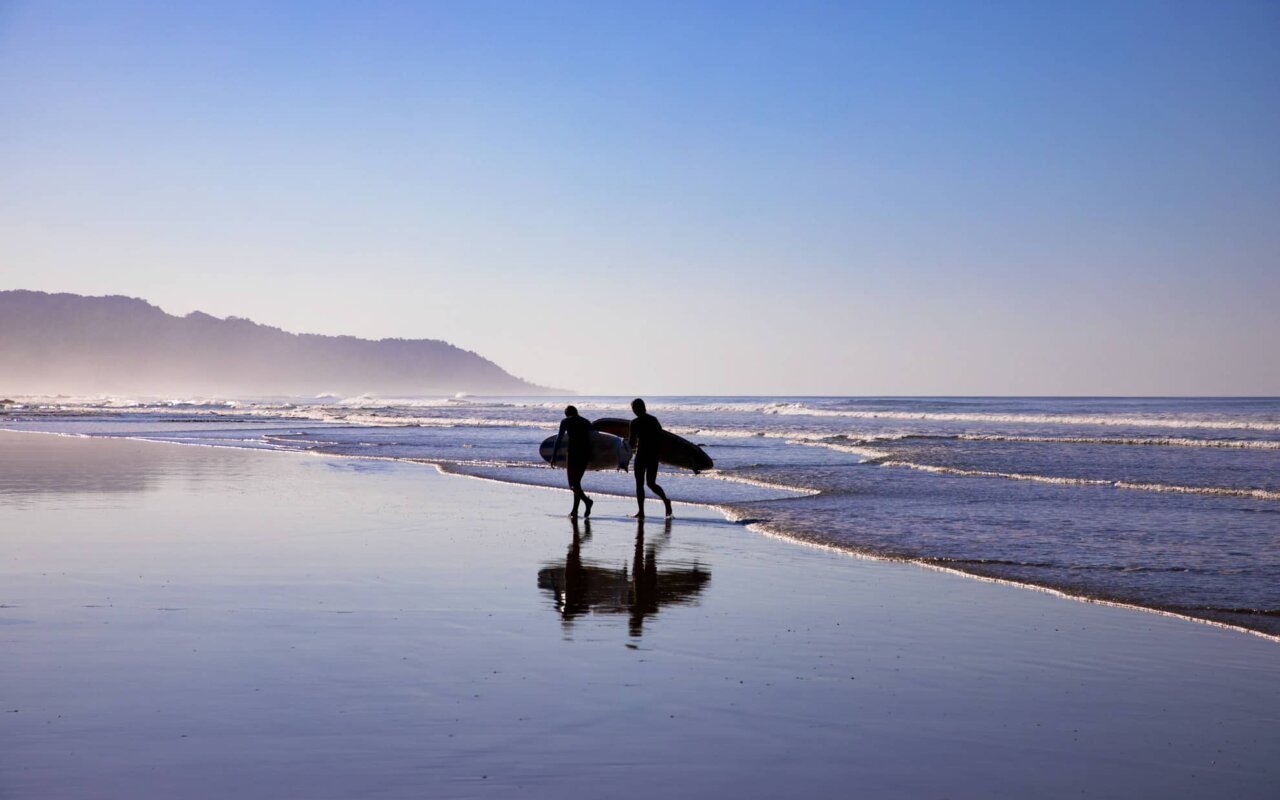
Panama has a geographical privilege that is unique in the world: it’s the only country where you can watch the sun rise over the Pacific Ocean and set over the Caribbean Atlantic on the same day. This curiosity is only possible here, thanks to the singular orientation of the Panamanian isthmus, which winds from east to west rather than north to south as one might imagine. At its narrowest point, just 80 kilometers separate the two oceans – a distance that can be covered in less than two hours by road – allowing you to literally have breakfast facing the Pacific and dinner with your feet in the warm waters of the Caribbean Sea. This exceptional configuration has shaped the country’s entire history, from colonial trade routes to the modern canal, and today offers travelers a rare experience: that of sailing from one ocean to the other, passing from the powerful swells of the Pacific to the translucent turquoise waters of the Atlantic.
3. The San Blas archipelago
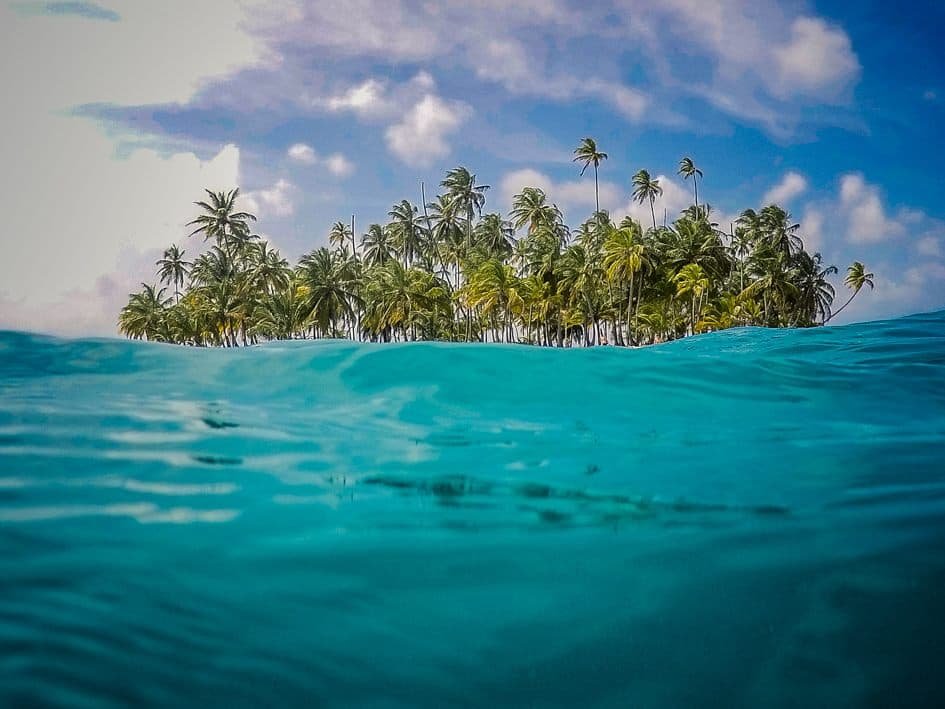
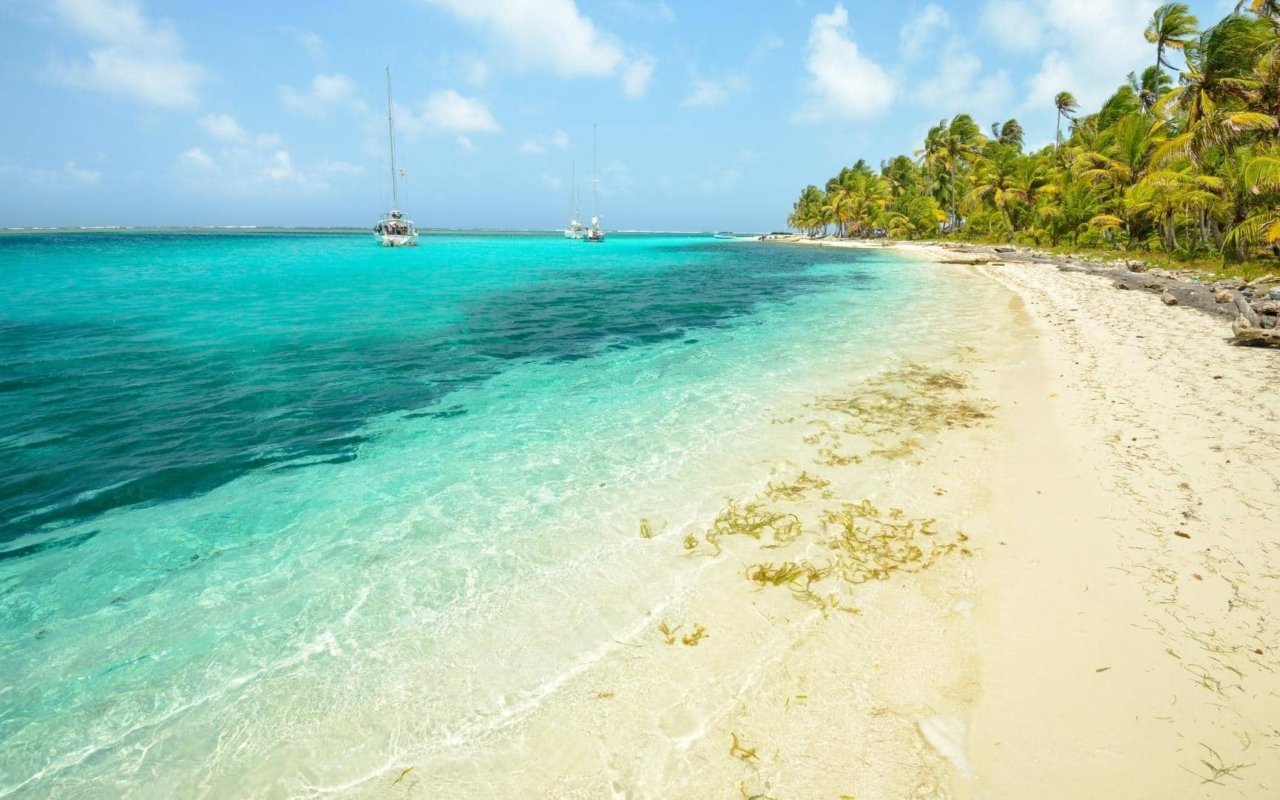
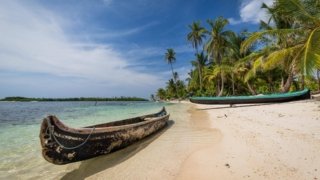
The San Blas archipelago, in the heart of the Caribbean Sea, is a postcard-perfect beauty. Officially known as Guna Yala, it stretches over 200 kilometers along the Panamanian Caribbean coast and comprises some 365 islands and islets, of which only around 50 are inhabited.
This constellation of coral islands, some no larger than a soccer pitch, embodies the quintessential tropical paradise: coconut palms leaning over powdery white sand beaches, translucent turquoise waters revealing coral-covered seabeds, and that Caribbean light that sublimates every moment.
San Blas also offers a much deeper and more authentic experience than classic beach destinations. A stay here means accepting to live to the Guna island rhythm, to sleep in rustic cabañas without electricity or hot water, to eat freshly caught fish and coconut rice, and to discover one of the best preserved indigenous cultures in Latin America.
4. Jungle and tropics
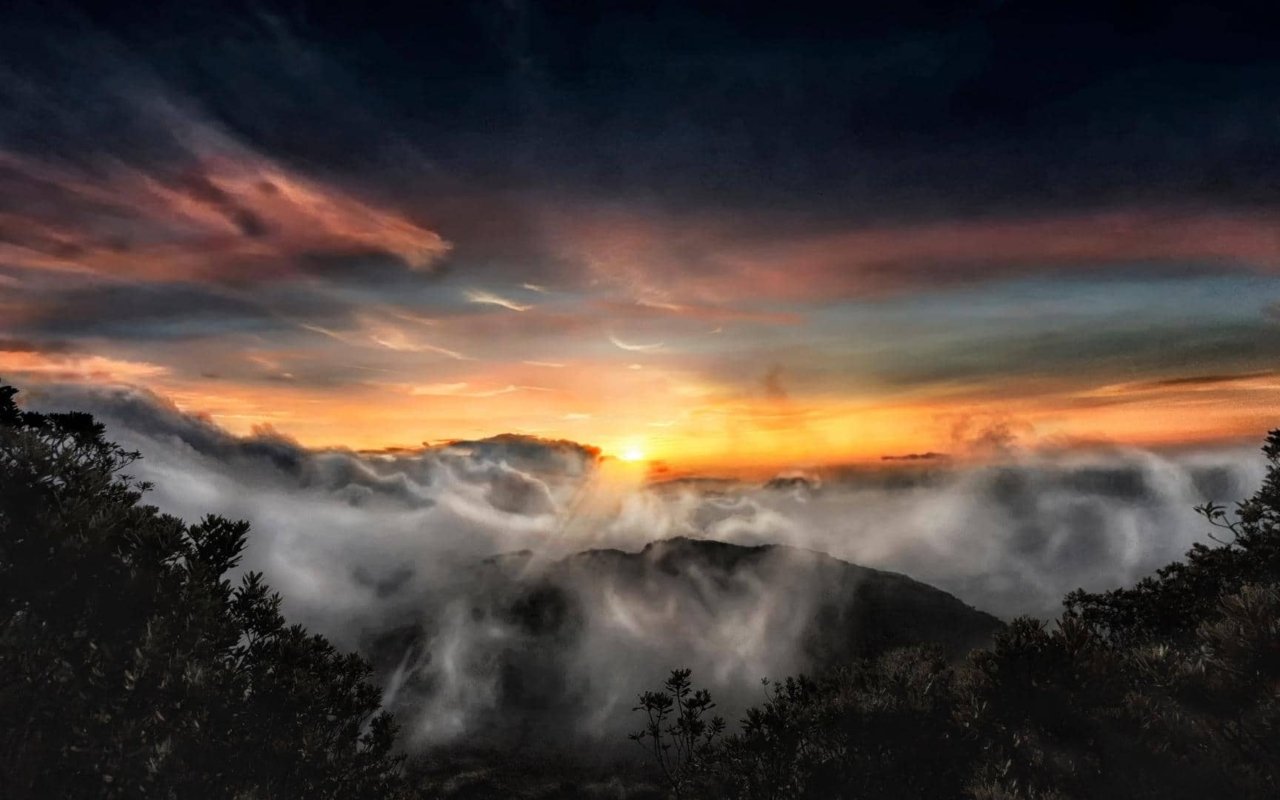
Panama’s exceptional geographical configuration allows you to combine radically different experiences in the space of just a few hours. This diversity, concentrated in a compact territory, is one of the country’s major assets: you go from misty jungle to Caribbean beaches, from vertical metropolis to indigenous villages, often in the course of a single day without ever driving for more than a few hours.
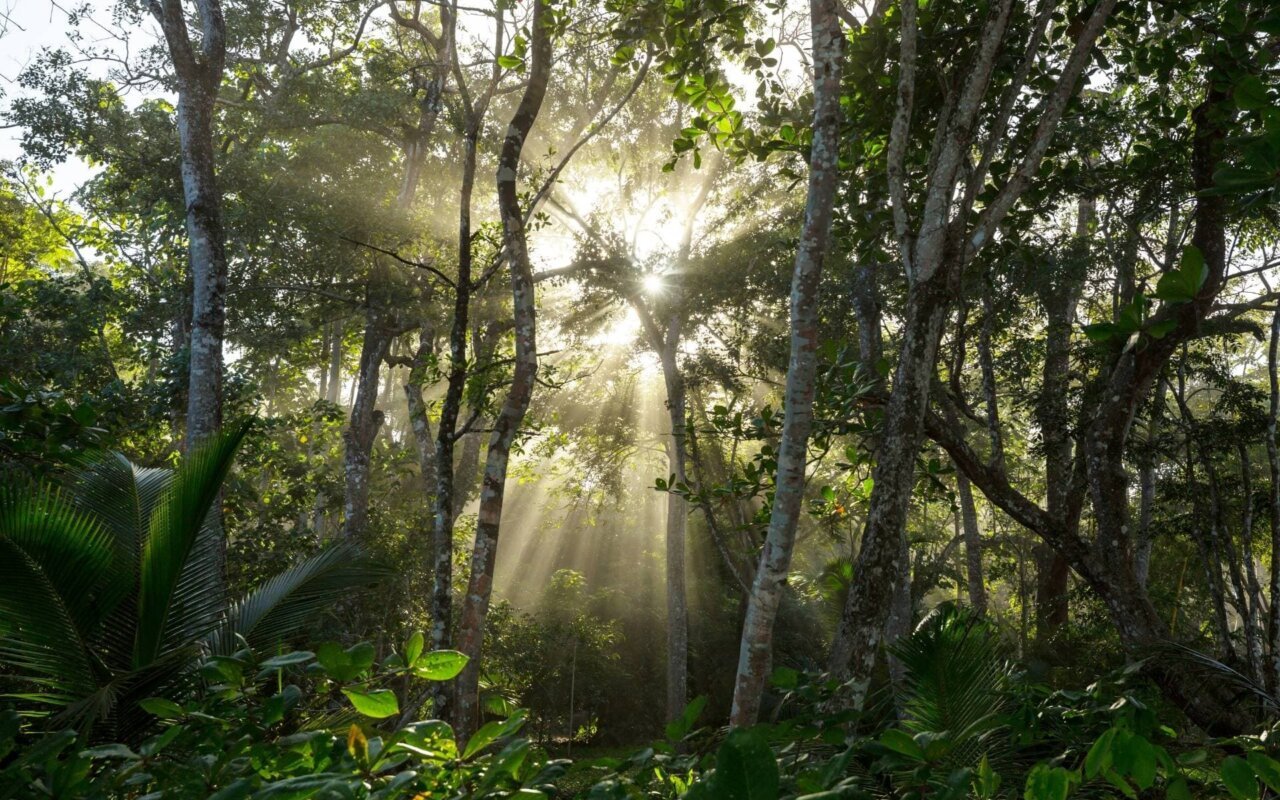
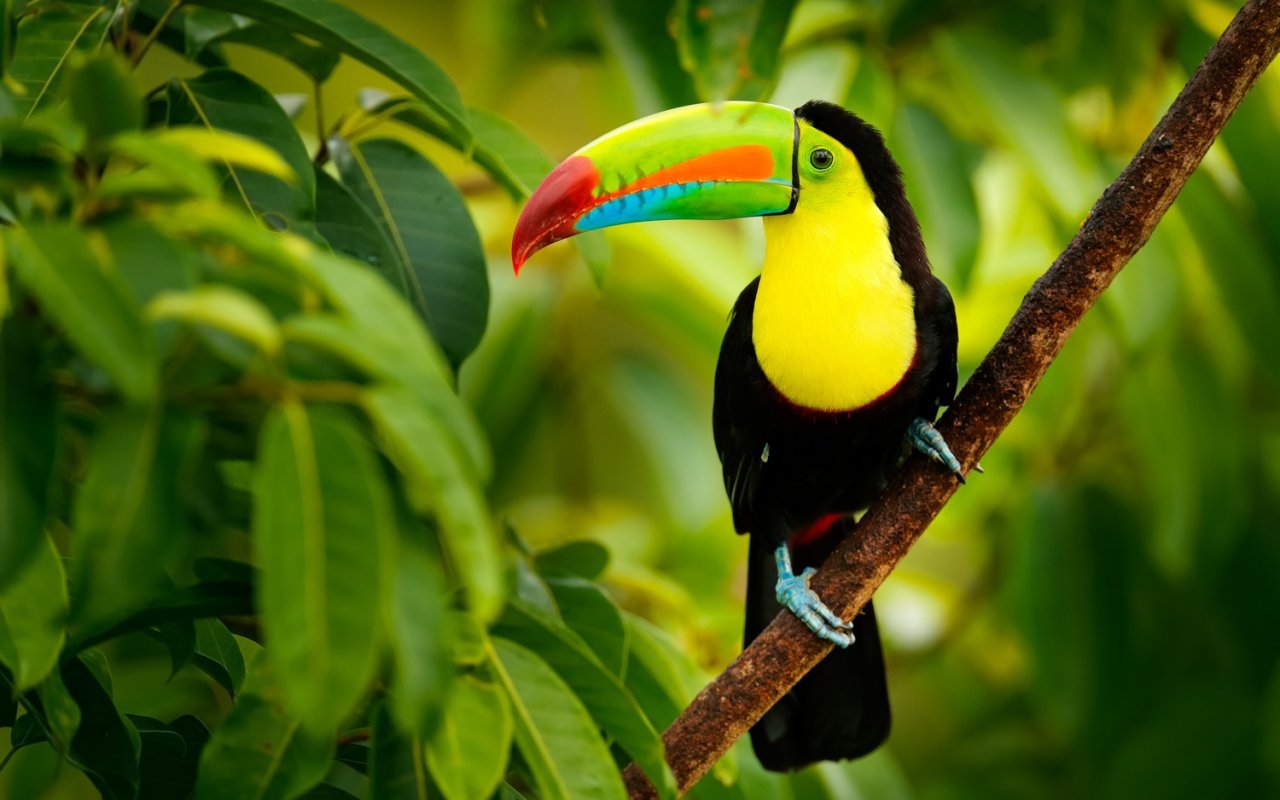
Take a day trip from Panama City, for example: your morning can start with a hike in the Metropolitan Natural Park, one of the few urban rainforest parks in the world, where sloths, toucans and iguanas roam just a few minutes from downtown.
In the middle of the day, head for the Gatún locks on the Atlantic coast – the largest in the Panama Canal – where you’ll witness the impressive spectacle of giant container ships passing through these monumental water gates built over a century ago. The afternoon naturally continues on to Portobelo, the former Spanish fortified port where gold from Peru passed through in the 16th century. Its imposing stone fortifications, now overgrown with tropical vegetation, bear witness to the strategic importance of this trading post, which was eagerly coveted by pirates and privateers. This succession of city-jungle-channel-Caribbean sea-colonial heritage unfolds over a mere 150 kilometers, perfectly illustrating why Panama offers a density of experiences rare for a country of its size.
5. Isla Coiba, World Heritage Site
Coiba National Park, a UNESCO World Heritage Site since 2005, is home to one of the best preserved marine ecosystems in the eastern tropical Pacific. This exceptional protection is explained by a singular history: the main island was used as a penal colony until 2004, and remained totally isolated for decades, allowing nature to flourish without human intervention. The result is a seabed comparable in richness to that of the Galapagos Islands, with 760 species of fish, 33 species of shark and the second highest concentration of coral in the eastern Pacific.
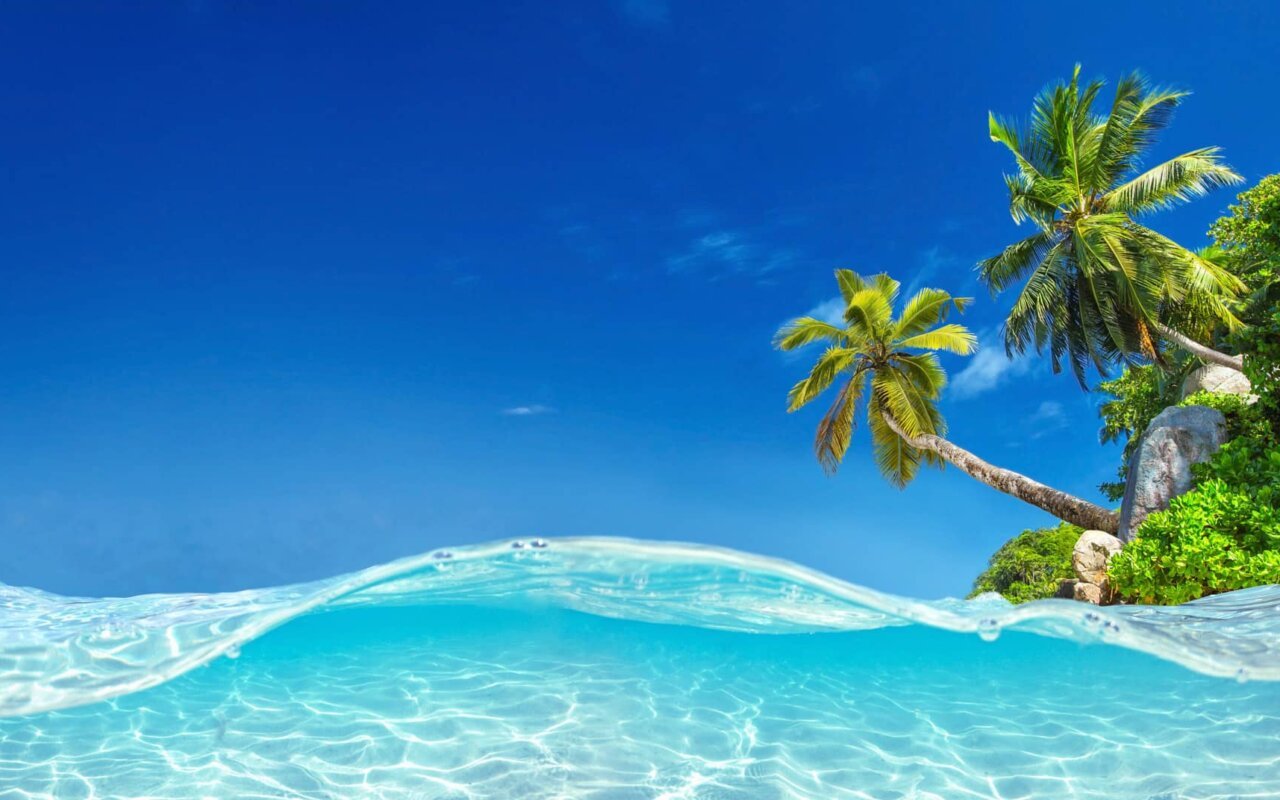
The boat trip from Santa Catalina (approx. 1h30) already offers a remarkable spectacle: dolphins regularly accompany the boats, and between July and October, humpback whales come to calve in these protected waters.
Once in the area, snorkeling and diving sessions reveal a pristine underwater world:coral reefs teeming with life, sea turtles gliding peacefully by, manta rays spreading their majestic wings, whale sharks (the world’s largest fish), schools of barracudas, giant groupers and a profusion of multicolored tropical fish. Warm waters (26-29°C) and often excellent visibility (15-30 meters) create ideal conditions for observation. Dive sites such as Bajo Alcyone attract divers from all over the world for their encounters with large pelagic fauna. After this immersion in one of Panama’s most spectacular natural aquariums, the return to Santa Catalina marks a welcome transition: this small fishing village, now a renowned surfing spot, cultivates a relaxed atmosphere where you can enjoy grilled fish and cold beer in front of the sunset, with your feet in the sand.
6. A country still untouched by mass tourism
Unlike its Costa Rican neighbor, which welcomes over three million visitors a year, Panama remains a confidential destination with around 1.5 million tourists a year, many of whom only pass through the capital. This tourist discretion is a major advantage for travellers in search of authenticity: there are many sites where you’ll find yourself virtually alone, far from the hordes of tourists and marked trails. On the islands of the Gulf of Chiriquí, you can spend an entire day on a deserted beach without encountering a soul. On the historic Camino Real or the trails of Omar Torrijos National Park, it’s not uncommon to hike for hours without meeting another walker. Even the spectacular San Blas archipelago retains its wild character, thanks to the Guna’s strict control over tourism development.
This relative unfamiliarity also means that Panama has preserved an authenticity that other Caribbean and Central American destinations have lost: villages still operate to their traditional rhythms, indigenous communities maintain their ancestral lifestyles without artificial folklore, and natural ecosystems remain largely intact. For travellers weary of over-invested destinations where every “must-see” site resembles an amusement park, Panama offers that precious sensation of discovery, of still being able to explore territories where tourism remains marginal and respectful. But this window of opportunity won’t last forever: the country is beginning to emerge on the radar of discerning travellers, making this an ideal time to discover Panama before it becomes the next fashionable destination.
7. A tropical climate for year-round travel
Panama enjoys a stable tropical climate, with temperatures fluctuating between 24 and 32°C throughout the year, eliminating the constraint of cold seasons that limit travel to other destinations. The year is divided into two main seasons: the dry season or “verano” (December to April), which corresponds to the high tourist season with maximum sunshine and little precipitation, and the rainy season or “invierno” (May to November) marked by generally short and predictable tropical showers, falling in the afternoon or evening.
Contrary to popular belief, the rainy season in no way prevents pleasant travel in Panama. The mornings often remain sunny, allowing you to take full advantage of the activities, the landscapes turn bright green, nature explodes with life, and prices can be significantly lower with fewer visitors. Some experiences even gain in intensity during this period: waterfalls are more spectacular, wildlife watching proves easier with active animals, and refreshing rains bring welcome comfort after a day of exploration. Only a few regions, such as Bocas del Toro, experience more sustained rainfall between September and November.
The Pacific and Caribbean coasts also have different micro-climates, offering the possibility of “chasing the sun” simply by changing slopes. This climatic flexibility makes Panama a viable year-round destination, where you can plan your trip according to your personal constraints rather than strict weather imperatives.
8. A safe country for worry-free travel
Panama stands out as one of Latin America’s safest destinations , with crime rates significantly lower than those of its regional neighbors.
This stability is due to several factors: a robust economy linked to the canal and financial services, a developed middle class, and a professional tourism infrastructure. Travelers can move freely throughout most of the country without any particular worries, including single women, families with children and senior citizens.
On the whole, Panama offers an extremely serene environment in which to travel: the population is warm and welcoming to visitors, tourist police patrol busy areas, and sanitary infrastructures are of a high standard for the region. This tranquility allows you to concentrate fully on discovering the country, interacting freely with the locals, and serenely enjoying experiences without the constant tension that can plague travel to some destinations. For travellers unfamiliar with Latin America, or those looking for a reassuring first experience of the region, Panama is an ideal gateway.
9. Meetings with indigenous communities
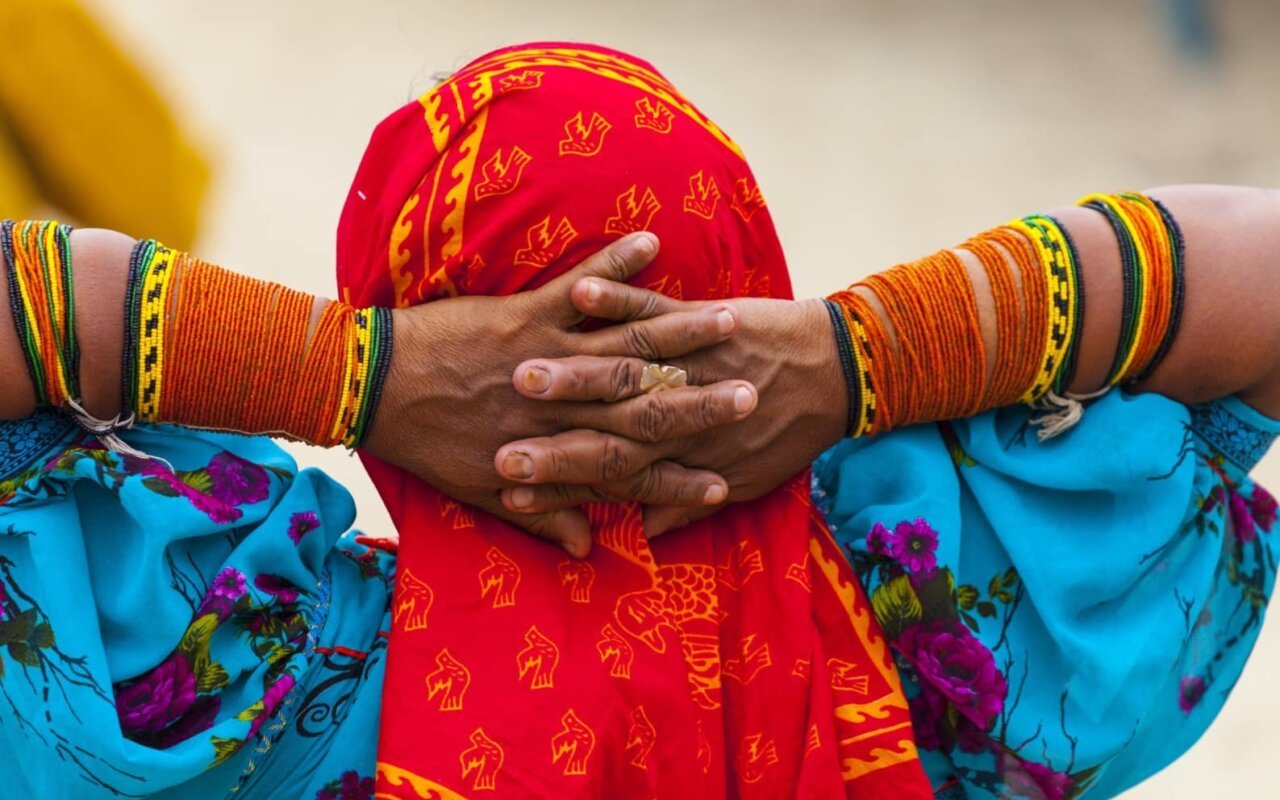
Panama is home to seven distinct indigenous peoples – Guna, Emberá, Wounaan, Ngäbe, Buglé, Naso and Bribri – who represent around 12% of the national population and autonomously administer five comarcas (indigenous territories) covering almost a quarter of Panamanian territory. This administrative autonomy, gradually acquired over the course of the 20th century following political and cultural struggles, represents a unique model in Latin America: these communities manage their lands, natural resources, education and tourism development according to their own rules and traditions.
This autonomous governance enables the preservation of ancestral languages, cultural practices and lifestyles that would otherwise have disappeared under the pressure of modernization
Among these peoples, the Emberá offer one of Panama’s most accessible and immersive cultural experiences. Settled mainly in Chagres National Park and Darién province, the Emberá maintain a way of life closely linked to the rainforest and rivers. A day spent in an Emberá village on the Río Chagres, accessible by traditional pirogue from Lake Alajuela, is a real journey back in time: you’ll discover their stilt dwellings built without walls to maximize natural ventilation, watch women weaving plant-fibre baskets using techniques handed down from generation to generation, and learn about the use of medicinal plants that shamans have been using for centuries. The Emberá people excel in handicrafts, notably tagua (vegetable ivory) carving and the creation of magnificent baskets decorated with black geometric motifs obtained from natural dyes. The community willingly shares its ritual dances accompanied by flutes and drums, and often offers to draw temporary body designs on visitors using jagua, the black vegetable ink they traditionally use for ceremonies. This controlled opening up to tourism, supervised by the communities themselves, generates direct income that contributes to the preservation of their culture while avoiding folkloric excesses.
The Guna, for their part, govern the entire Guna Yala comarca, an autonomous territory encompassing the San Blas archipelago and a coastal strip on the mainland. The Guna are among the indigenous peoples who have best resisted cultural assimilation in Latin America, thanks in particular to the revolution of 1925, which gave them remarkable political autonomy.
Their matrilineal society, in which women play a central role in cultural and economic transmission, differs markedly from the dominant patriarchal structures. The famous molas – textiles with intricate geometric patterns created by reverse appliqué – embody the Guna cultural identity and are much more than a simple craft: each pattern tells a story, evokes a myth or represents elements of the cosmos according to the Guna cosmovision.
When you stay in the San Blas archipelago, you’re not simply a tourist in a paradise-like setting, but a temporary guest in a territory that the Guna manage according to their own rules: the community decides on the terms of welcome, sets the rates, collects the entrance fees and voluntarily limits tourist development to preserve their way of life.
10. Panama, a flexible destination to suit your travel or stopover needs
Panama City is one of Latin America’s leading air hubs, thanks to Copa Airlines, which serves over 80 destinations in 33 countries. This strategic position transforms many technical stopovers into opportunities for discovery. In three to four days, you can explore colonial Casco Viejo, observe the canal locks, hike through the Soberanía jungle, visit an Emberá village, and even treat yourself to a getaway to the Taboga Islands or the Perlas archipelago. This concentration of attractions within a small radius makes for the perfect short break.
But Panama is well worth a dedicated two- to three-week trip: the high plateaus of Boquete and the ascent of Volcán Barú, the beaches of Azuero where folkloric traditions live on, the exceptional diving sites of Coiba, the Caribbean archipelago of Bocas del Toro, immersion in the Guna-administered islands of San Blas, and for the adventurous, the jungles of Darién. A complete itinerary revealing the contrasts between the Pacific and the Caribbean, urban modernity and indigenous traditions.
Panama combines naturally with neighboring Costa Rica via an easily crossed land border. Bocas del Toro is just a few hours from Puerto Viejo (Costa Rica), while Boquete is only five hours from the Nicoya Peninsula. This proximity makes it possible to design coherent binational tours without multiplying flights, whether by rental car or tourist shuttle. In this way, Panama can be adapted to all configurations: a brief interlude or in-depth exploration.
For more information, don’t hesitate to contact us for a personalized travel proposal!