Panama, often associated only with its canal, hides another treasure: its 18 national parks. These protected areas, true sanctuaries of biodiversity, place the country among the regional leaders in conservation and make it an ideal destination for ecotourism.
A unique biological bridge
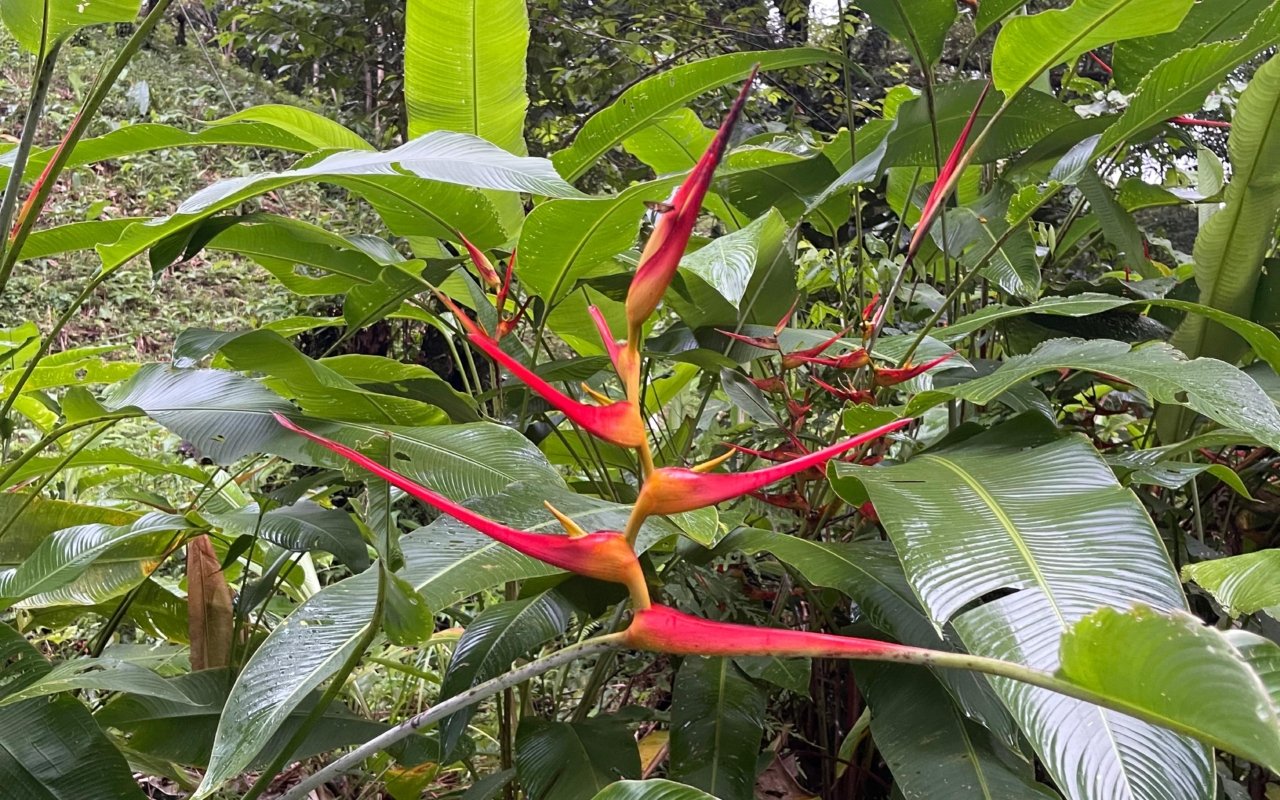
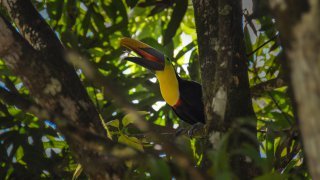
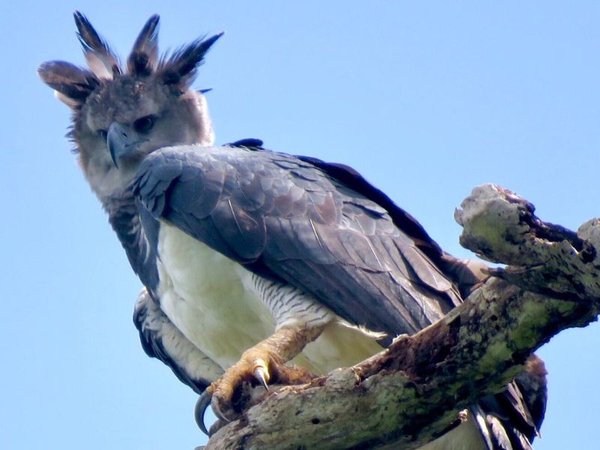
Located between two continents, Panama acts as a natural corridor linking North and South America. This position makes it a veritable living laboratory, where species from both hemispheres meet and cohabit. More than 10,000 species of plantsare found here , including a wide variety of orchids, as well as around 1,000 species of birds: toucans, ferocious harpies, hummingbirds and quetzals add color to the tropical forests.
Panama, but a major player in conservation
At just 75,000 km², Panama is one of the continent’s smallest countries. Yet it protects around 30% of its land and sea territory, an impressive figure that places it among the most committed to conservation. Its 18 national parks cover a wide variety of ecosystems: mountains, mangroves, coral reefs, tropical rainforests and dry forests, nesting beaches for marine turtles.These protected areas also play a vital role beyond biodiversity. Forests and marine areas absorb large quantities of CO₂, helping to combat climate change and regulate the regional climate. Some parks, like the Chagres, are essential for water supply: they directly feed the Panama Canal, a vital resource for the global economy. Finally, these territories are also areas of cultural preservation, as many indigenous communities still live in harmony with their environment, perpetuating traditional lifestyles linked to the forest and nature.This wealth places Panama alongside Costa Rica and Amazonia as a global biodiversityhotspot. But unlike these already high-profile destinations, Panama retains an aura of discretion and authenticity that appeals to travellers in search of more exclusive experiences.
A natural wealth conducive to sustainable tourism
Beyond their ecological role, Panama’s national parks are also an invitation to travel and marvel . Hikers tackle the trails of La Amistad International Park or climb to the summit of the Barú volcano to contemplate the sunrise over two oceans. Animal-watching enthusiasts can scan the colorful silhouette of the quetzal, follow the discreet trail of the jaguar or witness the fascinating spectacle of sea turtles and humpback whales in the Chiriqui region. Seabed enthusiasts will find their underwater paradise in the crystal-clear waters of Coiba, Bastimentos or the Gulf of Chiriquí, while culture buffs will discover the historical heritage of the Camino de Cruces.
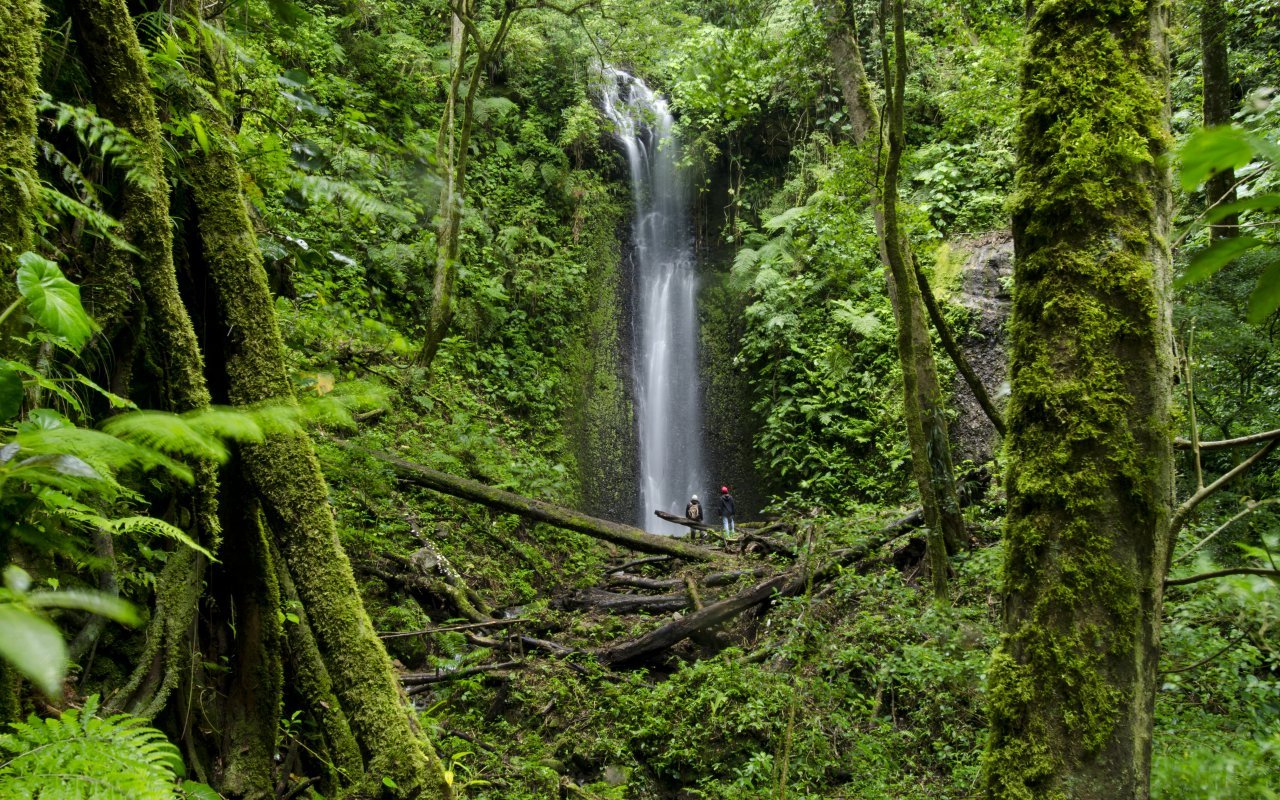
This development of the parks attracts a public in search of authenticity, adventure and nature, which distinguishes Panama from classic seaside destinations. It also generates positive spin-offs for local populations, through job creation, handicrafts or rural accommodation, and encourages communities to protect their environment as a valuable economic resource
Three of Panama’s national parks listed by UNESCO
Three of Panama’s national parks are listed as UNESCO World Heritage Sites, in recognition of their outstanding universal value and crucial role in preserving the world’s biodiversity
Darien National Park
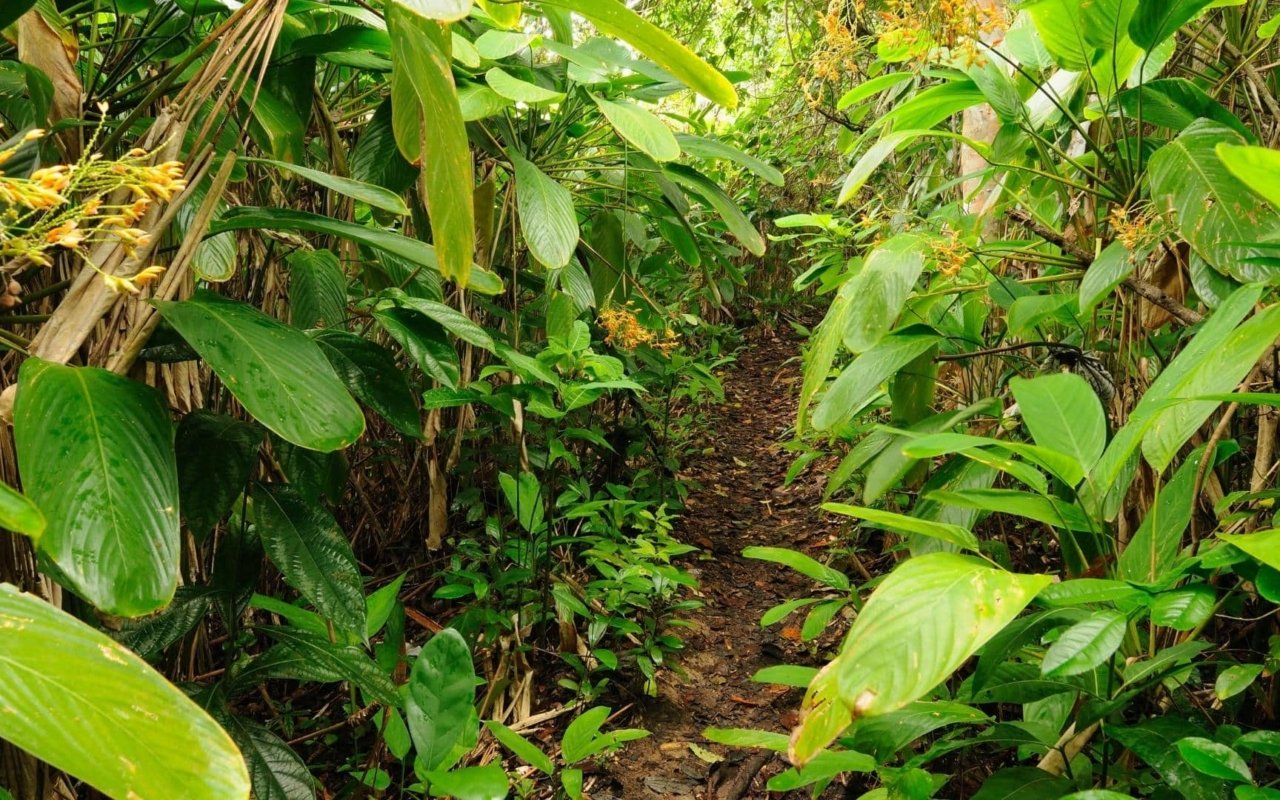
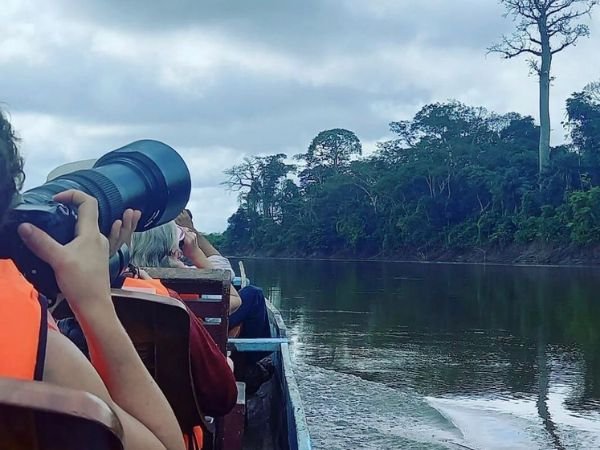
It extends over 575,000 hectares along the Colombian border, forming one of the largest areas of protected tropical forest in Central America. This virtually impenetrable jungle, where the Pan-American Highway ends at the famous “Darién Gap”, is home to extraordinary biodiversity: jaguars, ferocious harpies, Baird’s tapirs and almost 450 species of birds. The park also protects the territories of the Emberá and Wounaan communities, who maintain traditional lifestyles in harmony with the forest. Due to its wild nature and complex security issues at the border, the Darien can only be visited with specialized guides and in specific areas such as Rancho Frío or the Cana Biological Station, the latter considered one of the best birdwatching sites in the world.
Access requires careful planning and excellent physical condition, but rewards adventurers with immersion in one of the continent’s last great wildernesses
Coiba National Park
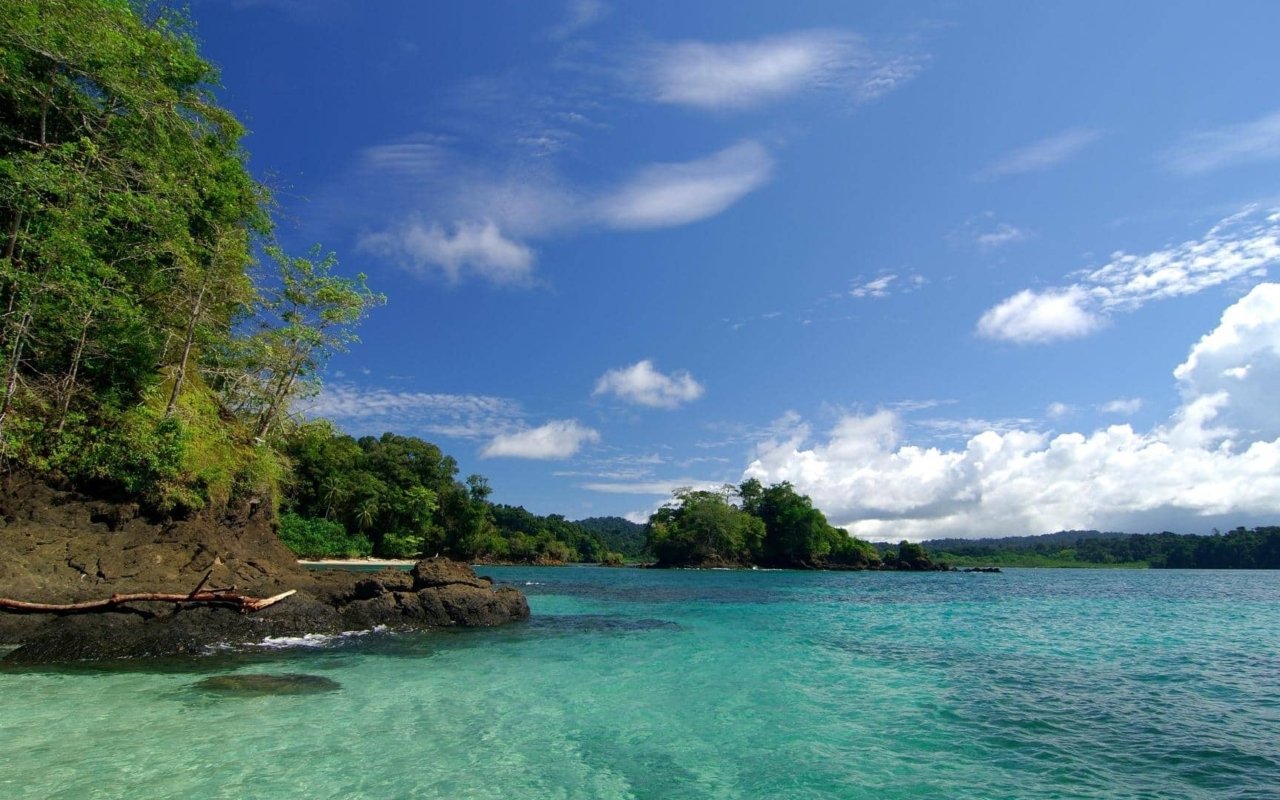
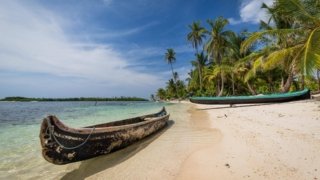
Located in Panama’s Pacific Ocean, it includes the island of Coiba (503 km²) and an archipelago of 38 islets protected by a vast marine corridor. Formerly a penal colony until 2004, the island has remained miraculously unspoilt, creating an exceptional sanctuary for marine and terrestrial fauna. Its crystal-clear waters are home to 760 species of fish, giant manta rays, whale sharks, sea turtles and the second-largest coral population in the tropical eastern Pacific. Often compared to the Galapagos for its biological richness, Coiba offers some of the most spectacular diving in Central America. The island itself is home to several endemic species, including the Coiba agouti and the Coiba howler. To visit this jewel, you need to embark from Santa Catalina (approx. 1h30 crossing) with a compulsory permit and an authorized guide.
Day trips combine snorkeling in the turquoise waters with hiking on the island, while experienced divers will prefer multi-day stays to explore mythical sites such as Bajo Alcyone or Shark Island
La Amistad International Park
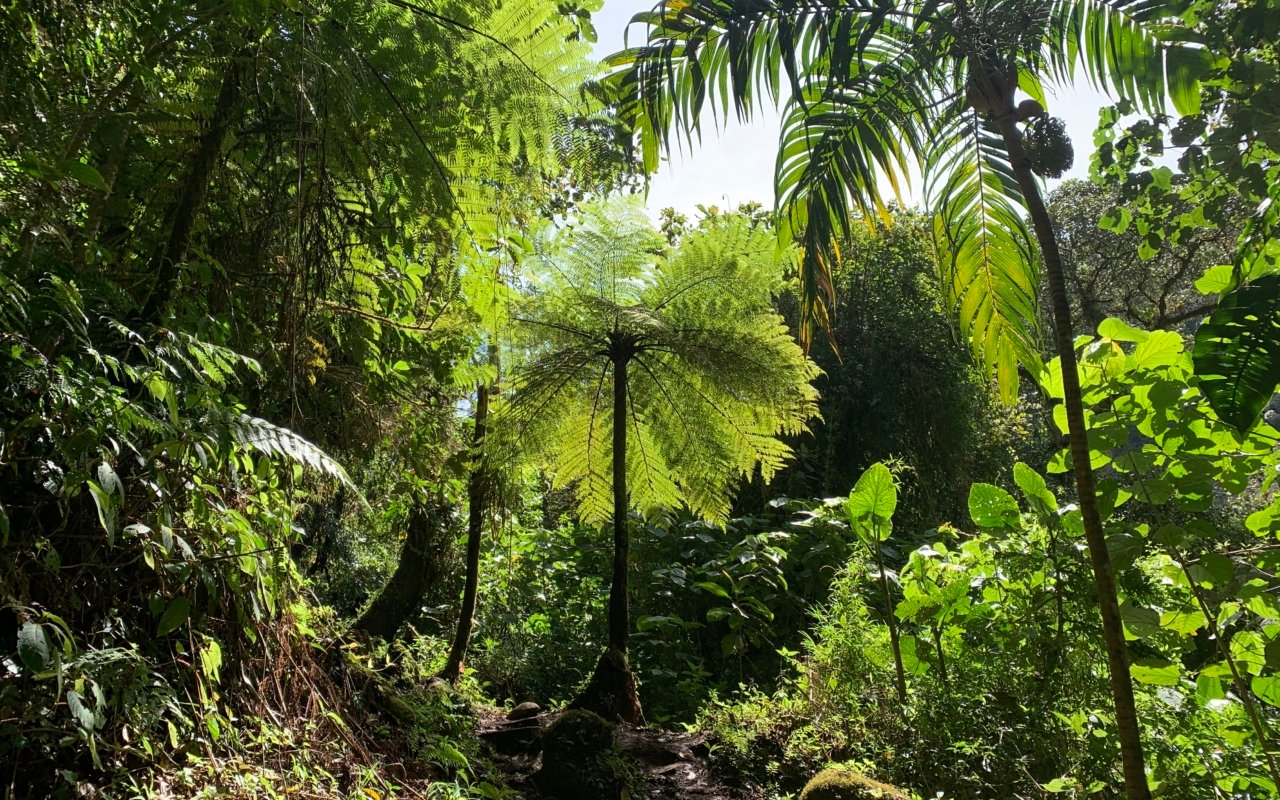
Shared with Costa Rica, this park protects over 400,000 hectares of tropical mountain and cloud forests along the Cordillera de Talamanca. This cross-border park, a symbol of regional cooperation for conservation, preserves an exceptional altitudinal gradient ranging from 100 to 3,800 metres in altitude, creating a mosaic of unique ecosystems. This topographical diversity generates remarkable biodiversity, with over 400 bird species, including the resplendent quetzal, and numerous endemic species. The park is also home to several Ngäbe-Buglé, Bribri and Naso indigenous territories, who play an essential role in the management and protection of these ancestral forests. On the Panamanian side, access is mainly from the Chiriquí highlands, via Cerro Punta and Boquete, offering hikes through misty forests where the mysterious atmosphere is punctuated by the songs of rare birds.
Trails leading to waterfalls, high-altitude lakes and panoramic viewpoints are suitable for all levels of hiker, although the cool, damp mountain climate requires appropriate equipment.
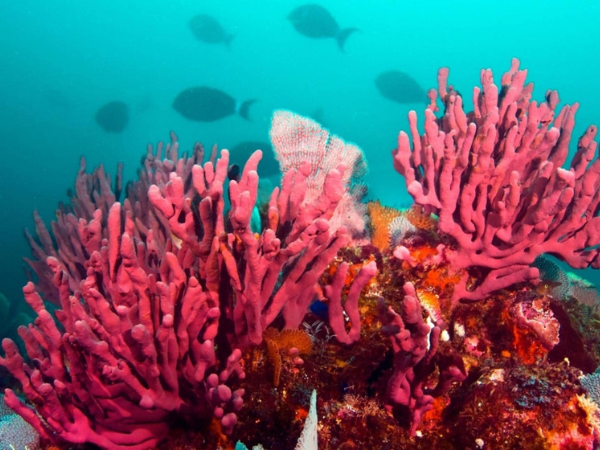
Panama may not yet be the first destination that springs to mind when one thinks of ecotourism, but its national parks prove that it has everything to rival the region’s giants. With its untouched nature, extraordinary wildlife and unforgettable adventures, this small country has nothing to envy the big boys.
List of national parks in Panama:
- Parque Nacional Altos de Campana (created in 1966, the country’s oldest)
- Parque Nacional Darién (UNESCO site, the largest)
- Parque Nacional Chagres
- Parque Nacional Camino de Cruces
- Parque Nacional Coiba (UNESCO site, marine protected area)
- Parque Nacional Isla Bastimentos (Bocas del Toro)
- Parque Nacional Volcán Barú
- Parque Nacional La Amistad (shared with Costa Rica, UNESCO site)
- Parque Nacional Soberanía
- Parque Nacional Portobelo
- Parque Nacional San Lorenzo
- Parque Nacional Cerro Hoya
- Parque Nacional Omar Torrijos Herrera (El Copé)
- Parque Nacional Sarigua
- Parque Nacional General de División Omar Torrijos Herrera (often simply “El Copé”)
- Parque Nacional Isla de Coiba (sometimes distinguished with its marine zone)
- Parque Nacional Marino Golfo de Chiriquí
- Parque Nacional Santa Fe
Summary table of national parks and their characteristics
| National park | Location | Main features | Recommended activities | Access and features |
|---|---|---|---|---|
| Altos de Campana | Province of Panamá Oeste (80 km from Panama City) | Panama’s first national park (1966), cloud forests, 1007 m altitude | Hiking, birdwatching, panoramic viewpoints | Easy access from the Pan-American Highway, perfect for a day trip |
| Darién ★ | Darién province (Colombian border) | UNESCO site, largest park (575,000 ha), primary jungle, Emberá and Wounaan communities | Guided expeditions, birdwatching (450 species), rainforest immersion | Restricted access, guide mandatory, excellent physical condition required, advanced planning essential |
| Chagres | Provinces of Panamá and Colón | Protection of the Panama Canal watershed, tropical rainforests, Emberá communities | Visits to Emberá villages, kayaking on Lake Alajuela, hiking, wildlife observation | Accessible from Panama City (1h), several entry points, organized cultural visits |
| Camino de Cruces | Between Panama City and the canal | Former royal colonial road (Camino Real), historic remains from the 16th century | Historic hike in the footsteps of the conquistadors, howler monkey sightings | Very accessible from the capital, well-marked trails, can be combined with a visit to the canal |
| Coiba ★ | Gulf of Chiriquí (Pacific) | UNESCO site, main island 503 km², former penal colony, exceptional marine biodiversity (760 species of fish) | World-class diving and snorkeling, sightings of whale sharks and manta rays, island hikes | Departure from Santa Catalina (1h30 by boat), permit and guide required, weather conditions to be checked |
| Isla Bastimentos | Bocas del Toro archipelago (Caribbean) | Tropical forests, mangroves, sea turtle nesting beaches, Afro-Caribbean cultures | Turtle watching (seasonal), snorkeling, Afro-Caribbean culture, wild beaches | Accessible by boat from Bocas Town, several beaches and trails, respect nesting areas |
| Volcán Barú | Province of Chiriquí | Panama’s highest peak (3475 m), extinct volcano, views of two oceans on a clear day | Climb to the summit (overnight for sunrise), hike the flanks, observe the resplendent quetzal | Departure from Boquete or Volcán, night ascent recommended (8-10h round trip), warm equipment essential |
| La Amistad ★ | Provinces of Chiriquí and Bocas del Toro (Costa Rican border) | Cross-border UNESCO site, mountain and cloud forests (100-3800 m), Ngäbe-Buglé indigenous territories | Hiking in misty forests, quetzal watching, waterfalls and high-altitude lakes | Access via Cerro Punta or Boquete, cool and humid climate, rain gear required |
| Soberanía | East bank of the Panama Canal | 22,000 ha of tropical forest, Pipeline Road (best birding site on the continent), 525 bird species | World-class birdwatching, hiking, night tours for nocturnal mammals | 25 km from Panama City, very accessible, varied trails, ideal for beginners and experts alike |
| Portobelo | Province of Colón (Caribbean) | UNESCO colonial fortifications, coral reefs, history of the Spanish trade route | Visit historic forts, dive and snorkel, explore colonial heritage | 1h from Colón, easy road access, can be combined with nearby beaches |
| San Lorenzo | Mouth of the Río Chagres (Caribbean) | 18th-century colonial fort, tropical forests, wildlife-rich estuary | Visit of the historic fort, wildlife observation (crocodiles, monkeys, aquatic birds), hikes | 1h30 from Panama City via Colón, sometimes difficult to access in rainy season |
| Cerro Hoya | Azuero Peninsula | Isolated mountainous area (1559 m), last primary forests in Azuero, high endemism | Mountain hiking, rare species observation, unspoilt wilderness | Difficult access, little developed for tourism, local guide recommended |
| Omar Torrijos (El Copé) | Coclé province (central cordillera) | Cloud forests, high biodiversity, refuge for the Panamanian golden frog (emblematic endangered species) | Hikes in misty forest, rare amphibian sightings, waterfalls | Access via El Copé, modest infrastructure but marked trails, cool, humid climate |
| Sarigua | Province of Herrera (Azuero peninsula) | Unique Panamanian desert, semi-arid zone, pre-Columbian archaeological site (8,000 years old) | Geological observation, discovery of an atypical ecosystem, archaeology | Accessible from Parita, intense heat, short visit recommended, scientific and educational interest |
| Marino Golfo de Chiriquí | Gulf of Chiriquí (Pacific) | 25 islands and islets, coral reefs, waters rich in marine life, humpback whales (seasonal) | Island hopping, diving and snorkeling, whale watching (July-October), sea kayaking | Departure from Boca Chica, organized excursions, ideal conditions in dry season |
| Santa Fe | Province of Veraguas (central mountains) | Mountain forests, spectacular waterfalls, rare orchids, colonial village of Santa Fe | Hiking to waterfalls, orchid watching, river bathing, rural immersion | Access via Santa Fe (charming village), cool climate, limited but authentic tourist infrastructure |