The Province of Colon, at the gateway to the Atlantic
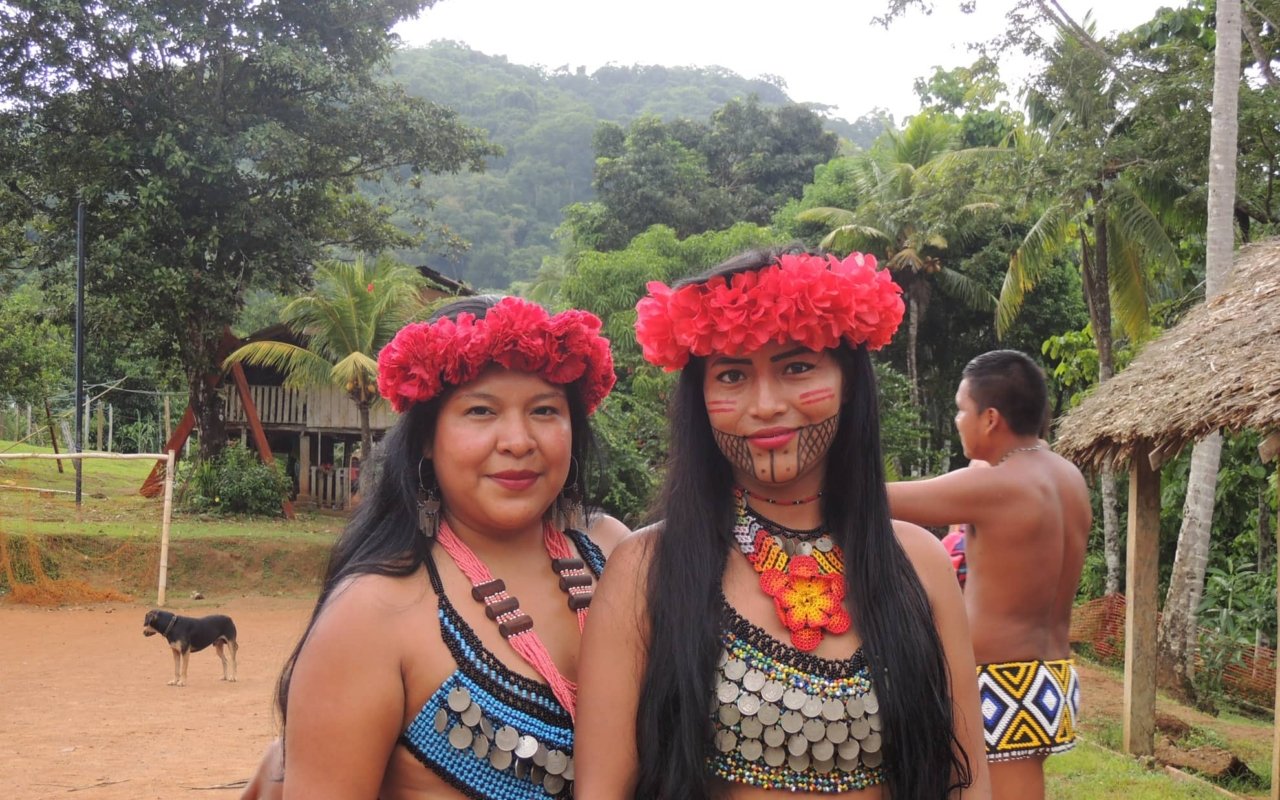
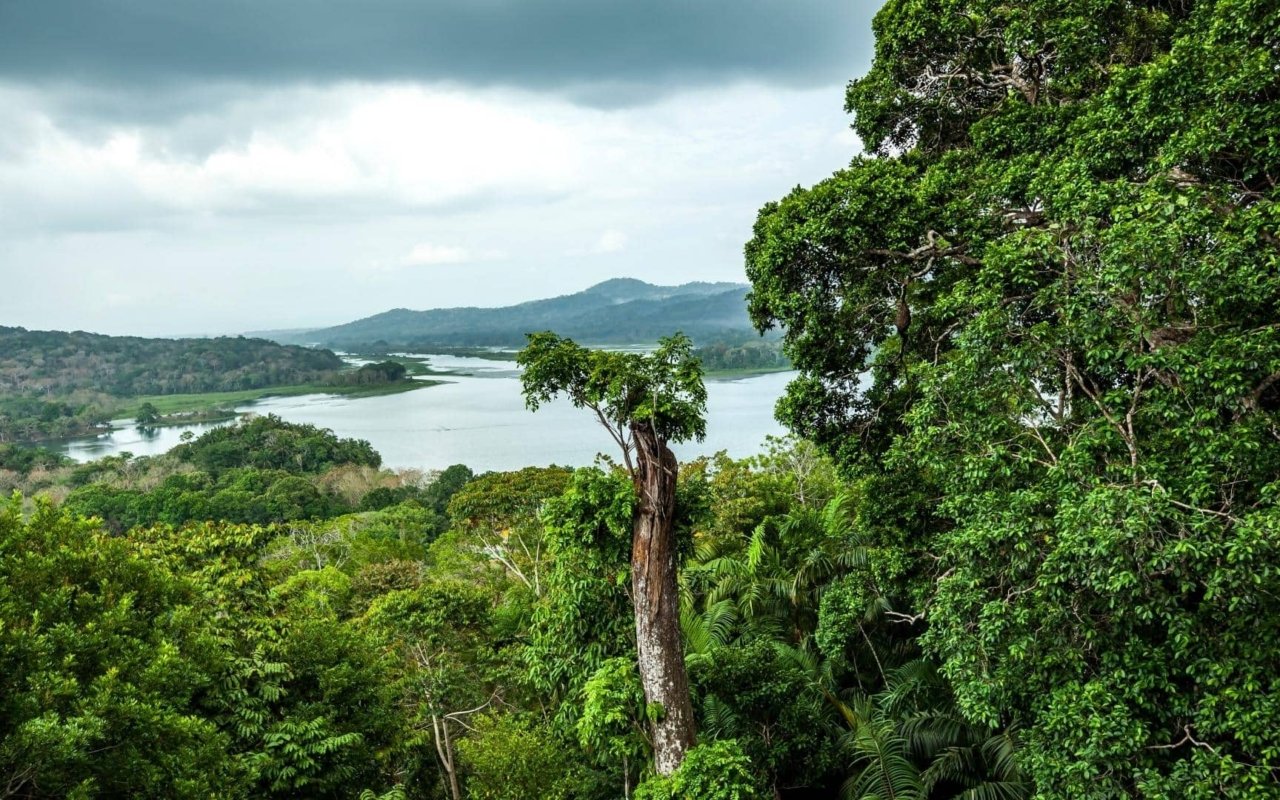
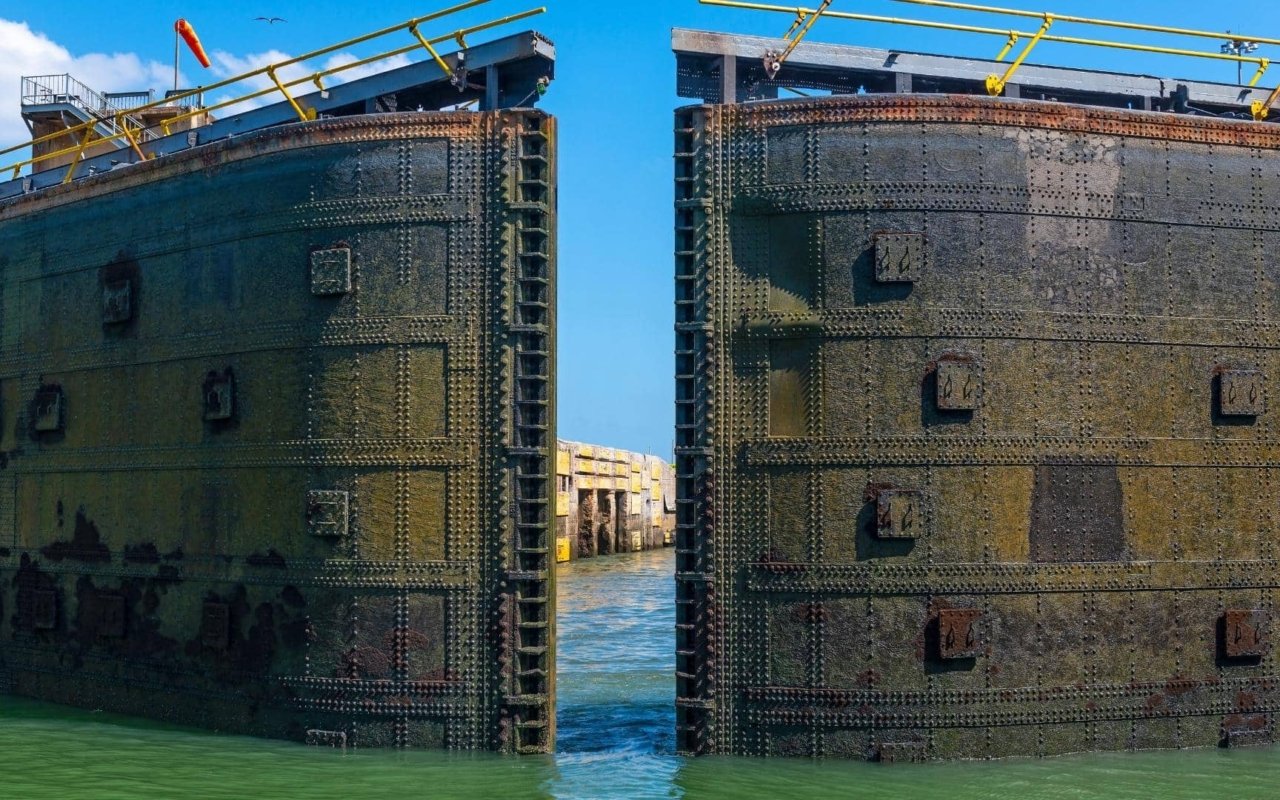
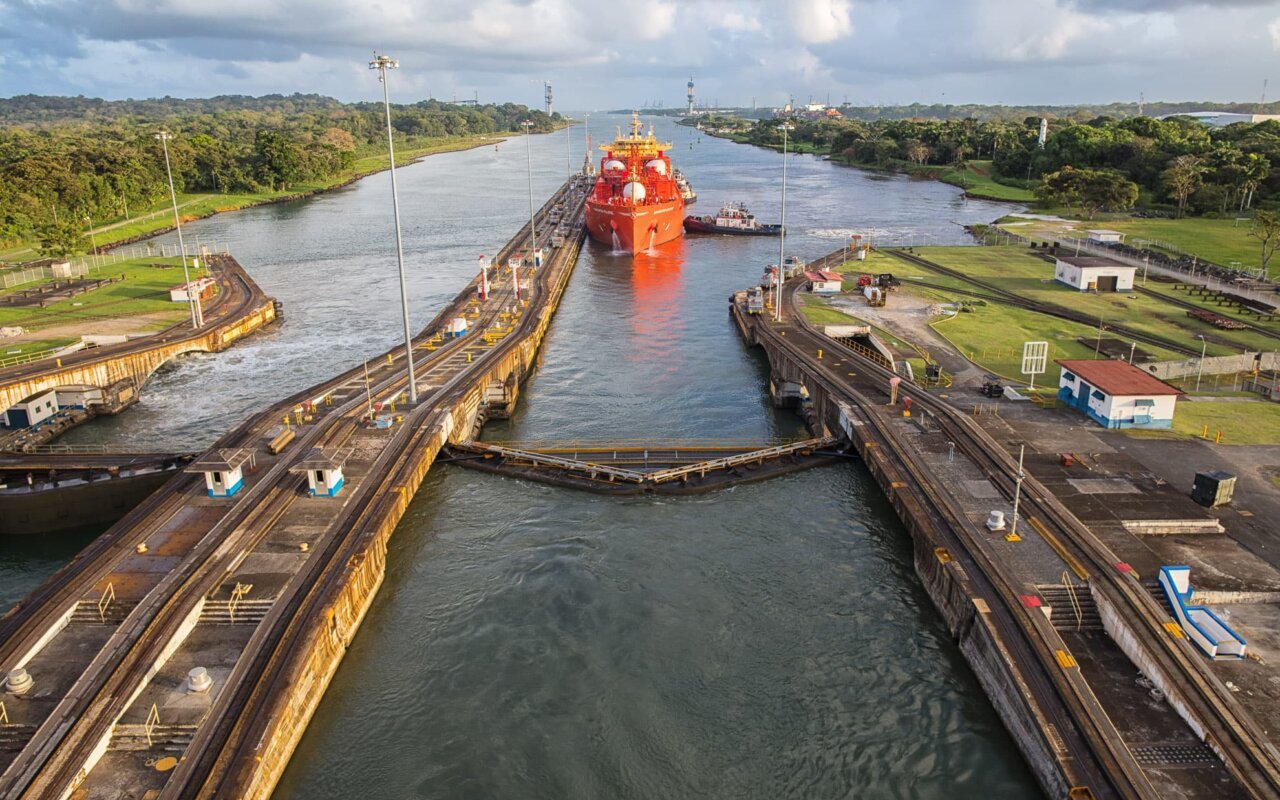
TheAtlantic entrance to the Panama Canal is located in Colón, in the north of the country. Don’t miss out on a visit to the Gatún locks and its impressive gates… Remnants of Panama’s turbulent past, the ruins of the fortresses of San Lorenzo and Portobelo, listed as World Heritage Sites, overlook the Caribbean Sea. The region is also home to the Embera Indians, who still live in the traditional way on the banks of the Chagres River. Its assets include natural sites of exceptional beauty, diving spots and small, forgotten villages close to the remains of forts attacked by some of history’s greatest pirates.
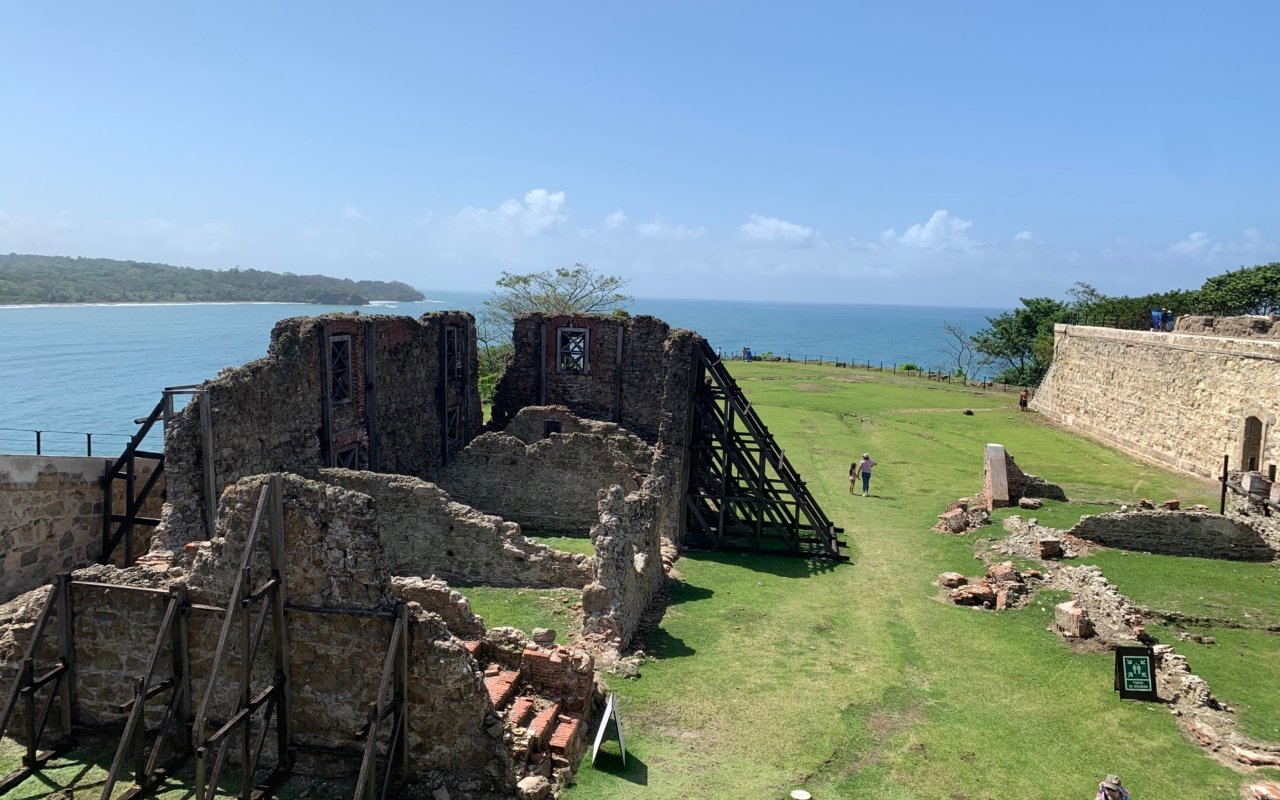
Fort San Lorenzo, on the banks of the Chagres River
Fort San Lorenzo was built in the 17th century at the mouth of the Chagres River. The fort overlooks an impressive cliff. The site was officially abandoned by Spain in 1821, following the proclamation of Independence for the Isthmus of Panama, as it was then known. During the period when Panama was part of Colombia, the fortress was used as a prison
Fortress San Jeronimo, former pirate lair
The San Jeronimo fortress was designed to defend Portobelo’s royal customs. Portobelo was home to one of America’s most active chambers of commerce, a true jewel of colonial construction. It has to be said that Portobelo’s fortifications, built at a time when piracy was already a thing of the past, were never put to much use, since shortly after their completion, Spain changed the trade routes and Portobelo eventually lost its strategic importance. Since 1990, however, it has been listed as a World Heritage Site
Portobelo, between Spanish vestiges and ancestral traditions
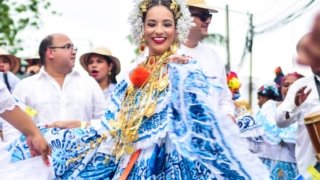
The town of Portobelo is located on the Atlantic coast of the Gulf of Panama, at the head of the bay of the same name, some 50 km east of Colón. It was discovered and christened by Christopher Columbus in 1502, during his fourth voyage to America, before being repeatedly attacked by pirates and privateers (Francis Drake, Henri Morgan…). The historic town of Portobelo was the most important commercial crossroads of the New World. In addition to the most beautiful vestiges of Panama’s tumultuous past, Portobelo has preserved strong religious and cultural traditions, such as the veneration of the Black Christ and the Afro-Caribbean festival “Diablos y Congos” celebrated each year in memory of the colonial past
San Felipe Church and the legend of the Black Christ
Today, the port of Portobelo is famous for the Black Christ enthroned in the San Felipe Church, the last church built in Panama by the Spanish. […] The people of Portobelo have adopted their Black Christ, attributing miracle after miracle to him. Today, on his feast day, October 21, a procession is held through the streets of the town. Some 30,000 to 50,000 pilgrims come from all over the place for the occasion, dressed in crimson or purple (the colors of Christ’s vest), and even kneel the last few meters to reach him.
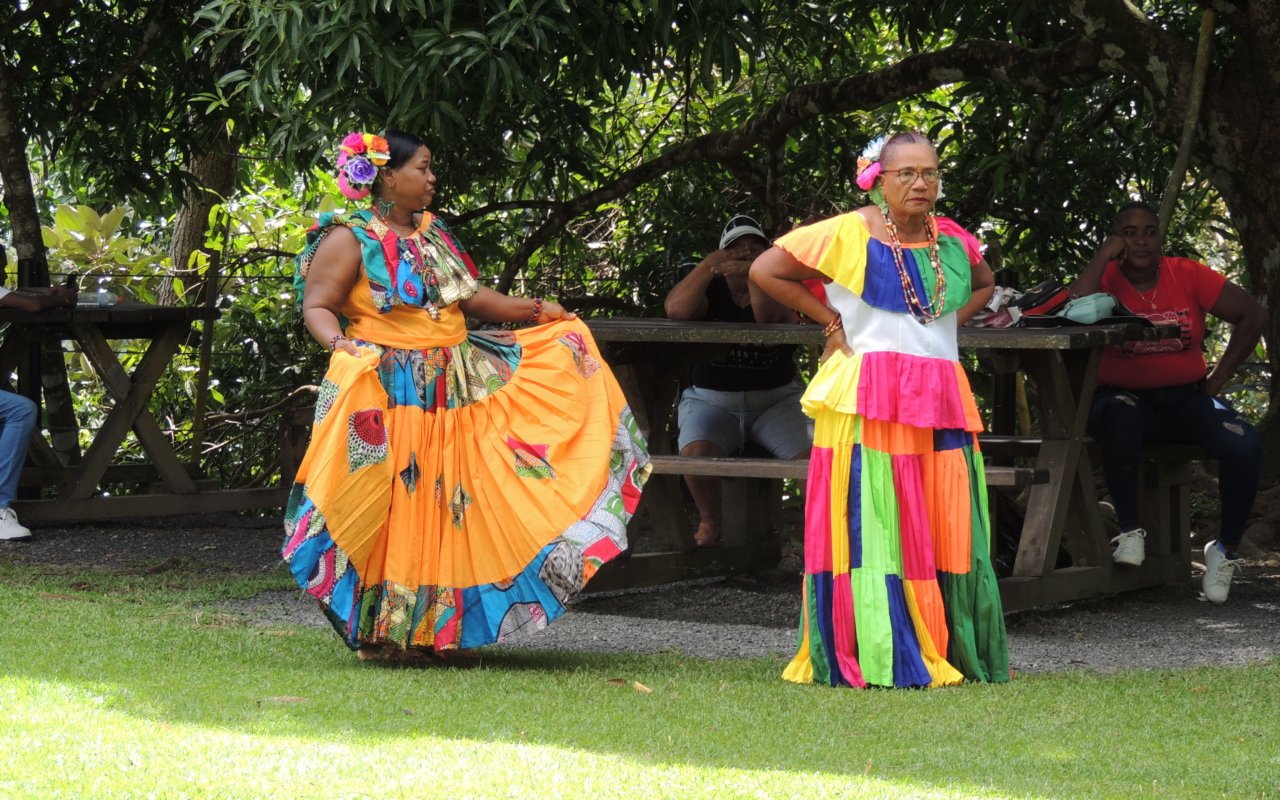
The Congo Tradition, cultural heritage of the coast
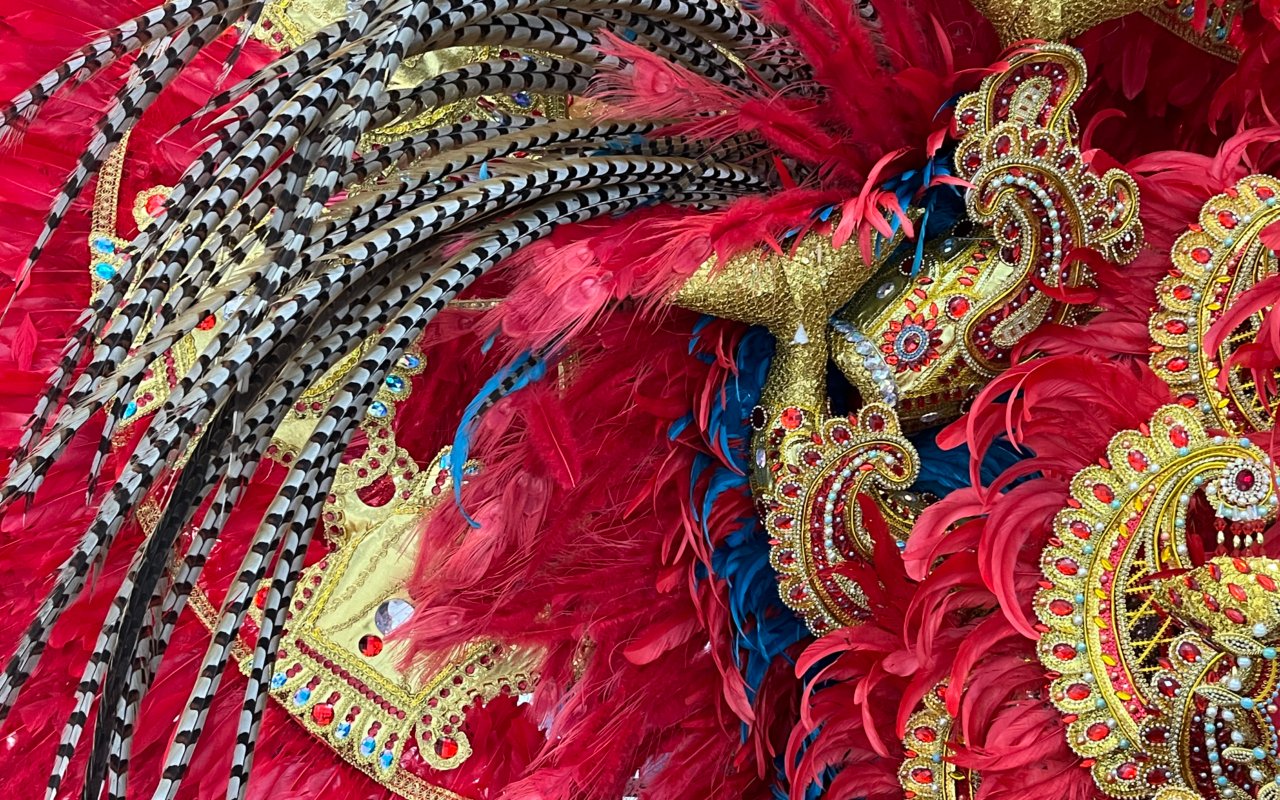
The dance tradition and interpretation of Afro-Panamanian culture are expressed with impressive visual richness in the dances of what are today known as Diablos y Congos de Portobelo. The term “congo” is now applied to the dances, music and narrators of the folkloric performances recounting the history of these former prisoners. These ceremonies, which coincide with the four days of carnival, are not just “carnival” activities. The month of February, in Portobelo and throughout the Costa Arríba region, is an opportunity to revive this colonial history.
Colón, at the gateway to the Atlantic
The capital, Colón, lies on the Bay of Limón, 75 km northwest of Panama City. It owes its origins to the extraordinary construction of the railroad line that has crossed Panama since the mid-19th century. From its very beginnings, the city was dedicated to maritime transit and trade. This is where the famous Free Zone is located. Created in 1948, it now employs 13,000 people and covers 300 hectares. With over 1,600 companies, it is the second largest in the world after Hong Kong. It is in fact a vast international zone where companies can redistribute goods, package them and even store them.
Costa Arriba: the unspoilt Caribbean coastline
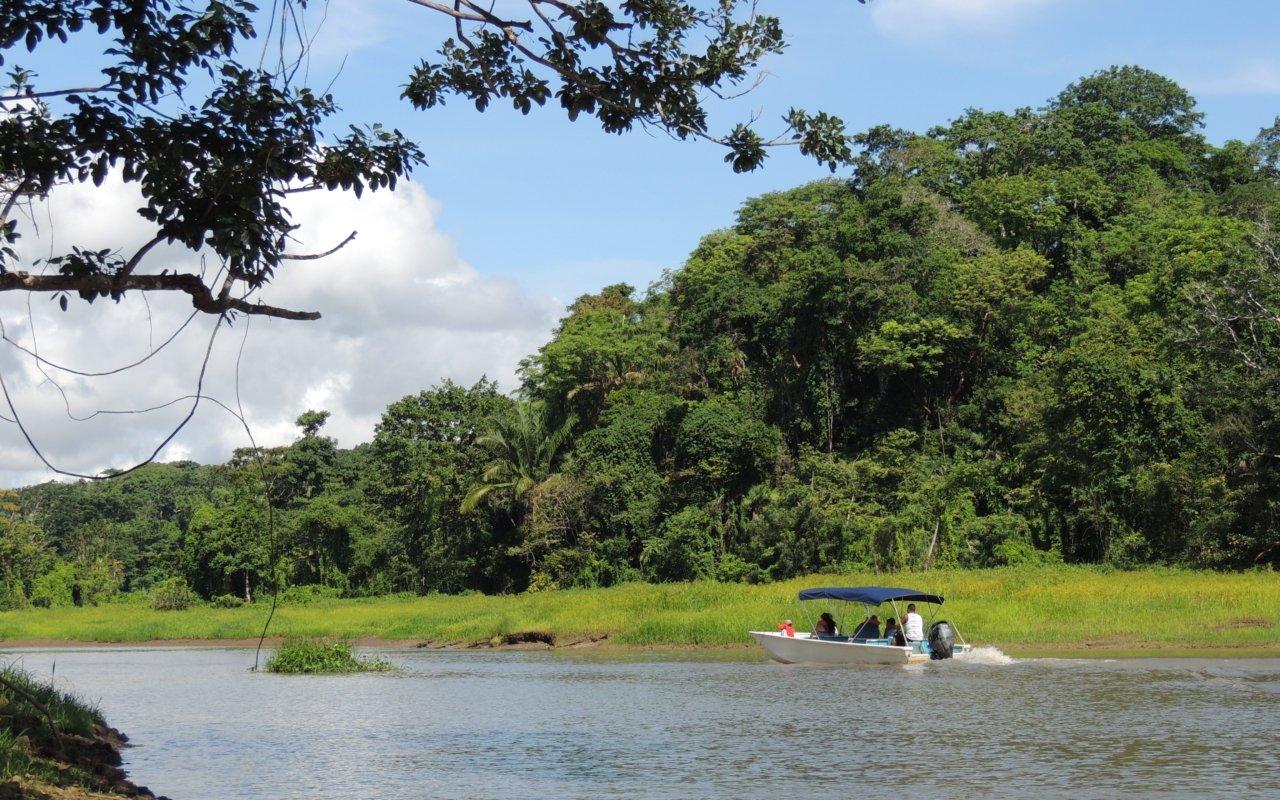
East of Colón, Costa Arriba stretches along the Caribbean Sea to the gateway of the Guna Yala comarca. This lesser-known coastline than Bocas del Toro or the Pacific Coast retains an authentic atmosphere, marked by Afro-Caribbean heritage and untamed nature
A vibrant Afro-Caribbean culture
Costa Arriba bears the imprint of Jamaican, Barbadian and West Indian workers who came to build the transísthmian railroad and then the Panama Canal at the end of the 19th century. Their descendants have maintained Caribbean traditions: Creole English is often spoken here, rice and beans are cooked, and the architecture of the colorful wooden houses on stilts is reminiscent of the West Indies. Villages such as María Chiquita, Nombre de Dios and Viento Frío retain this Afro-Caribbean character, distinct from the rest of Panama. Calypso and reggae music resonate in the streets, Anglican churches stand side by side with Catholics, and local festivals blend African traditions with Jamaican influences
Accessible beaches and islands
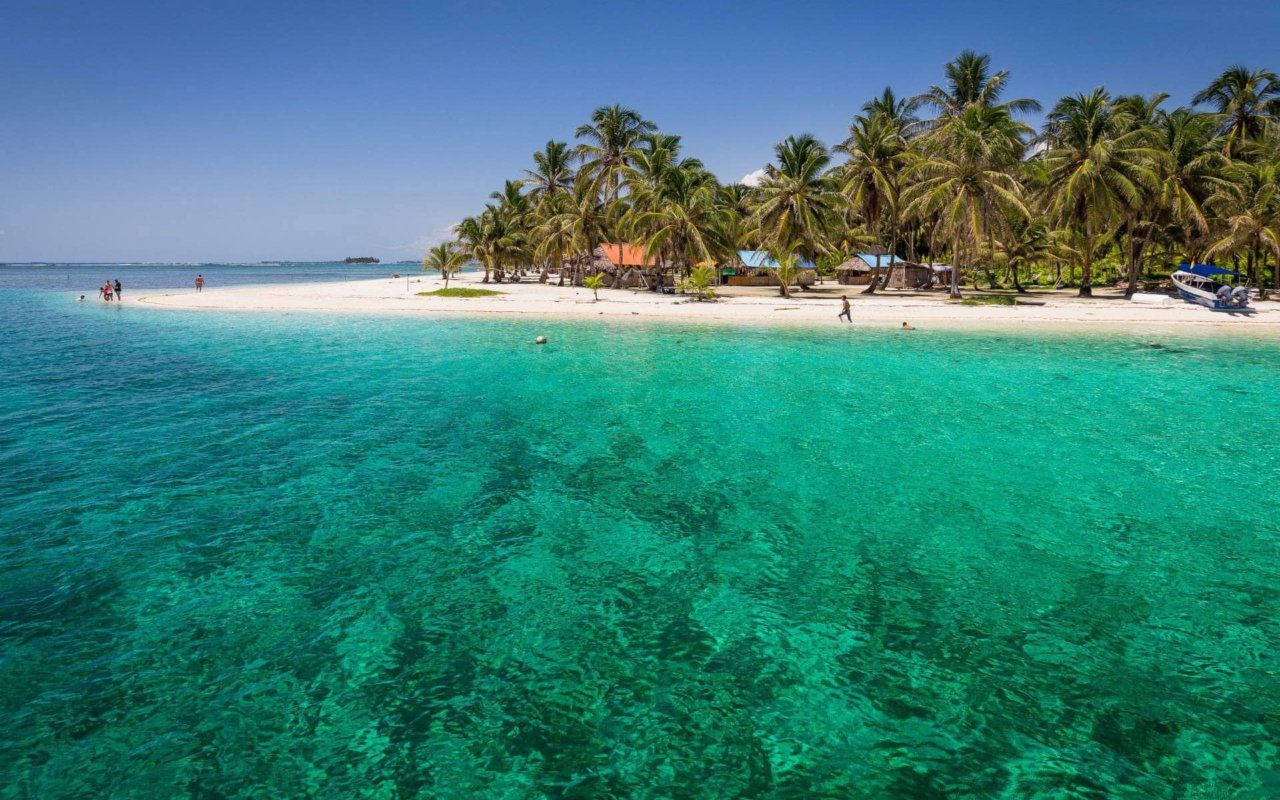
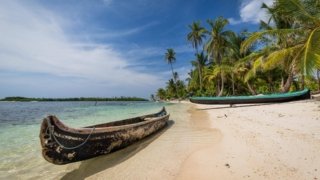
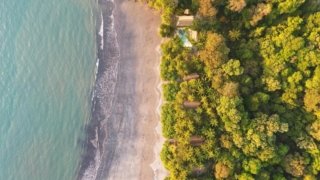
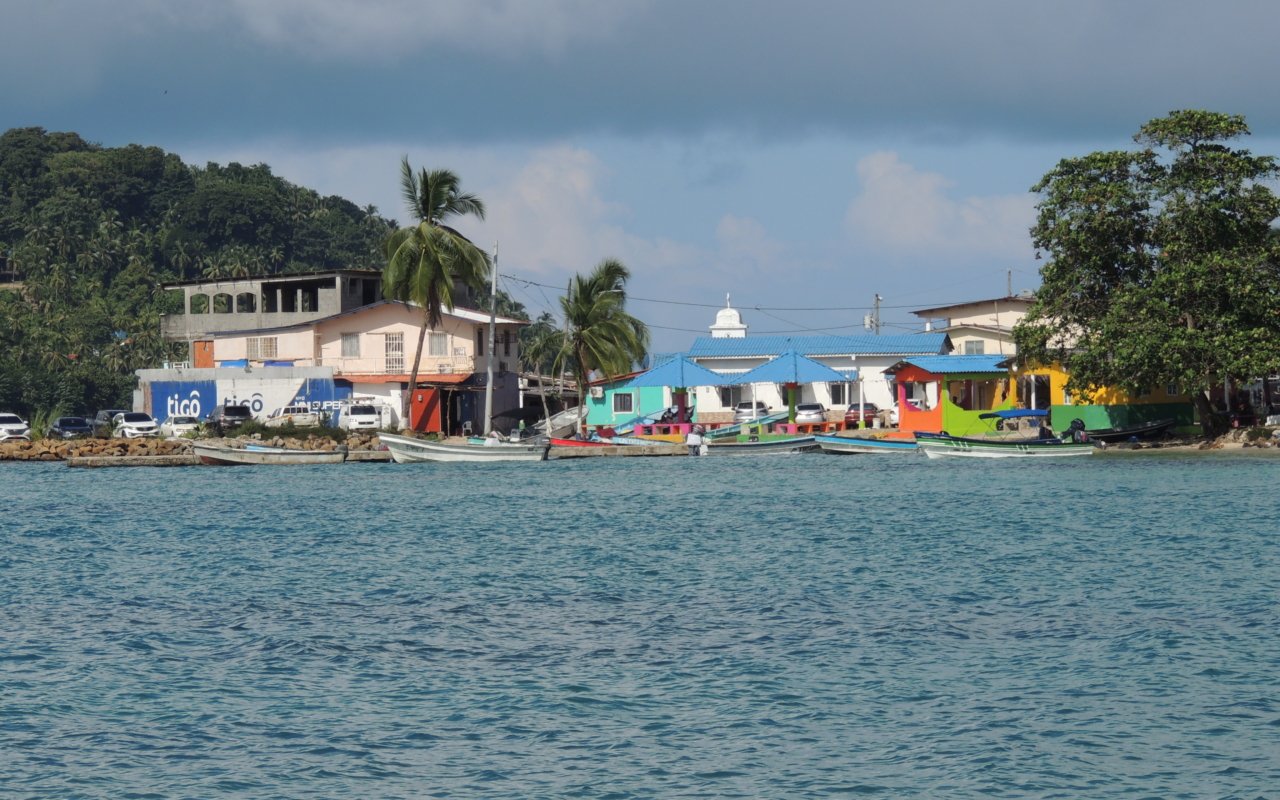
Unlike Portobelo, which attracts visitors for its history, Costa Arriba seduces with its beaches and islands. Isla Grande, the most accessible and developed, can be reached in 10 minutes by boat from La Guaira. This small island of 300 inhabitants makes its living from fishing and weekend tourism. Panamanians from the capital come here for the relaxed atmosphere, golden sandy beaches and seafood restaurants. Isla Mamei, off the coast of Puerto Lindo, is wilder, with deserted beaches lined with coconut palms. Access is by boat from this quiet fishing village. Playa Bluff, a wild beach battered by Atlantic waves, attracts surfers looking for uncrowded spots. The blond sand stretches for several kilometers without any tourist infrastructure
Nature and wildlife watching
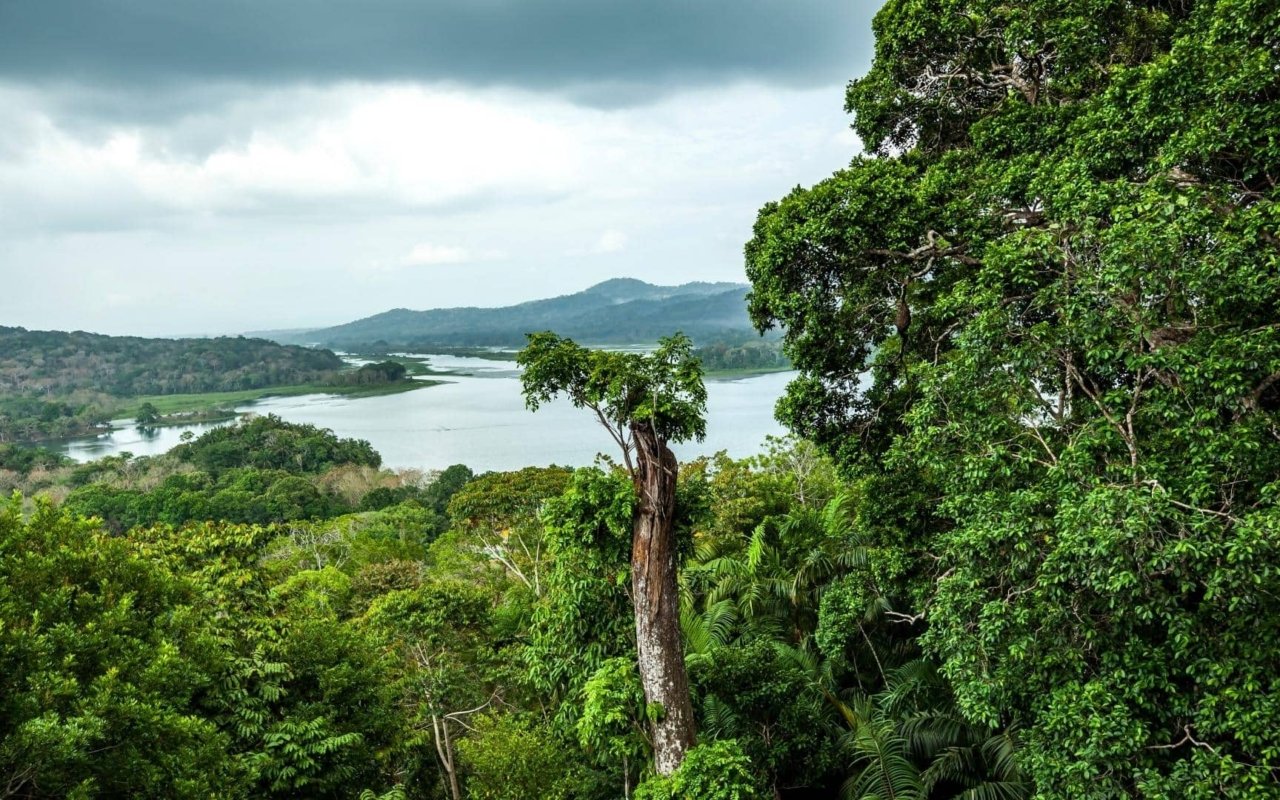
The rainforest extends down to the sea over much of the Costa Arriba. This ecological continuity allows wildlife to circulate freely: howler monkeys, sloths, iguanas and tropical birds are easy to spot. Several beaches serve as nesting sites for marine turtles, particularly leatherbacks, which come to lay their eggs between April and July. The coral reefs off Isla Grande and Portobelo offer good opportunities for diving and snorkeling, although these sites are less spectacular than those of Bocas del Toro or Coiba
Access and logistics
The road from Colón eastwards is paved as far as Portobelo, then gradually deteriorates. Some of the more remote villages can only be reached by boat or 4×4 track. This relative difficulty of access explains why the Costa Arriba remains relatively untourist-friendly, with accommodation limited to a few small family-run hotels, cabañas and rooms in local homes. Don’t expect resort-style comfort – the infrastructure is basic but the welcome is warm. Isla Grande concentrates the majority of the tourist offer, with a dozen or so accommodation options, while Costa Arriba is ideally visited in addition to Portobelo and Colón, over 2 or 3 days. Those seeking calm, authenticity and immersion in Panama’s Afro-Caribbean culture will find an alternative to the more developed seaside destinations.
Discover the Caribbean coast
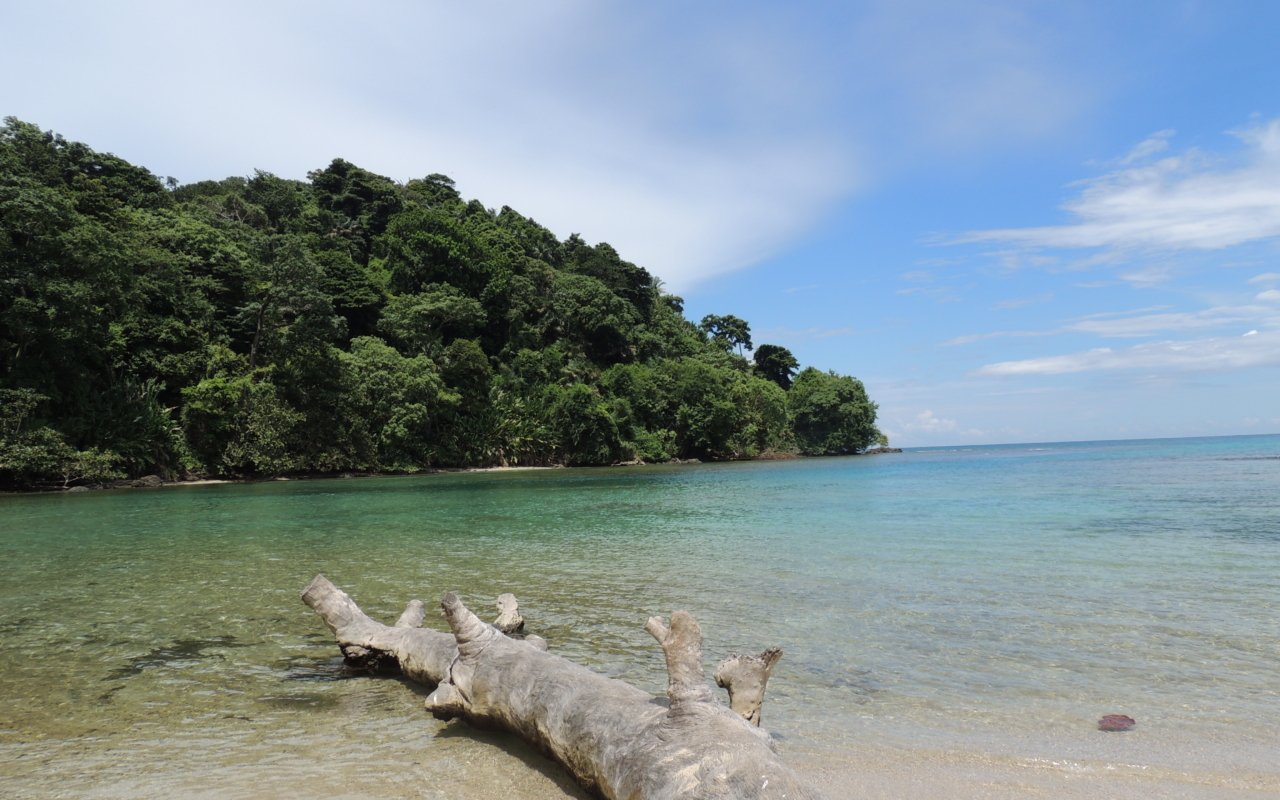
Isla Mamei and Isla Grande, local colors
To enjoy the beautiful beaches of the Colon region, head for the Costa Arriba. The deserted beaches of Isla Mamei (off the coast of the small village of Puerto Lindo) or the livelier beaches (especially at weekends) of Isla Grande are ideal destinations for a day’s seaside escapade. On the latter, 300 inhabitants make their living from fishing and copra harvesting. The surrounding area is ideal for boating, hiking, horseback riding and scuba diving. The Atlantic coastline is also of great historical interest.