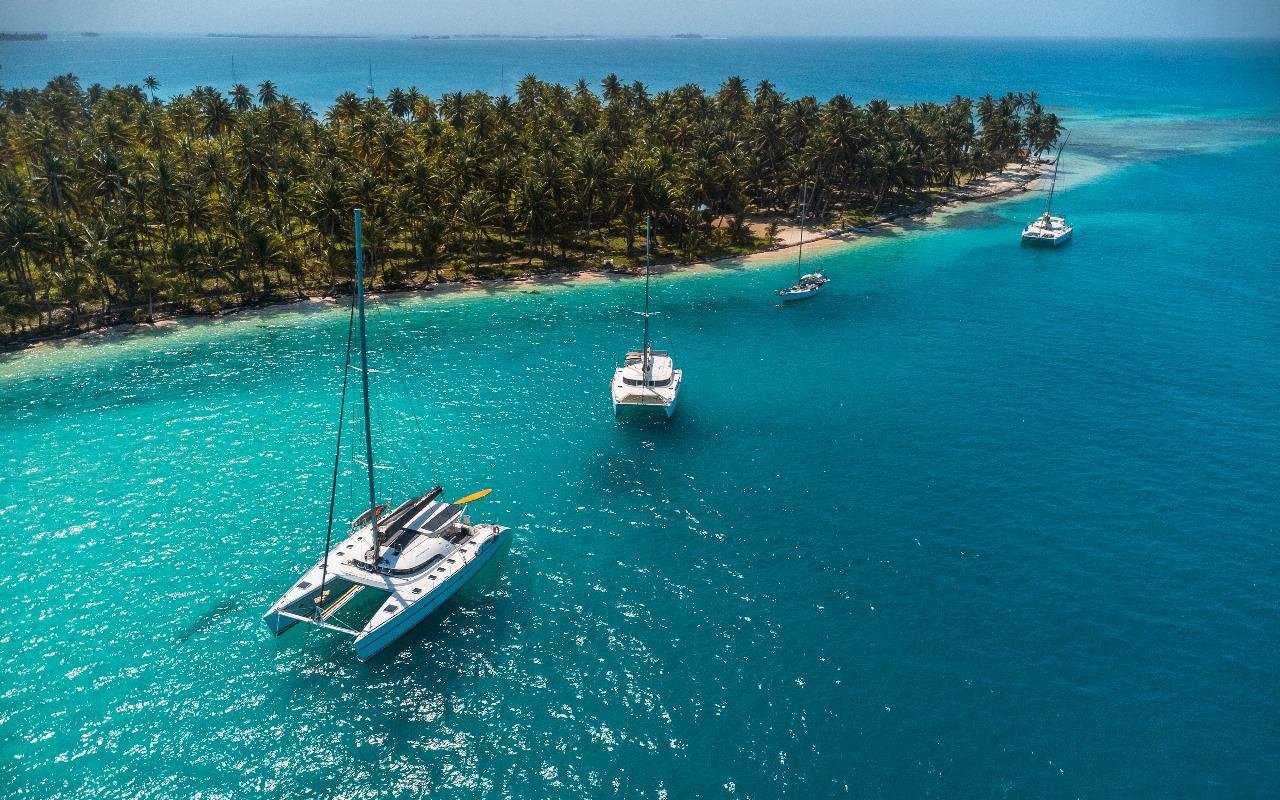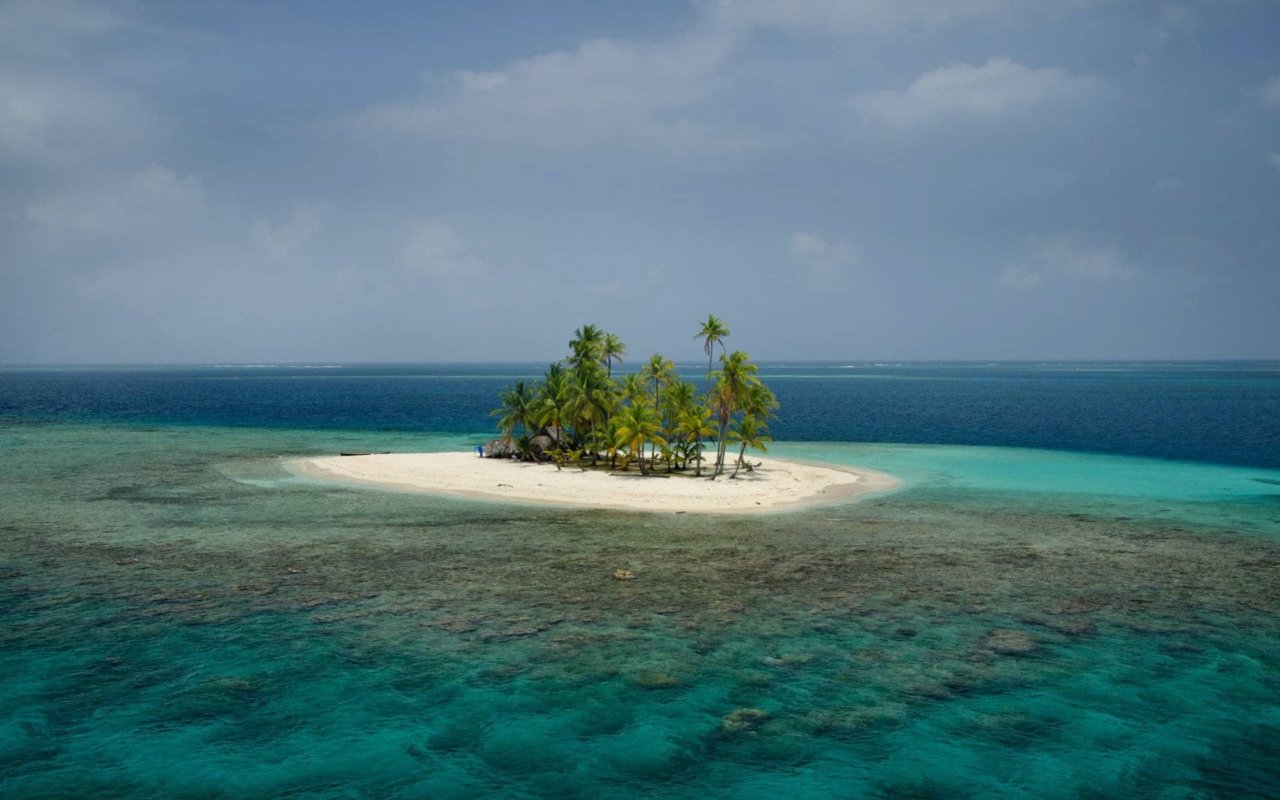
Panama’s postcard is the Guna Yala islets, formerly known as San Blas. This heavenly archipelago off the Caribbean coast has been an autonomous territory since the Guna revolution of 1925.
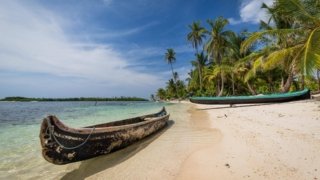
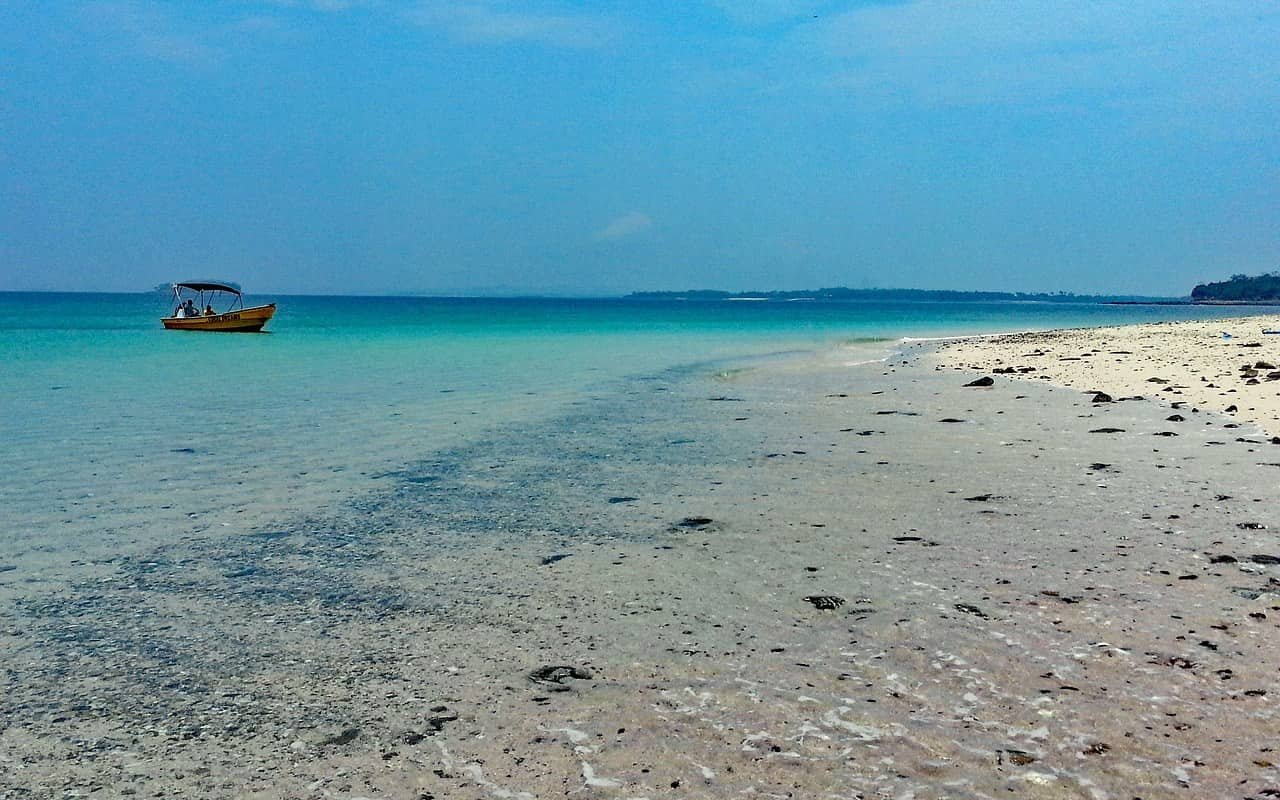
Between coral reefs, deserted islands, white sandy beaches and turquoise waters, discover this timeless place and its inhabitants, the Gunas. Achutupu (Isle of Dogs), Ailigandi, Kagantupu, Coco Blanco, Mamiputu and Ustupu are just some of the 335 islands in the archipelago, only 60 of which are inhabited.
Proud guardians of their culture and territory, the Gunas welcome you to a natural setting of rare beauty, where tradition and nature are one.
Here, more than anywhere else, Panama reveals its best-kept secrets.
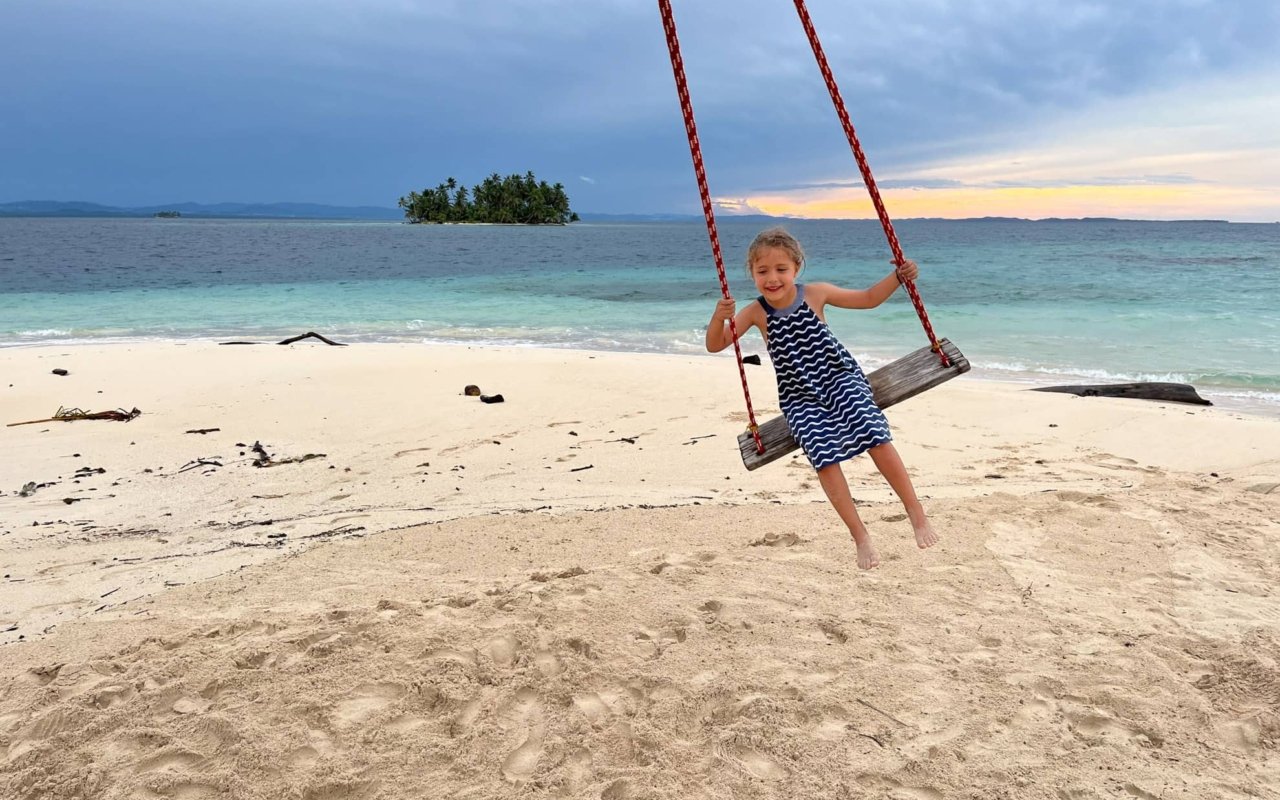
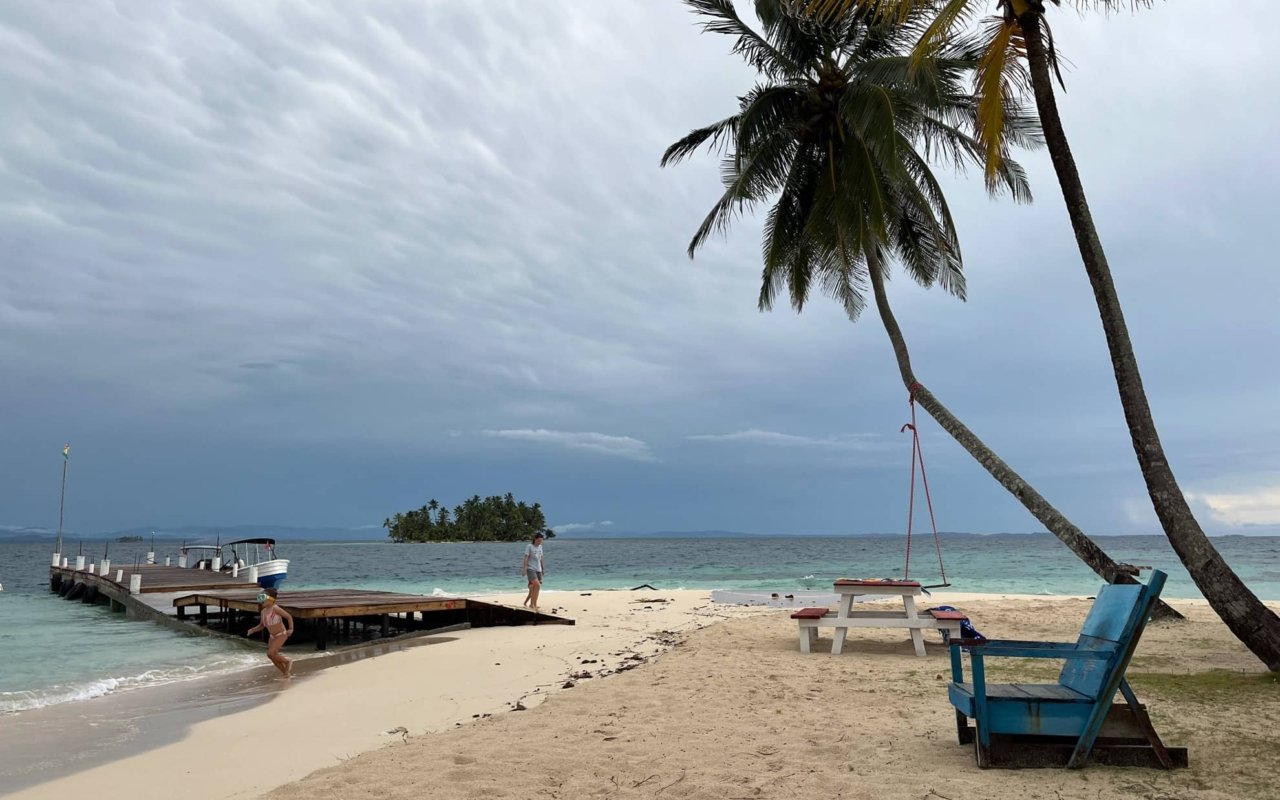
Discover the islands of Guna Yala
There are many ways to discover the archipelago:
-
As an all-inclusive holiday on an inhabited island, to live to the rhythm of the Gunas;
-
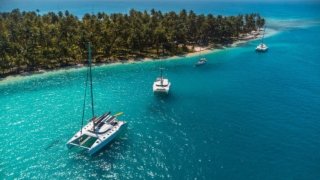
On a sailing or catamaran cruise, to sail from island to island between lagoons and coconut palms.
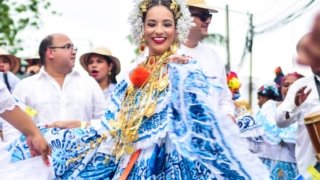
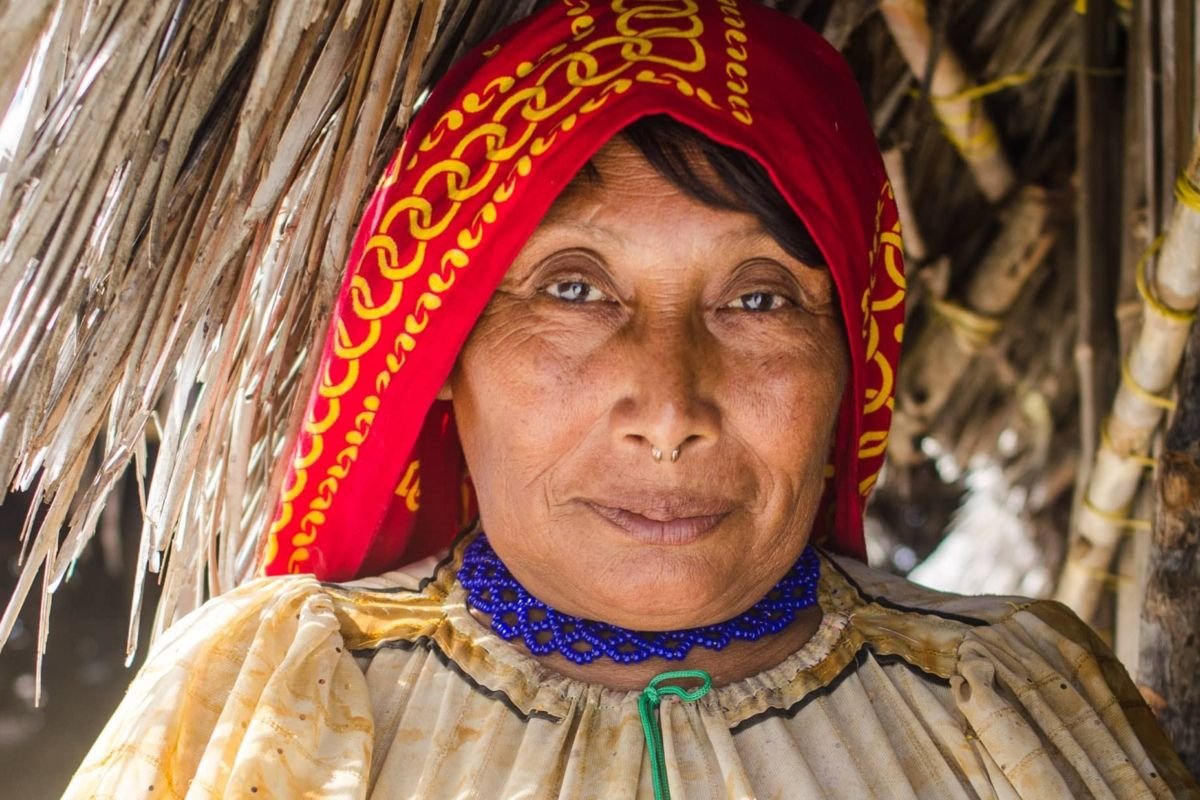
Guna Yala is above all the land of the Gunas, a smiling, proud Amerindian people deeply attached to their roots. Their society is matriarchal, and their culture lives on through language, customs and a simple, harmonious way of life.
A comarca is an autonomous indigenous province. The comarca of Guna Yala extends over 320,000 hectares along Panama’s Atlantic coast, and stands out as the only region in the country entirely governed by an indigenous people.
Life and traditions of the Gunas
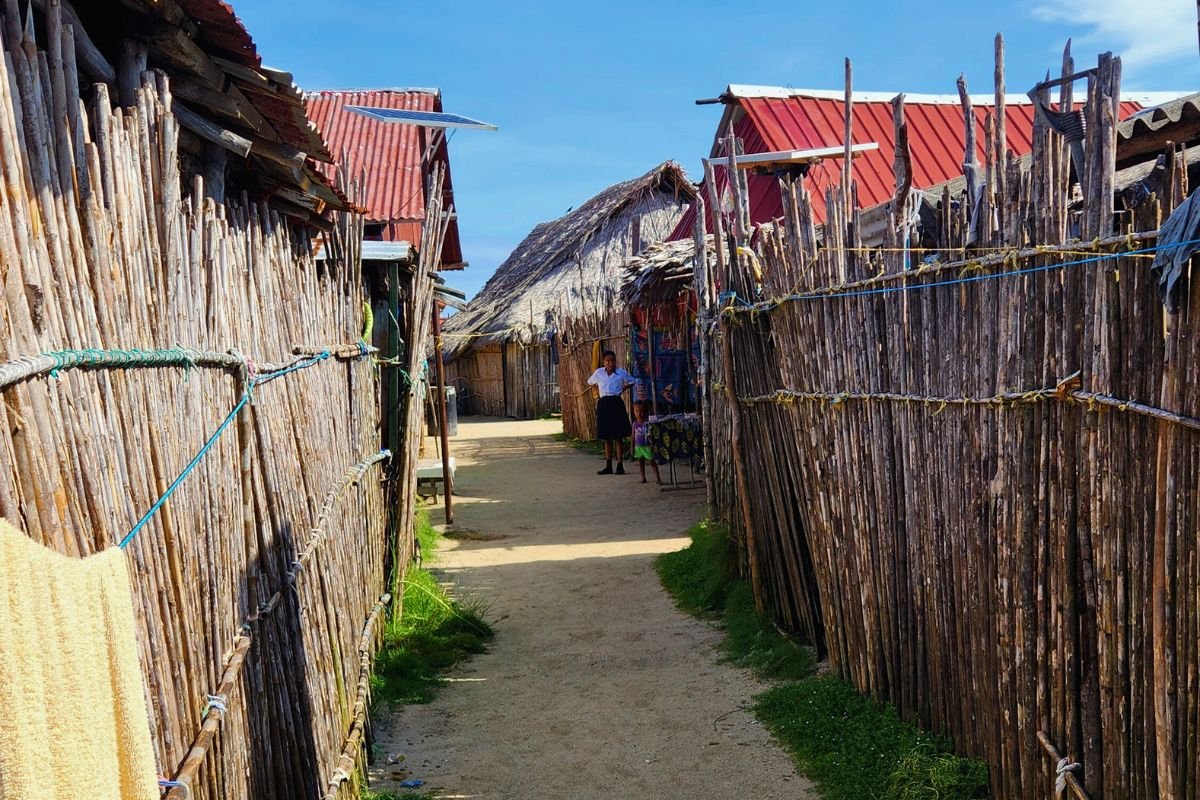
Guna Yala villages are made up of wooden and palm-leaf huts, often so close together that not a single strip of beach is visible!
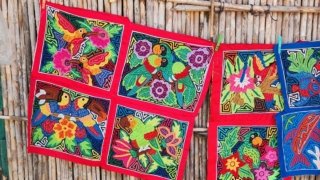
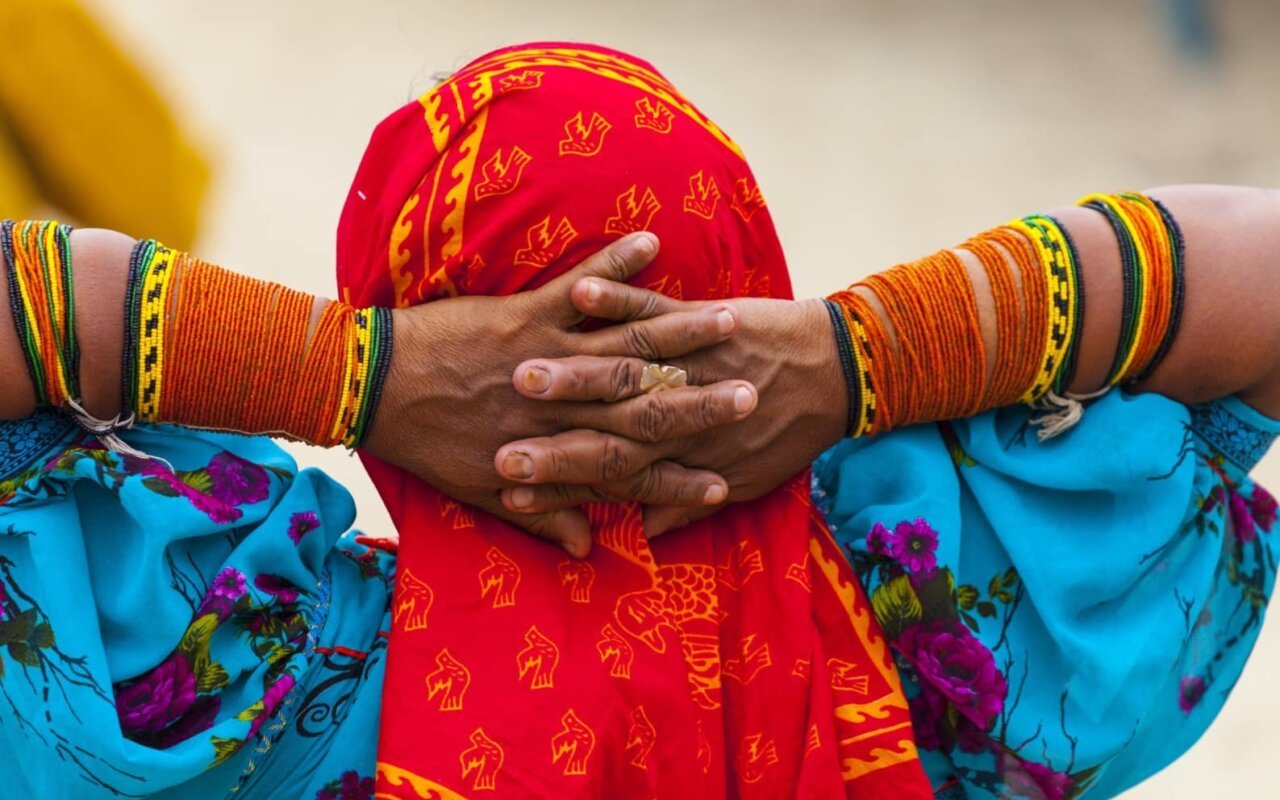
The men work mainly on the coconut plantations and fishing, while the women prepare meals, maintain the house and create the famous molas, the colorful fabrics emblematic of their culture.
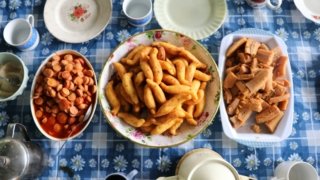
Meals are simple and tasty: grilled fish, seafood, fried plantains, coconut rice… The traditional dish, dule masi, combines yuca (manioc), plantains and grated coconut, often accompanied by fresh fish.
Their typical boat, the cayuco, carved from a single tree trunk, symbolizes daily life on the islands and still inspires the designs of molas today.
The art of molas
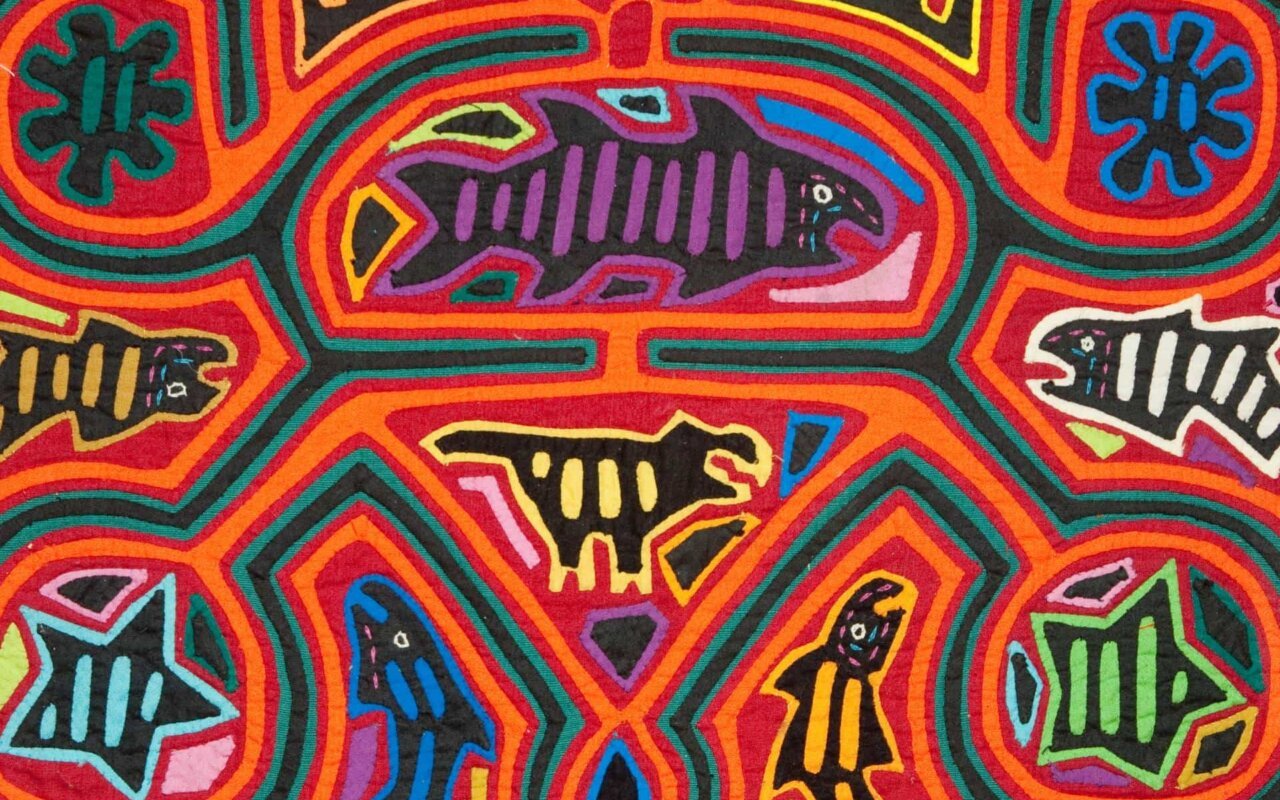
Molas are one of the finest examples of Amerindian craftsmanship. These polychrome textile pieces adorn the traditional bodices of Guna women. Each design tells a story: nature, animals, myths or village life.
Made by hand using a reverse appliqué technique, molas require several weeks of painstaking work. Today, they are sought after by collectors the world over and exhibited in museums in America and Europe.
To admire their richness and diversity, don’t miss the Museo de la Mola in Panama City’s Casco Viejo.