Coffee, nature and adventure… on a cool day!
The province of Chiriqui is renowned for its vegetable and flower production (Cerro Punta) and its coffee (Boquete). For the more adventurous, the La Amistad and Volcan Barú national parks offer sublime hikes through lush forest, ideal forquetzal spotting, while the Gulf of Chiriqui is a beautiful seaside resort on the Pacific, in a wild setting where you can watch humpback whales pass by.
Tierras Altas, Panama’s granary
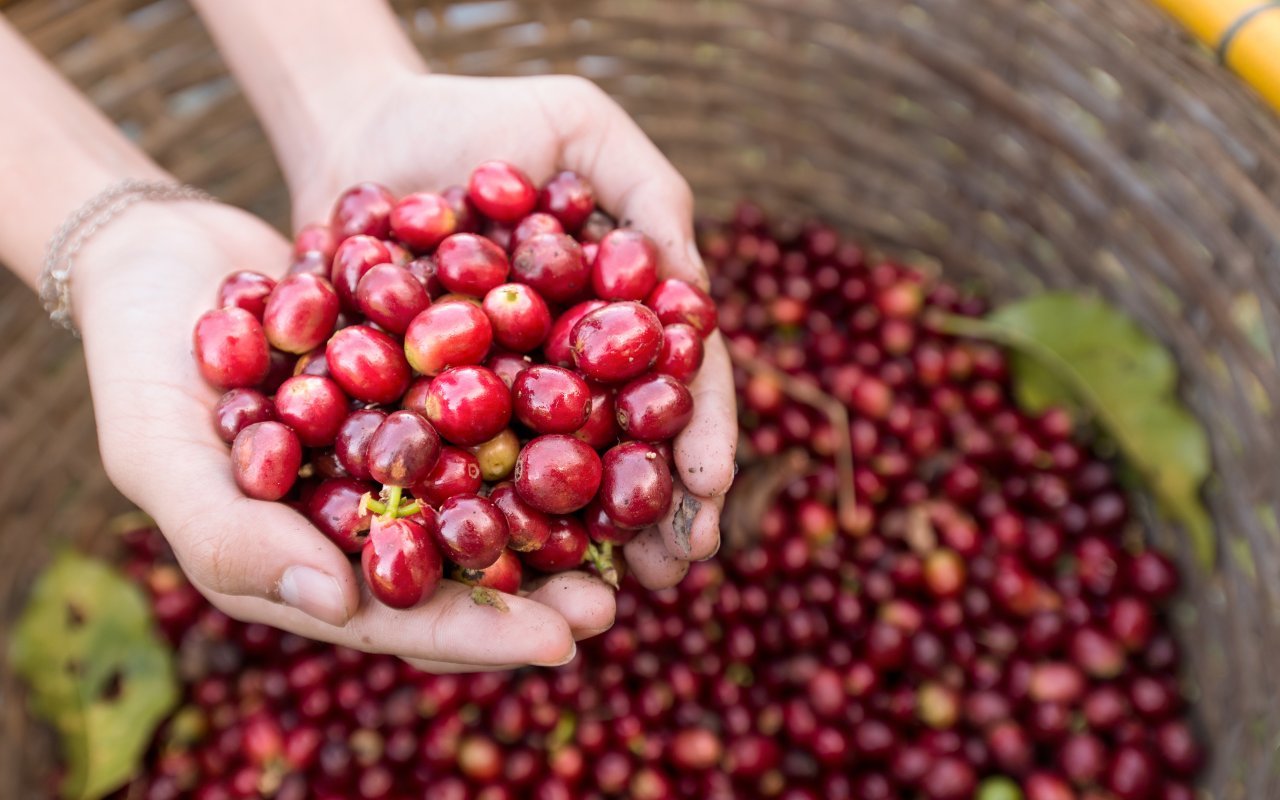
Boquete, growing flowers and coffee
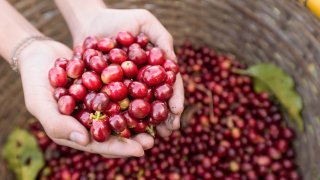
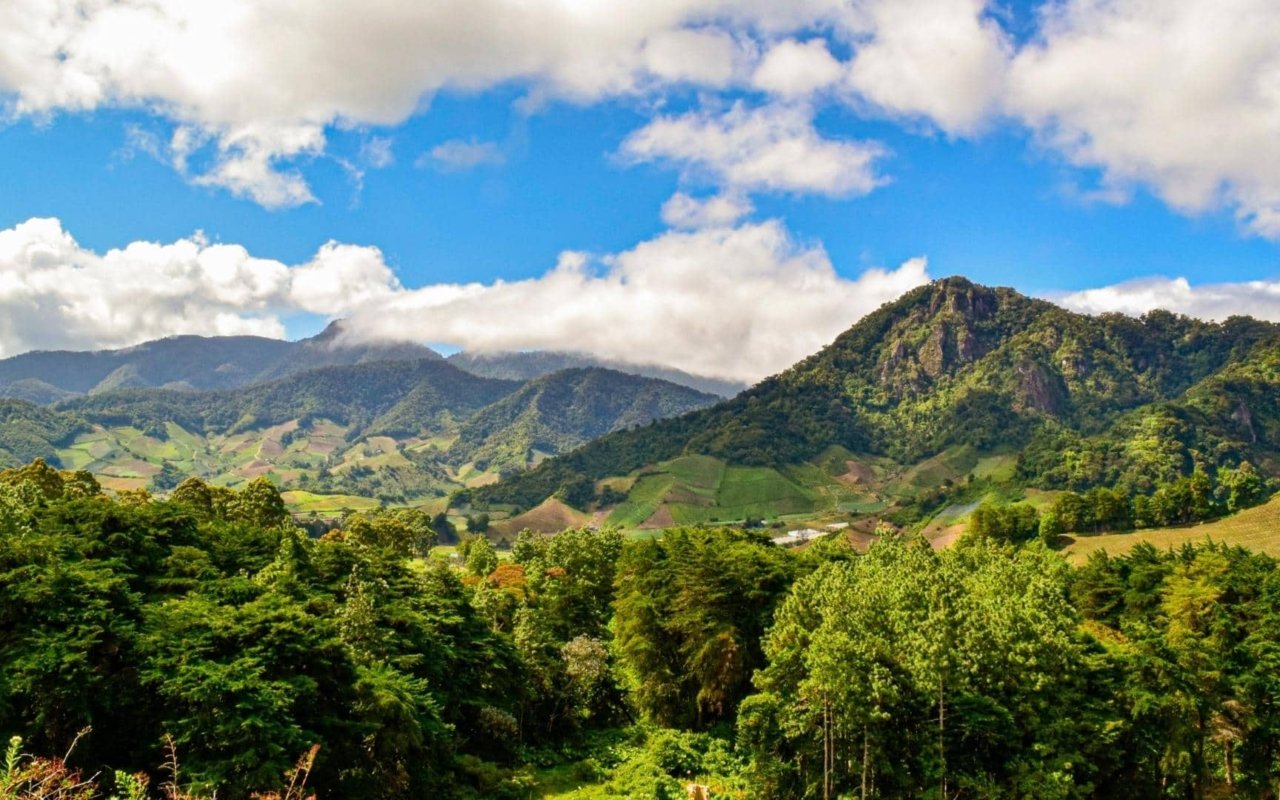
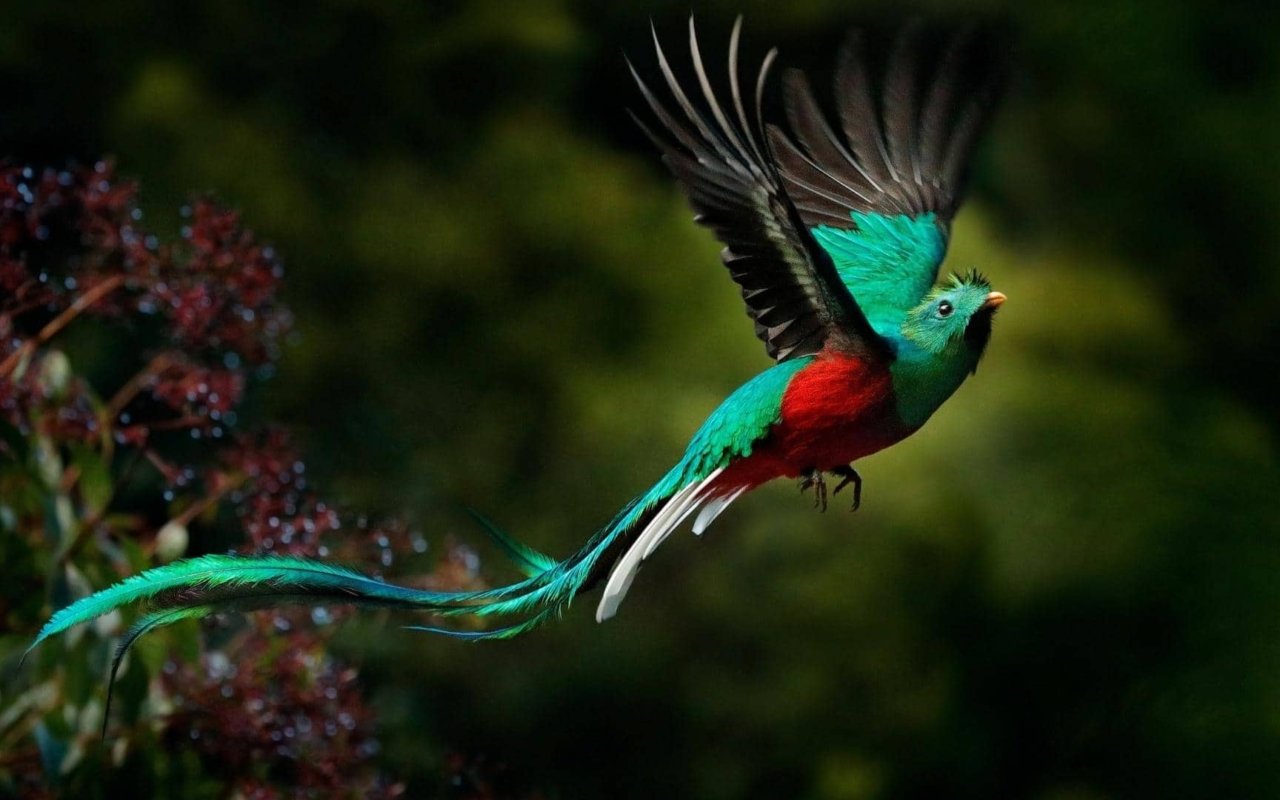
Renowned for its mild climate and unspoilt natural setting, the small town of Boquete nestles at an altitude of 1,600 m in the heart of a steep valley, 35 km north of David. Three major types of coffee are grown here, including the famous Arabica. Last but not least, the Boquete region is recognized as one of the best places to observe tropical birds, including the famous quetzal. According to ornithologists, the best time to see this species is in April and May
Cerro Punta and Volcano, nature and hiking
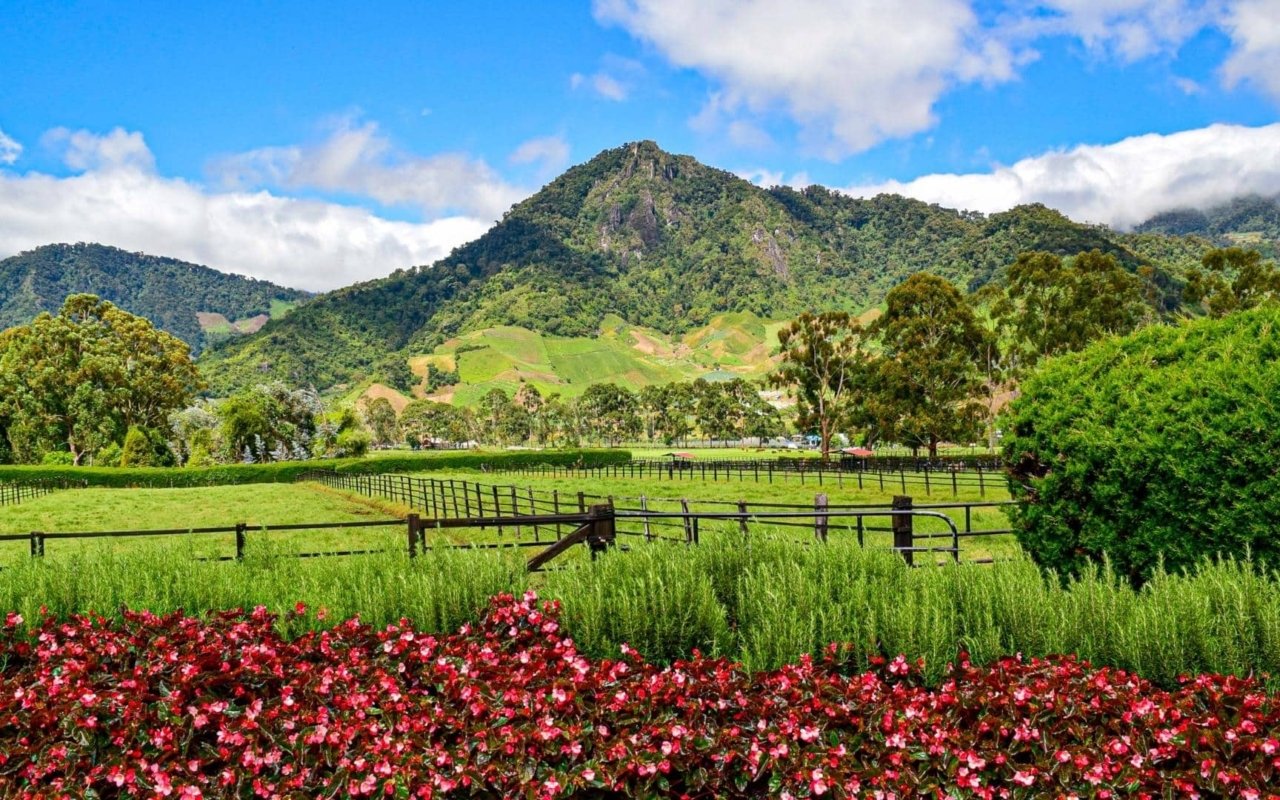
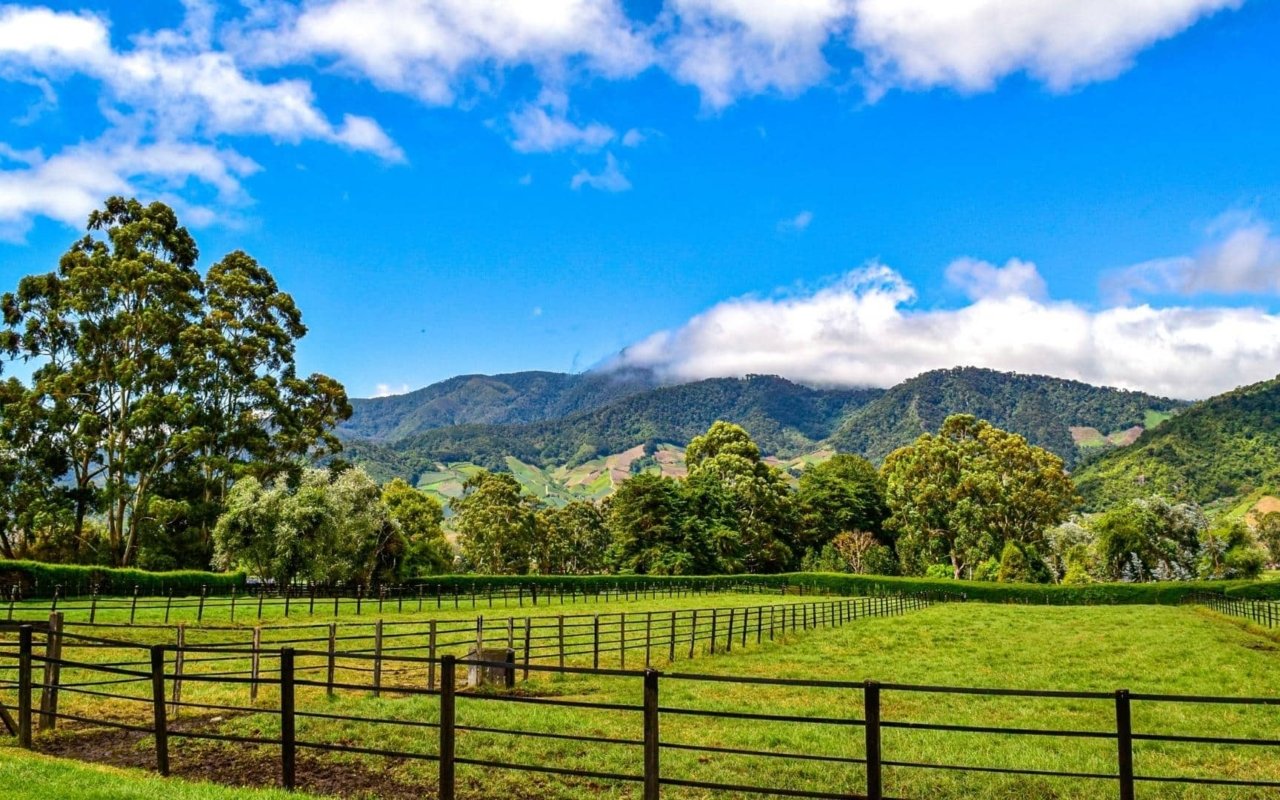
At an altitude of 1970 metres, on the slopes of the Cordillera de Talamanca, the village of Cerro Punta boasts cows, horses, sheep and a vegetable granary. The area is ideal for trekking enthusiasts and for the beauty of the surrounding mountain scenery. The Haras Cerro Punta breeds competition horses and offers beautiful rides.
Hiking and adventure sports in national parks
The province of Chiriqui will delight hiking enthusiasts with its many trails through tropical vegetation. You can follow in the footsteps of the Quetzal between Boquete and Guadalupe, explore the jungle of La Amistad International Park, or try the adventure of climbing Volcan Baru, Panama’s highest peak
Volcan Baru National Park, hiking and Quetzal watching
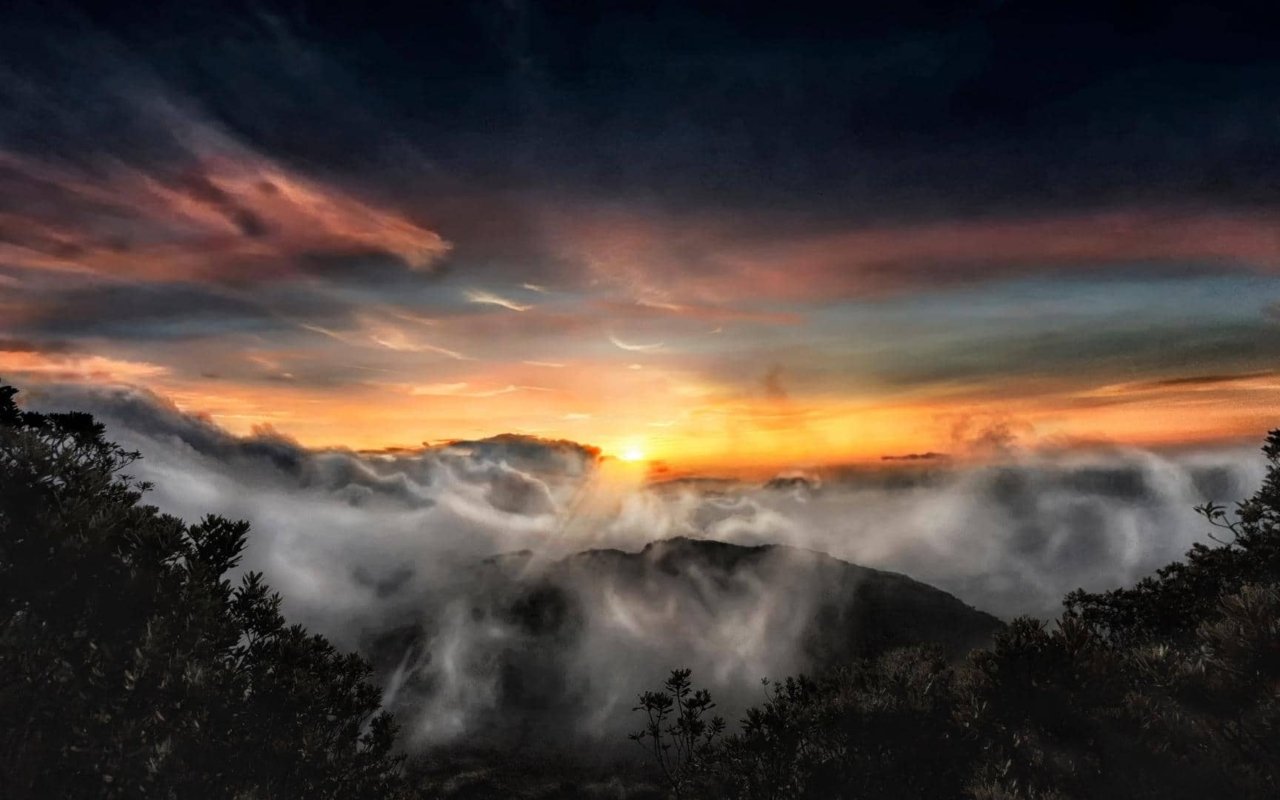
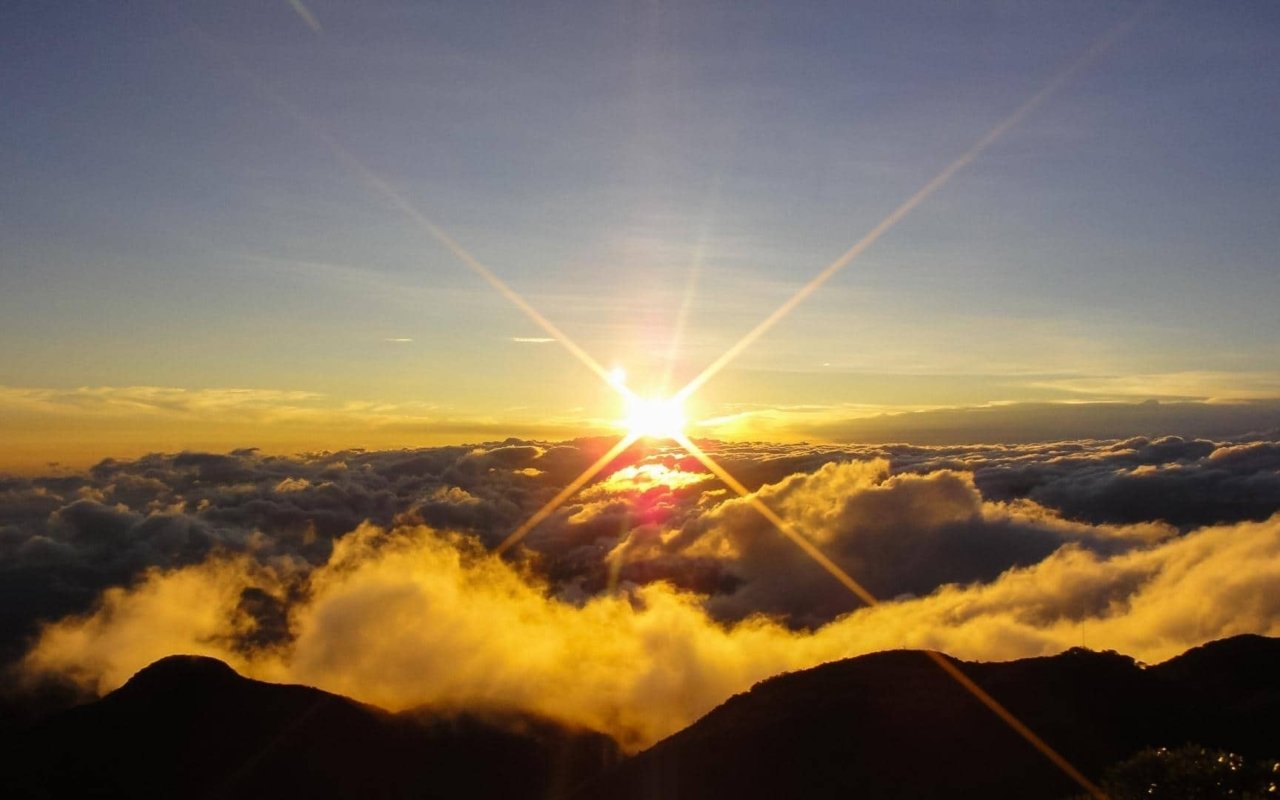
Volcan Barú, at 3,475 metres above sea level, is Panama’s highest peak. Depending on your altitude, you’ll be able to observe both rainforest species and spindly shrubs. From 1,800 metres upwards, the vegetation gradually begins to recede, giving way to more and more volcanic rock. At the summit, temperatures change very quickly, and it’s not uncommon for them to drop from 16°C to less than 10°C in a matter of minutes when the sky becomes overcast. When the skies are clear, if you get to the summit early enough, you’ll be able to see the world’s two largest oceans, the Pacific and the Atlantic
Parque internacional La Amistad, trekking in the biosphere reserve
The park straddles the border between Panama and Costa Rica. On the Panamanian side alone, there are several peaks in excess of 3,000 metres, culminating in the Barú volcano. The region is very dense and rich in flora and fauna, with different types of vegetation depending on altitude. Numerous wild animals live here, including some species that are now endangered (the jaguar, the tapir, the white-tailed deer and the famous quetzal). Today, it is estimated to contain 60% of all vertebrate and invertebrate species in Panama
Rafting on the Chiriqui River
The Chiriqui River is one of Panama’s best rafting sites. Thrills and adrenaline rushes guaranteed in the heart of the gorges in a tropical setting, just a stone’s throw from Costa Rica. We offer rafting tours for levels II, III and IV, on the Witches and Sabo sections, departing from Boquete or Guadalupe
Tyrolean traverse in Boquete
Try your hand at adventure, hanging on to a harness to fly over the canopy. You’ll explore the treetops as you glide along cables from platform to platform through Panama’s tropical vegetation. It’s a network of 14 platforms and 12 cables suspended from the treetops, totaling almost 3 km in length!
Land of the Guaymis or Ngöbe Bugle
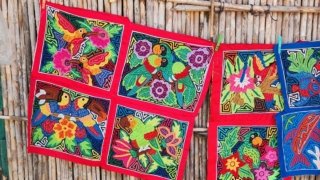
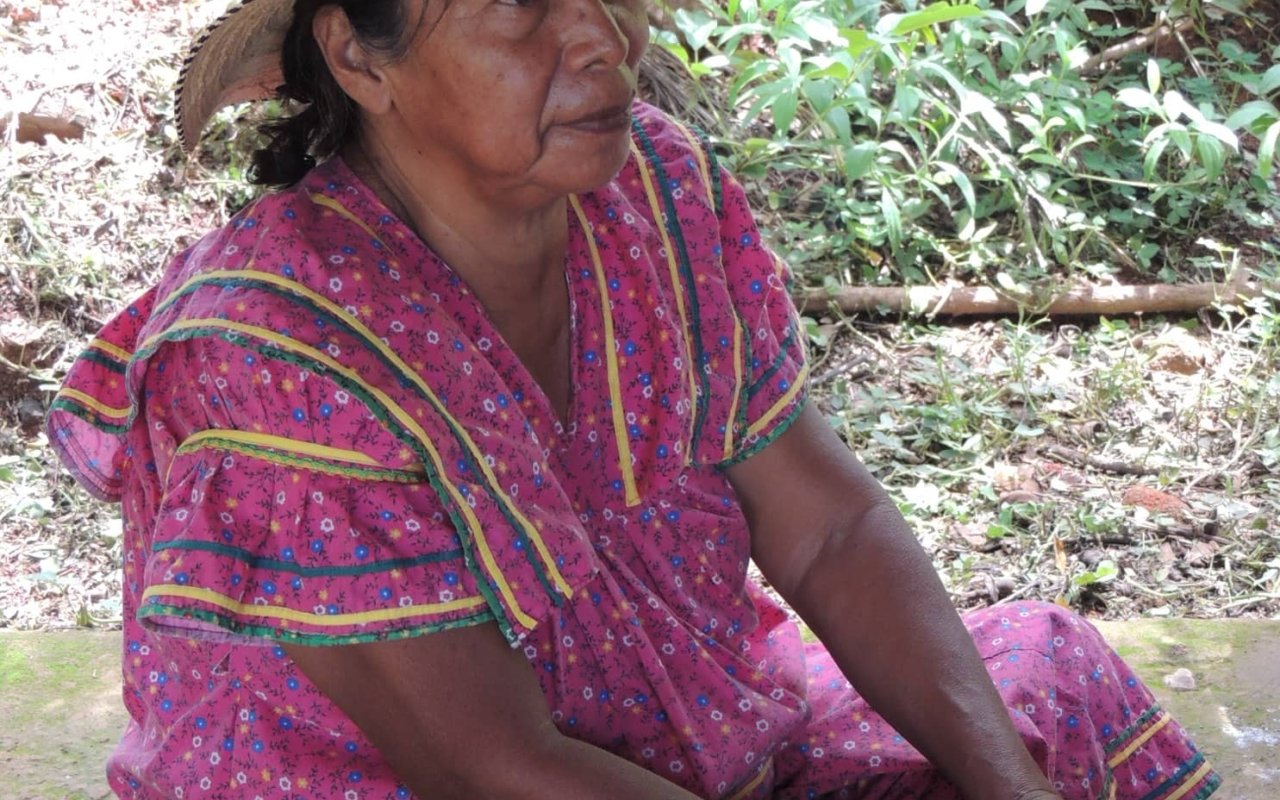
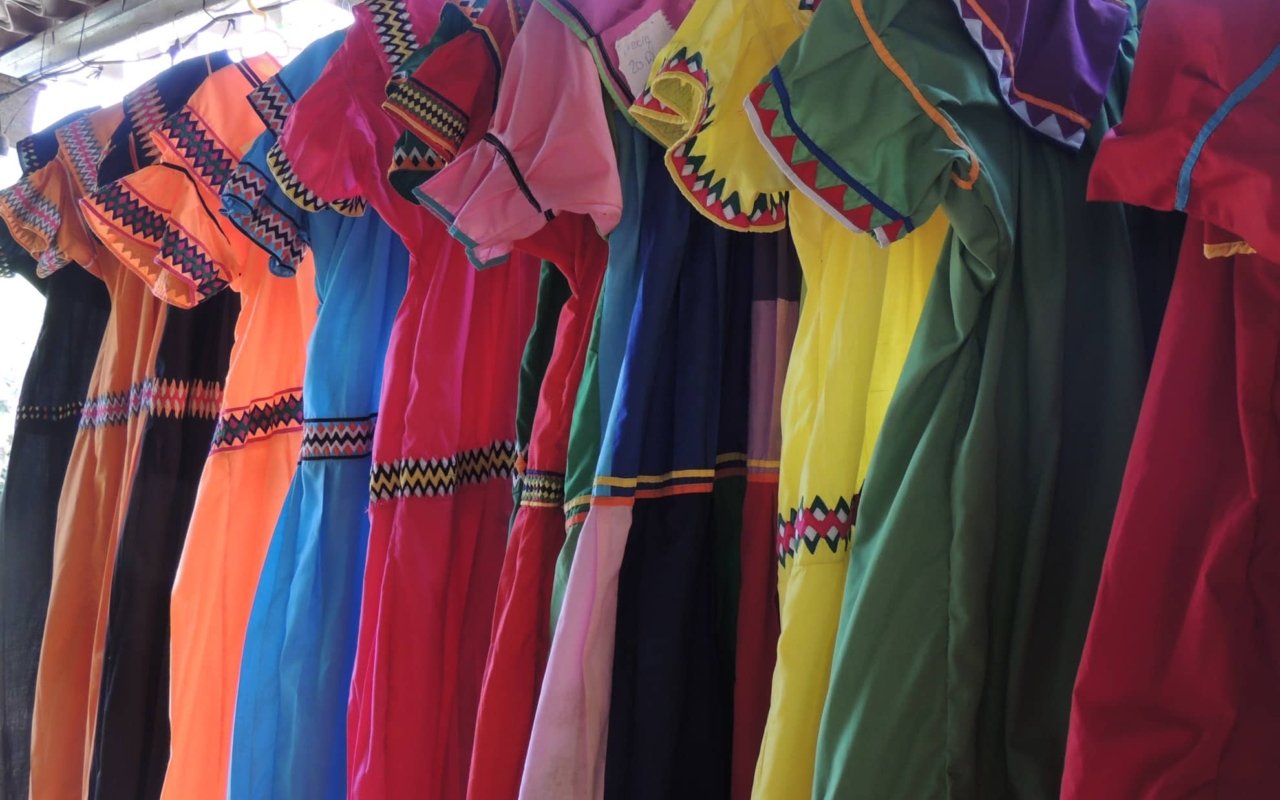
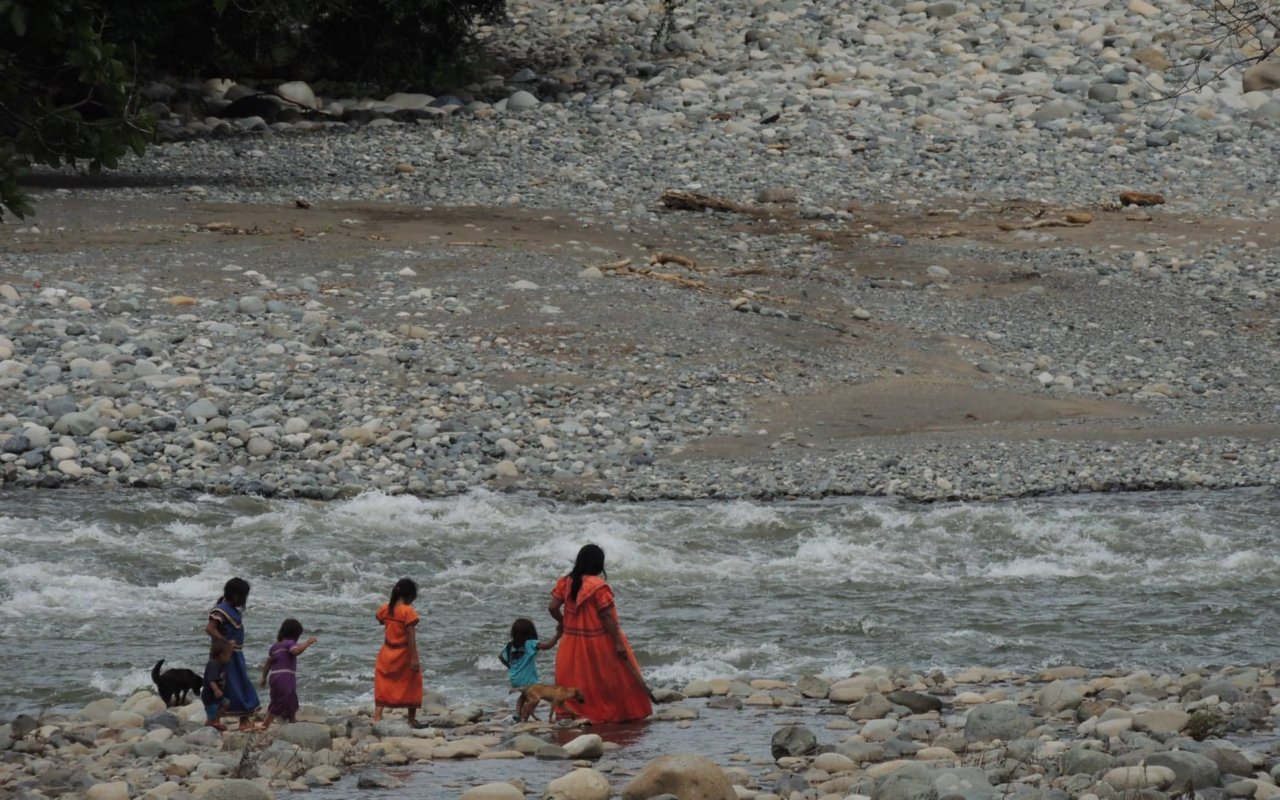
The Ngobes-Bugle are the country’s largest indigenous nation (between 97,000 and 150,000 people, depending on the source). Until the arrival of the Spanish, they were mainly concentrated in the central and western parts of the country, in the provinces of Veraguas, Herrera, Los Santos and Coclé. Later, as a result of the colonization of the land, they concentrated mainly in the provinces of Bocas del Toro and Chiriqui. With the loss of their land, a not inconsiderable number of Guaymies now work on a seasonal basis on gigantic plantations or for the many mining companies that have moved into their territory in recent years. As for the women, they make dresses and jewelry, which they sell in the villages and along the Interamericana highway.
Gulf of Chiriqui
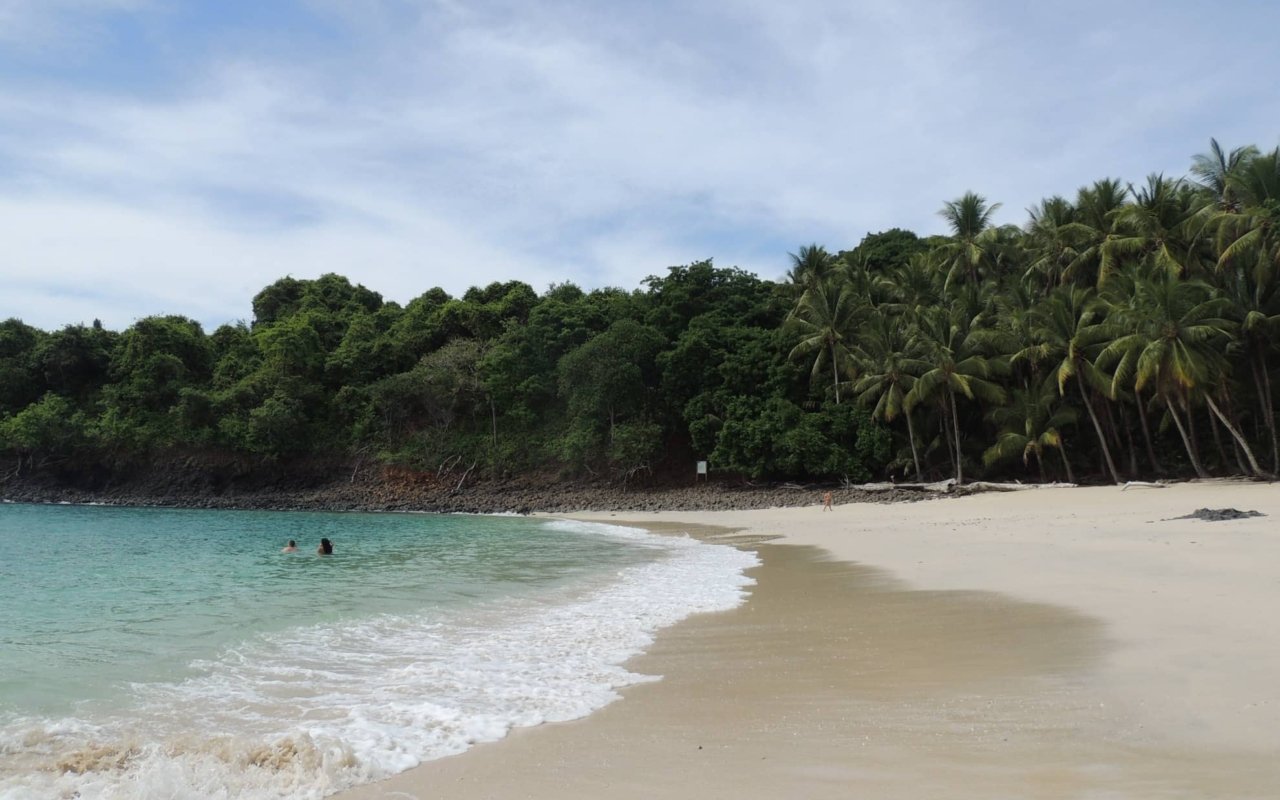
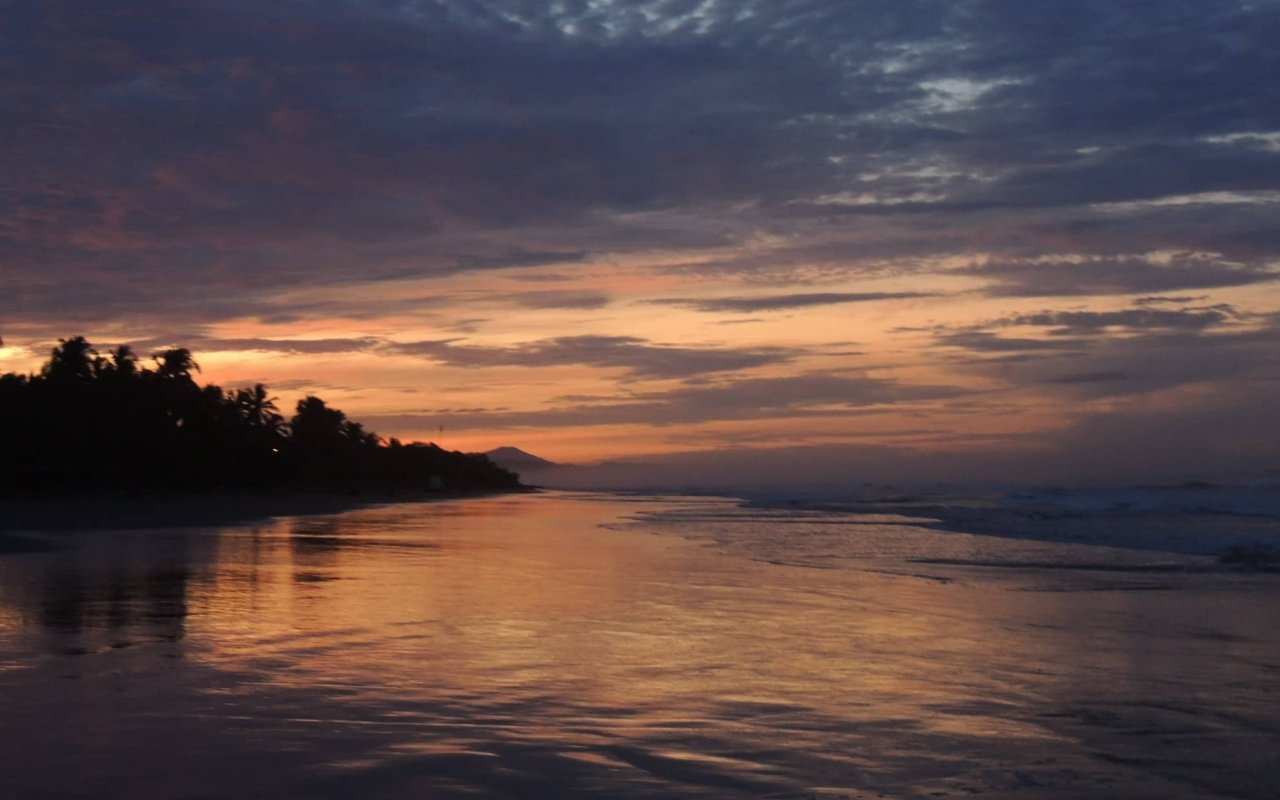
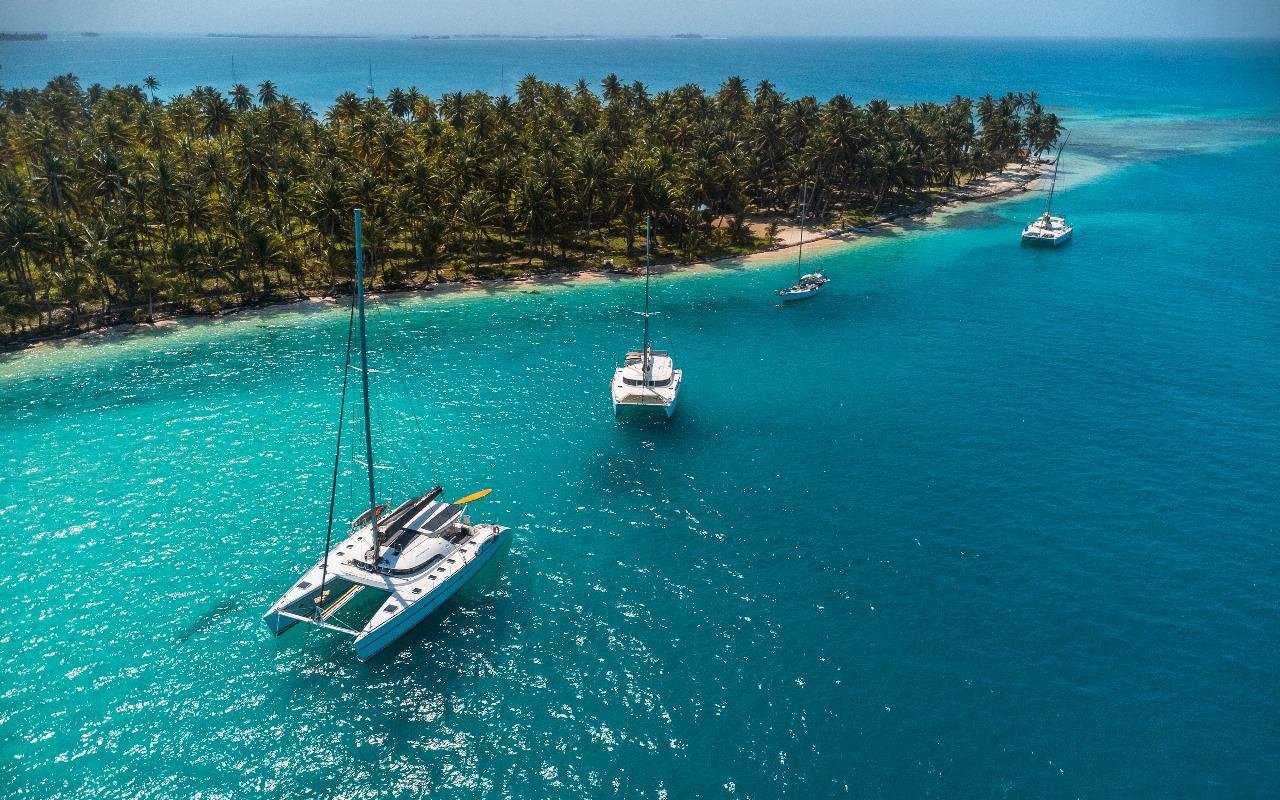
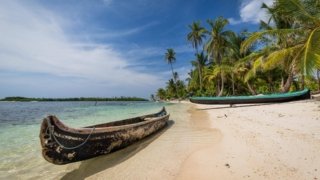
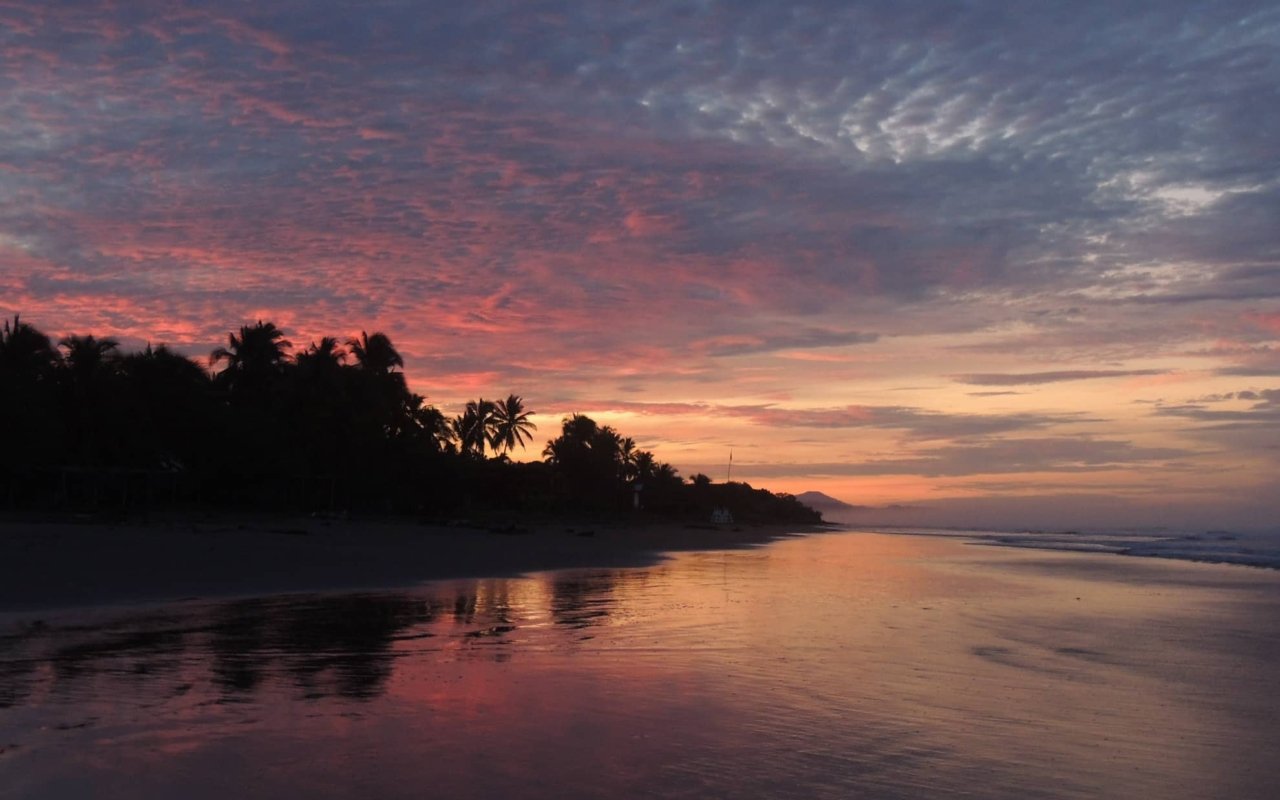
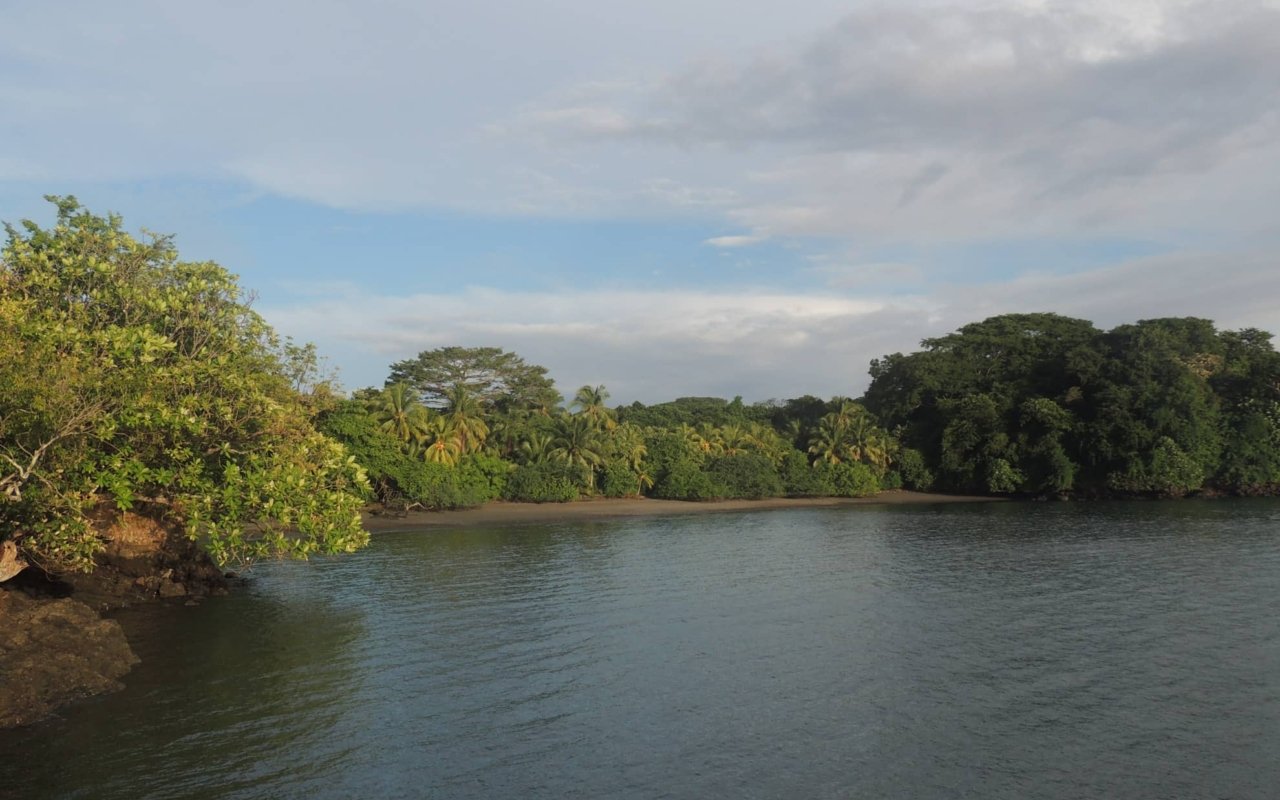
The Gulf of Chiriqui is a beautiful seaside resort in the Pacific, in a wild setting where you can watch humpback whales pass by and relax on uncrowded beaches. The small village of Boca Chica is the starting point for most of the excursions offered in the Gulf.The archipelago abounds with more than 80 islands and islets, most of them uninhabited, each one more beautiful than the next for relaxing in paradise-like surroundings
Isla Bolaños
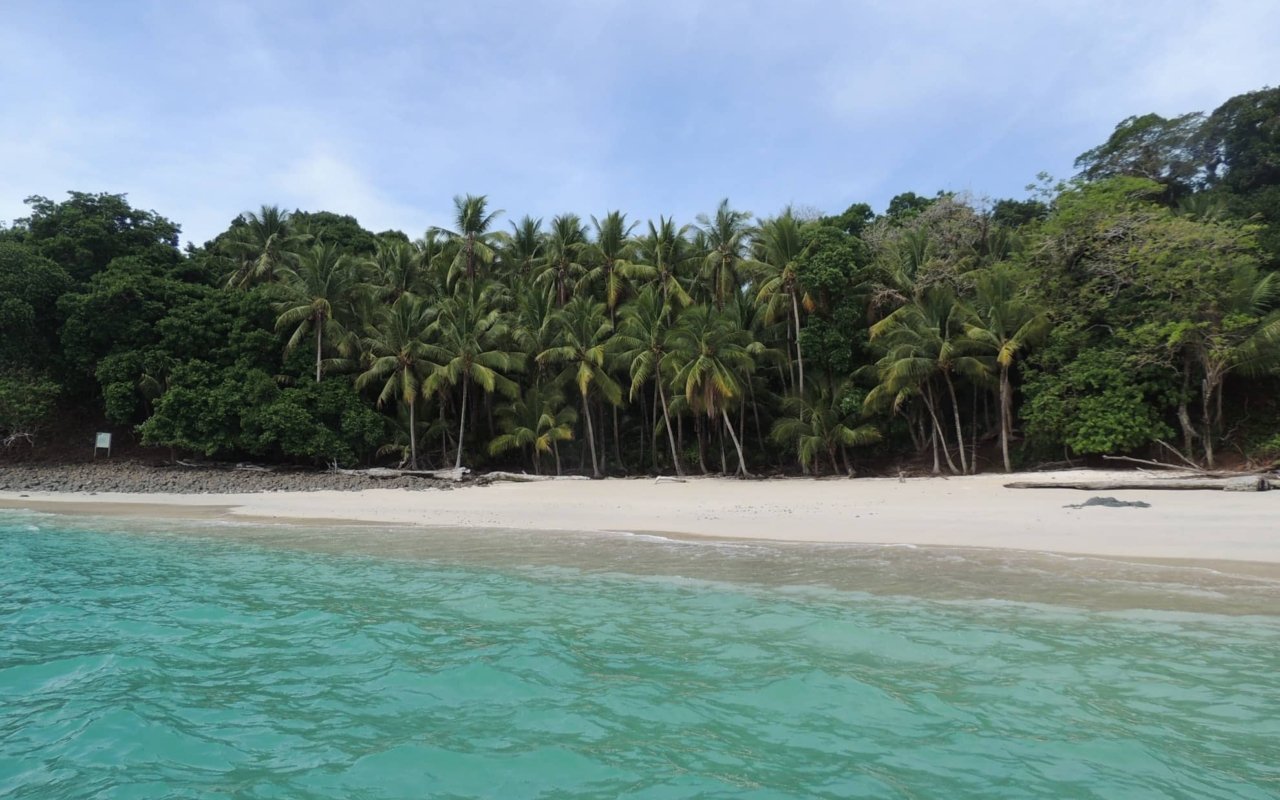
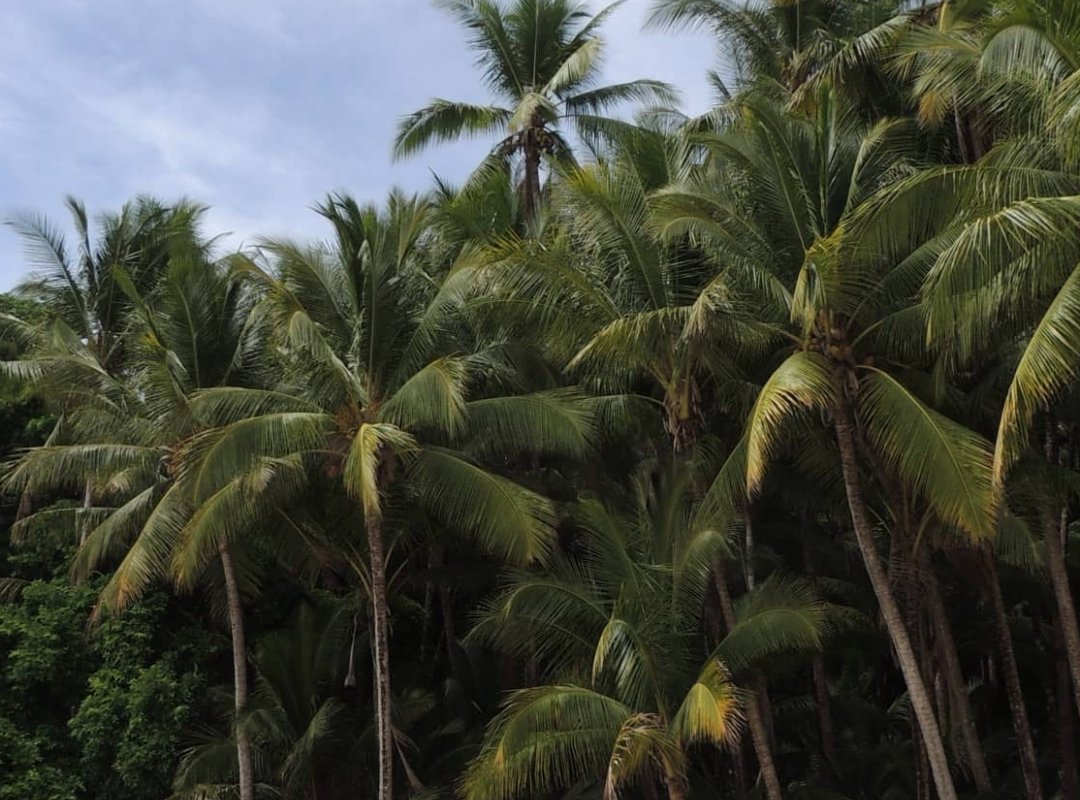
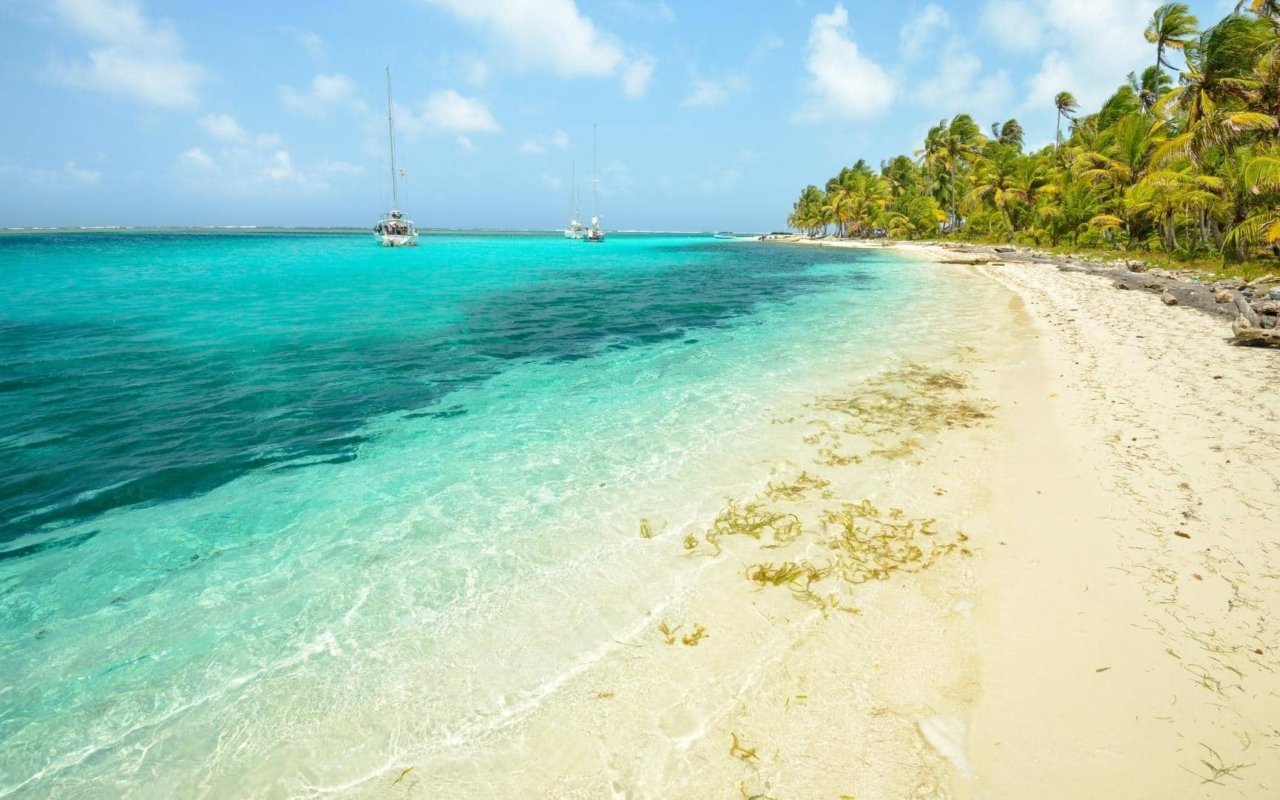
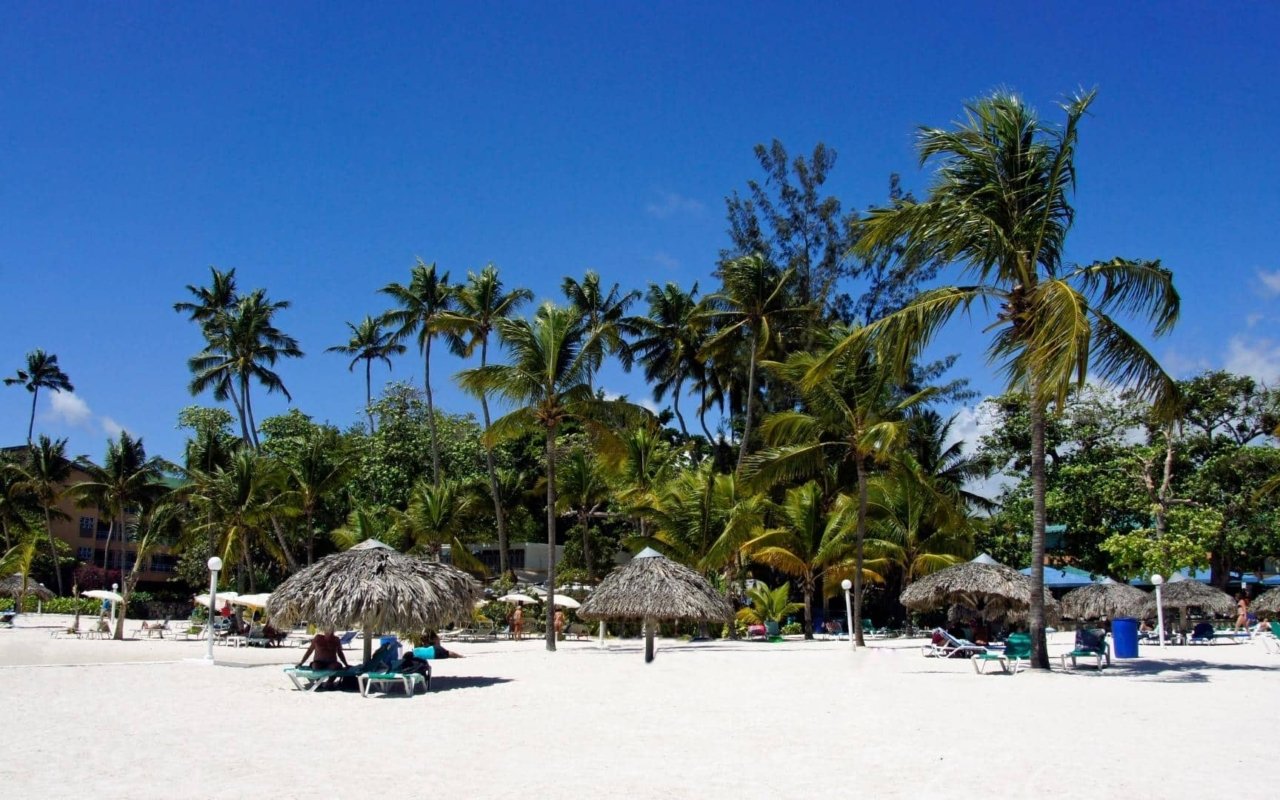
This island is a natural gem, with white sandy beaches surrounded by coconut palms and crystal-clear waters
Isla Gámez
The 2 beaches of this small island are separated by a bank of palm trees. You may be lucky enough to spot a turtle while snorkeling
Isla Paradita
This volcanic island is covered in tropical forest. It’s one of the few islands with a restaurant serving freshly caught fish
Islas Secas
This archipelago of 16 islands and islets offers extraordinary biodiversity. Often referred to as a mini-Coiba, these wild islands are a snorkeling paradise.