Crafts
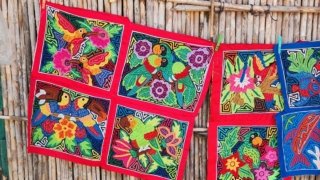
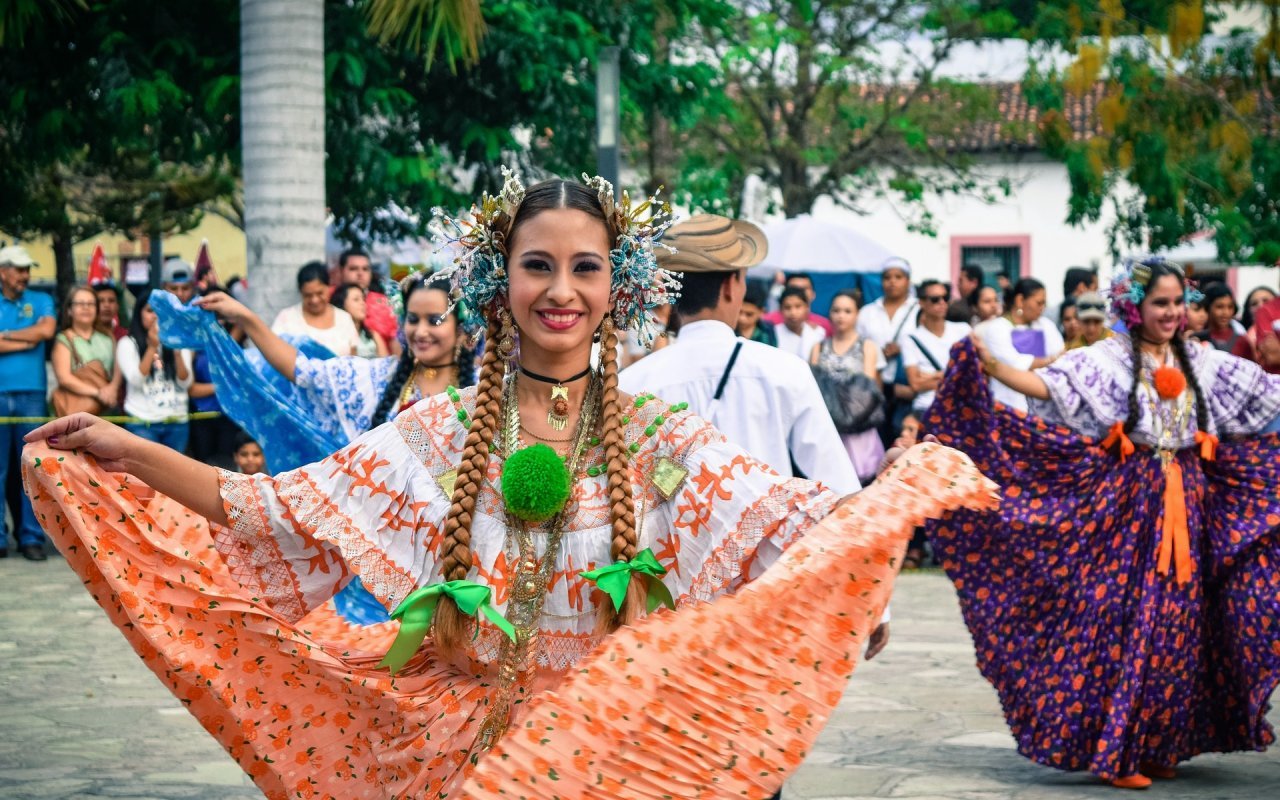
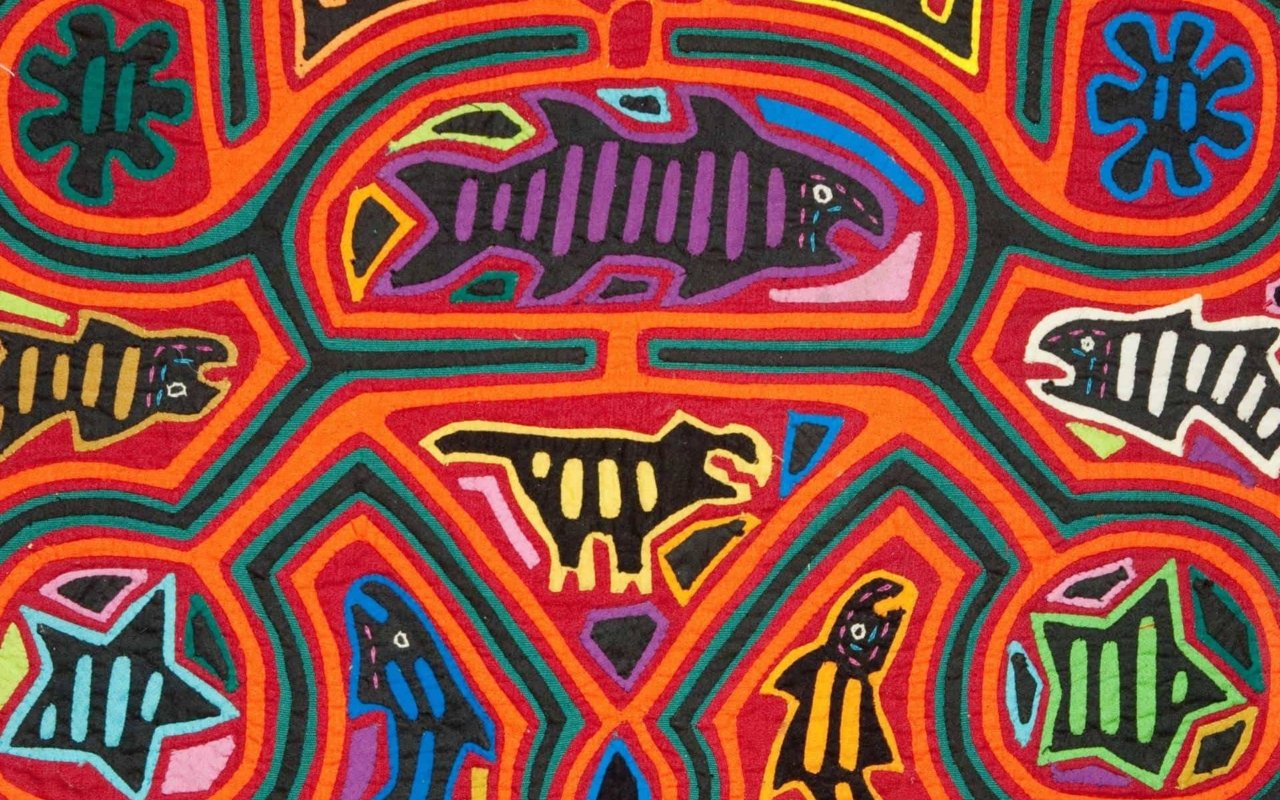
Panama‘s ethnic richness is reflected in the variety of its handicrafts. Until the country opened up to tourism, handicrafts were much more functional than decorative. Today, many artisan families have turned to artistic creation, practicing an art they have mastered completely and which often constitutes their sole source of income.
Festivities
We can’t say it often enough: Panamanians love festivities, and any excuse is a good one: religious ceremonies, public holidays, folklore performances! The particularly busy month of November has been renamed the month of patriotic festivities: no less than three successive celebrations in honor of Panama‘s tumultuous history !
Literature
Apart from the writer Victor de la Guardia and the poet Darío Herrera, it was not until the birth of the republic that an intense literary life took shape. This developed mainly in the second half of the 19th century, with the first essays by Panamanian Don Jousto Arosemena. In considering Panama‘s place within Greater Colombia, the author already foresaw the independence of 1903.
This event gave rise to a romantic current marked by the poetess Amelia Denis de Icaza and the poet Tomas Martin Feuillet. Ricardo Miró, best known for his patriotic work, was one of the most influential writers of the Republican period. In particular, he penned the poem Patria, which was adopted by schools throughout the country. Nationalism was a favorite theme for many poets, including Gaspar Octavio Hernández. Maria Olimpia de Panamá also enjoyed great popularity for her poems dedicated to motherhood and the family. The poet Rogeliso Sinan rebelled against the conventional forms of Panamanian production and initiated the period of avant-garde poetry. Among twentieth-century novelists, we must mention Carlos Chang Marín, Ernesto Endara and Joaquin Beleño (whose book Luna Verde describes working-class conditions in the Canal Zone), for want of being able to name them all. Contemporary literature is varied, mixing poems, novels and stories.
Music
Music, enriched by a long tradition, developed very rapidly in Panama, and a national symphony orchestra was created as early as 1910. Alberto Galimany was the most influential Panamanian composer of the 20th century.
Today, music is omnipresent in Panamanian society. From an early age, children learn to play instruments and participate in school orchestras.
In addition to the omnipresence of the accordion in the music, very particular cries, called salomas, very often accompany the fields, giving them a country style.
Among the many typical singers are Victorio Vergara, Alfredo Escudero, Dorindo Cárdenas and Sony and Sandra Sandoval. In addition, a world-famous figure who is particularly adored in Panama deserves a special place: Ruben Blades, of course.
Whether on public transport, on the street or in the stores, there’s always music floating in the air. This varied music invites you to dance: merengue and salsa, of course, but also tipico, reggae and congo music.
Panamanian dance
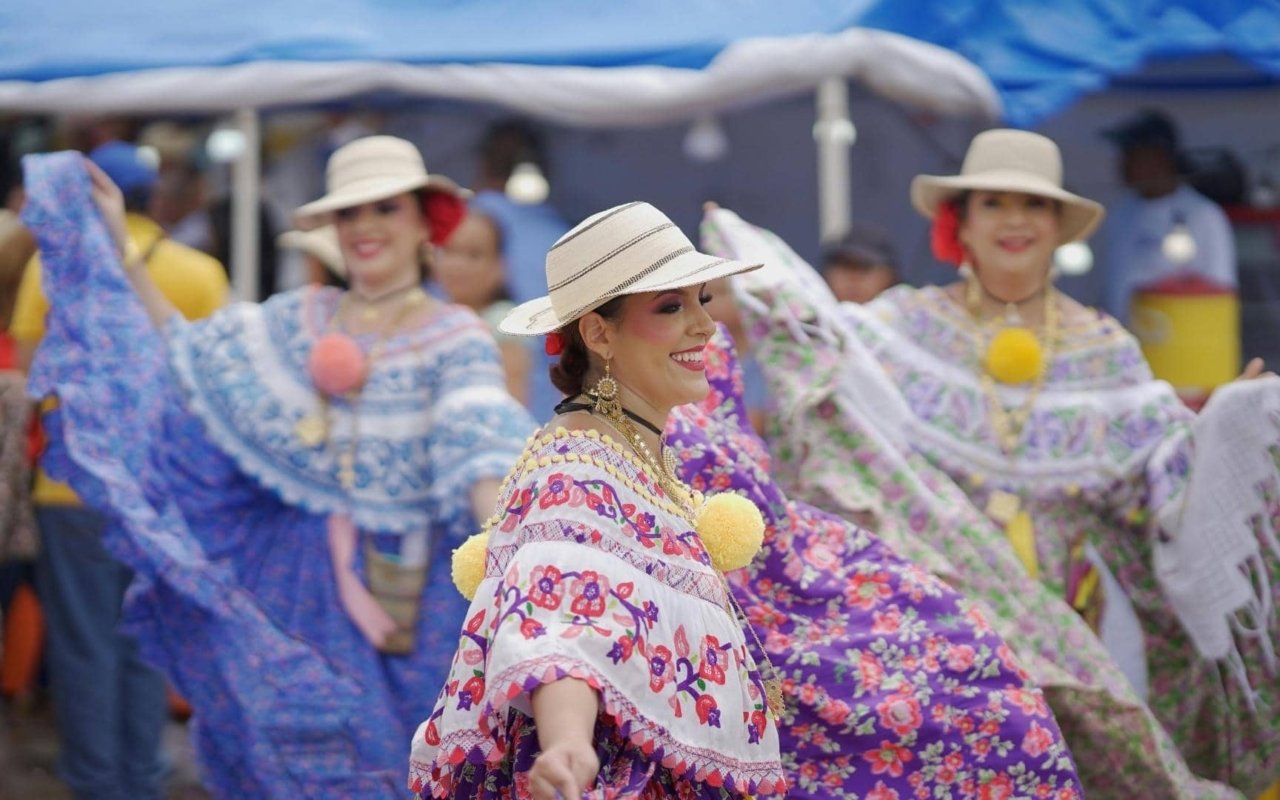
Folk dance in Panama has a long and rich history. Initially brought by the colonists, it has gradually been enriched by indigenous and foreign elements, while diversifying according to region.
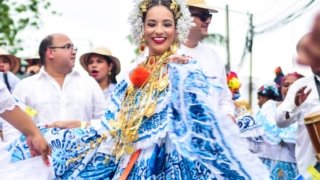
The “congo” dance, especially practiced on the coast of the Colón province, has a strong African influence. But the most celebrated dances in Panama are the mejorana, punto and tambrito, in which the dancers are dressed in pollera.