Located in the center of the country, these high-altitude villages offer a break between the Pacific and Atlantic coasts of the narrow country.El Valle de Antón and Santa Fe de Veraguas are two cool havens nestled in Panama’s mountains, surrounded by lush forests and waterfalls, perfect for hiking and exploring. Surrounded by lush forests and waterfalls, these towns offer the perfect setting for hiking and exploring.El Valle, set in an ancient volcanic crater, seduces visitors with its artisanal markets and unique biodiversity, whileSanta Fe, more unspoilt, charms with its authenticity, crystal-clear rivers and peaceful ambience.
The Coclé region
Situated in the center of the Isthmus, the Coclé region is a land of contrasts, renowned for its handicrafts, especially the making of traditional hats. This province will satisfy nature lovers as well as travelers wishing to enjoy the extensive beaches of the Pacific coast…The Coclé region offers visitors many opportunities to hike or horseback ride through a great natural diversity, between canyons, natural pools and waterfalls hidden in the tropical jungle. You’ll enjoy spectacular views of the valley and surrounding mountains, and be close to local cultures.
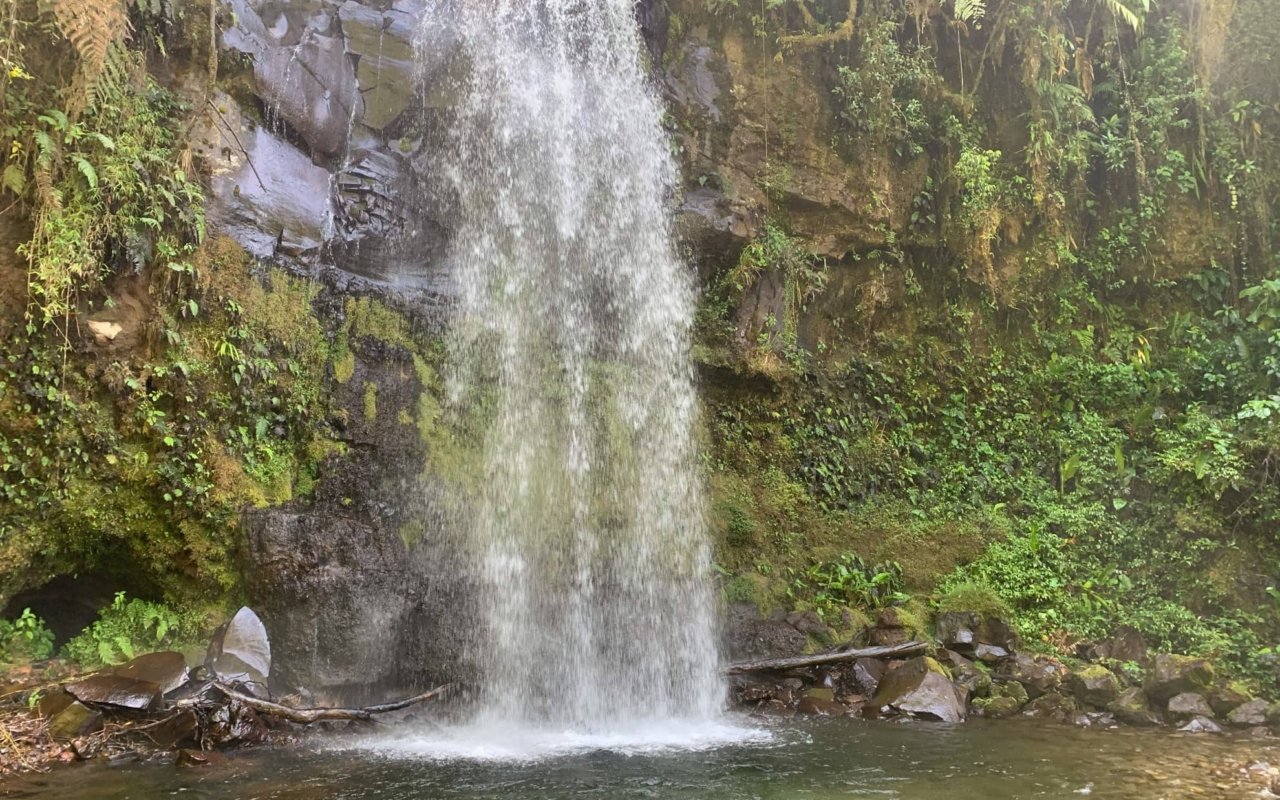
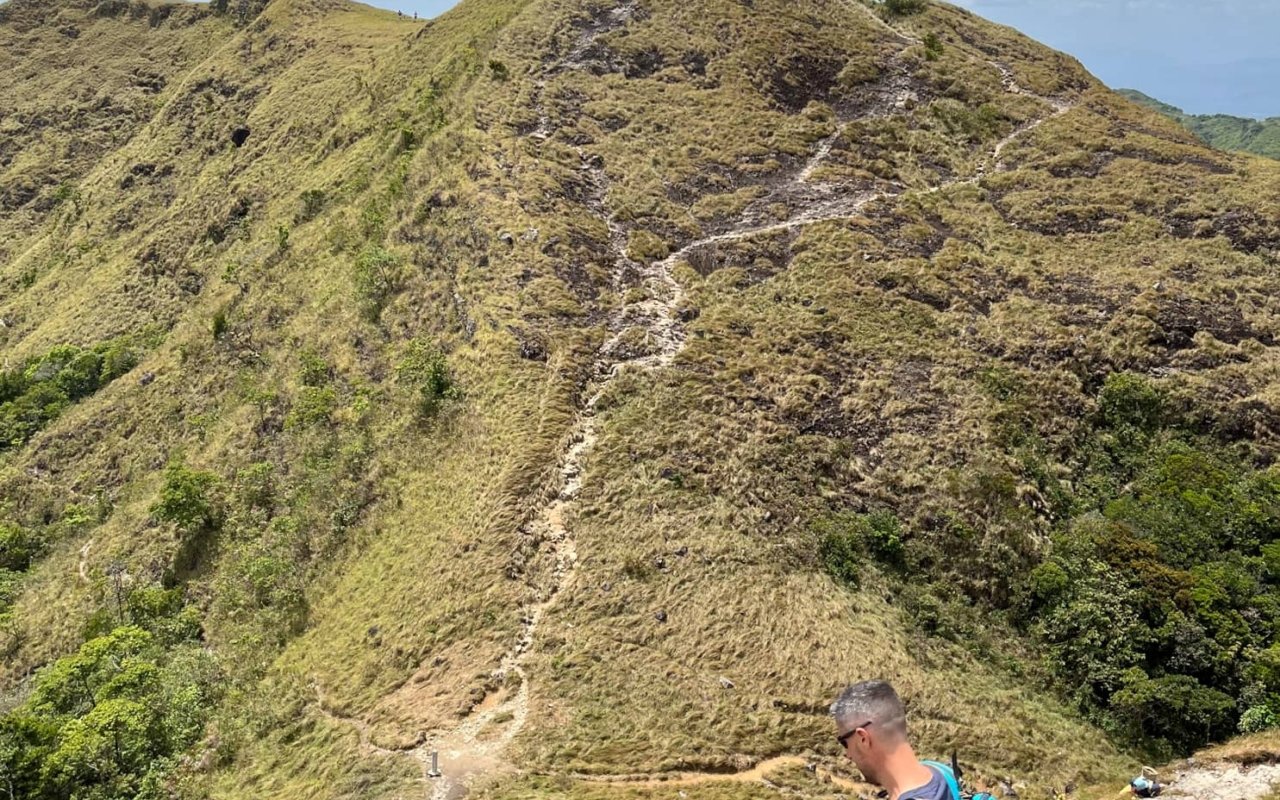
El Valle d’Anton
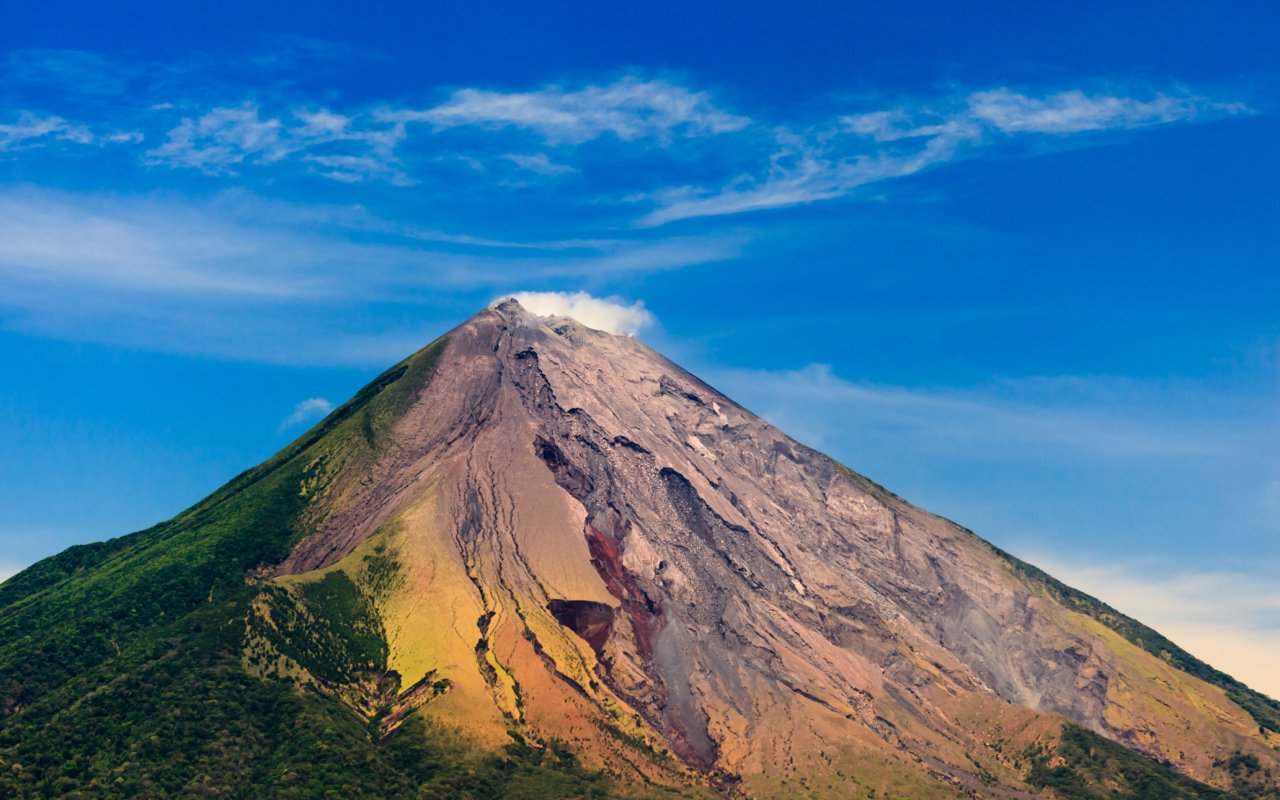
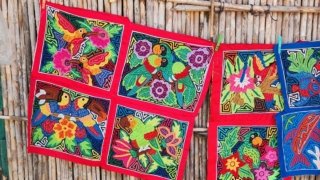
El Valle d’Anton, whose handicraft market is renowned throughout the country, is the ideal place for nature and adventure lovers. The village is located in the crater of an extinct volcano, less than two hours’ drive from the Panamanian capital, making it the ideal starting point for trekking, horse-riding, cycling and other eco-tourism activities.4 major trekking trails start from El Valle, allowing day trips to discover different landscapes. Beware, however, that the windy season makes certain routes dangerous from January to May.
Other villages of interest in the Coclé region
Penonomé, now the provincial capital, was also the country’s capital after the destruction of Panama la Vieja. Famous for its museum, the town is particularly lively at carnival time. You can visit the cathedral, the public market and the San Antonio district, as well as the El Cano archaeological museum. The latter was the scene of little-known indigenous ceremonies and rituals, and archaeological digs have yielded a wealth of pre-Columbian coins and pottery.
La Pintada. Stop off in the small village of La Pintada to admire the variety of Panamanian hats from different regions of the country, as well as the traditional men’s Montuno costume. You can also visit a cigar factory (weekdays only) where handmade cigars are made with tobacco from the Chiriqui province.Chiguiri arriba. Chiguiri Arriba is another small, verdant village set amidst exuberant flora and fauna. A variety of hikes allow you to discover the surrounding hills and waterfalls (the most famous is El Tadivia).Nata de los Caballeros. In the Nata district, the Basilica Menor de Santiago Apostol is the country’s oldest surviving colonial church. Measuring 25 metres wide by 50 metres long, it was declared a historic monument in 1941 for its beautiful façade and Baroque architecture.
Santa Fé
Perched high in the hills north of Santiago, Santa Fé is a small, unspoilt village to discover on foot or on horseback, among waterfalls, orchids and coffee trees. At just 430 metres above sea level, it offers a breath of fresh air. The village is inhabited by Ngöbe Buglé Indians, who make their living from farming. A lovely place to meet people!