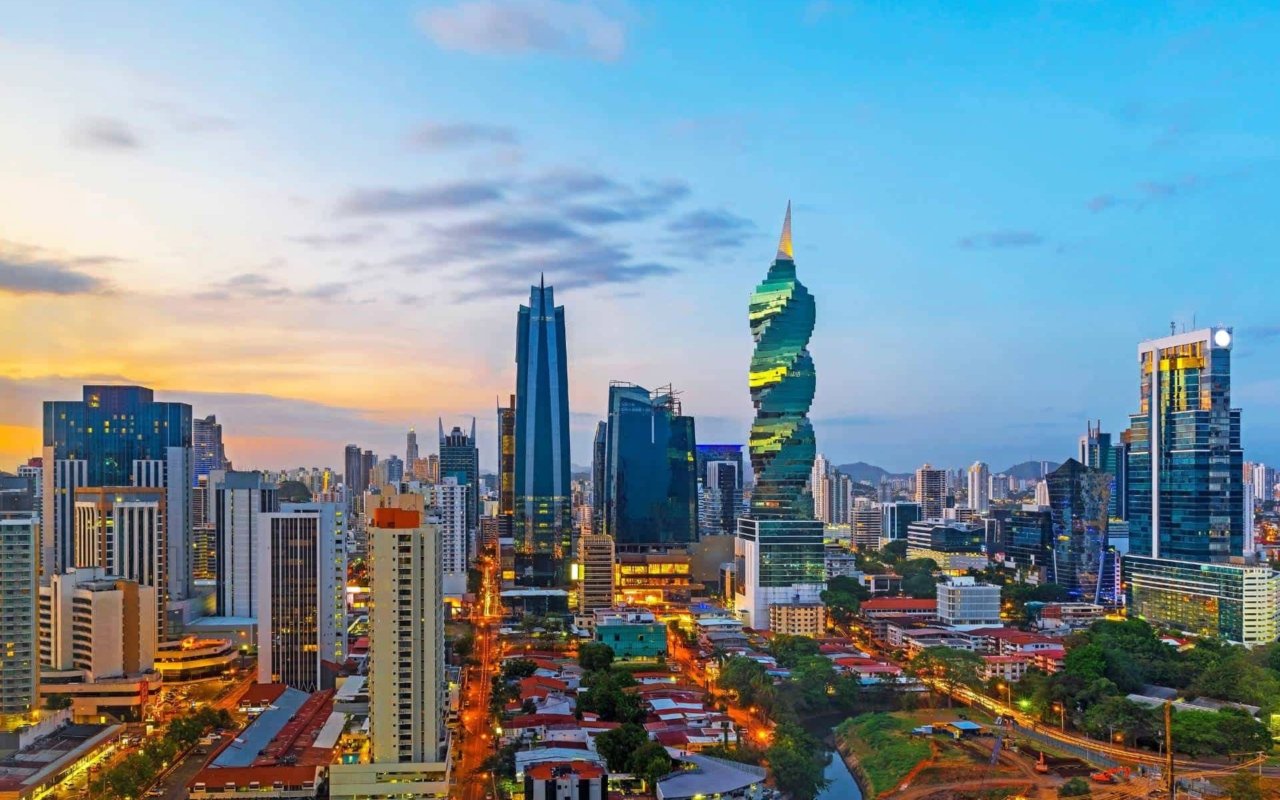
Panama City is a vibrant metropolis where modern skyscrapers rub shoulders with the colonial history of Casco Viejo. The city vibrates to the rhythm of Latin music in its lively bars and renowned festivals. Between lush jungle and the famous Panama Canal, it offers a unique contrast between nature and engineering. Its rich past, marked by conquistadors and pirates, is reflected in its colorful streets and historic remains.
Panama City highlights
The Casco Viejo district
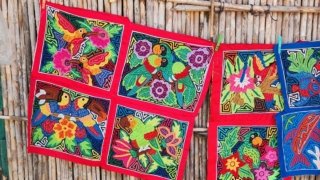
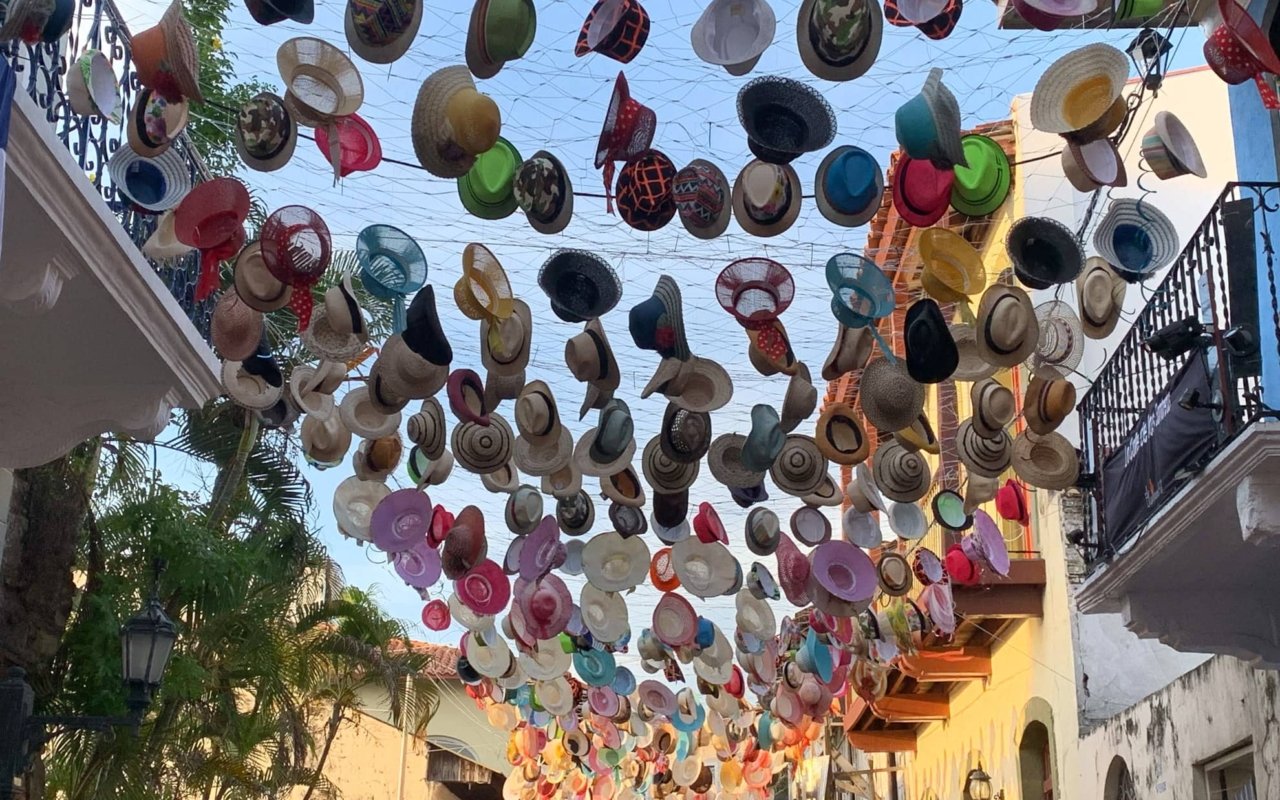
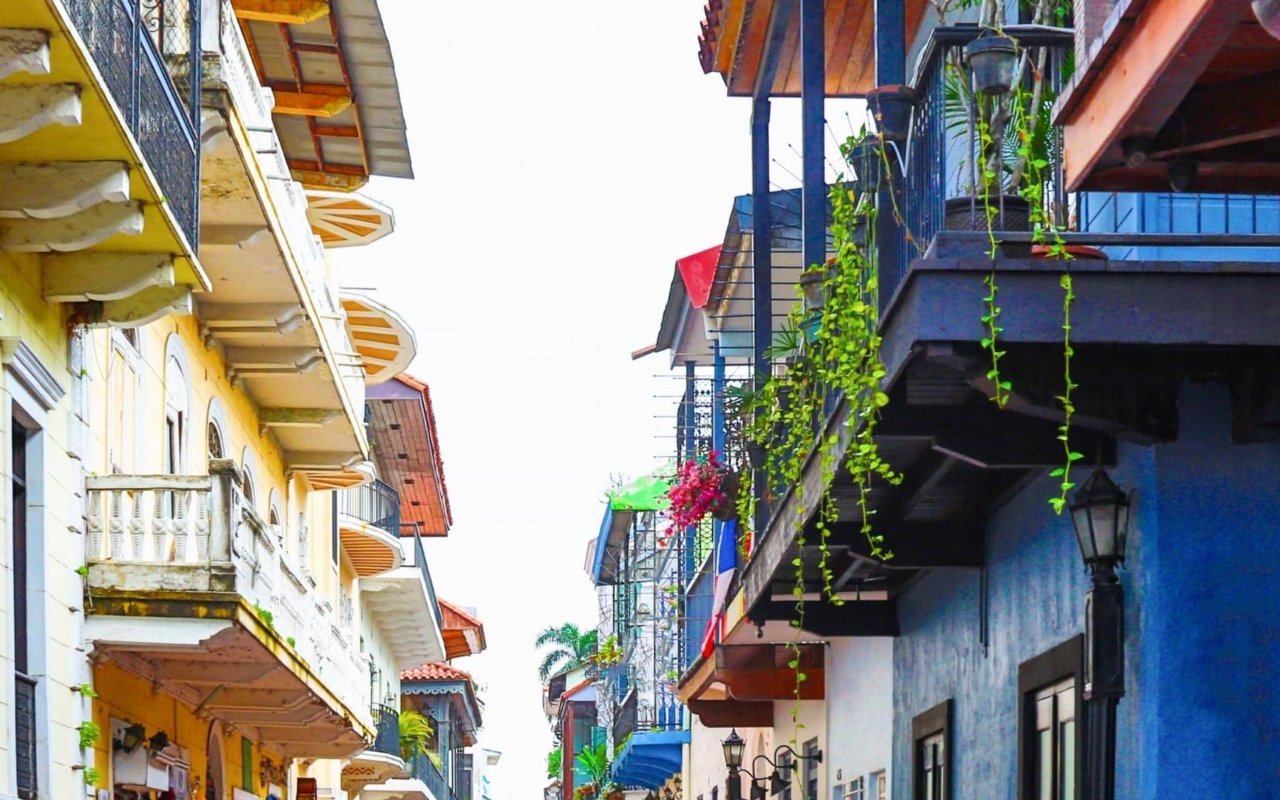
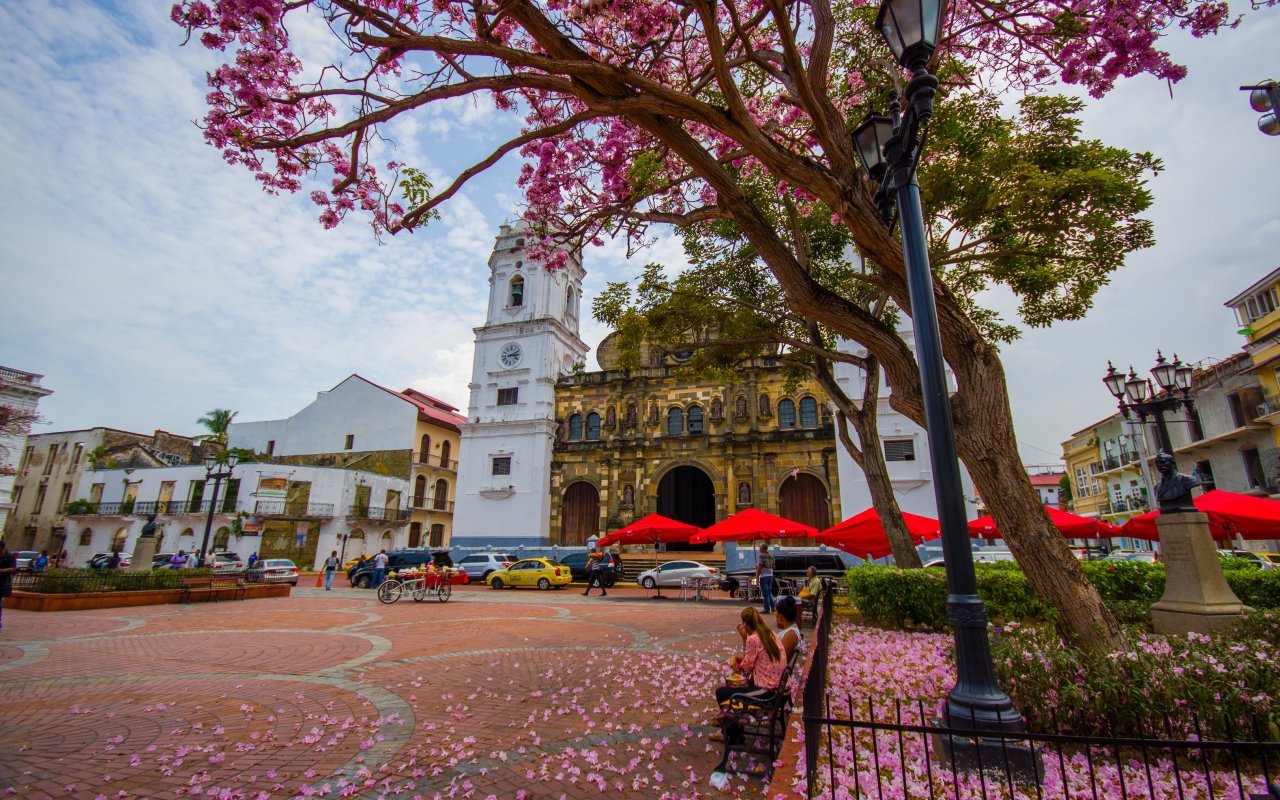
This historic colonial district is no match for its Colombian neighbor Cartagena de Indias. The “Casco” overlooks the sea in the south-western part of the city, in the San Felipe district. A veritable jewel of Baroque and neoclassical architecture, this bohemian district stands out with its beautiful, decrepit buildings adorned with elegant balconies. A visit to the San Felipe district also leads to the golden altar of the San José church. The church escaped looting by pirates who razed the town to the ground, destroying the Santo Domingo convent in the process, whose ruins are jealously guarded today. Other tourist highlights include the National Theatre and the Museum of the Interoceanic Canal, the Presidential Palace, built in 1673, with its Andalusian-style patios, and Cathedral Square, which served as a bullring throughout the Spanish colonial period. The Plaza de Francia adjoins the colonial quarter. In the Plaza de Francia, a text reminds us that 22,000 workers died on the job, at a time when France was desperate to open the Panama Canal without solving the problem of yellow fever. This is where the French Embassy is located today. Indian Guna women regularly set up stalls and sell their molas (dyed and embroidered fabrics) decorated with geometric motifs, flowers and toucans…Nearby is also the fish market. Seafood couldn’t be better. Located above the Mercado de Mariscos, Panama’s fish market serves specialties such as grilled octopus, ceviche (raw fish marinated in lemon juice), squid and seafood soup.
The Panama Canal and Lake Gatun
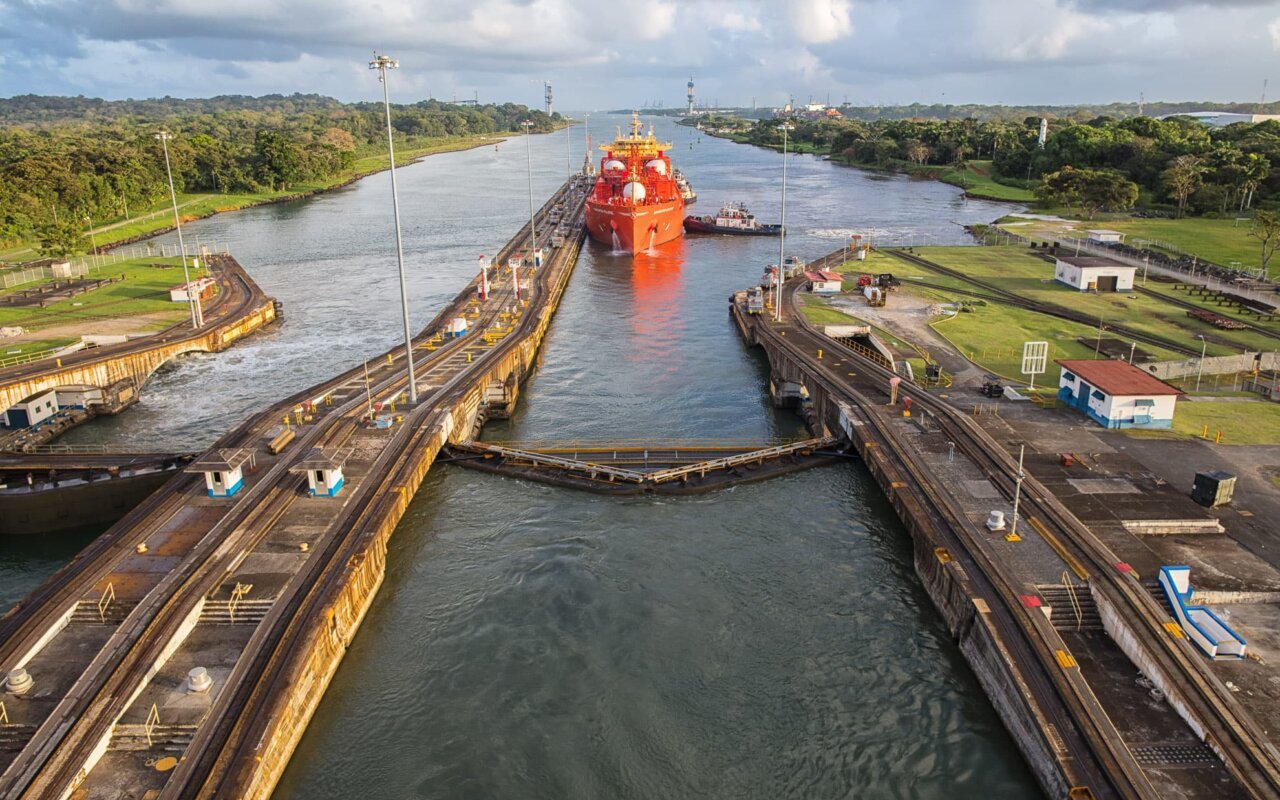
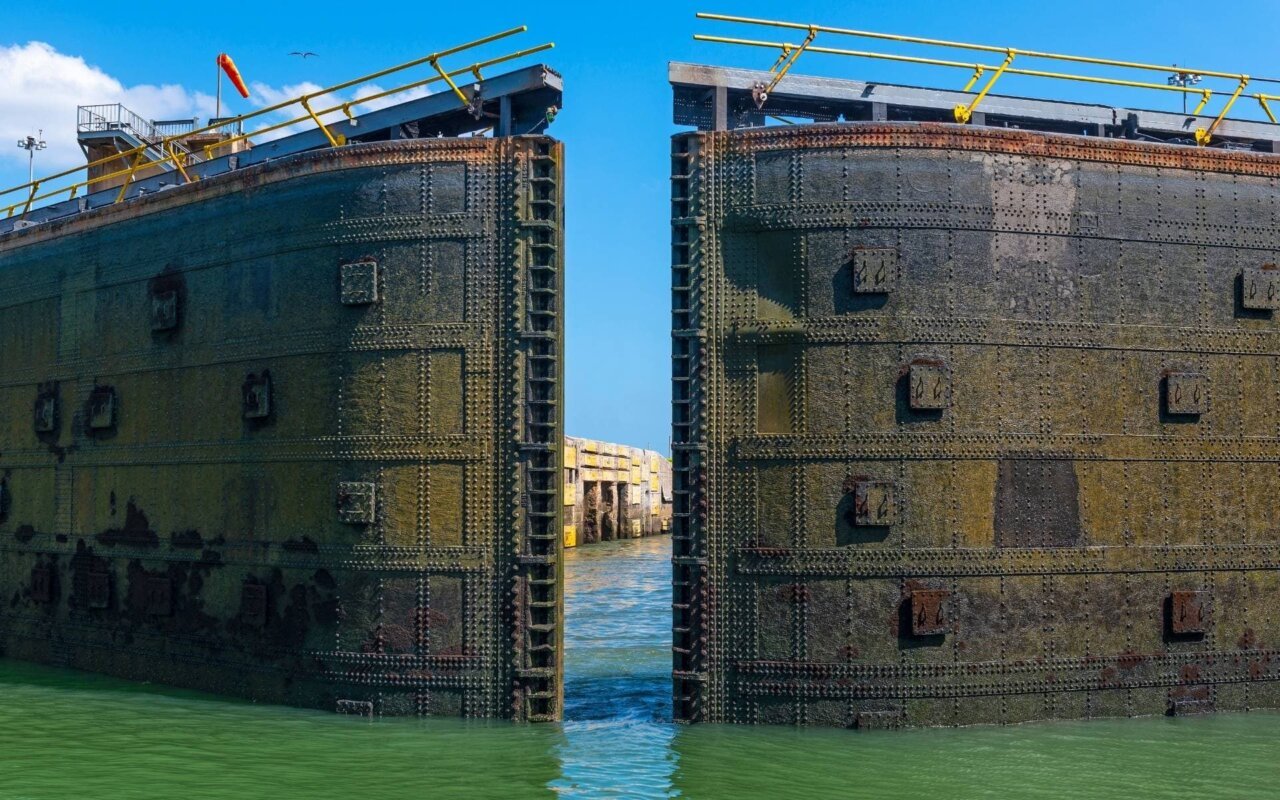
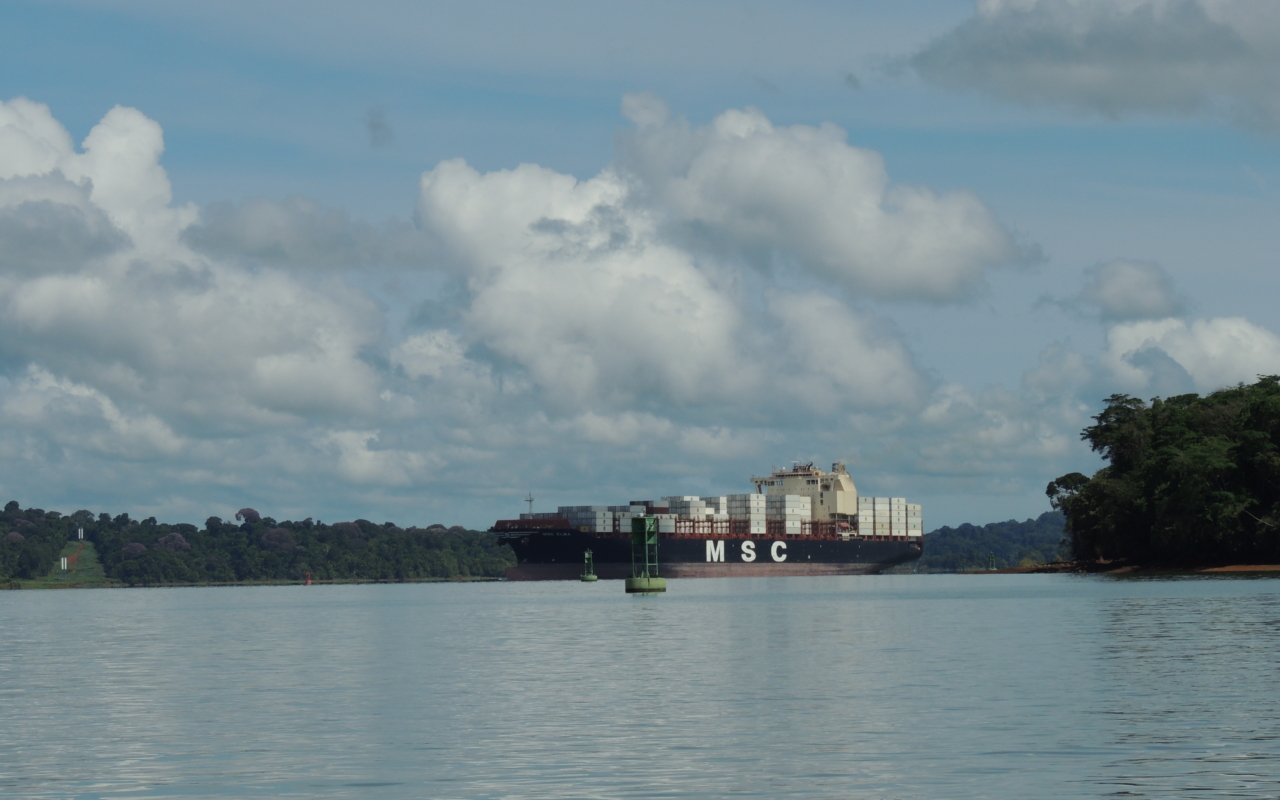
The canal, of course! Eighty kilometers long, it links the Caribbean Sea to the Pacific Ocean at the narrowest point of the isthmus. On average, 13,000 ships from all over the world pass through it every year. The Miraflores Lockshave been built so as to offer an unobstructed view of the gigantic container ships and cruise ships passing through one of the world’s most impressive technological structures. The sight of these huge cargo ships seemingly sailing between two lines of land is never tiresome. Another set of locks is also open to the public: the Gatún locks. To lift ships 26 meters above sea level, these locks have 3 basins. The lock gates weigh 750 tonnes,and you can also sail on Lake Gatún and enjoy a beautiful spectacle. Its surface area (425 km2) makes it the second-largest man-made lake in the world. Here you can kayak, observe the abundant wildlife day and night, fish and enjoy the surrounding tropical nature.
Panama La Vieja, ancient capital
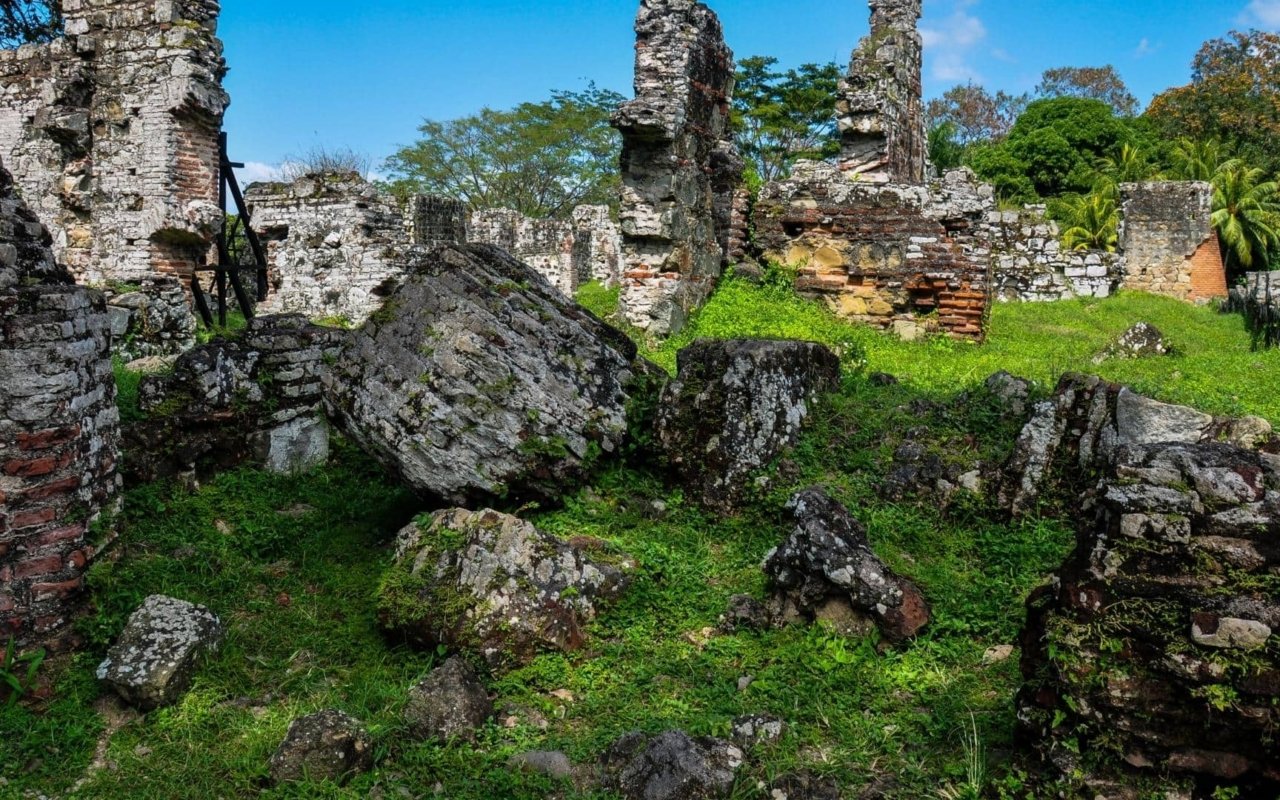
On the outskirts of the modern city are the ruins of Panama La Vieja, the remains of the first Spanish city on the Pacific, founded by the conquistador Pedro Arias de Avila in 1519 and destroyed in 1671 by Henry Morgan when it was at its height. It was the first city built by the Spanish on the Pacific Ocean. Over time, it became a city of capital importance, as much of America’s gold and silver flowed through here. All that remains of the former cathedral is the three-story bell tower, built behind the temple. Founded in 1535, it was destroyed by fire and rebuilt until 1649. The site museum displays a scale model of the city, as well as sumptuous pre-Columbian artefacts.
The Bridge of the Americas
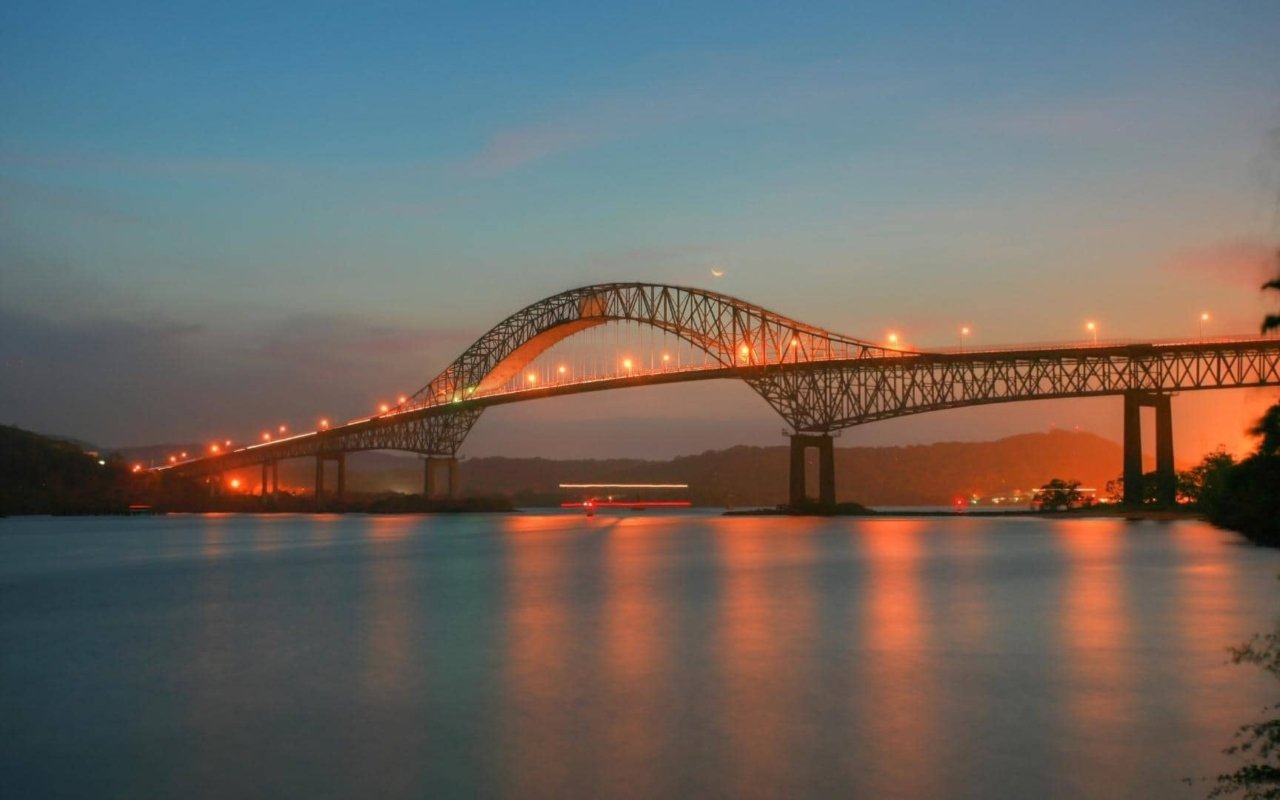
Among the capital’s other attractions, the Puente de las Americas offers a magnificent view of the Bay of Panama. Built between 1958 and 1962 at the mouth of the Panama Canal, this 118-metre-high bridge is a very elegant structure, built by the Americans using the cantilever method (i.e. suspended without cables).
Metropolitan Park
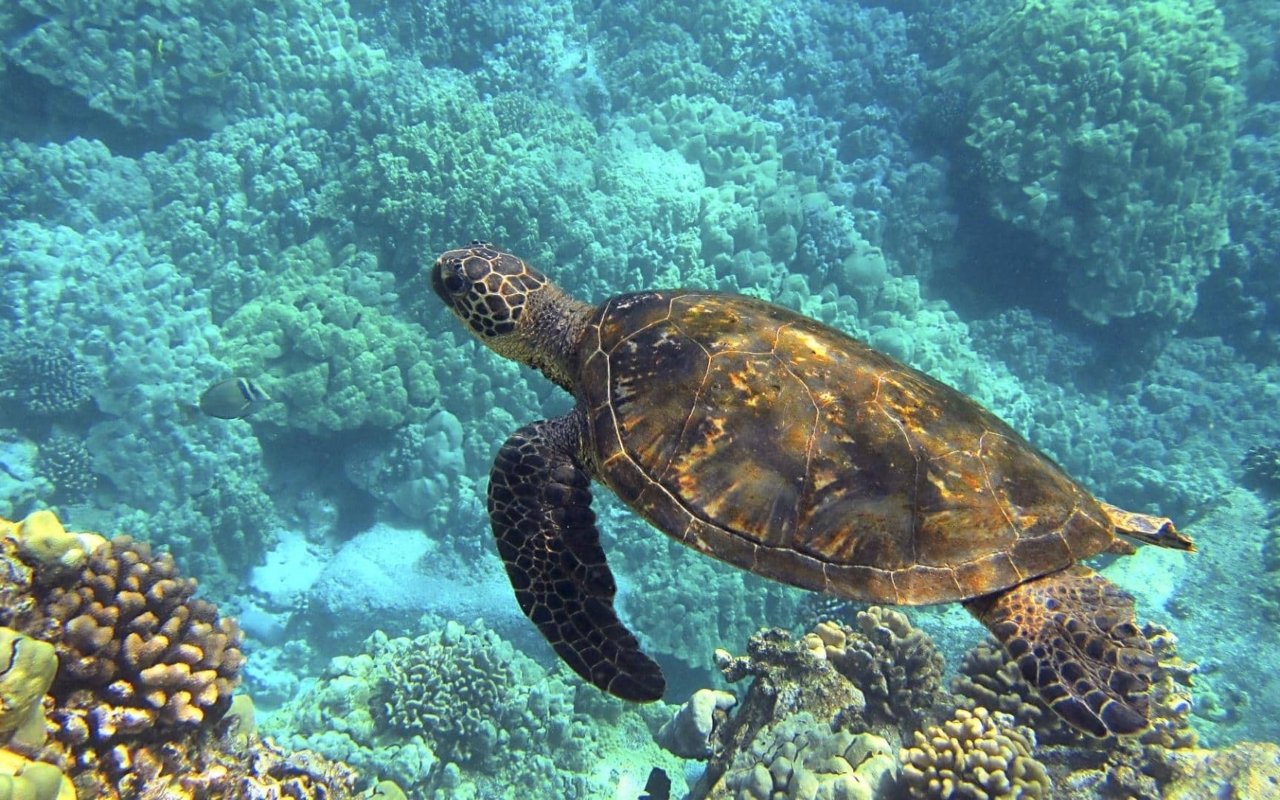
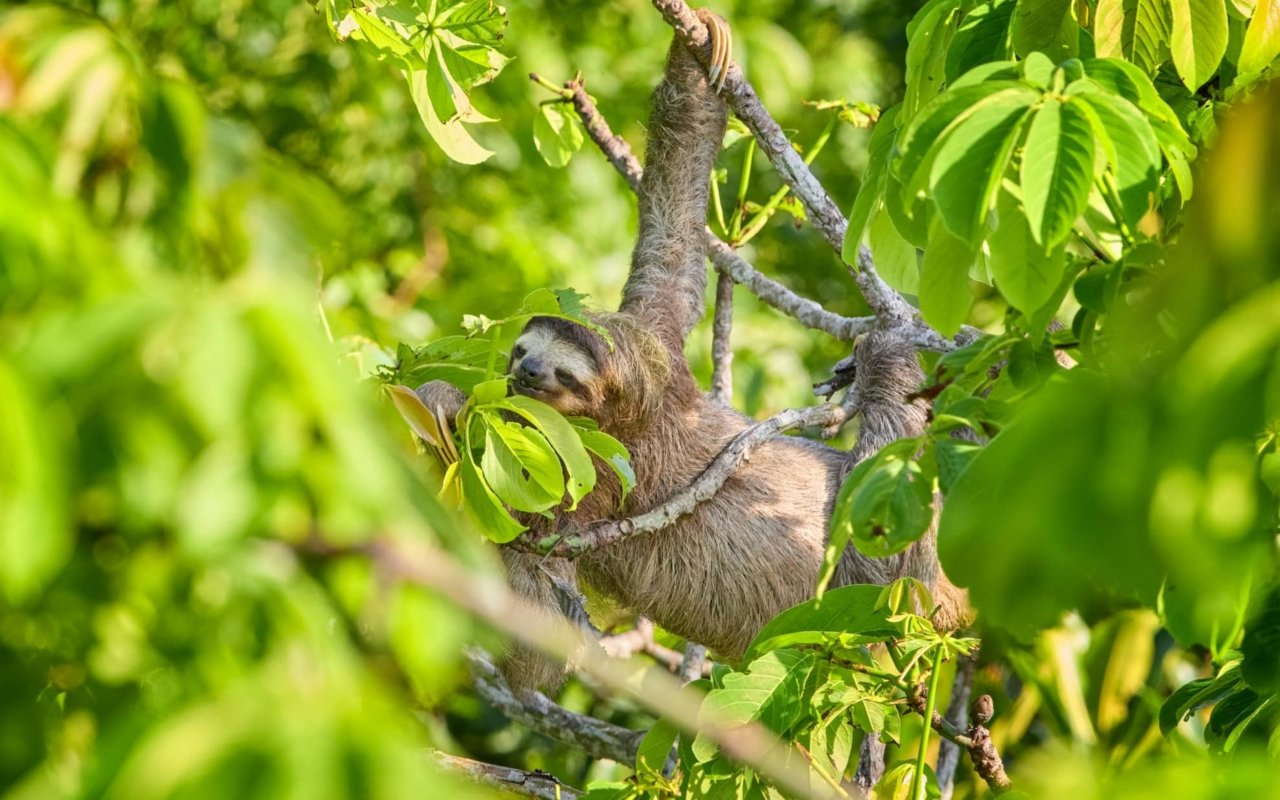
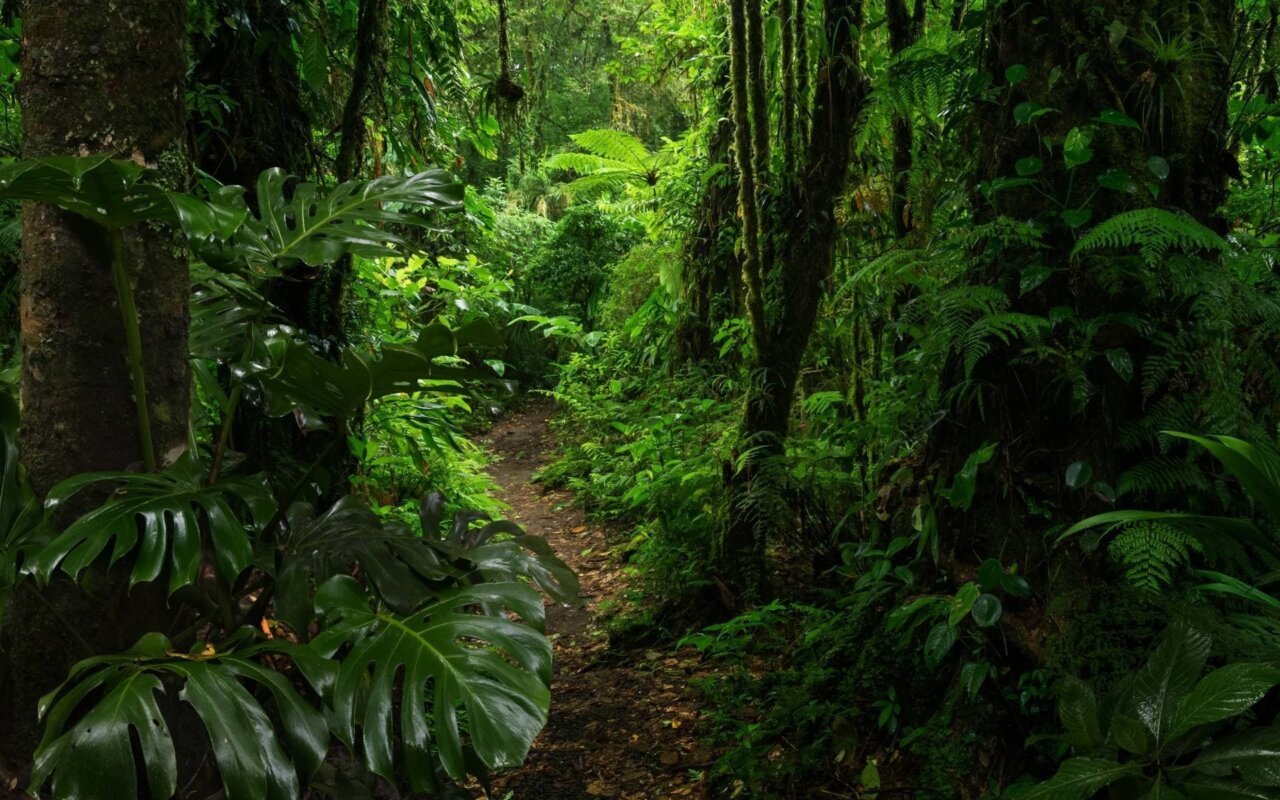
The 265-hectare Parc Naturel Métropolitain is one of the very few examples of a nature reserve right on the doorstep of a city center. Three-quarters of its surface area is dry forest, an extremely rich ecosystem. There are 284 plant species, 322 animal species, 227 bird species, 36 reptiles and 14 amphibian species. So, just 15 minutes from Panama City, you can find yourself in the heart of a thick tropical forest and observe the wildlife: monkeys, iguanas, turtles, birds, sloths… you can get very close to the hummingbirds and climb to the top of a tower to reach the canopy.
In the heart of the Skyline
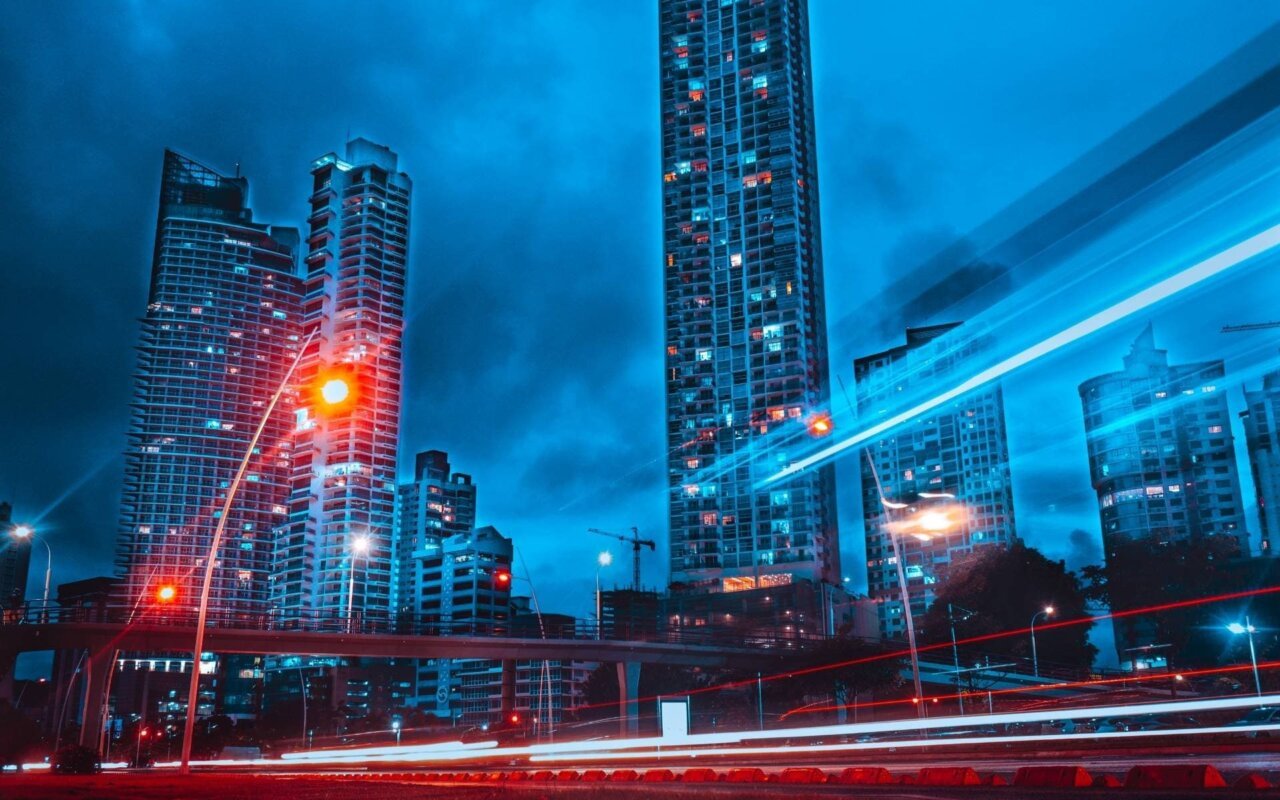
The heart of Panama’s business district is the modern skyline of towers and skyscrapers. Life here is very hectic. Numerous companies and banks have their offices here. The San Francisco district is particularly renowned for its fine restaurants. On the outskirts of the city, a stroll along Avenue Balboa allows you to take in the sea air at the foot of the towers.
The old American quarters
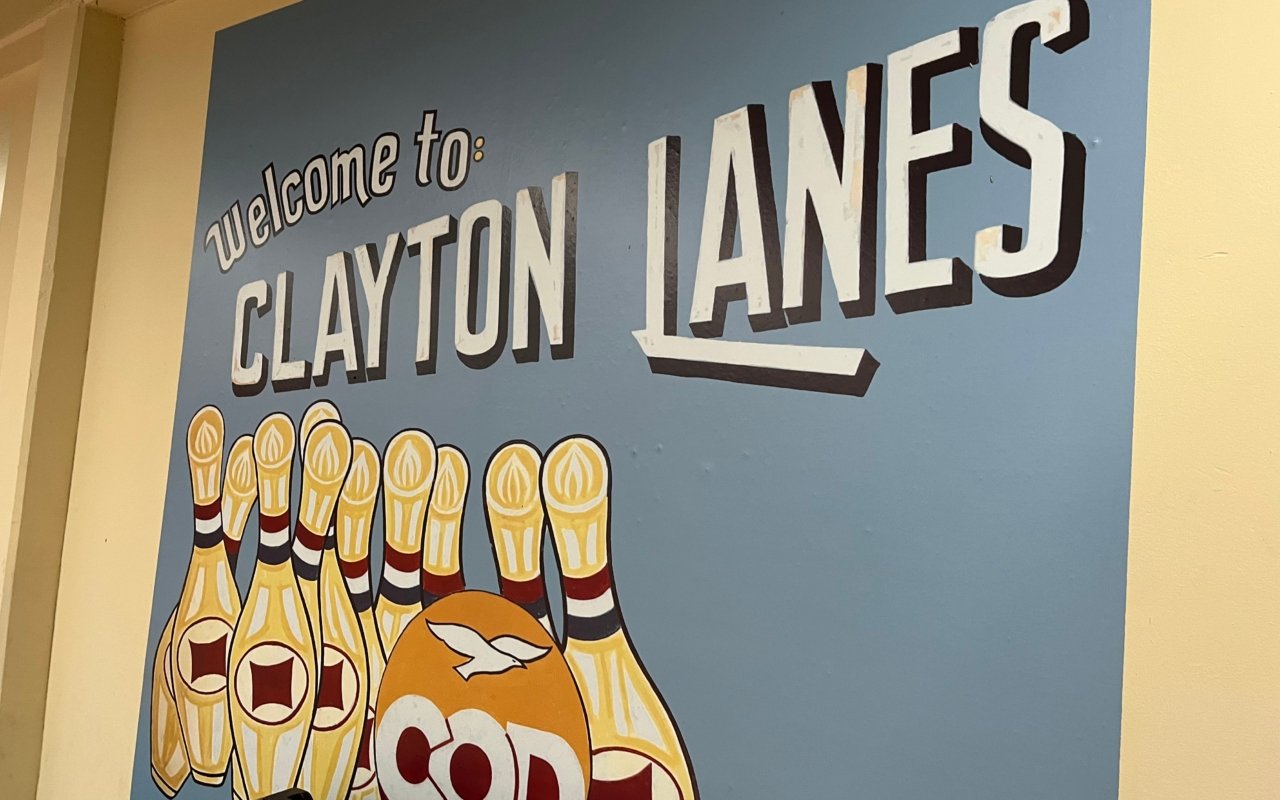
When the Panama Canal was American (until December 31, 1999), a 10-mile strip of land on either side of the Canal was also under the American flag. These areas, now known as “Areas revertidas” because they have been “returned” to Panamanians, bear all the hallmarks of that era: wooden houses on stilts, American residential quarters, bowling alleys, cafés, a sports park with baseball and basketball courts, an Olympic-size swimming pool… The Panama Railway is still in operation, and the old American locomotives are still at work!
The Amador peninsula
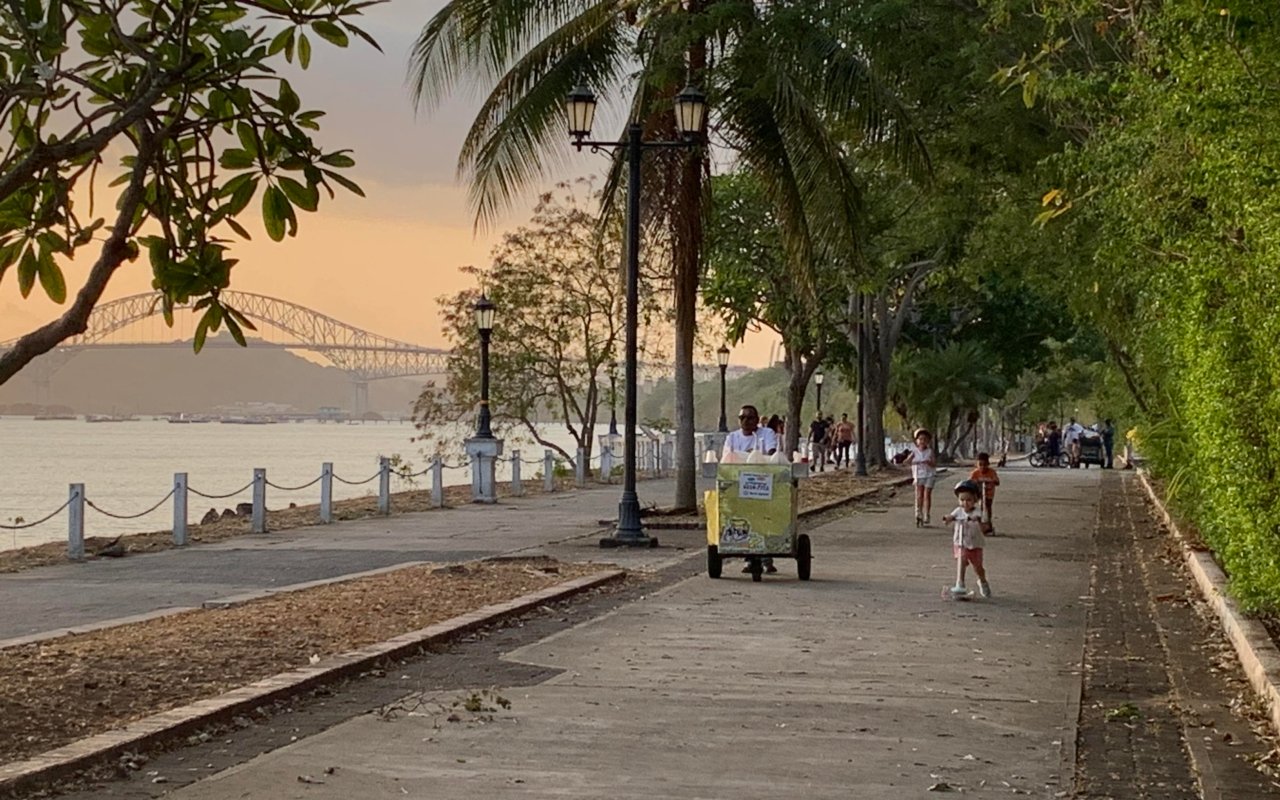
The Calzada Amador, or Causeway, is a six-kilometre-long jetty created by joining the islands of Naos, Perico and Flamenco, using earth extracted from the isthmus during construction of the Canal. For families, we particularly suggest renting bicycles or pedal carts to explore the peninsula; you can also visit Punta Culebra, a small marine wildlife exhibition center run by the Smithsonian Tropical Research Institute. Finish the day with a well-earned ice cream or cocktail, while enjoying a breathtaking view of Panama Bay.
Soberania National Park, an ornithological paradise
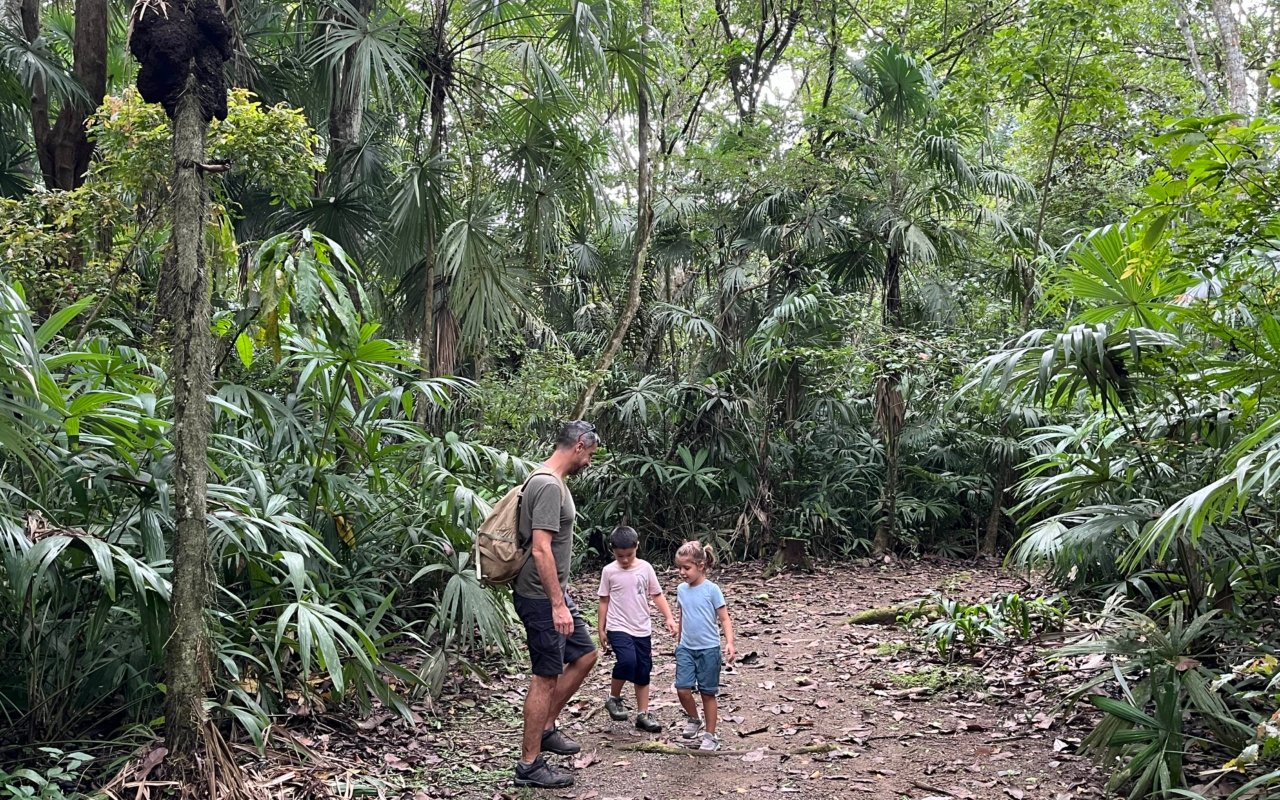
Parc Soberania was created in 1980, just 25 kilometers from the capital. Tropical rainforests cover the area, which is home to over 1,300 plant species. More than 700 species of vertebrates live here, as well as 525 species of birds, including the endangered harpy eagle. Its best-known educational trail is the Chemin de l’Oléoduc, of great ornithological interest. The El Charco interpretive trail leads to a crystal-clear lagoon. The Summit Botanical Garden is located near the park.
Camino de Cruces Park, the gold route
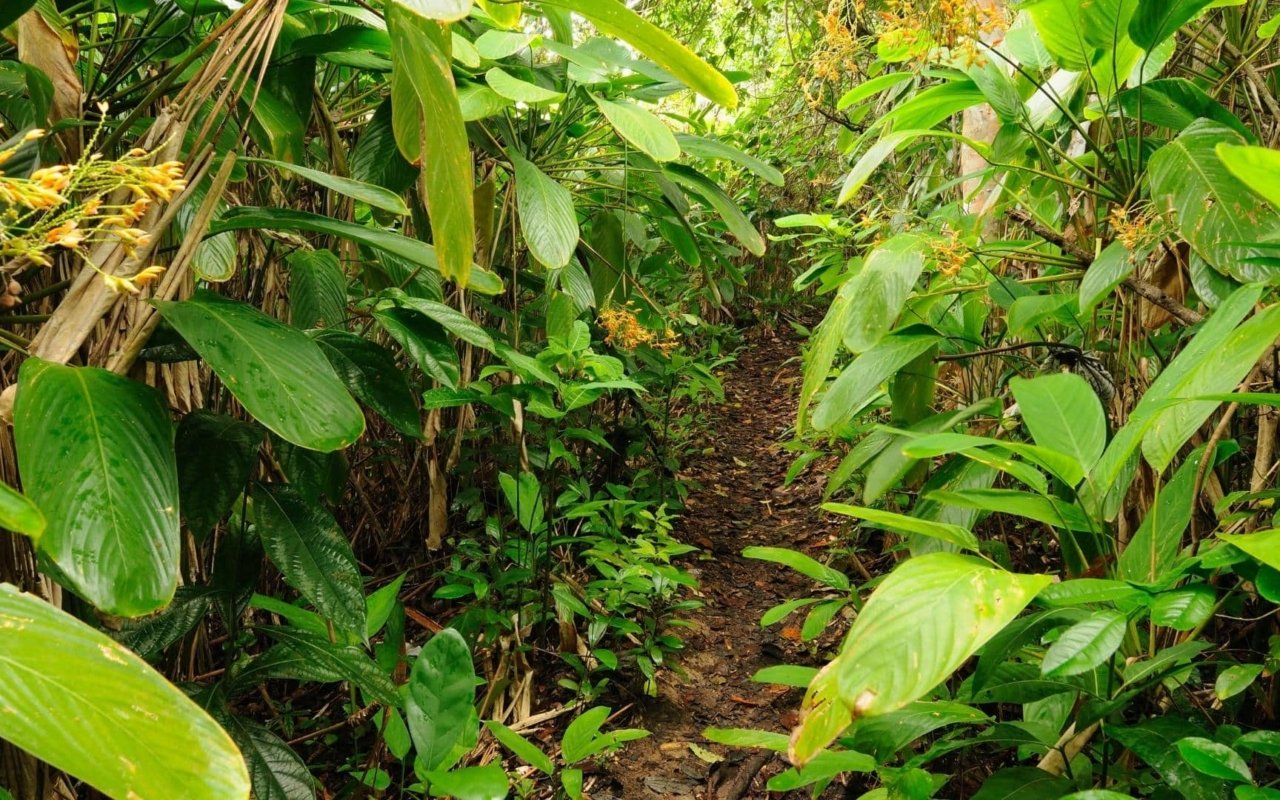
Created in 1992, this park covers an area of 4,950 hectares running parallel to the Panama Canal. Its gentle relief is covered by dense tropical rainforests, home to a rich fauna and flora that have yet to be studied in detail. It is crossed by several rivers that flow directly into the Canal. The great natural wealth of this protected area is complemented by the important historical and cultural value of the Chemin de Cruces. One section has been restored with its characteristic paving, as have several other parts of this historic Spanish colonial trail.
The trans-isthmian train, from the Pacific to the Caribbean
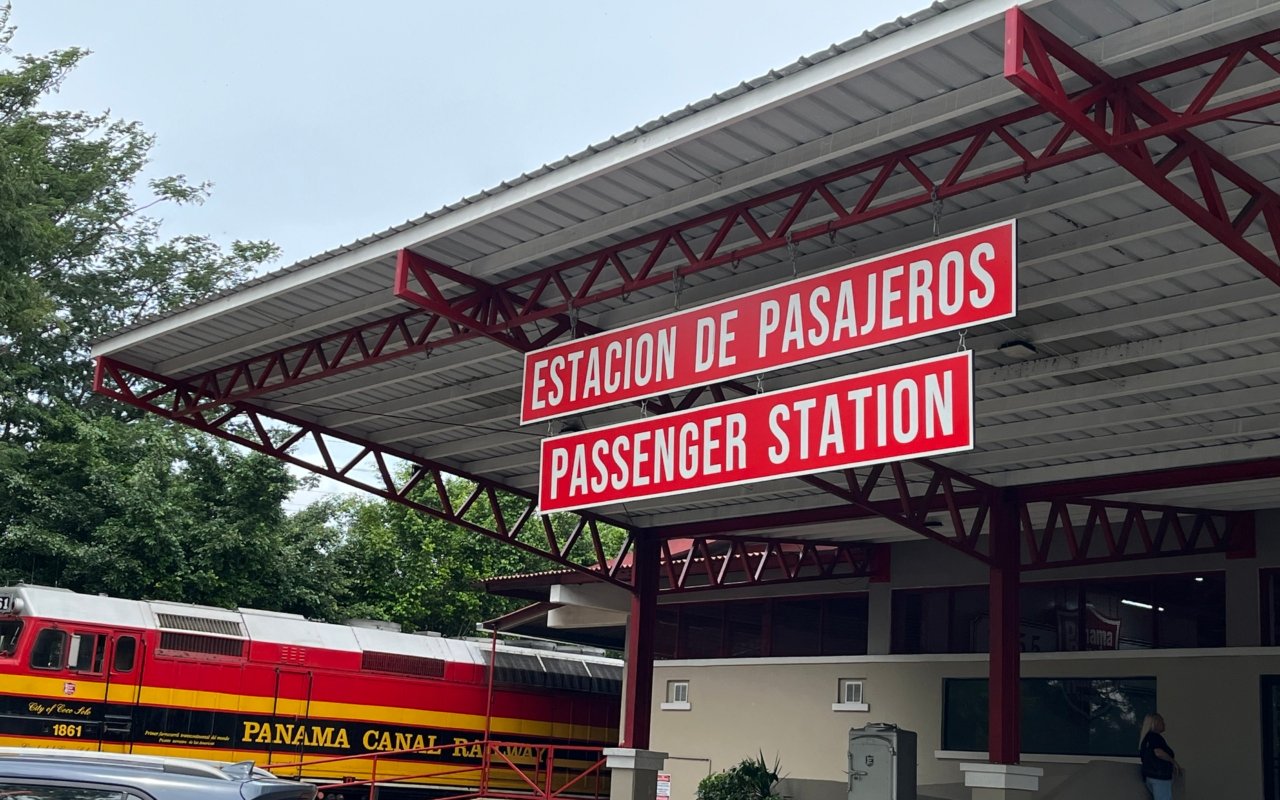
This line doubles the route of the canal, taking you from lock to lock across the Isthmus of Panama, from Panama City to Colón on the Atlantic coast. It’s also an opportunity to discover a forest with a particularly rich flora and fauna. For years, Europeans followed this line to the Pacific in the hope of finding gold in California.
Day tours around Panama City
Panama City is more than just skyscrapers and a canal. Around the capital, a diversity of landscapes and historic sites are just a few hours’ drive or sail away. Tropical jungle, traditional villages, islands with crystal-clear waters: the surrounding area offers a wealth of excursion possibilities
To the east, Soberanía National Park offers the chance to immerse yourself in nature, following in the footsteps of howler monkeys and toucans. Further north, the Emberá village, accessible by pirogue, immerses visitors in the local indigenous culture. On the Pacific side, the island of Taboga, nicknamed the “Island of Flowers”, seduces with its beaches and its history linked to the conquistadors.
Taboga Island
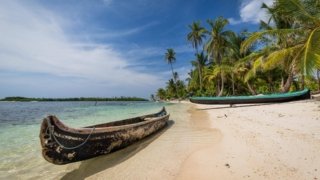
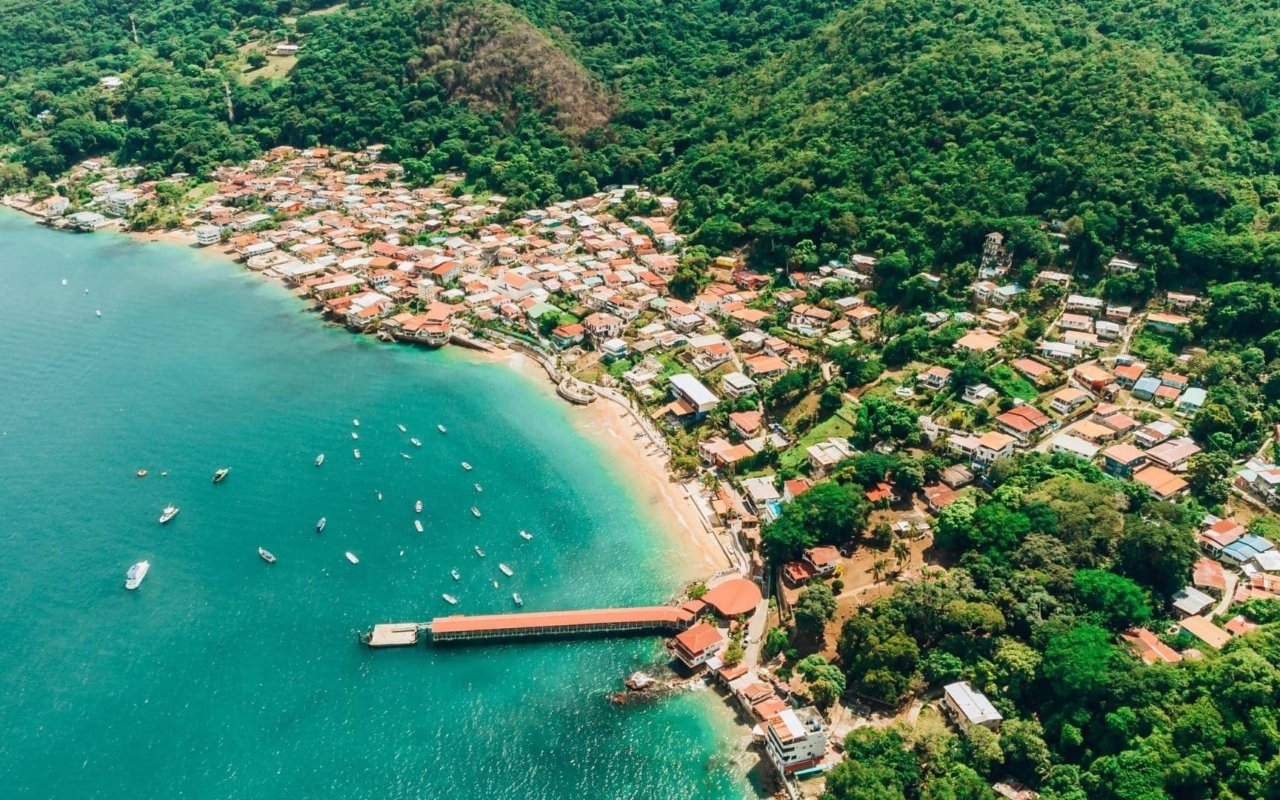
This charming island, 20 km south of Panama City, boasts a pleasant beach and splendid stretches of protected rainforest. It is home to one of Latin America’s largest pelican colonies. It’s also known as the Island of Flowers, because at certain times of the year, the air is perfumed with the fragrance of plant species. Taboga was first settled in the 16th century, even before Panama, as evidenced by its small church built in 1550. The local festival on July 16 includes processions and nautical celebrations.
The Embera Amerindian villages on the banks of the Chagres River
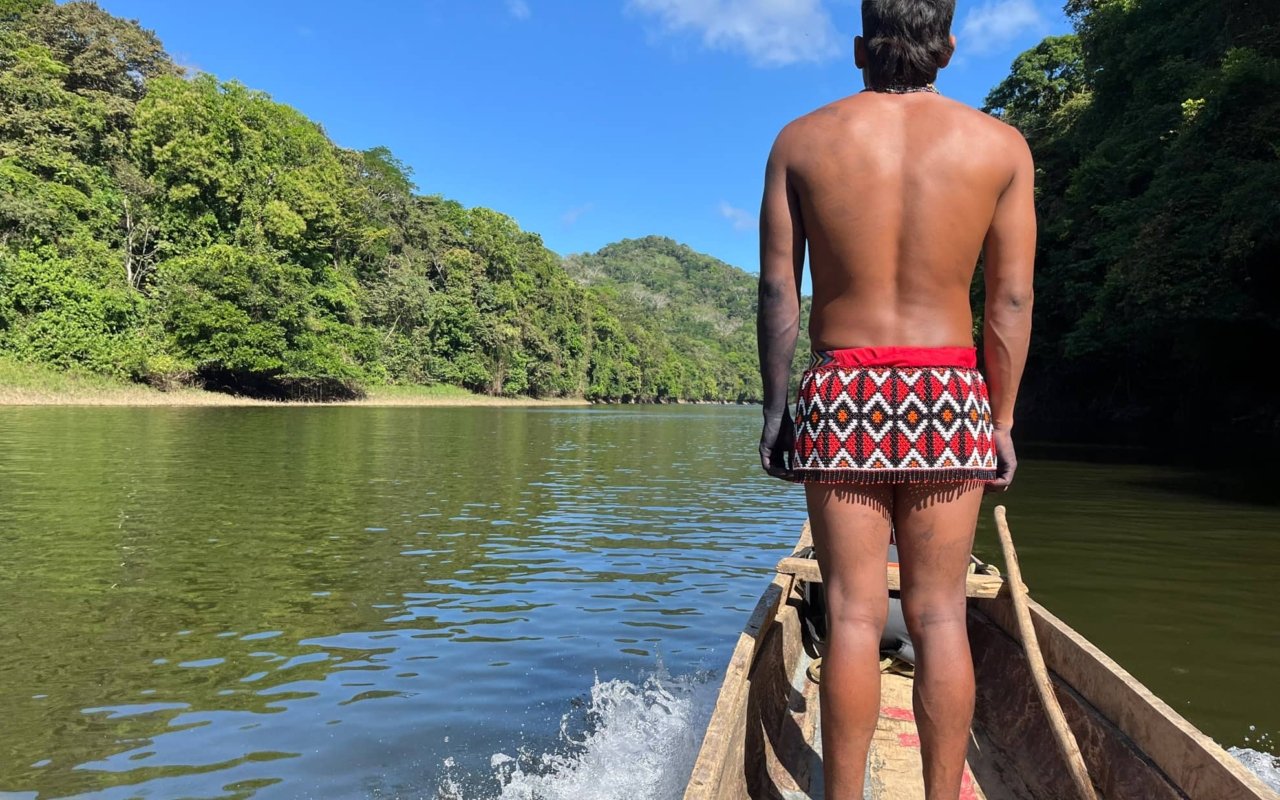
Just a few dozen kilometers from Panama City and its skyscrapers, you’ll find several Embera communities on the banks of a tributary of the Rio Chagres. These Amerindians from the Darien region turned to tourism a few years ago, settling in this region that is both close to the capital and surrounded by nature! You’ll discover a population whose way of life is completely integrated into the environment, and you’ll be able to share a few hours with them. Children are welcome..
The Las Perlas archipelago, in the heart of the Pacific
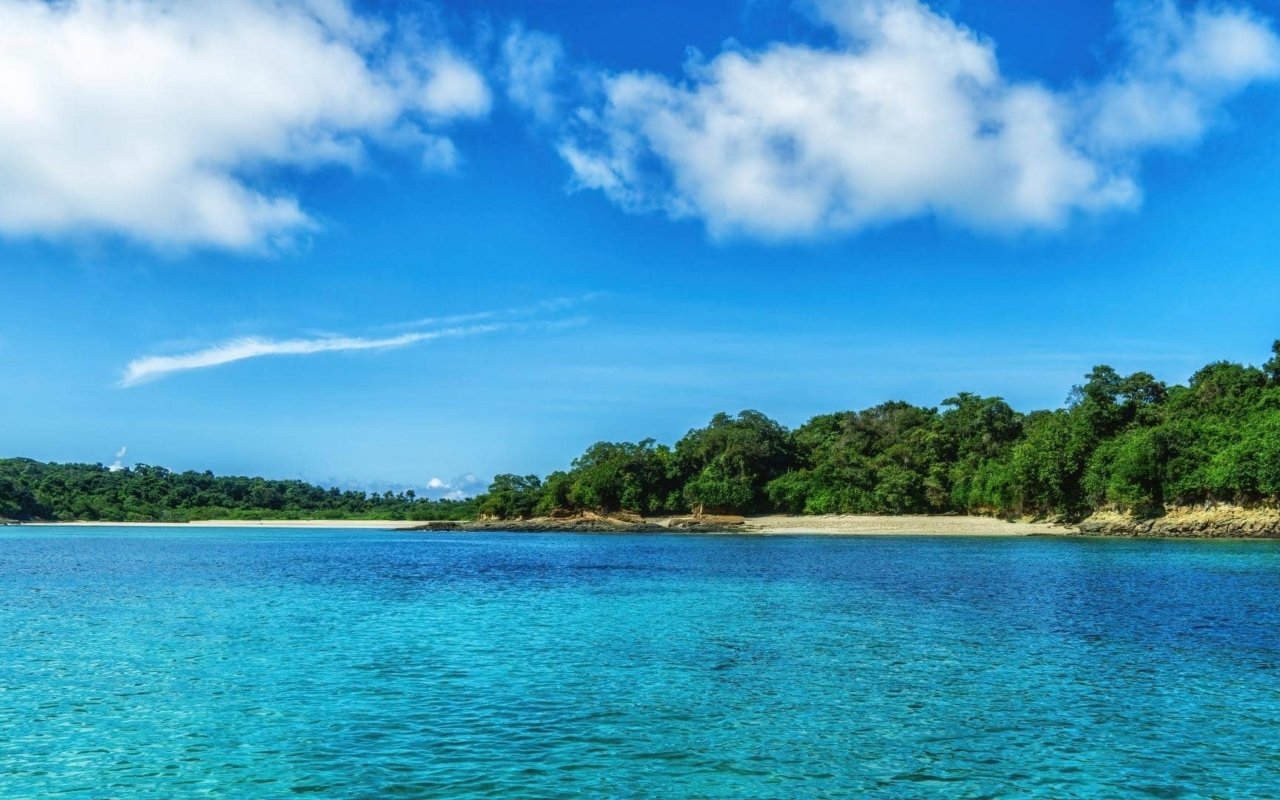
Off the coast of the capital, Las Perlas is famous for its pearl oysters. Although the best-known is undoubtedly Isla Contadora, the archipelago is actually made up of over 200 islands and islets. Whales can often be seen on the crossing! Day trips by boat (sailing, sport fishing…) or a seaside holiday.