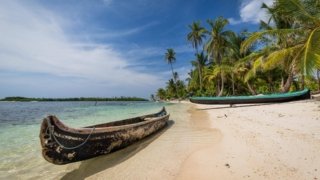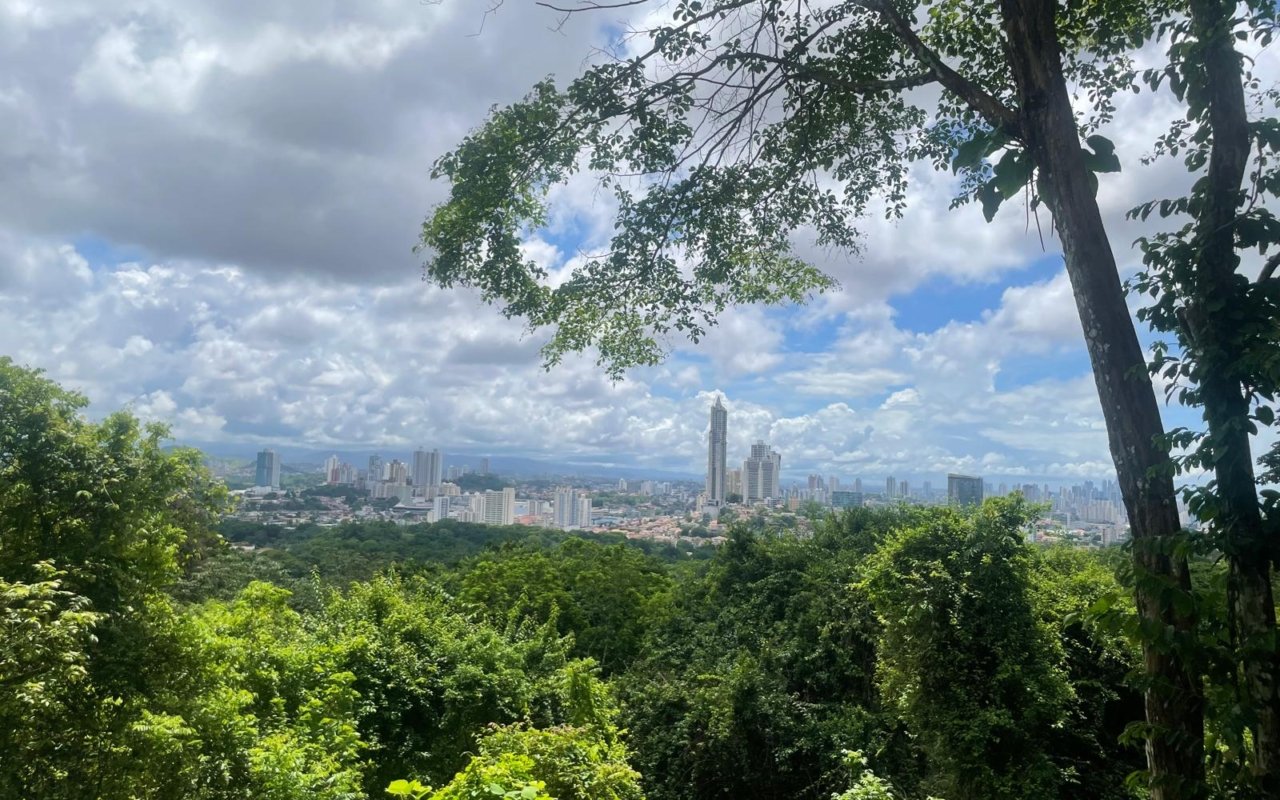
To travel through Panama is to cross centuries of history, exchanges, struggles, conquests and encounters. From the tumult of the pirates who attacked the first Spanish ports, to the (almost) impenetrable forests, to the turquoise waters of Coiba populated by fish of all kinds, Panama offers a heritage as rich as it is varied.Recognized by UNESCO, this world heritage is divided into six exceptional sites, reflecting the unique identity of the isthmus: both a historic crossroads between two oceans and a sanctuary of biodiversity.
Portobelo and San Lorenzo Forts, listed since 1980
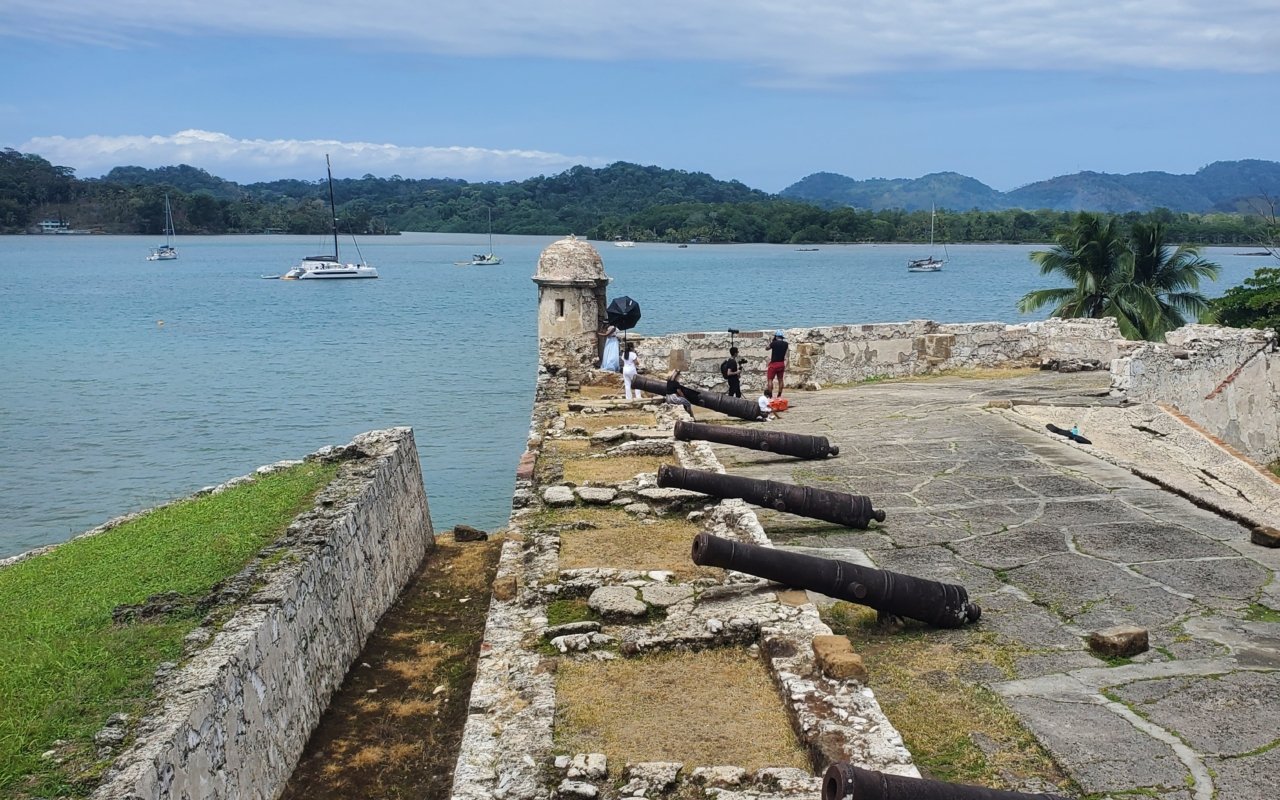
These impressive 17th- and 18th-century fortifications protected the Caribbean coast against invasions and pirates. Portobelo was one of the most important ports for exporting gold and silver to Spain, while San Lorenzo, perched at the mouth of the Chagres River, guarded access to the natural canal linking the isthmus . These were the first Panamanian sites to be listed as UNESCO World Heritage Sites.
Portobelo can be reached by car from Colón (1h30 from Panama City). The forts are freely accessible and offer spectacular views of the Caribbean Sea. San Lorenzo, more isolated, requires an excursion (often combined with the Agua Clara locks on the Caribbean side). A must for lovers of history and beautiful sea views.
Darién Biosphere Reserve, listed since 1981
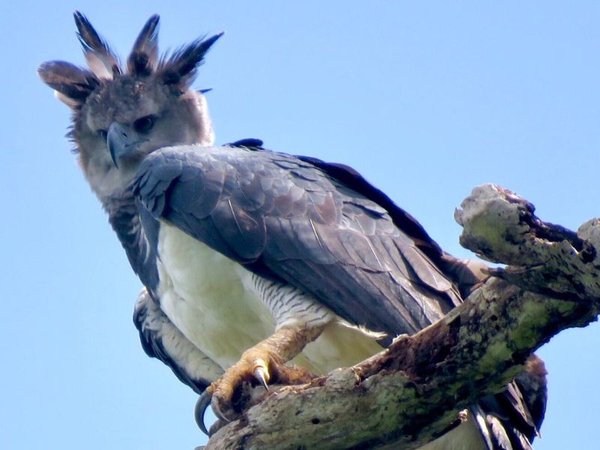
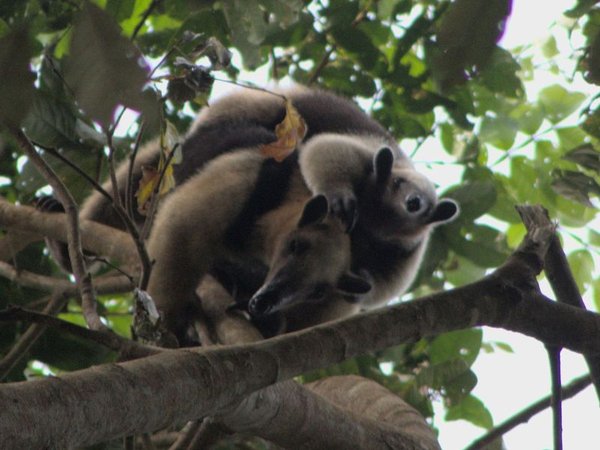
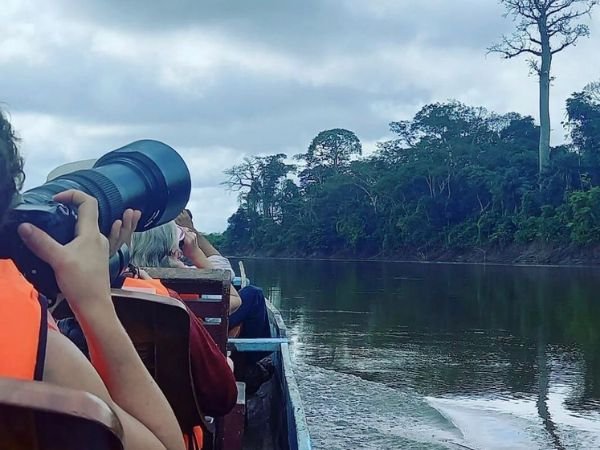
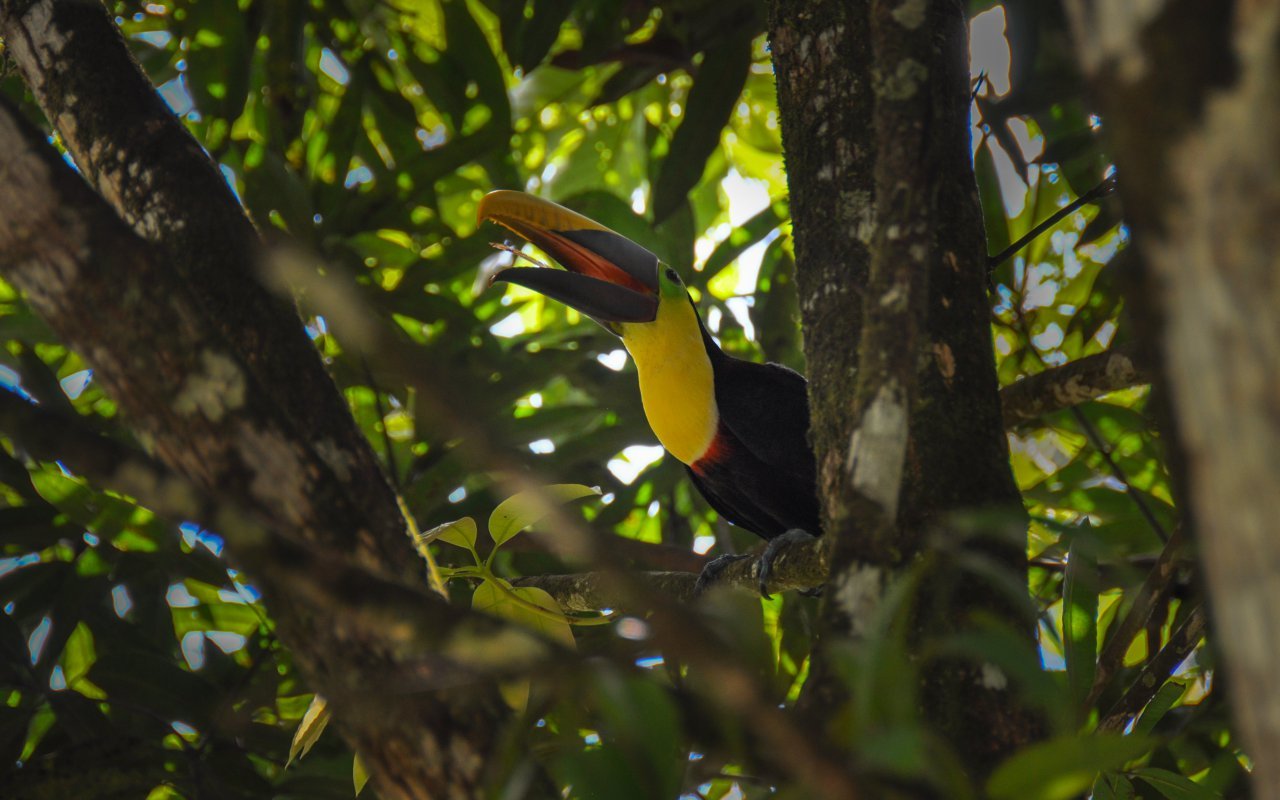
The Darién, the natural border between Panama and Colombia, is one of the last large intact tropical forests in Central America. A World Heritage Site, this reserve is impressive for its unique biodiversity, with rare species such as the harpy eagle, the symbol of Panama, and the presence of indigenous Emberá and Wounaan communities. An isolated territory, it attracts adventurers seeking total immersion in unspoilt wilderness.
This territory is difficult to access, and can only be visited with an experienced guide. Designed for adventurous travellers, visits are made as part of organized expeditions, sometimes in conjunction with indigenous communities. An off-the-beaten-track experience for those seeking total immersion in the jungle.
Amistad International Park, registered in 1990
Shared by Panama and Costa Rica, this vast 400,000-hectare park is a sanctuary of biodiversity. Its mountains are home to a wide variety of ecosystems: tropical forests, páramos, crystal-clear rivers and impressive wildlife, including the resplendent quetzal. It’s also a cultural land, home to many indigenous communities who perpetuate their traditions. An ideal place for trekking and wilderness enthusiasts.
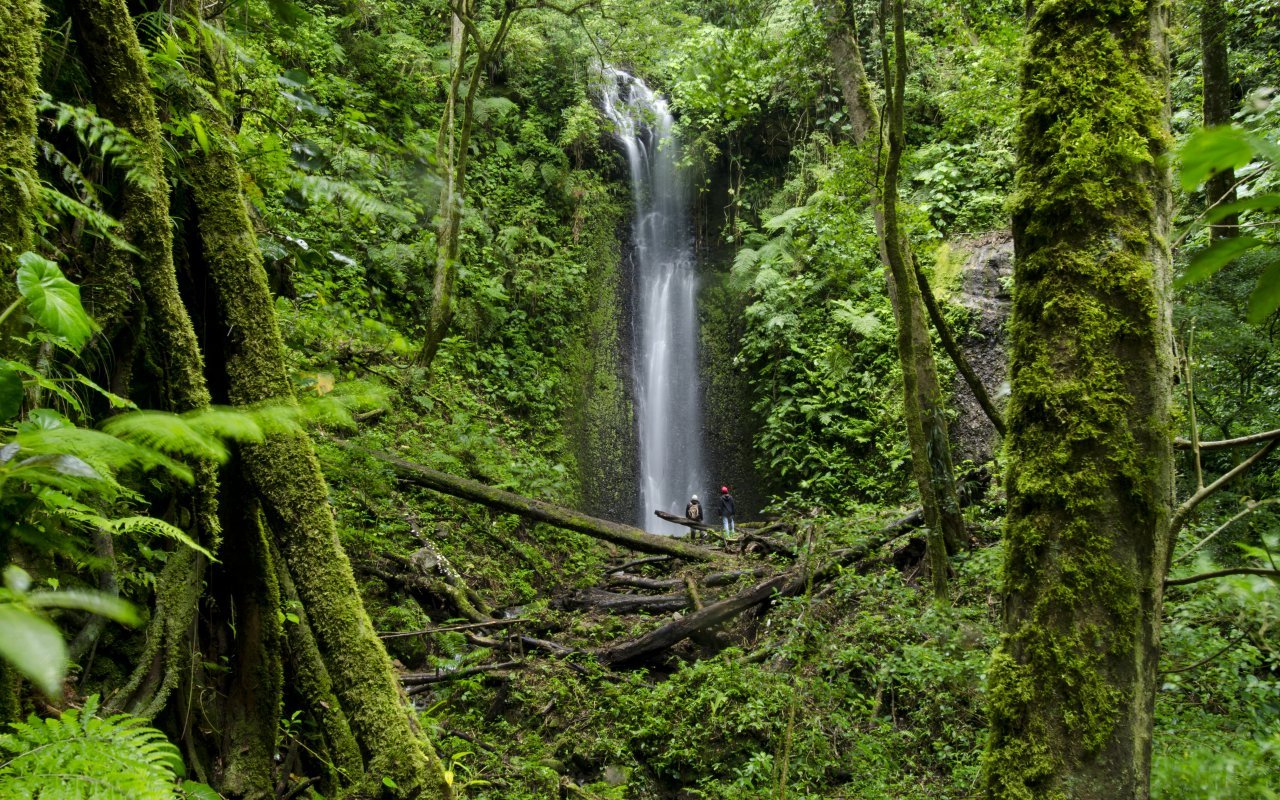
The park is accessible from the mountainous regions of Chiriquí and Bocas del Toro. Hardly developed for mass tourism, it is aimed primarily at experienced hikers and adventure-seeking travellers. The best time to enjoy the trails is during the dry season (December to April). Excursions can be organized with local guides specialized in birdwatching.
Panama Viejo, listed since 1997
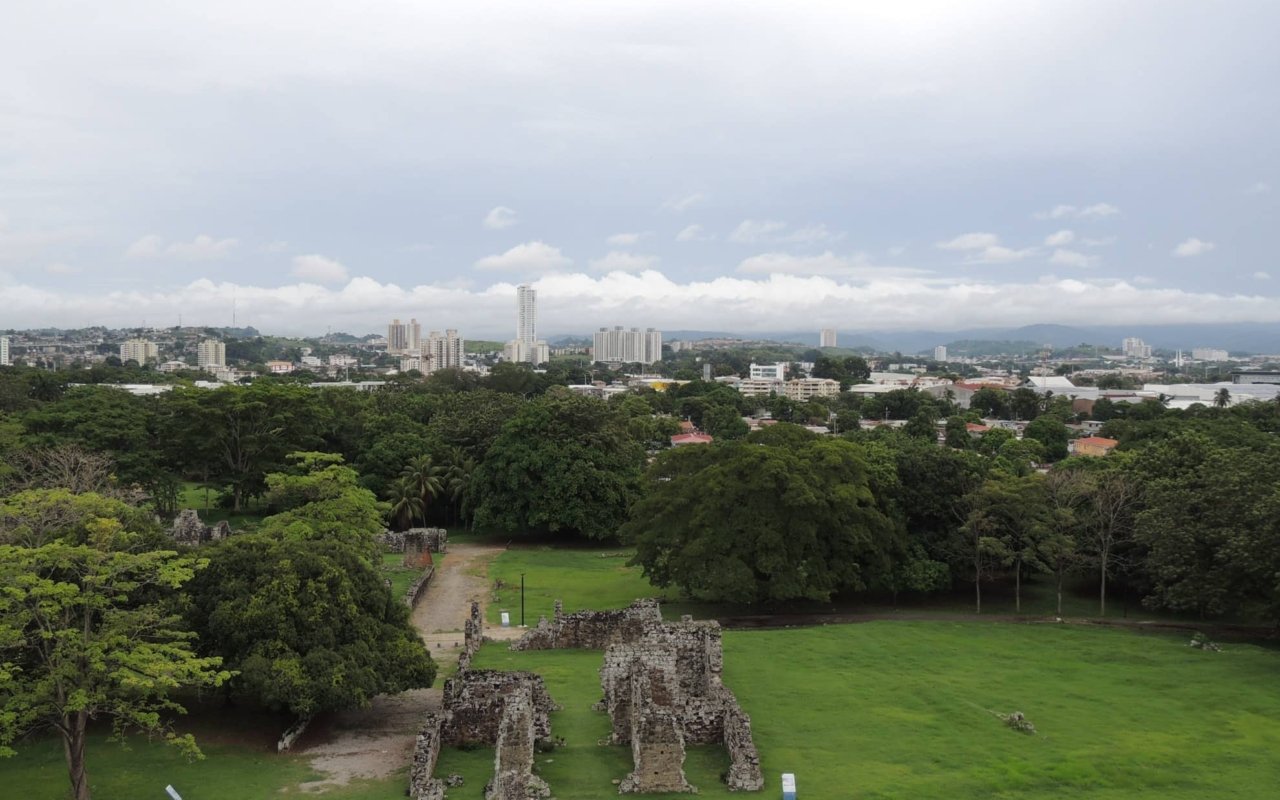
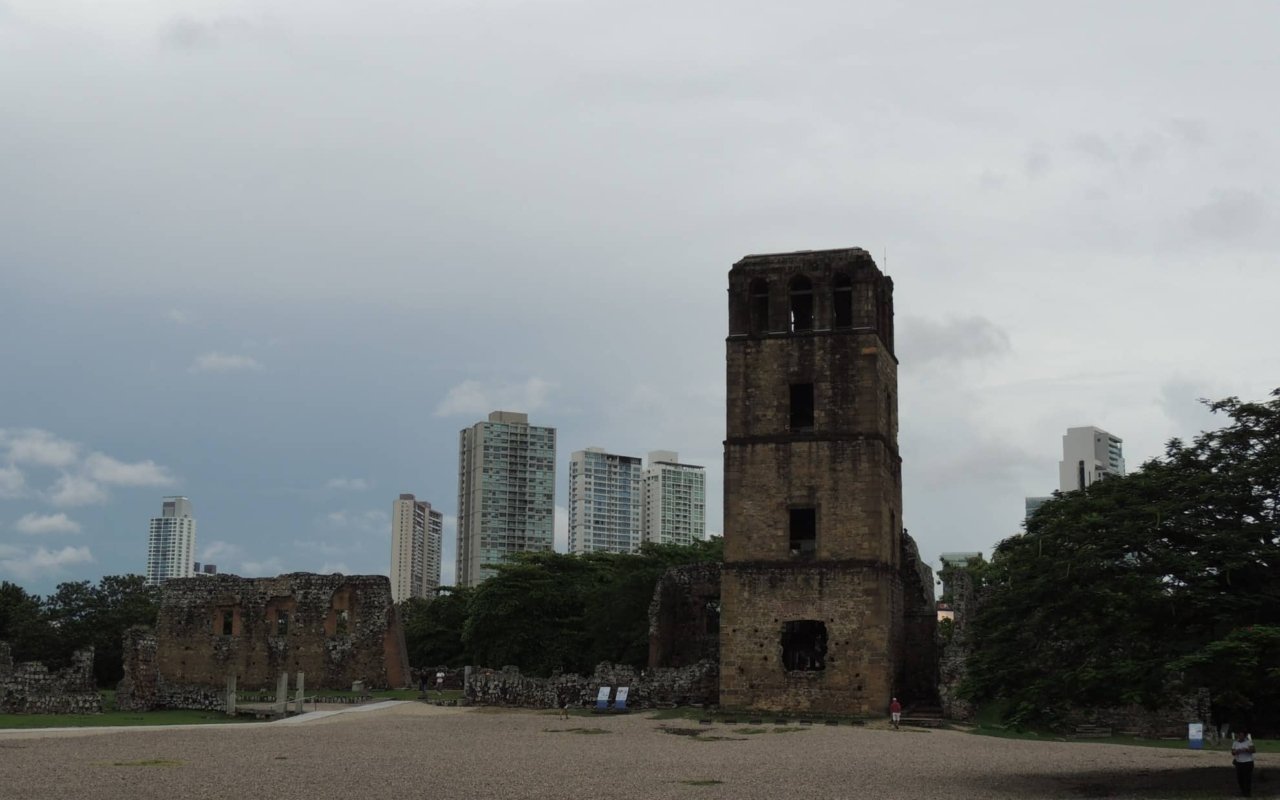
Founded in 1519, Panama Viejo was the first European city on the Pacific coast of the Americas. Its ruins bear witness to the colonial era and the city’s strategic importance as a point of departure for Peru and the major trade routes. Today, the cathedral tower is an emblematic vestige of the city, and museums retrace its eventful history, including the attack by the famous pirate Henry Morgan in 1671. A must-see visit to delve into the origins of the capital.
Located just 15 minutes from the modern center of Panama City, the site can easily be visited in half a day. Plan a guided tour (in French if possible) to better understand the remains. The on-site museum makes the visit very accessible, even with children.
Coiba National Marine Park listed since 2005
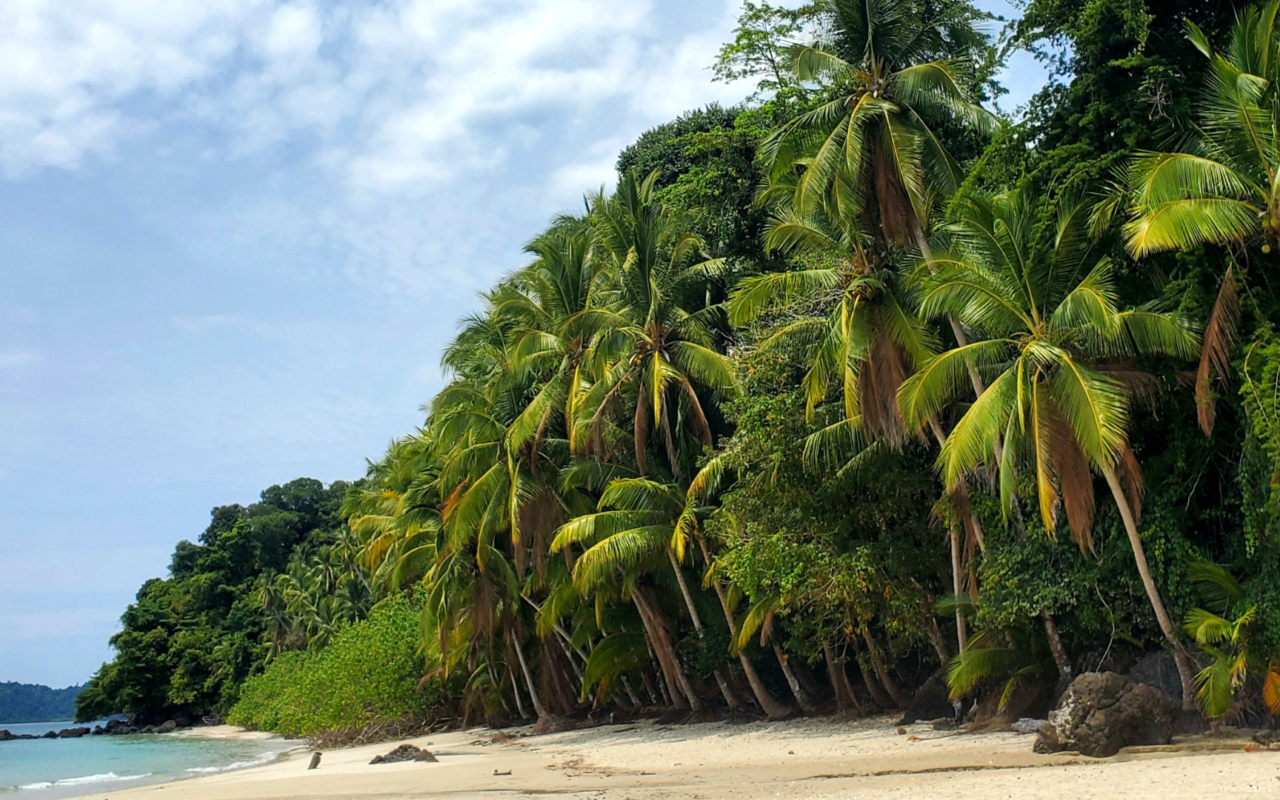
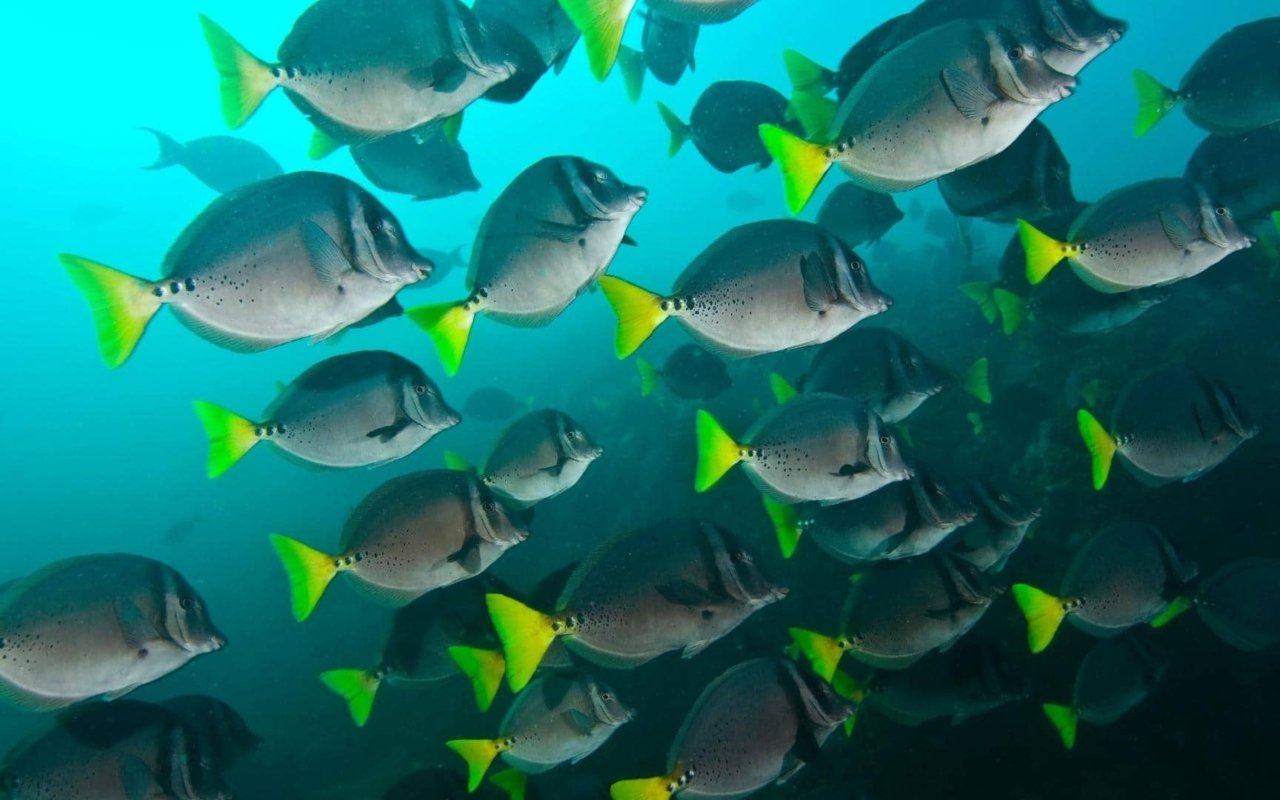
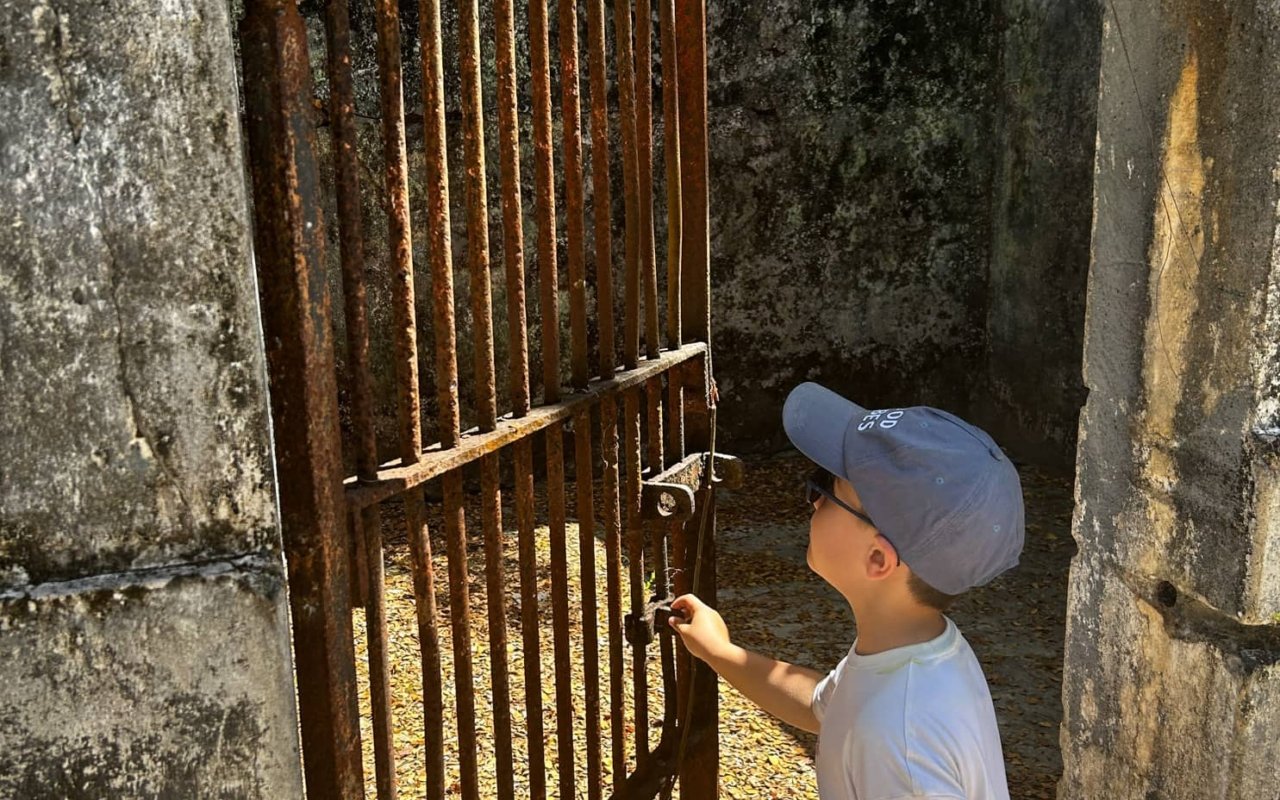
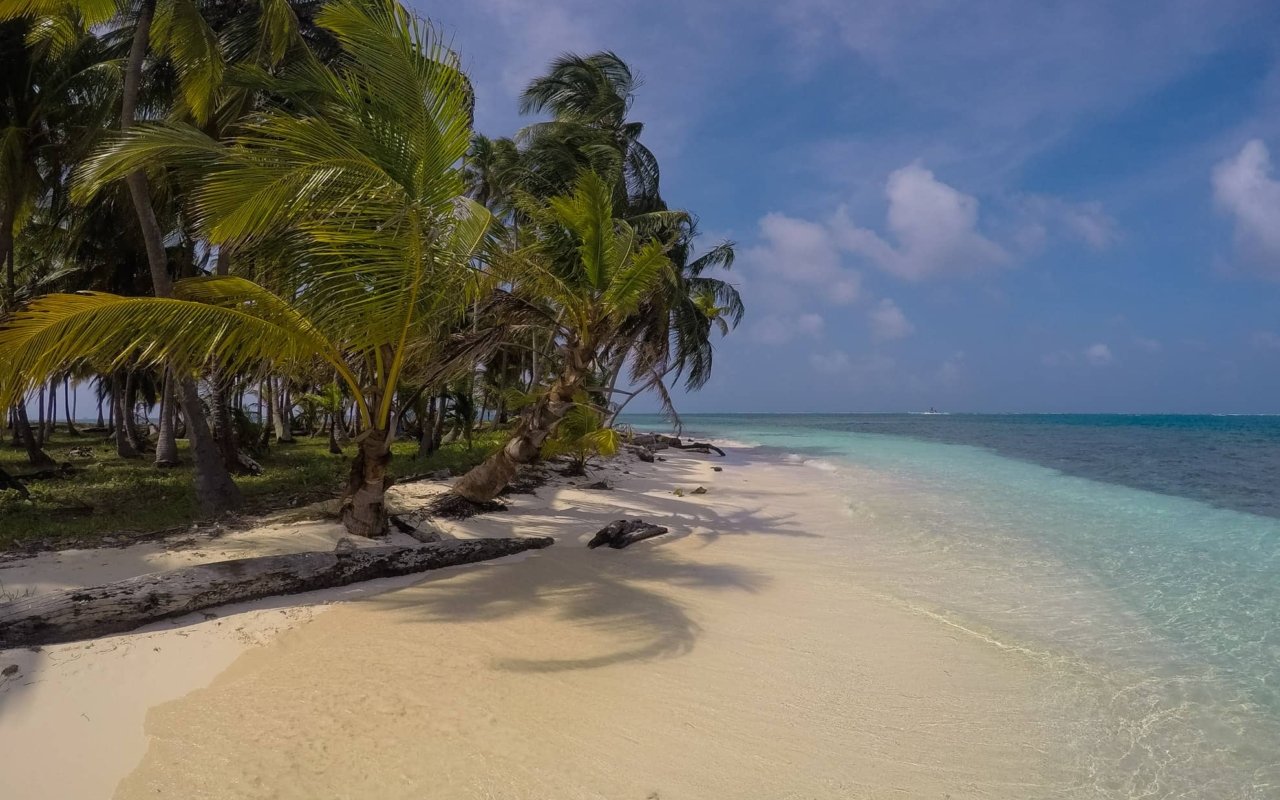
A former penal colony turned natural paradise, Coiba Island and its surrounding archipelago are today a marine jewel. The park protects one of the largest coral reefs on the American Pacific coast and an exceptional biodiversity: dolphins, hammerhead sharks, whale sharks, manta rays and sea turtles. Classified as a UNESCO World Heritage Site, it is a popular destination for divers from all over the world, offering some of the richest seabed on the planet.
Access is only by boat from Santa Catalina (Veraguas province), accompanied by a guide. Day trips and diving holidays are offered by local operators. Certified divers will be delighted by the richness of the seabed, but snorkeling enthusiasts can also enjoy the beauty of the reefs.
The Transisthmian Route, scheduled for 2025
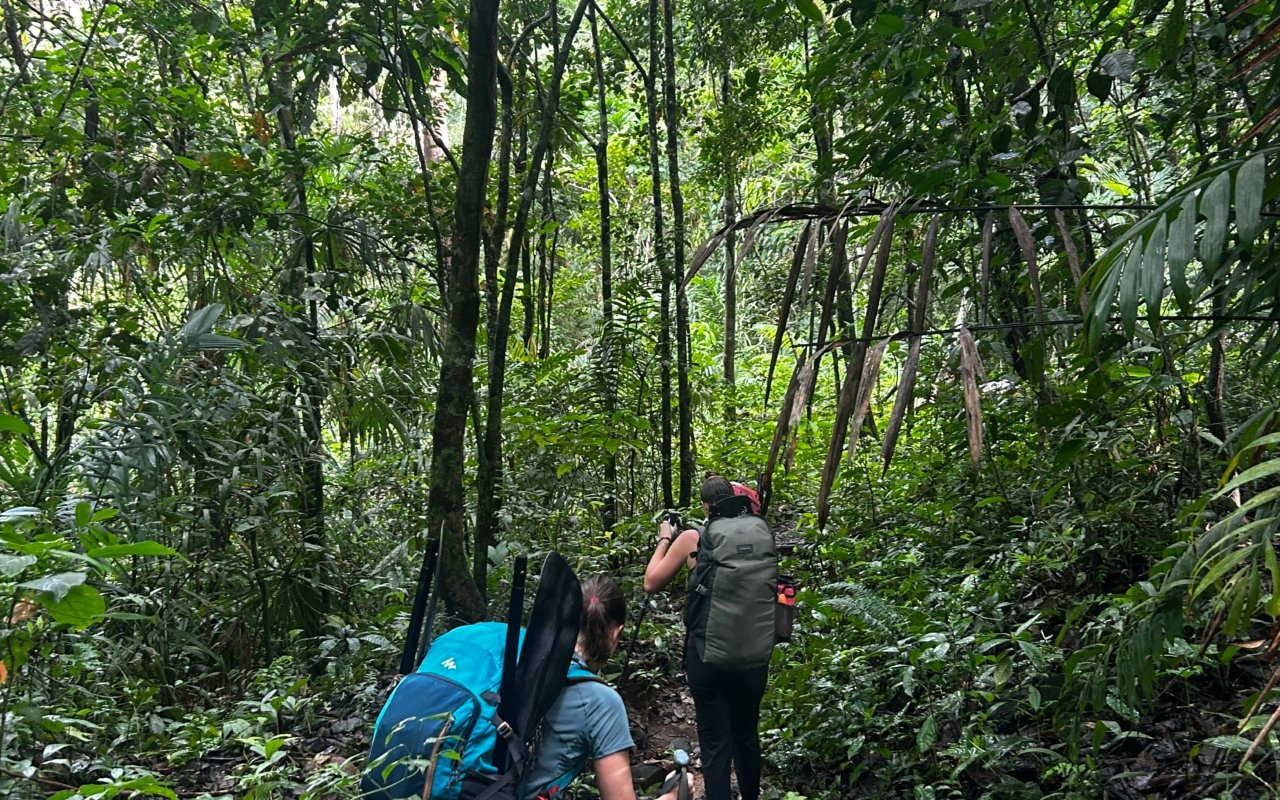
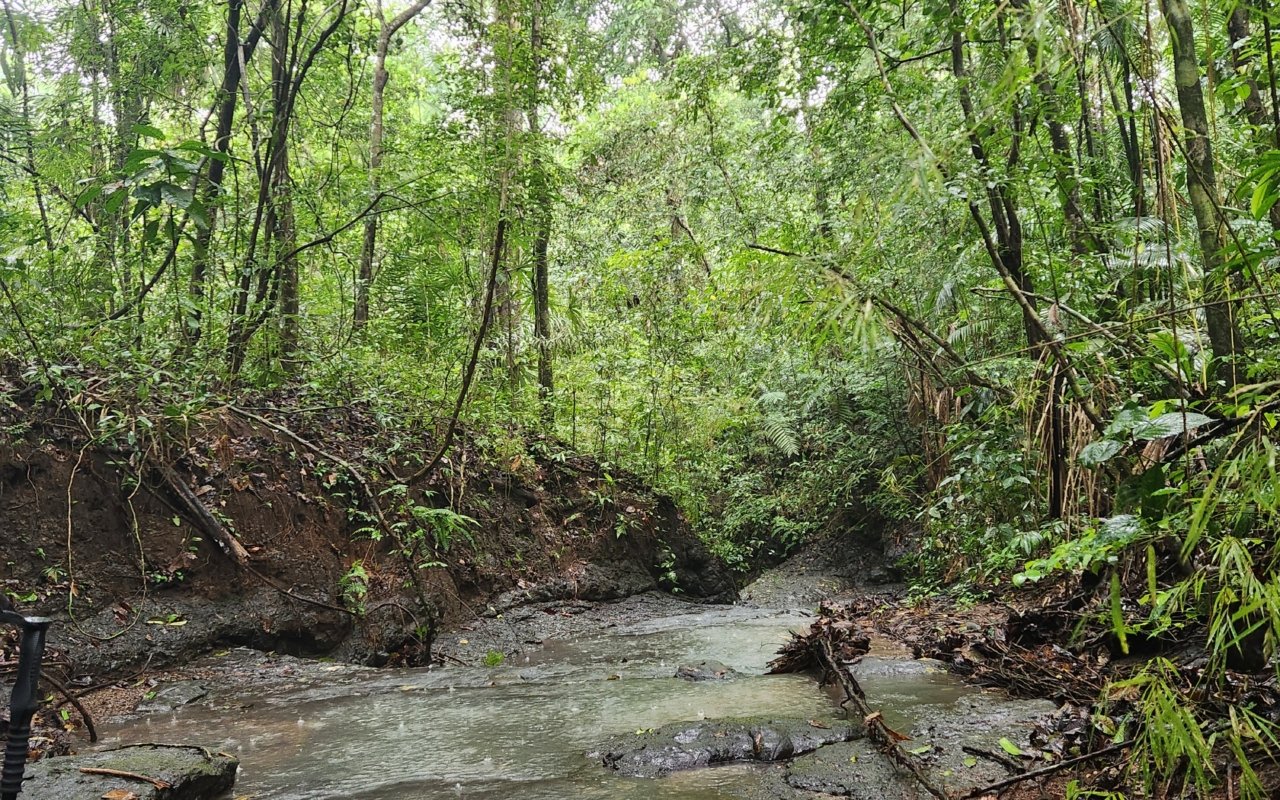
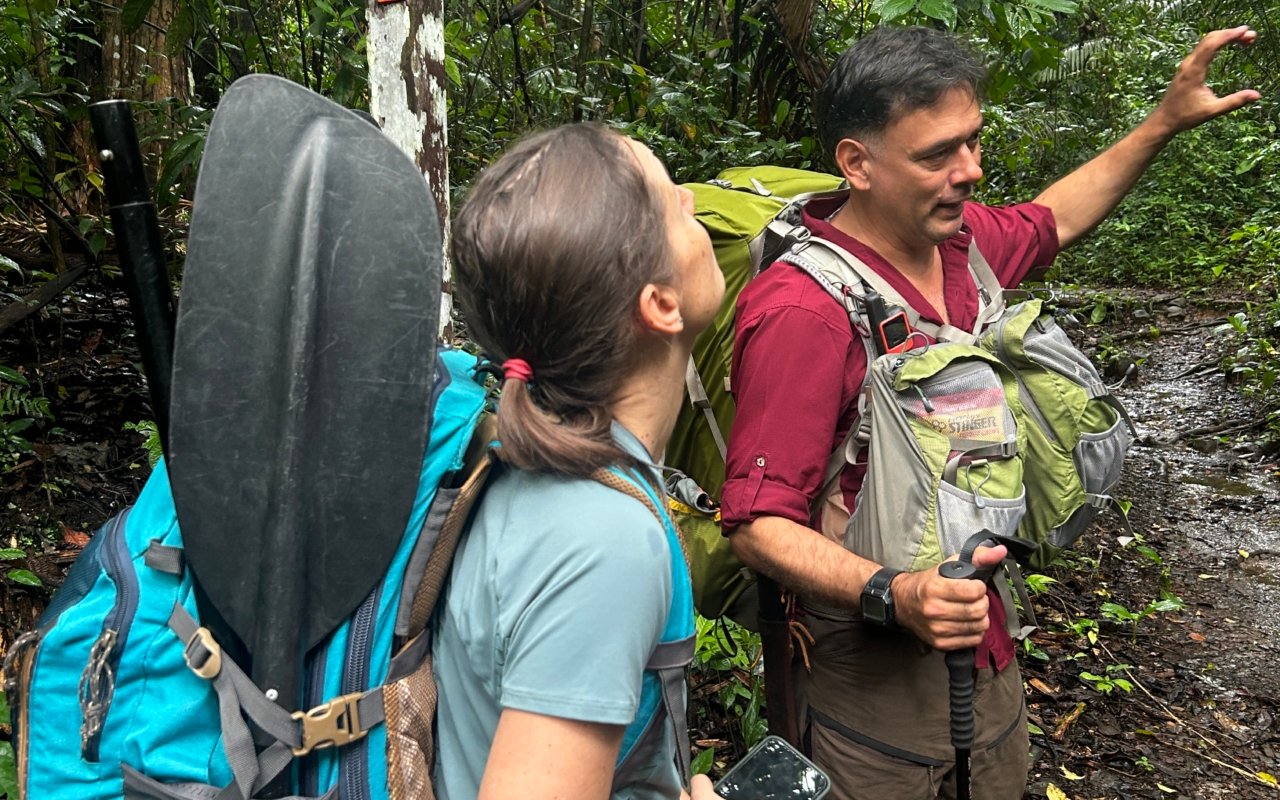
The latest World Heritage Site, this historic route links the Atlantic and Pacific Oceans. It includes the Camino de Cruces, the logistical infrastructures of the colonial era and the fortifications that lined this strategic corridor. This route was essential to world trade, long before the Panama Canal. To explore this route is to go back in time and understand how the isthmus has always been a bridge between continents and oceans.
Today, it’s possible to trek or packraft along its colonial roads, accompanied by a guide. The experience is ideal for travellers who want to challenge themselves or for trekking enthusiasts. The Terra Panama team has tested this experience for you and recommends it 100%. You can read about the adventure here.