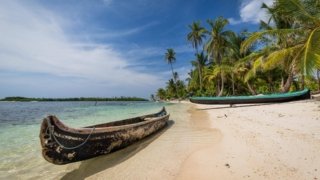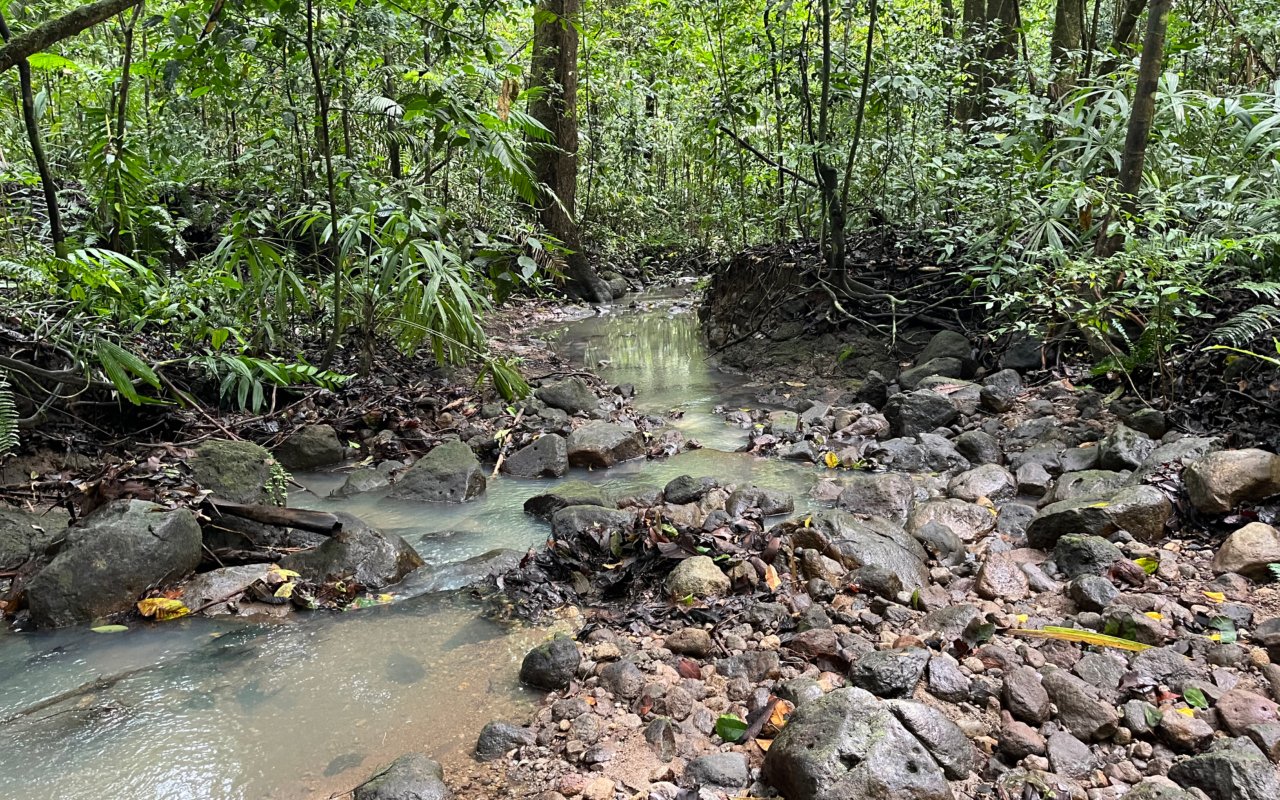
Panama is a tropical country, and like any self-respecting tropical country, its climate is changeable: humid, hot, sunny, rainy… When we think of the word “rainy season”, we often imagine umbrellas, logistical hassles and wasted days. However, traveling to Panama during the rainy season, which runs from May to November, can be a magical experience, quieter and greener than ever.Visit our article to find out when to go to Panama, depending on your interests and the region you’re visiting.
Rainy season in Panama doesn't mean all-day rain
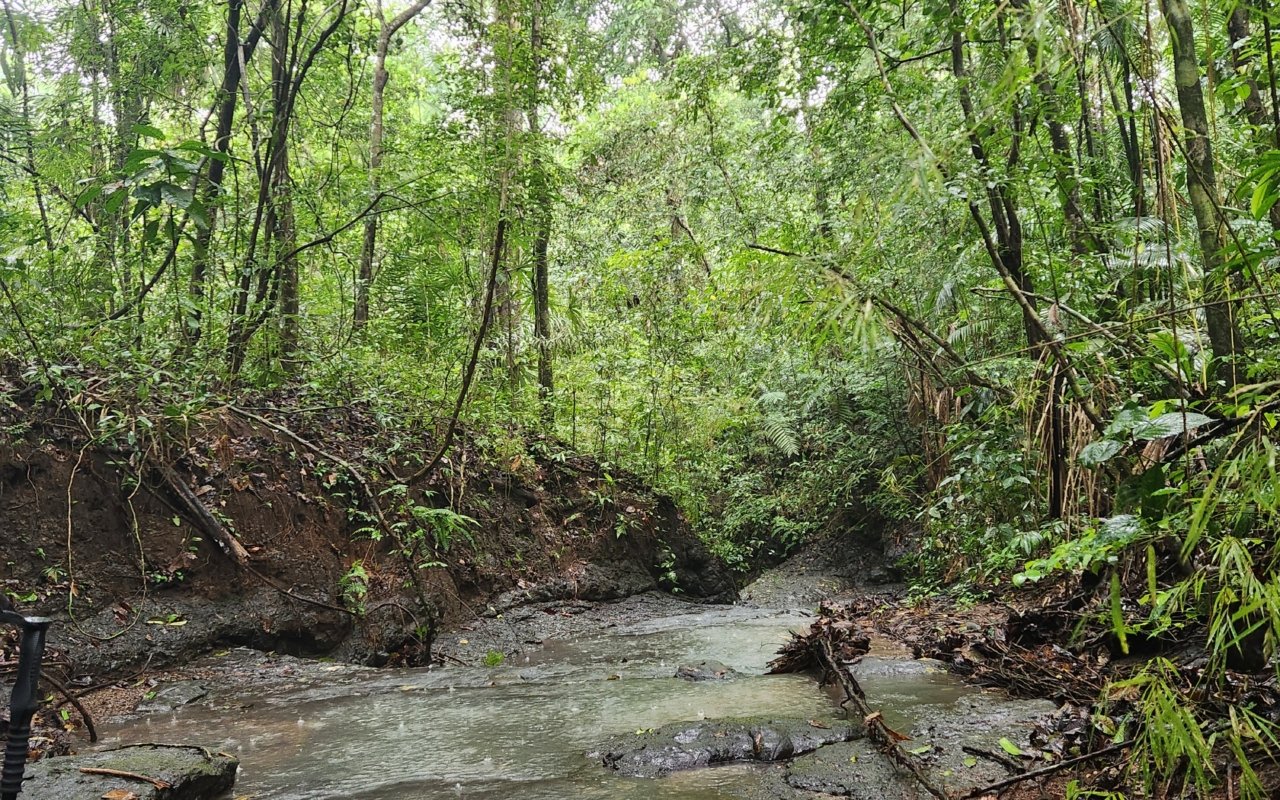
This is THE first preconceived notion to be deconstructed. The rainy season in Panama is not a six-month deluge. It generally rains in the afternoon or at night, in the form of short but intense tropical showers. Mornings are often bright and sunny, so you’ll need to adapt your itinerary and plan your excursions accordingly.What’s more, Panama has a wide variety of microclimates, despite its small geographical size. It is estimated that there are at least 12 distinct microclimates, sometimes more depending on the finer classifications of agricultural, forest or tourist zones. So it’s hard to give you a trend for your entire stay, all year round.
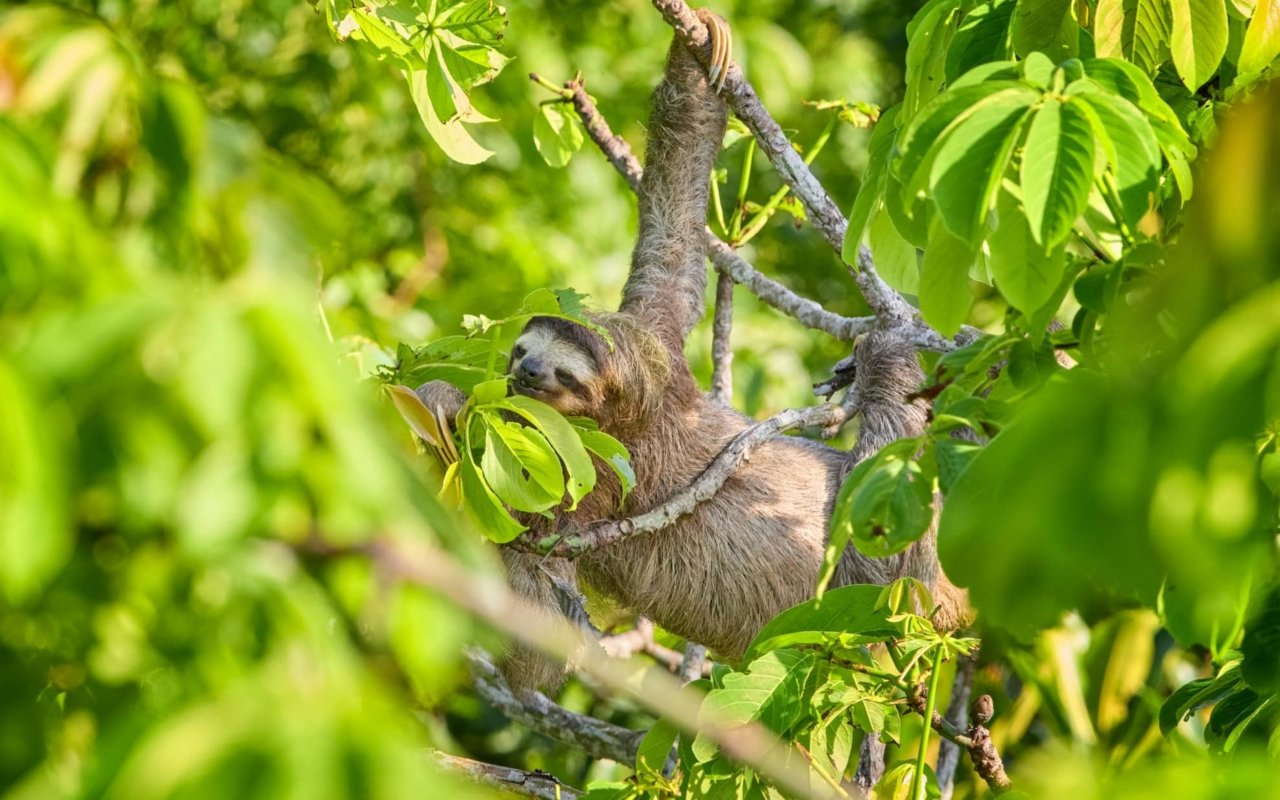
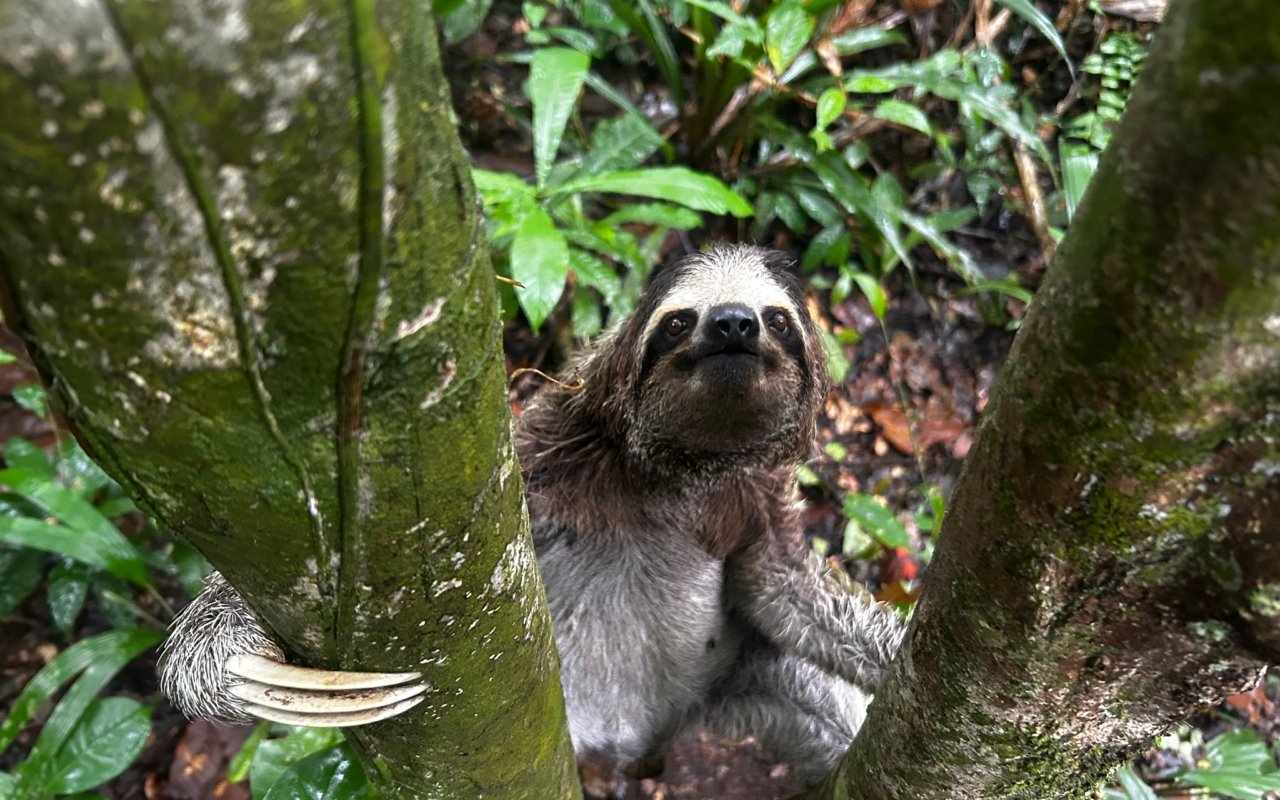
Lush nature at its best in the green season
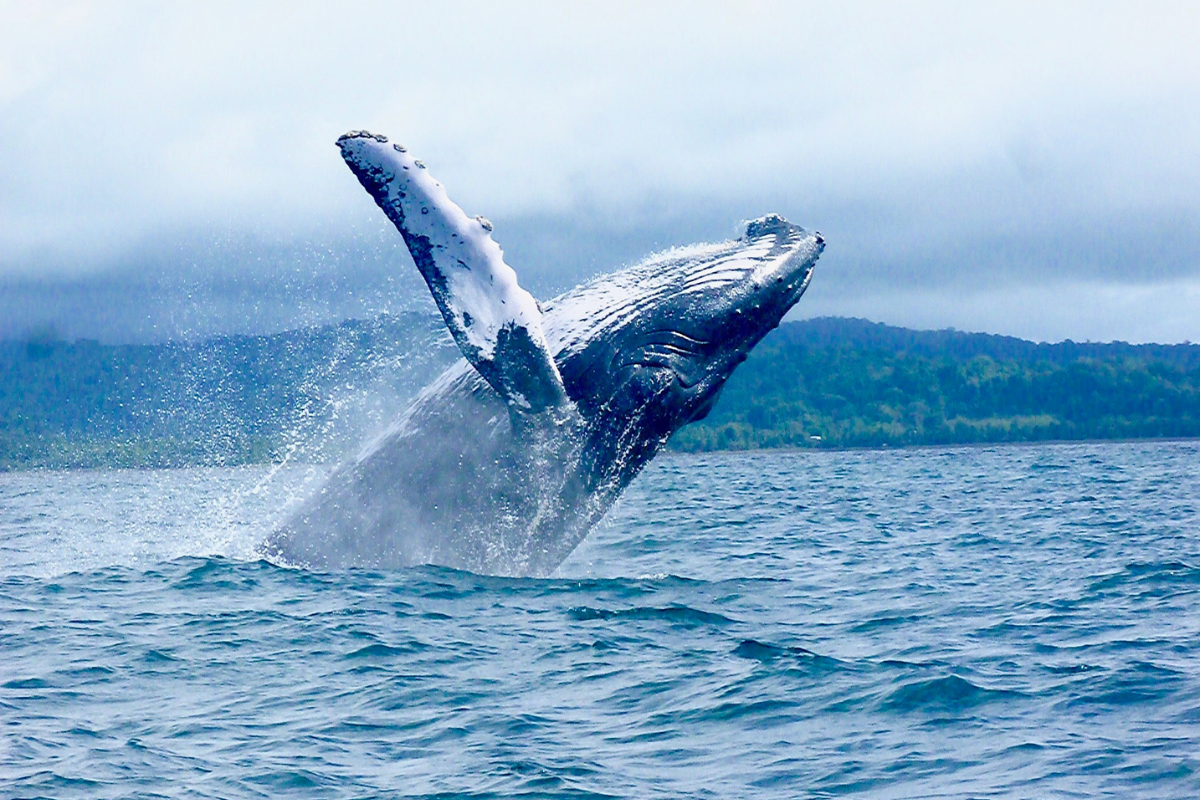
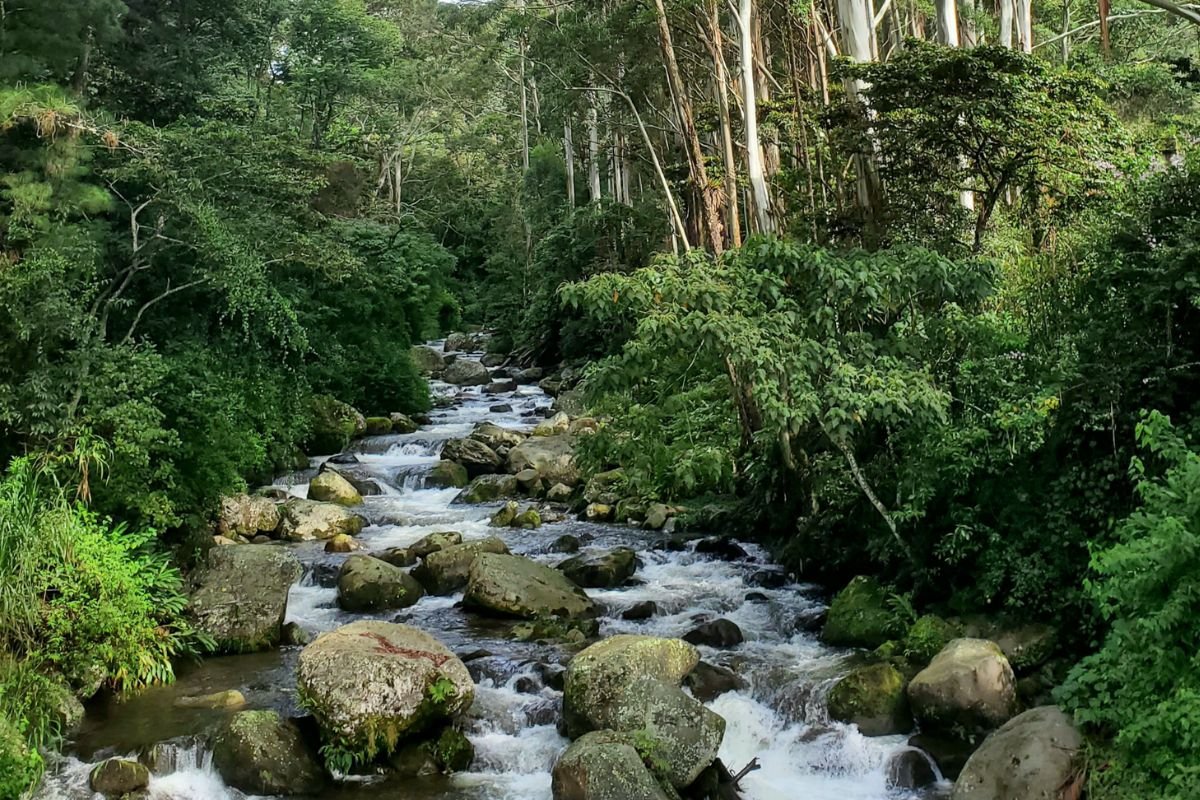
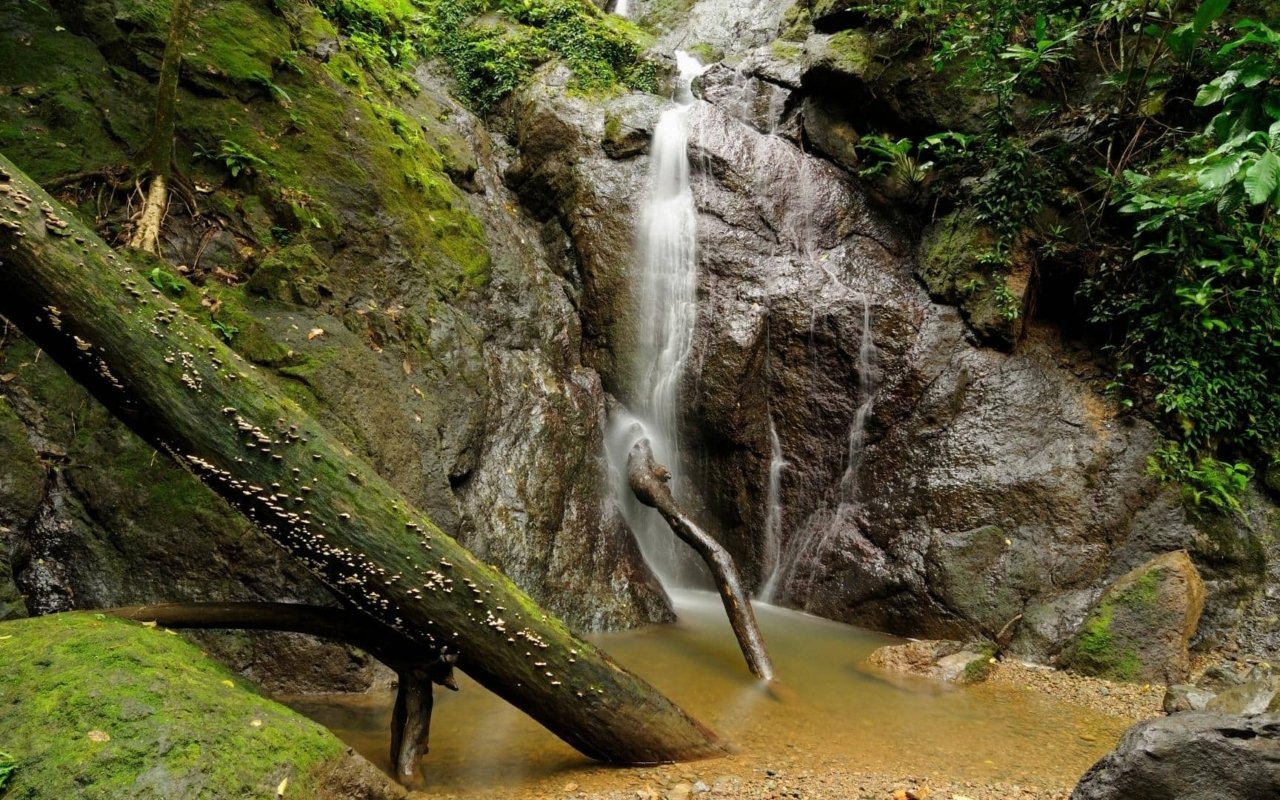
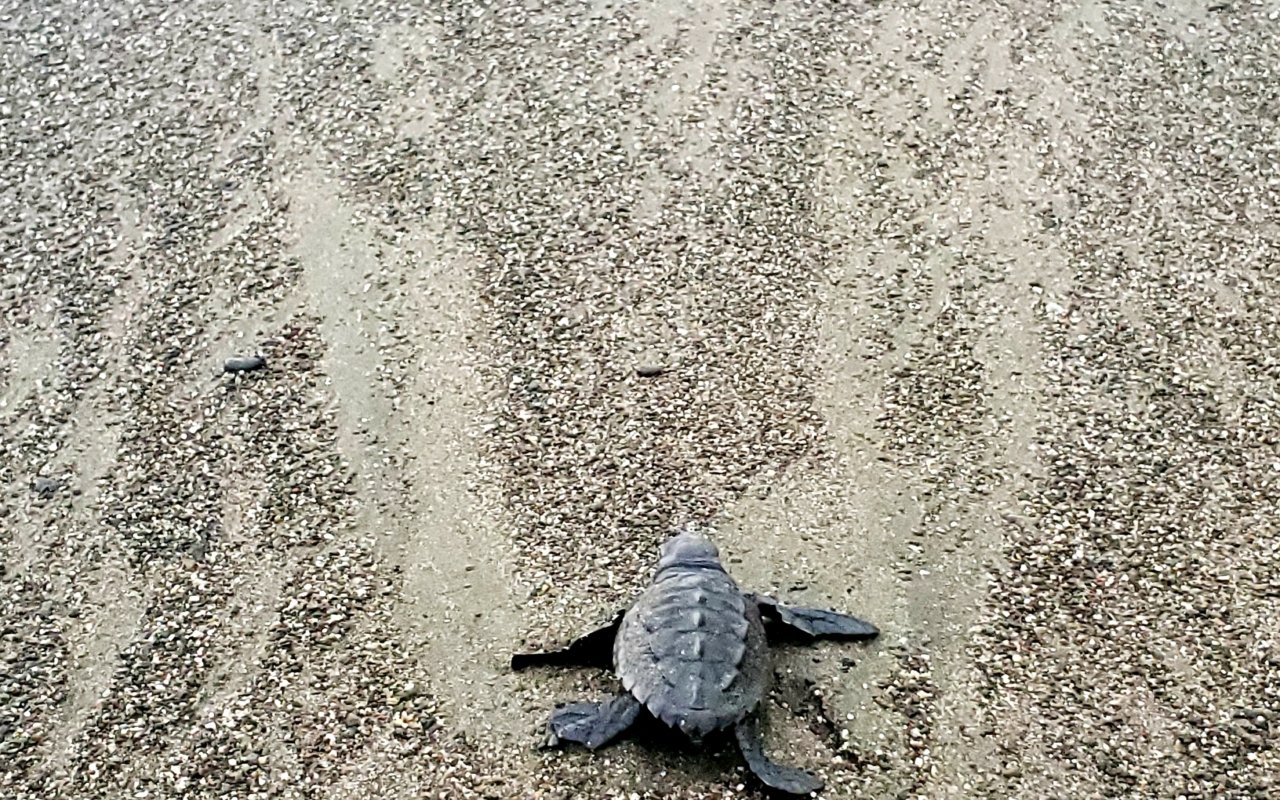
This is the season when the forest is lusher, the flora greener and its biodiversity explodes. It’s also the time of year when rivers come back to life and waterfalls are at their most impressive. What ‘s more, this is the time of year when whales start calving in the warm waters of the Pacific, and turtles start laying their eggs in July.
Fewer tourists, more authenticity
Outside the peak tourist season (December to April), you’ll encounter fewer people on the trails, in the accommodations or during activities. This is a great opportunity to experience Panama at a local pace, without the crowds or high-season prices.Indigenous communities, artisans and local guides will have more time to devote to visitors. This opens the door to deeper, more sincere encounters, and more equitable tourism.
Practical tips for discovering Panama during the green season
- Don’t trust the weather forecast on your phone or online. While they work relatively well in European countries, in Panama they’re simply useless, indicating rain every day of the week, all year round, when the reality is quite different. The easiest thing to do here is to observe the sky. After a few days here, you’ll understand better.
- Bring a light raincoat and quick-drying clothes.
- Closed, non-slipshoes are useful for hiking.
- Plan activities for the morning, when it’s generally dry.
- Avoid certain landslide-prone areas in the event of prolonged heavy rain. Check with your local hotel or guide before embarking on a hike.
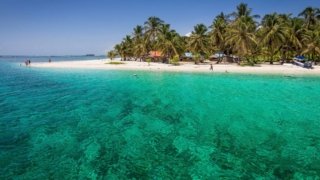
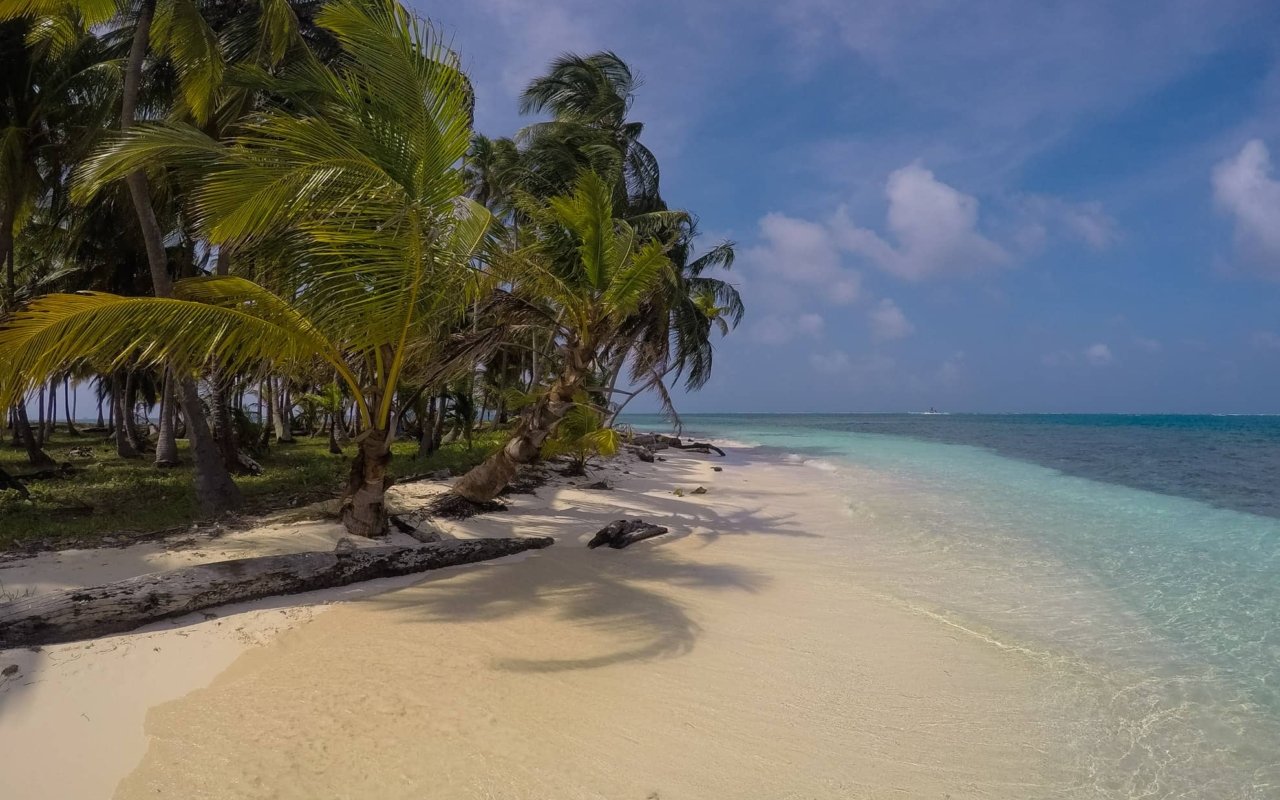
For beaches and islands, prefer the Caribbean (Bocas del Toro, San Blas), which can be sunnier than the Pacific coast at this time of year.
Some ideas for wet-season activities
- Watch humpback whales in Coiba National Park, an unforgettable spectacle (July to October).
- Hike to the country’s most spectacularwaterfalls, swollen by the rains and nestled in lush tropical forests.
- Raft down the Chiriquí’s tumultuous rivers for a natural adrenaline rush.
- Discover the Panama Canal from the Miraflores or Agua Clara locks, up close to the imposing transcontinental ships.
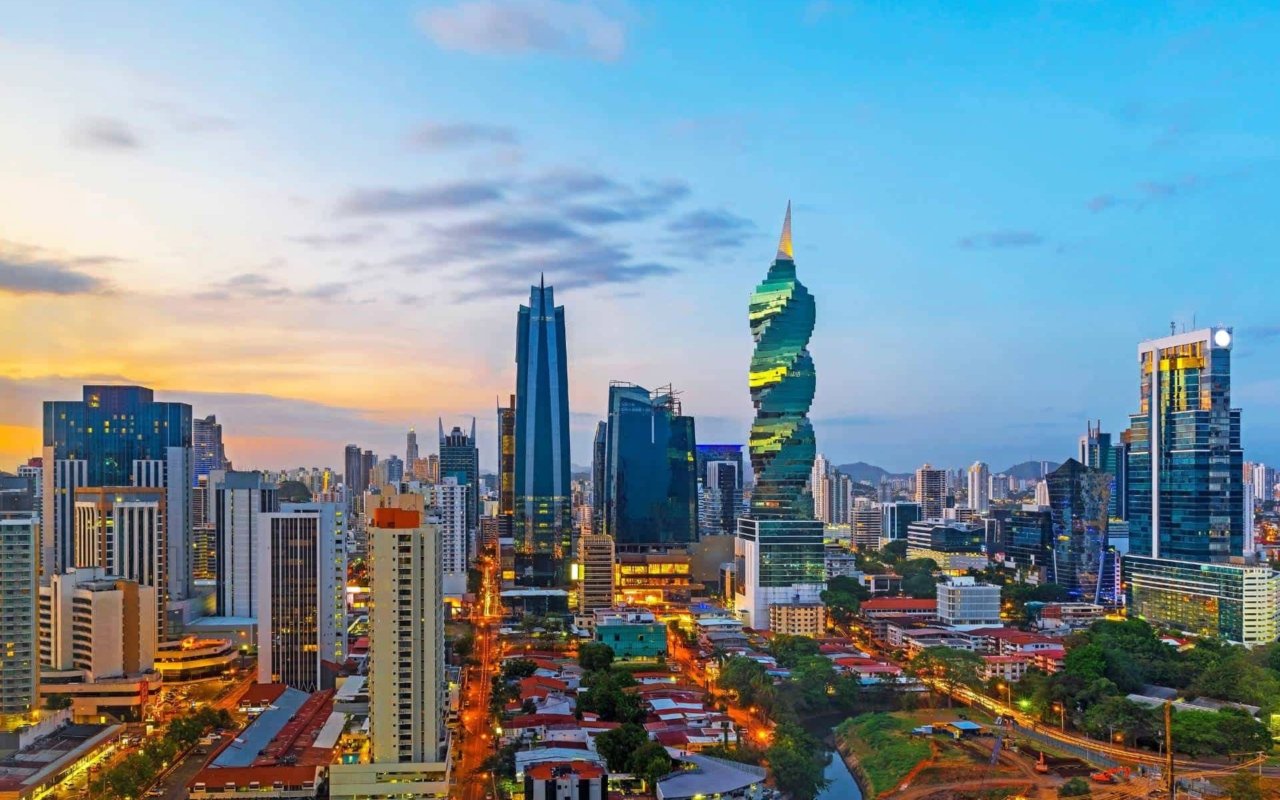
- Explore the museums of Panama City, to better understand the country’s rich history and multiple cultural facets.
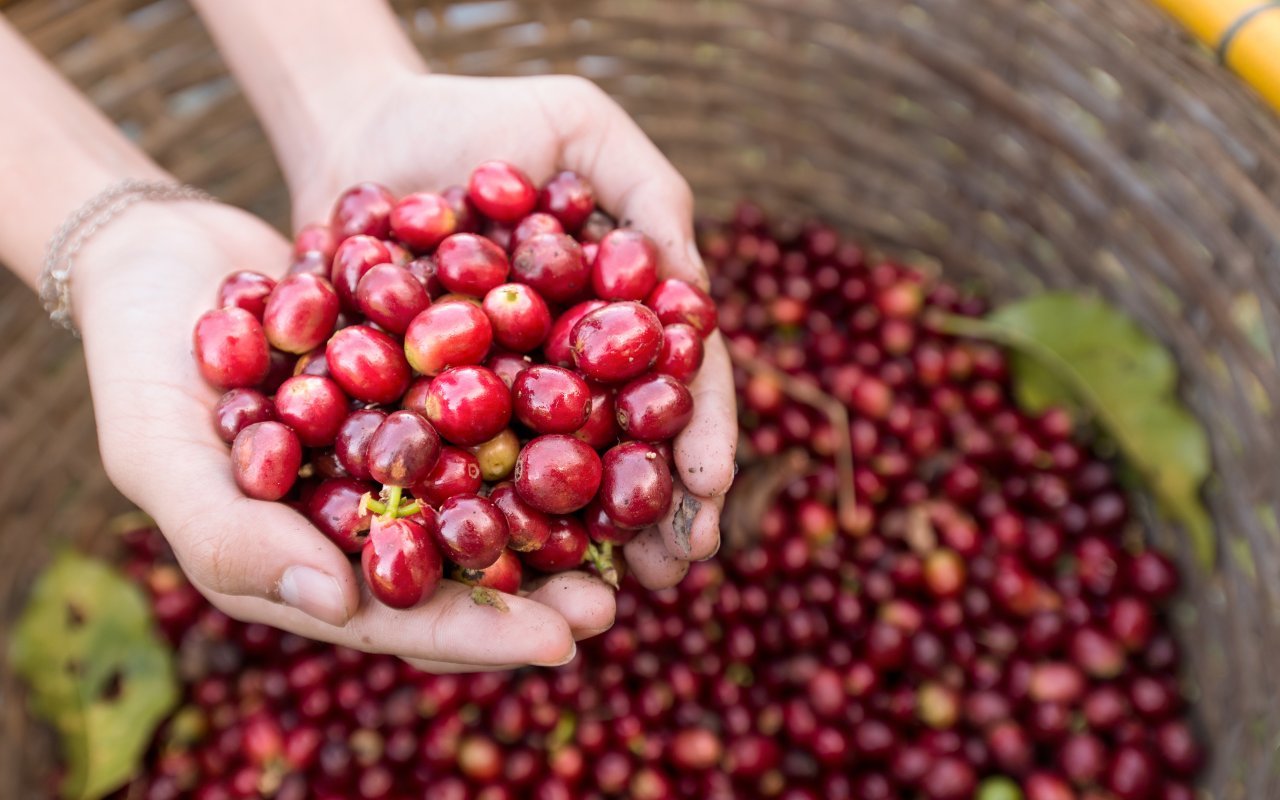
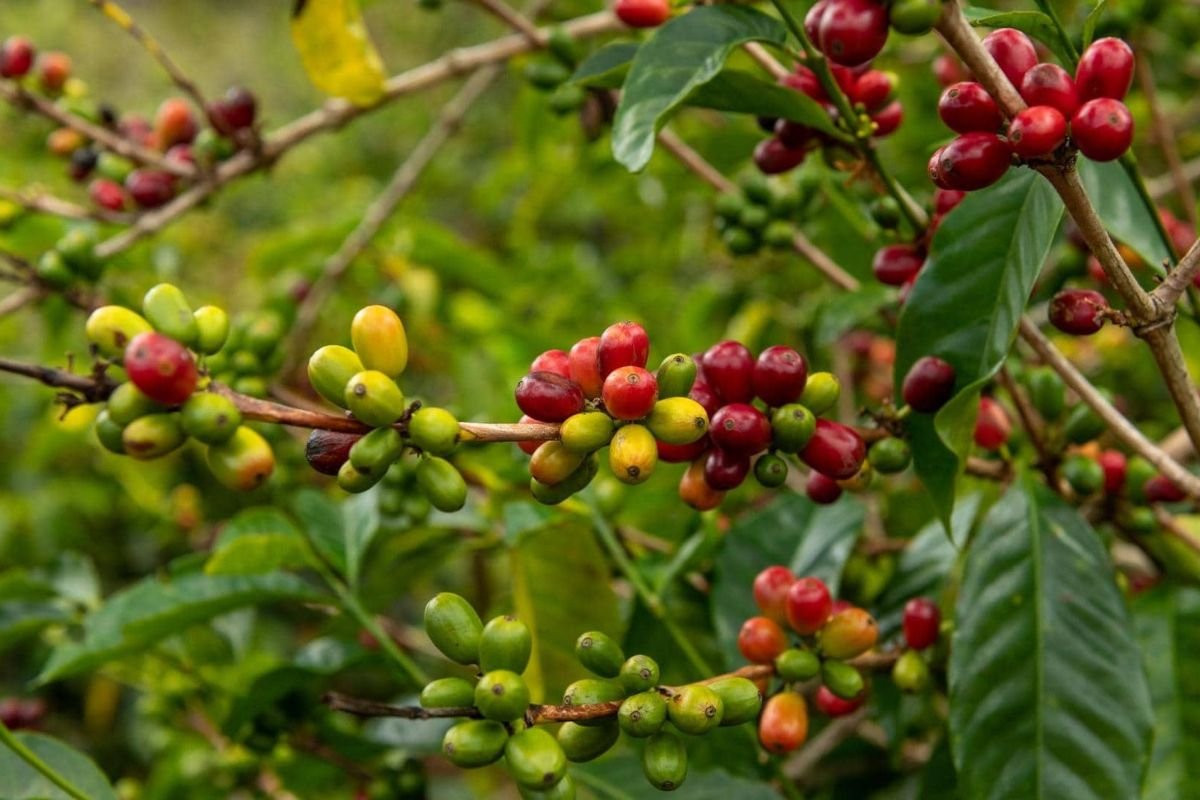
- Taste a Geisha coffee in Boquete, one of the finest and most renowned in the world.
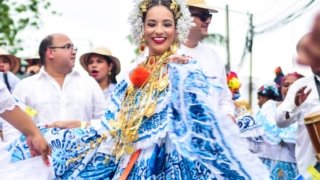
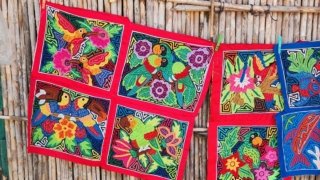
- Meet an indigenous community for an authentic and respectful exchange.
- Follow in the footsteps of the local cocoa industry, on a sensory and gourmet tour ideal for the whole family.
- Watch baby turtles being born on Pacific beaches between July and November.
Relax in a wilderness lodge, to the sound of rain on the canopy.
In short: dare to enjoy the green season in Panama
To travel to Panama during the rainy season is to experience the country differently, closer to its nature, traditions and people. So, are you ready to explore the tropical version of Panama?