Situated between two continents and two oceans, Panama is much more than just a geographical link. This small Central American country has a rich and eventful history, shaped by indigenous peoples, conquistadors, pirates, empires and the ambitions of the modern world.
Deep indigenous roots
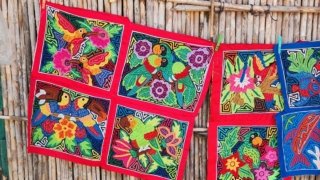
The first human traces in Panama date back to around 10,000 BC. Long before the arrival of the Spanish, the territory was inhabited by various indigenous communities: Emberá, Wounaan, Ngäbe-Buglé, Guna, among others. A natural crossroads between the Americas, Panama was already a place of exchange and circulation, andthese peoples continue to perpetuate their languages, knowledge and traditions today, despite the upheavals of history. Few written traces remain, but their oral accounts and legends bear witness to a rich ancestral past.
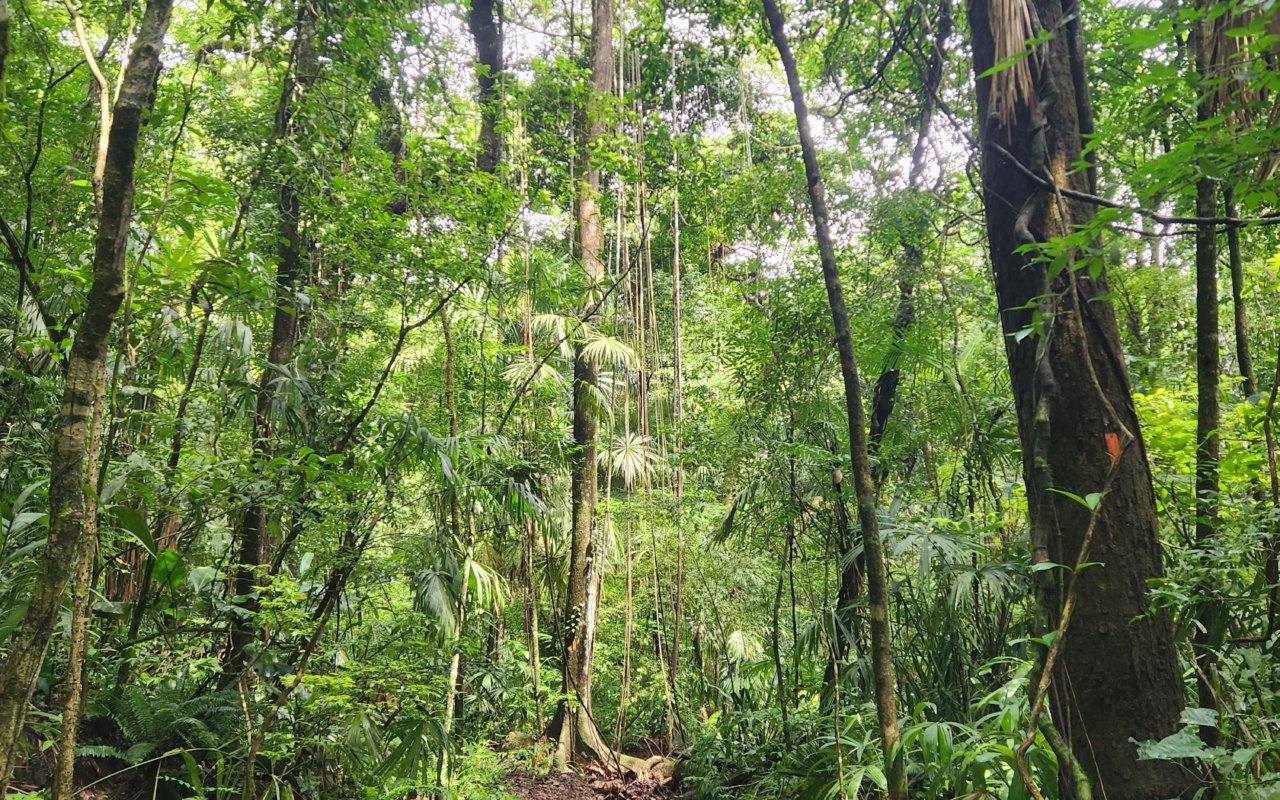
The arrival of the Spanish and the gold route
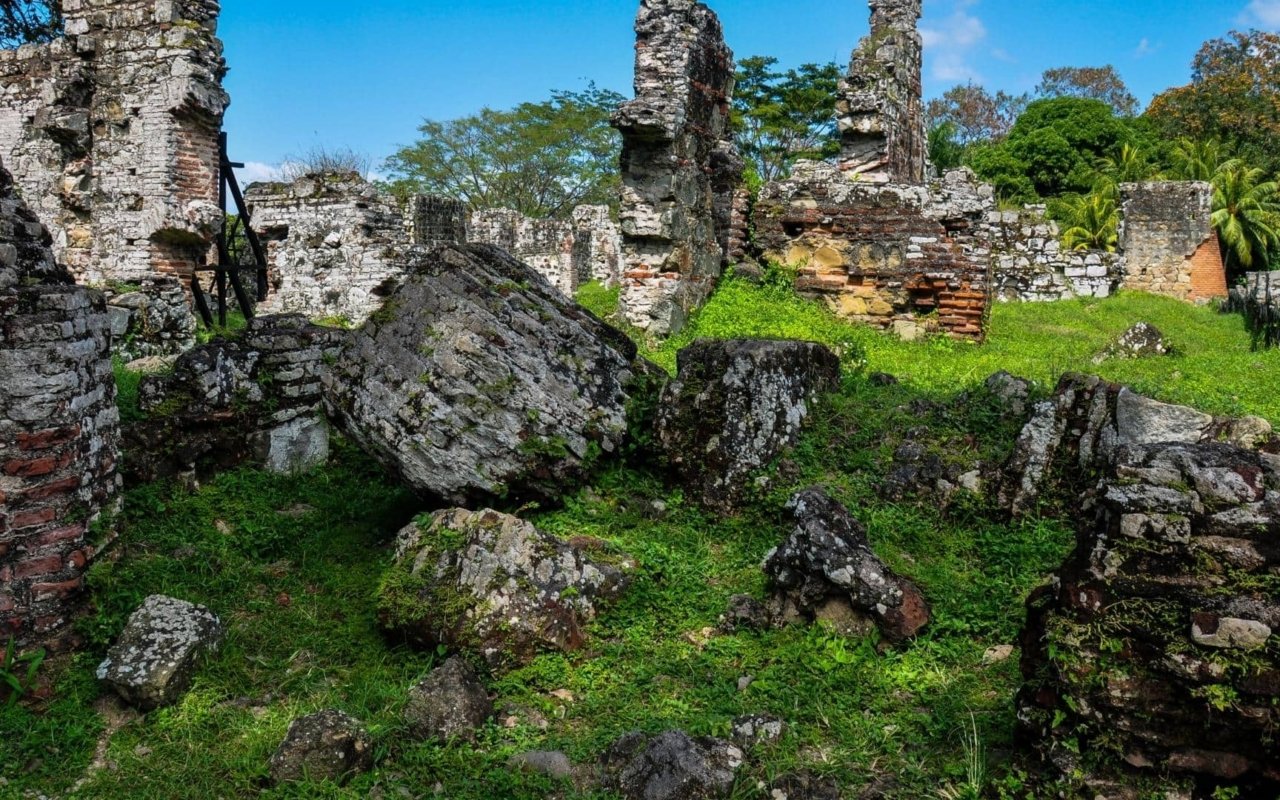
In 1501, Rodrigo de Bastidas sailed along the Panamanian coast for the first time. The following year, Christopher Columbus made a stopover in present-day Costa Rica on his fourth and final voyage. When he tried to establish a colony, he came up against a very resistant people. In 1510, weary of their resistance, they made their way down topresent-day Panama and founded the first lasting colony at Nombre de Dios, on the Caribbean coast. To the disappointment of the conquistadors, there was little gold to be found in Panama, compounded by inhospitable soil, tropical diseases and an unwelcoming people… It was at this time that Vasco Núñez de Balboa crossed the isthmus. In 1513, he became the first European to sight the Pacific Ocean, andPanama became a strategic route for transporting gold from Peru to Europe. In 1519, Pedro Arias “Pedrarias” Davila founded Panamá Viejo, the first Spanish city on the Pacific coast. From there, the riches were transported on human backs to the Caribbean Sea via the Sendero Las Cruces, recently declared a UNESCO World Heritage Site (2025). But the treasures attracted covetousness: Francis Drake plundered Nombre de Dios in 1572, Henry Morgan destroyed Panamá Viejo in 1671. The city was rebuilt a few kilometers away, on the site of today’s Casco Antiguo, and the Spaniards built Fort San Lorenzo and the fortifications of Portobelo, in the belief that they would deter future attempts.1739 saw the final blow to the Spaniards when privateer Edward Vernon brought down Fort San Lorenzo.
The fall of the Spanish Empire
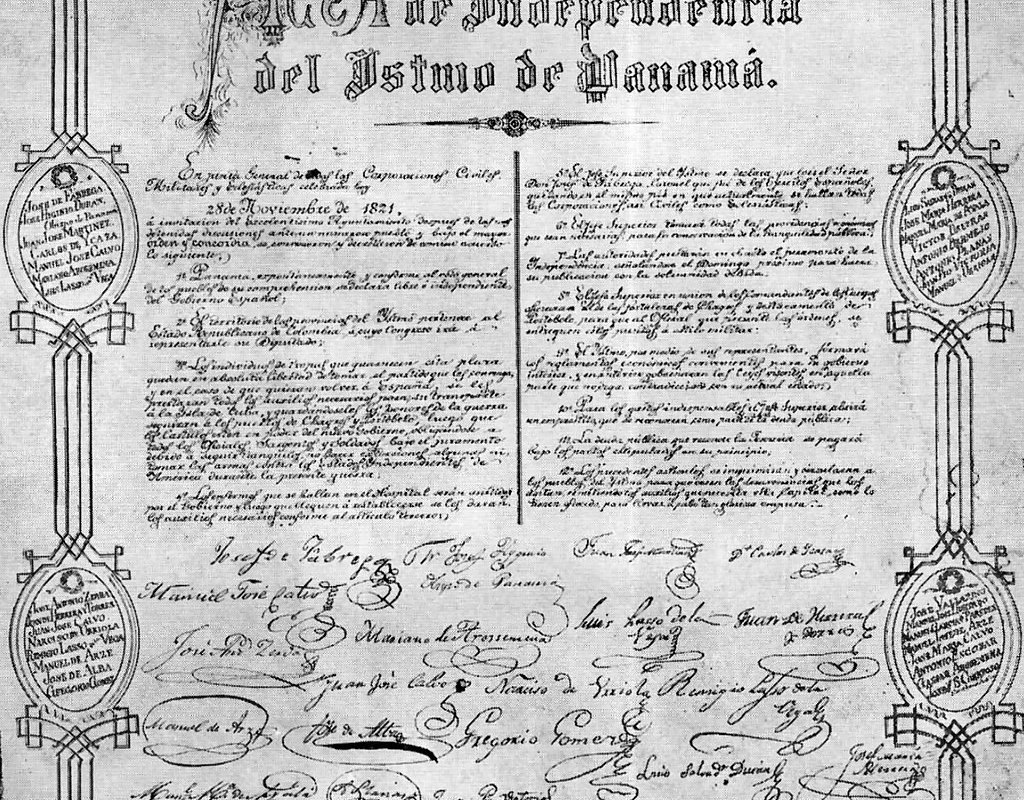
The defeat of the British at Trafalgar, followed by the war of independence against France in 1808-1814, meant that Spain lost all its colonial conquests. In 1821, Panama gained its independence from Spain and joined Gran Colombia. When the latter dissolved in 1831, Panama remained a province of Colombia. But its strategic importance attracted new interests.
The Panama Canal: prowess and controversy
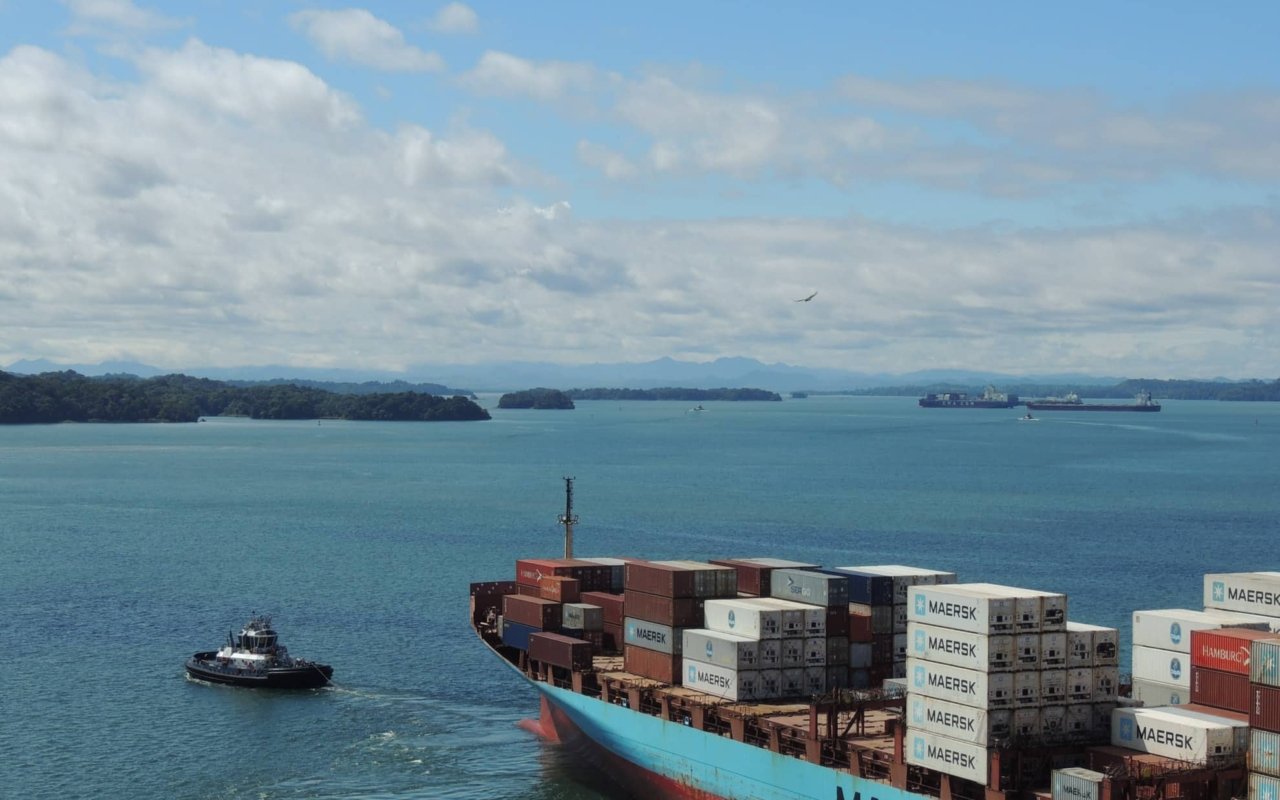
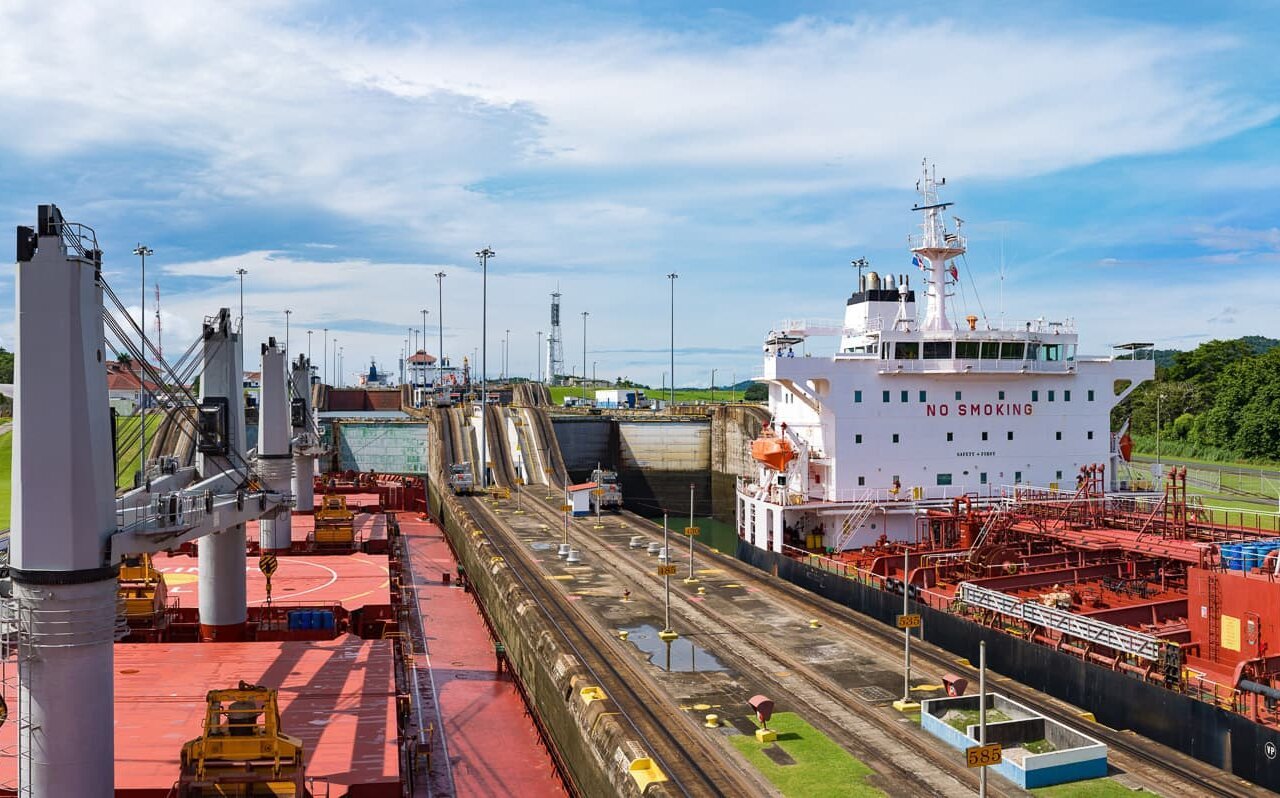
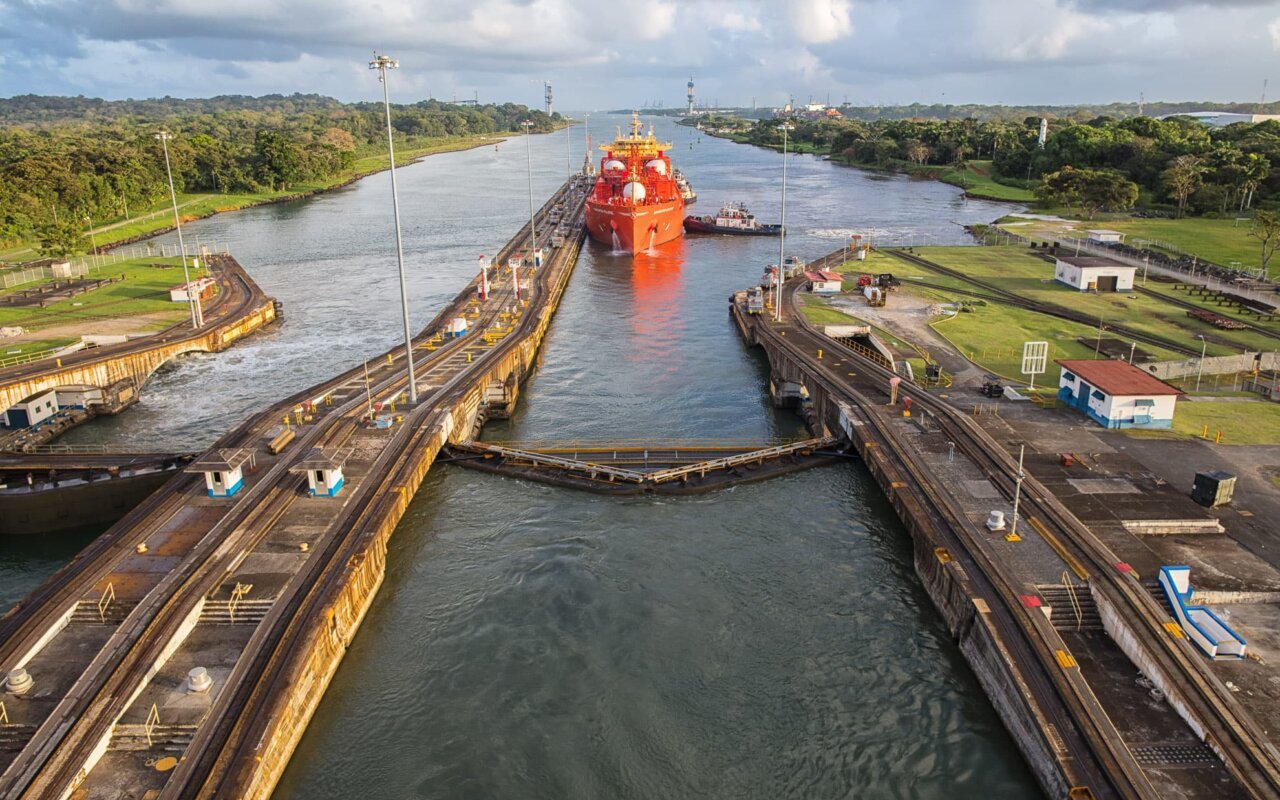
The dream of a canal linking the Atlantic to the Pacific goes back to the conquistadors. In 1878, Colombia entrusted France with the construction of this famous canal. Ferdinand de Lesseps, already famous for having built the Suez Canal, began work in 1880. But the project turned into a tragedy: poor land evaluation, tropical diseases, under-financing… In ten years, more than 22,000 workers died. The project failed, and the Panama Scandal broke out in France.At the turn of the 20th century, the United States took up the torch. Faced with Colombia’s refusal to cede the Canal Zone, they supported a Panamanian separatist movement. In 1903 , Panama officially became independent, thanks to American military support.Even before the arrival of a Panamanian delegation in the United States, a treaty was signed by Philippe Bunau-Varilla, a French engineer involved in the previous project, who had lobbied the United States to buy back the project in which he had a stake: the Hay-Bunau-Varilla Treaty. This gave the United States exclusive and perpetual control of the Canal Zone. Highly controversial, the treaty would provoke decades of tension, andin 1914 the canal was inaugurated. Featuring an ingenious system of locks, it became one of the greatest engineering works of its time, transforming global maritime trade.
Rising tensions and renewed sovereignty
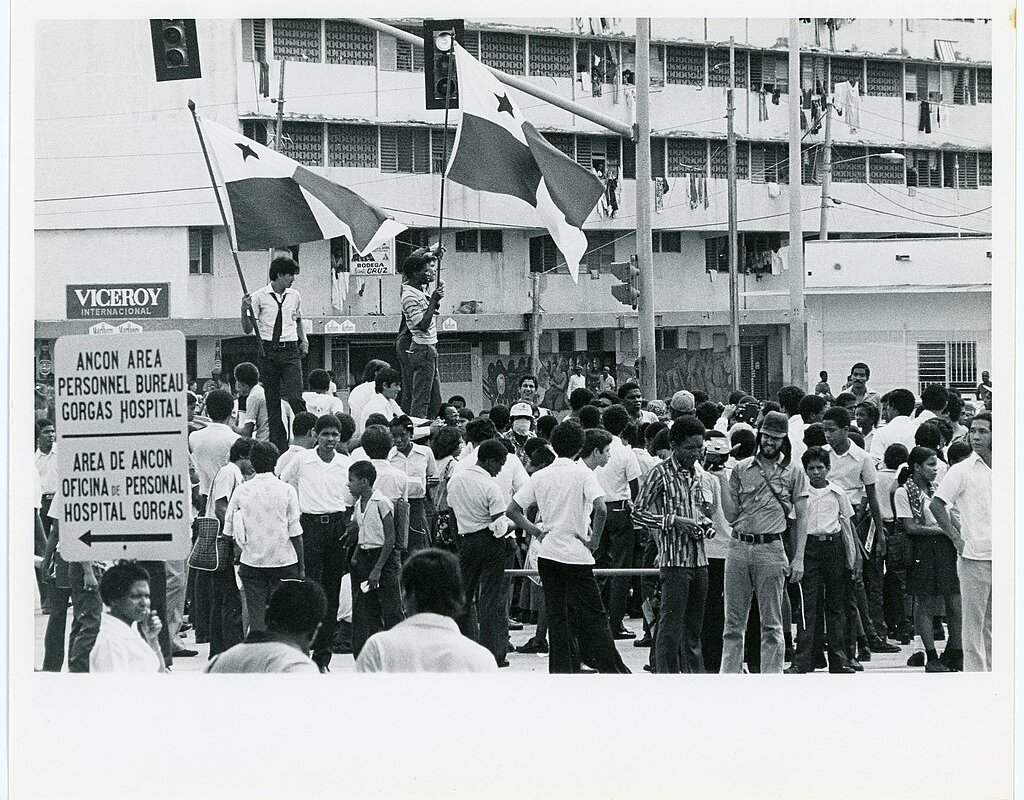
For decades, the American presence on the canal provoked growing protests. In 1935, a new treaty slightly increased the amount paid to Panama and limited military intervention, but did not put an end to discontent. In 1964, a student demonstration degenerated after an incident involving the Panamanian flag in the American zone. 27 young people were killed and 500 injured, and the event marked a turning point. It is still commemorated every January 9 as Día de los Mártires. As US influence diminished, the Panamanian army gained ground. The assembly was dissolved, the press censored and General Omar Torrijo imposed himself as ruler. In the 1970s, General Omar Torrijos succeeded in negotiating with US President Jimmy Carter to return the canal to Panama. The Torrijos-Carter treaties, signed in 1977, provide for the gradual transfer of management of the canal, effective December 31, 1999.
Noriega's dictatorship in Panama
In 1981, Torrijos died in a plane crash. Two years later, Manuel Antonio Noriega, head of intelligence, established himself as the regime’s strongman. He created a climate of fear, censored the press, rigged elections and became involved in drug trafficking with the Colombian cartels. In 1989, after several internal crises, Noriega was declared President by the Assembly. His first act was to declare war on the United States, before killing an American marine in civilian clothes as he left a restaurant in Panama City.A few days later, on December 20, 1989, the United States launched “OperationJust Cause“. In one night, 26,000 soldiers invaded Panama City. The toll was tragic: almost 2,000 civilians killed, thousands of Panamanians left homeless. Noriega took refuge in the Vatican Nunciature before surrendering ten days later. Extradited, he was tried and convicted of drug trafficking in the United States, then in France, before ending his life imprisoned in Panama, where he died in 2017.
Panama today
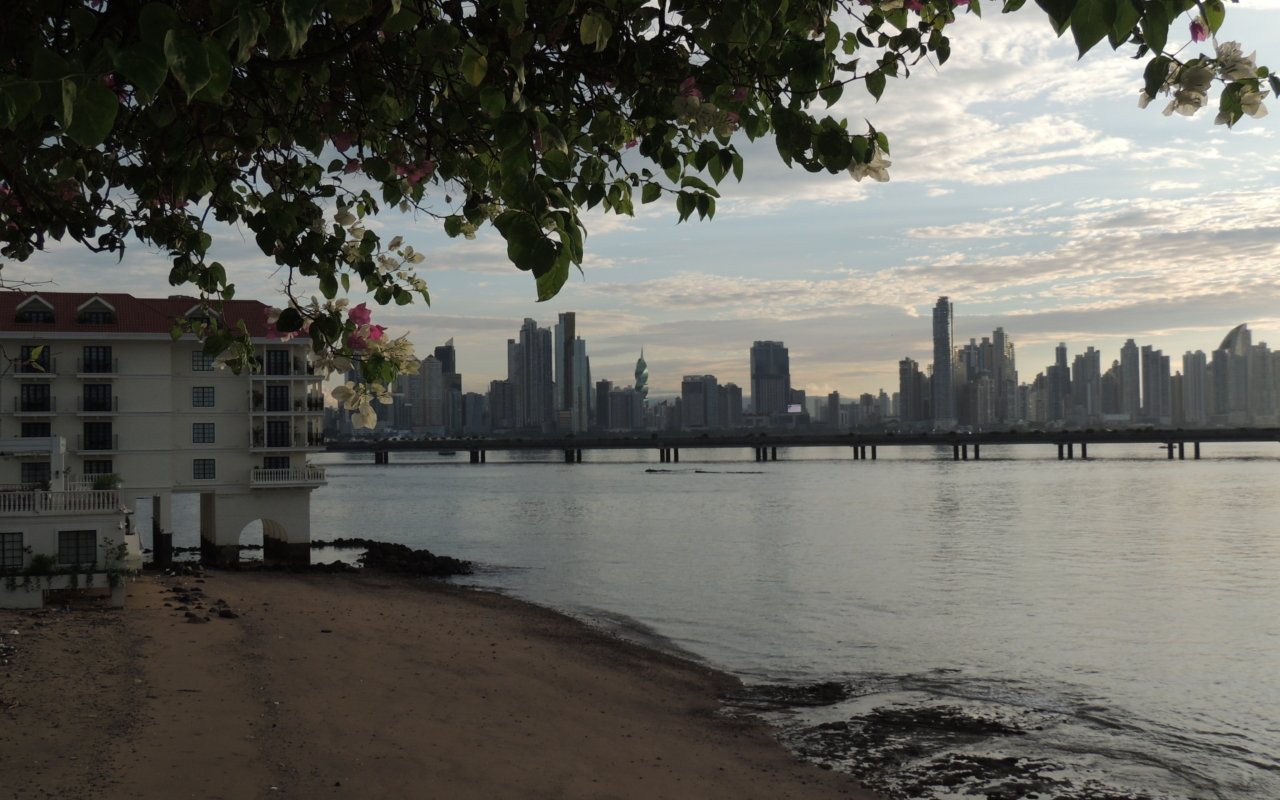
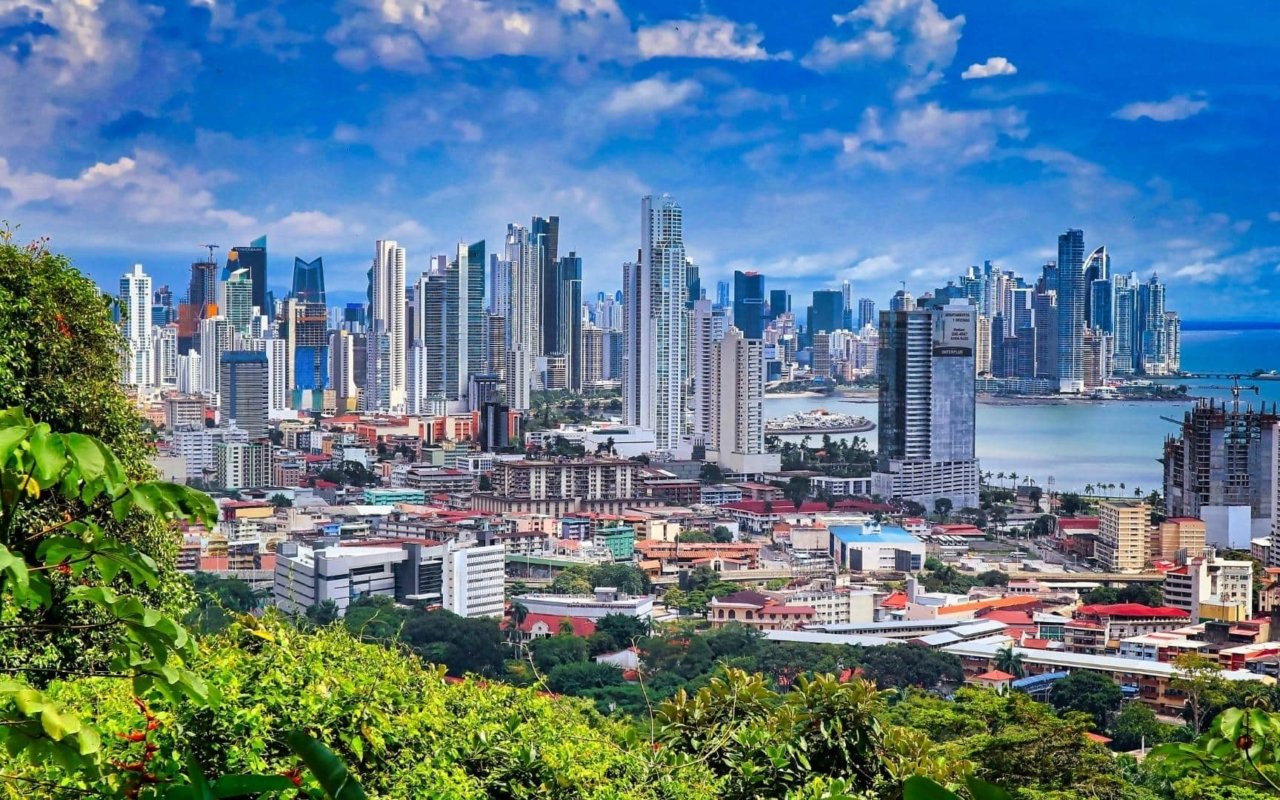
Since the 2000s, Panama has experienced rapid economic growth, driven by canal modernization, maritime trade, international finance and tourism. Today, the country is positioned as a logistics and financial hub in Latin America,but this dynamic is not without its challenges. Panama continues to face marked social inequalities, a complex political history, and an image tarnished by corruption scandals, including the infamous Panama Papers in 2016.Today, the country presents itself as a bridge between the Americas, open to the world, while gradually rediscovering its cultural, indigenous and Afro-Caribbean roots.The story of Panama is that of a small country with a strategic geography, constantly coveted, but which has gradually been able to reclaim its autonomy and chart its own course.
Things to remember before travelling to Panama:
- The country is young (independent since 1903), but its history goes back thousands of years.
- It is a strategic gateway, coveted and disputed.
- Panamanians have always been proud of their land, aware of their strategic position, and have always fought to exist in their own right.
- Behind Panama City’s skyscrapers lie centuries of struggle for sovereignty.
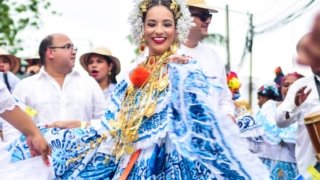
- Indigenous peoples are still very much present, and play an important role in reforestation and forest preservation. They are the historic Panamanians.
- The Canal is not just a feat of engineering: it is also the symbol of a complex political history.
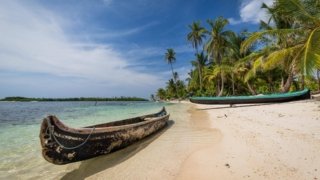
- Panama has a lot to offer, and behind its dynamic capital lies a people who want to exist by sharing their culture and unspoilt landscapes.