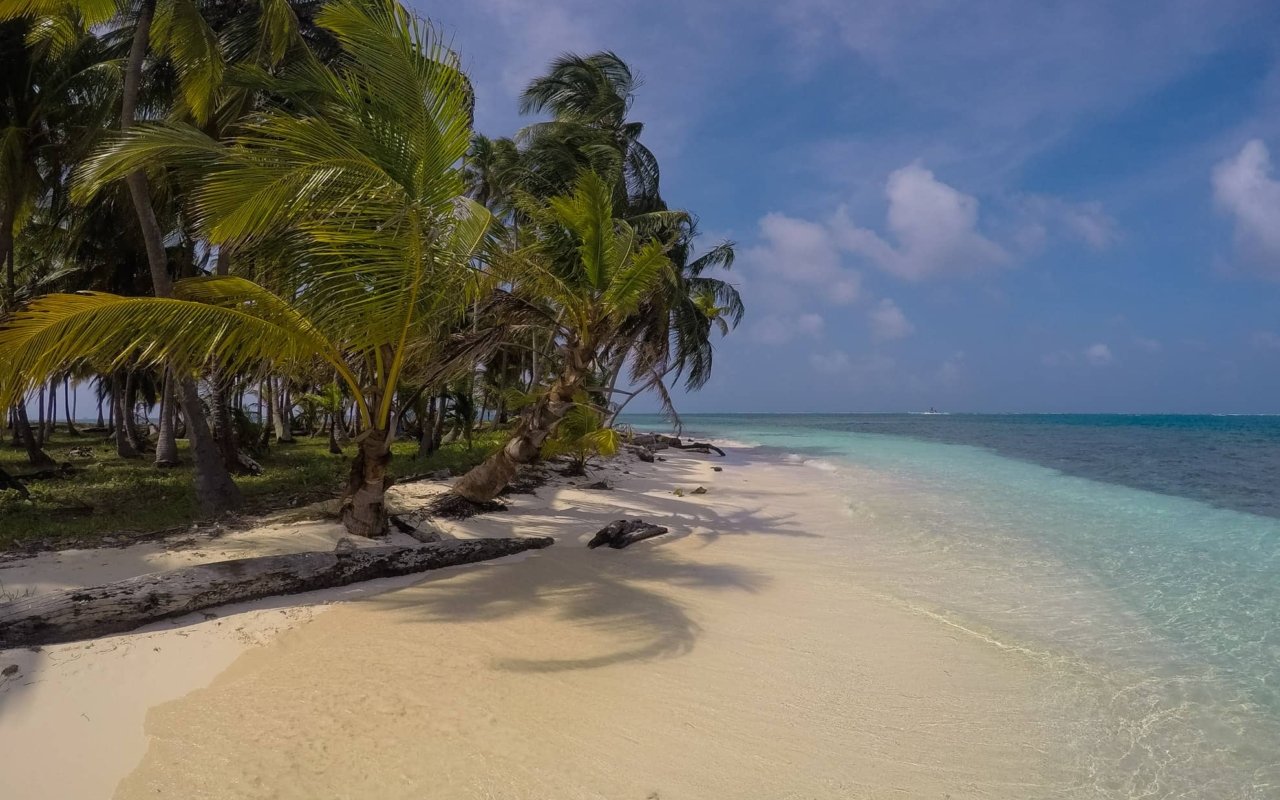
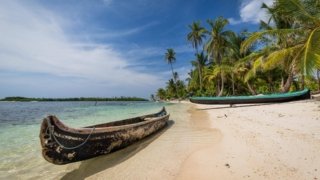
This region of Panama, still relatively unspoiled by mass tourism, boasts exceptionally rich marine and terrestrial ecosystems. Coiba Island, a UNESCO World Heritage Site since 2005, is home to a preserved seabed where humpback whales pass through (July to October), and where divers and snorkellers can observe whale sharks and manta rays.
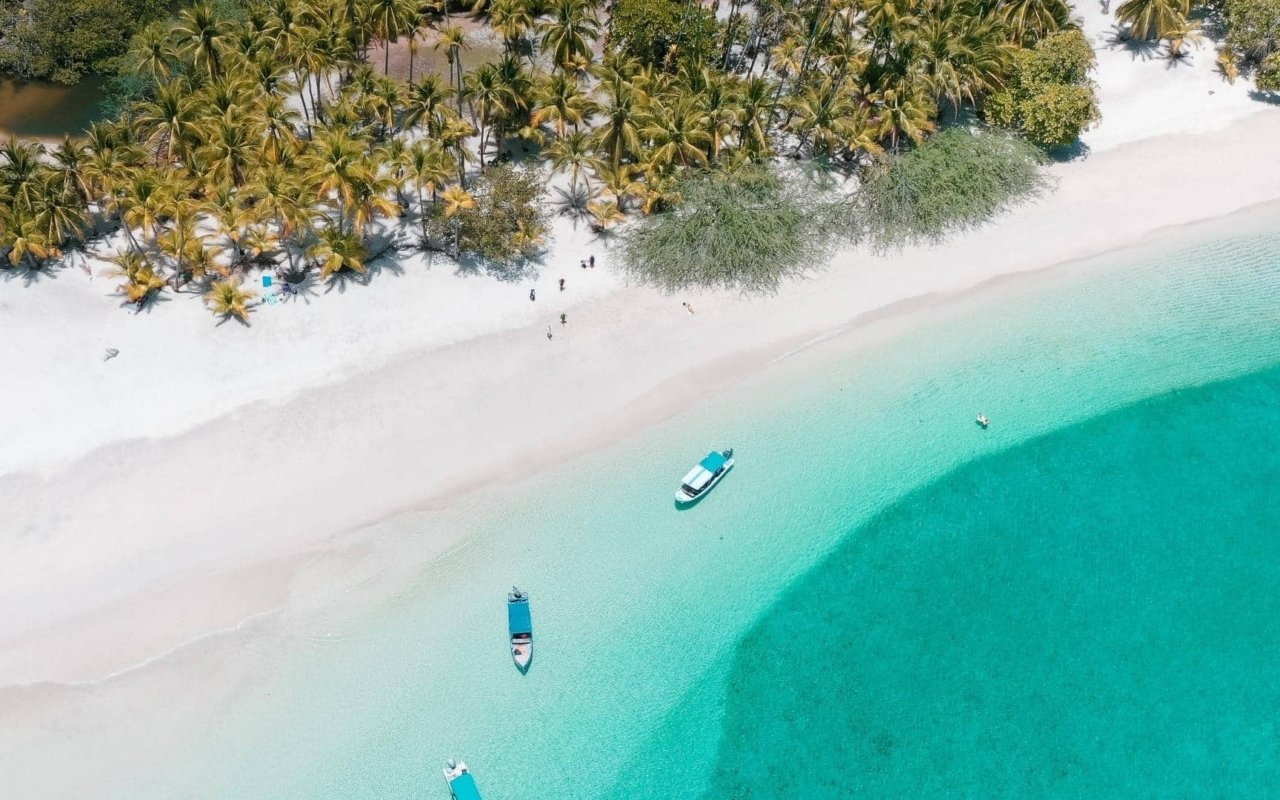
Isla Coiba, a protected natural paradise, the legacy of forced isolation
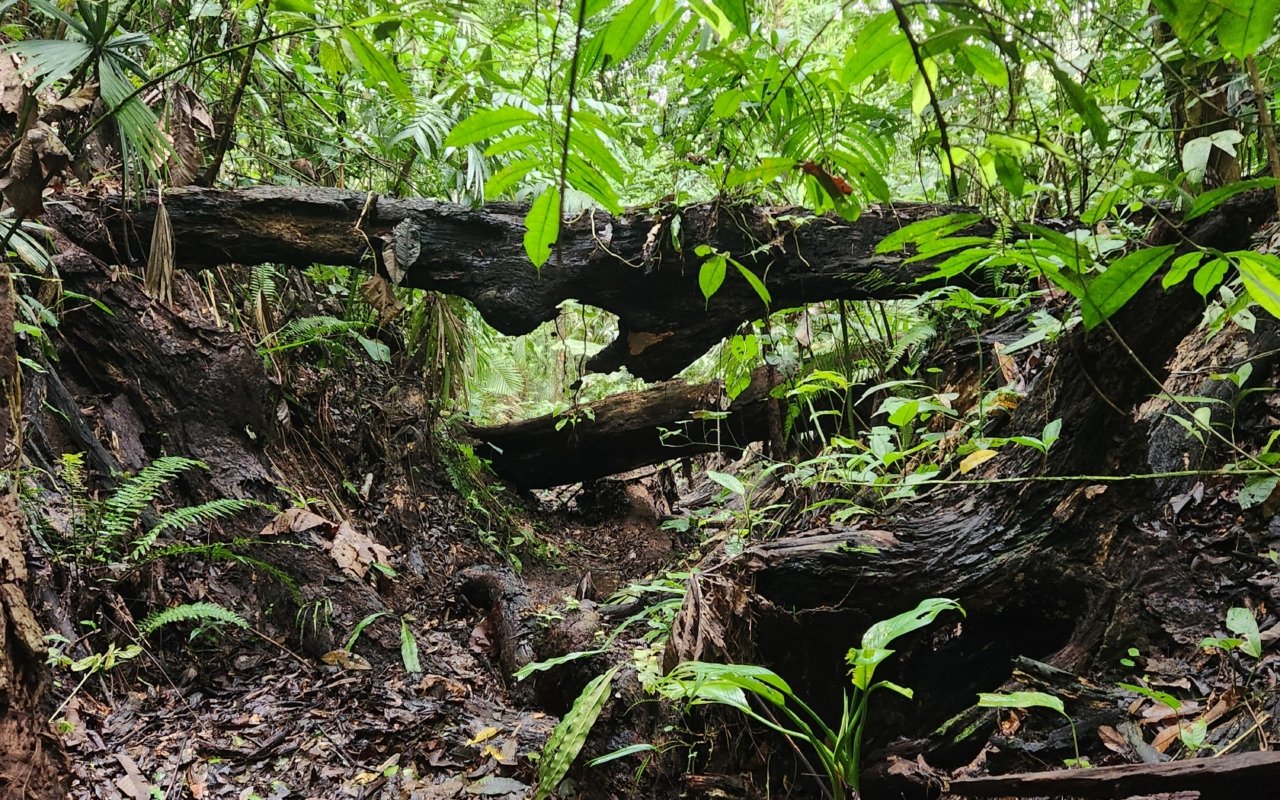
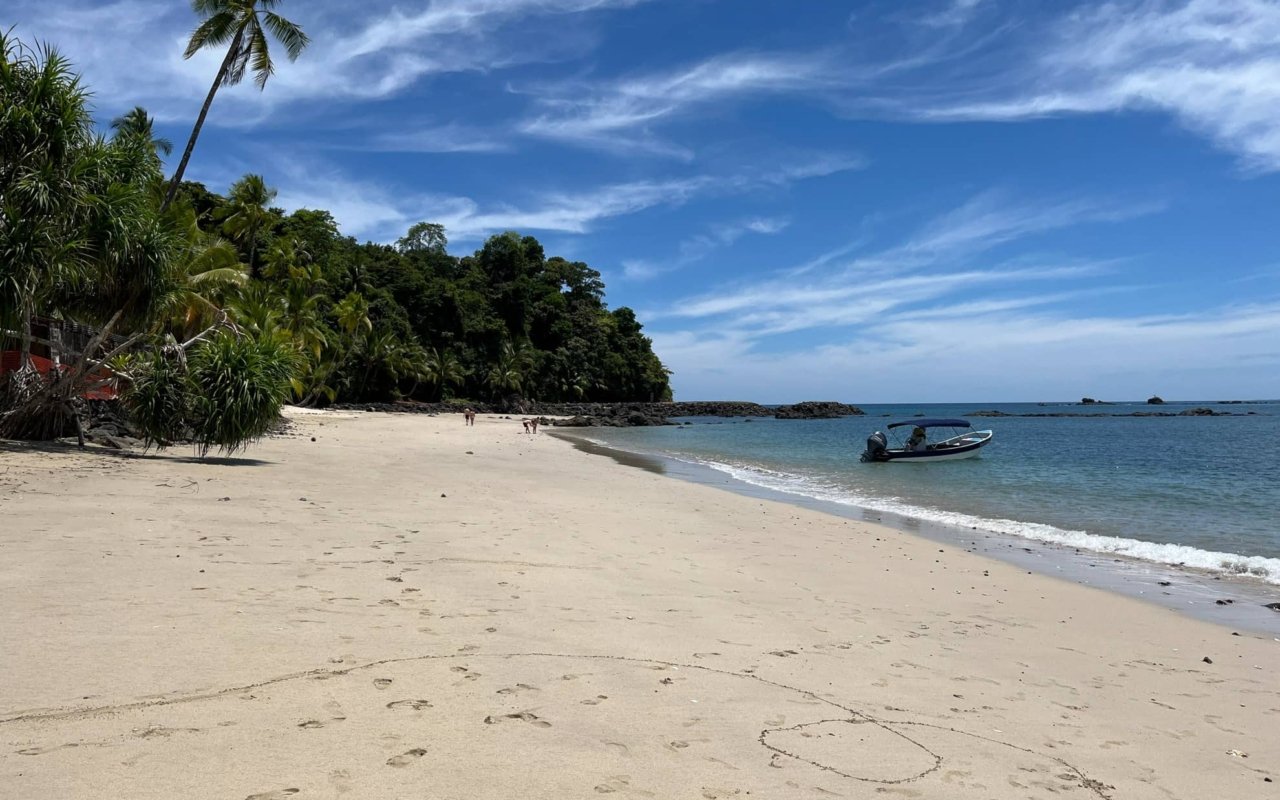
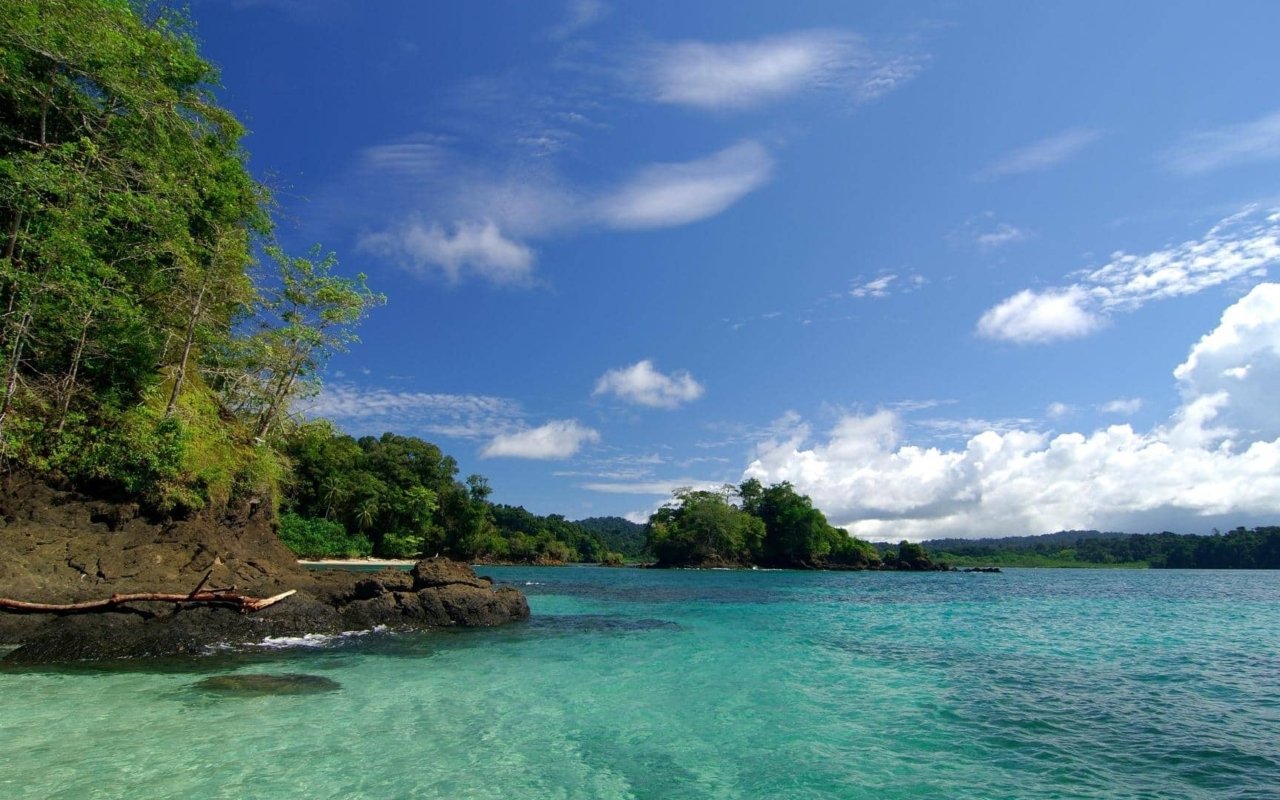
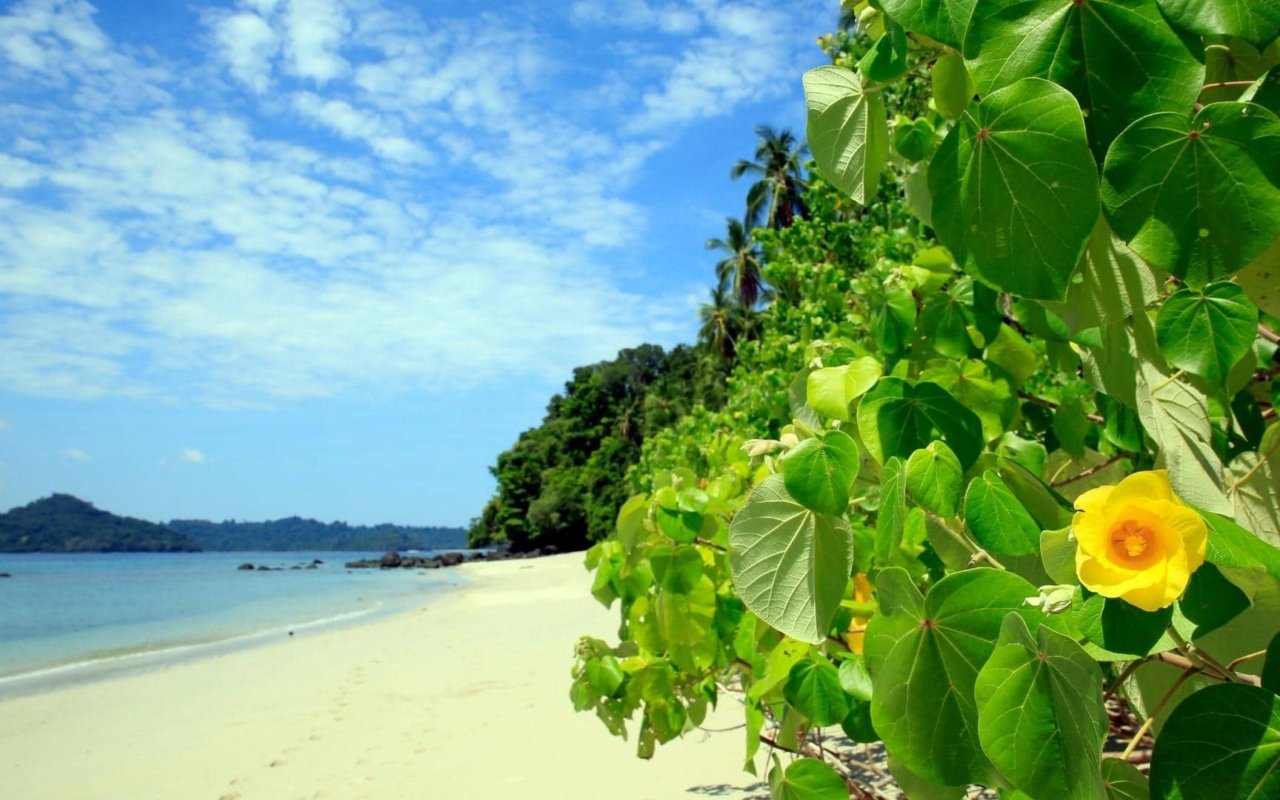
Of volcanic origin, Coiba extends over 503 km², making it the largest island in Panama and the whole of Central America. The surrounding national park covers 270,125 hectares, 216,543 of which are marine areas, protected since 1991. From 1919 to 2004, Coiba was used as a penitentiary. During the dictatorships of Omar Torrijos and Manuel Noriega (1968-1989), the island housed up to 3,000 prisoners in some thirty camps scattered across the territory. The political prisoners, nicknamed “Los Desaparecidos” (the disappeared), were locked up, tortured and even executed. Rumor has it that some bodies were thrown to the sharks, contributing to the island’s sinister reputation. Paradoxically, this forced isolation has allowed nature to flourish without human intervention. Around 80% of Coiba’s forest remains untouched, making it one of the best preserved tropical forests in the Americas
A biological corridor of global importance
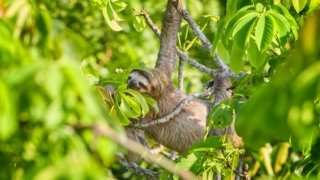
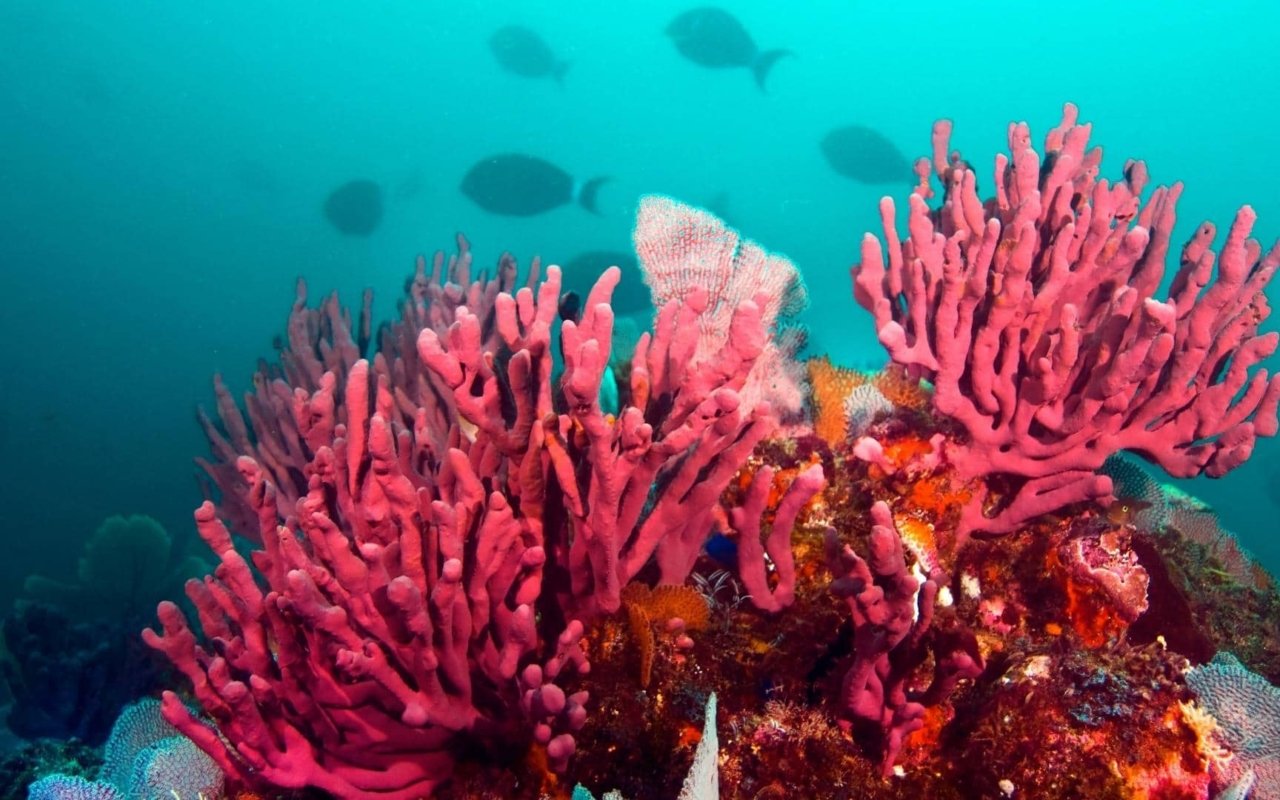
Coiba National Park is part of the Eastern Tropical Pacific Marine Conservation Corridor (CMAR), which links five national parks: Cocos Island in Costa Rica, Coiba in Panama, Malpelo and Gorgona in Colombia, and the Galapagos Islands in Ecuador. Together, these protected areas represent 211 million hectares. The park is surrounded by the second largest coral reef on the American Pacific coast, extending over 135 hectares in Damascus Bay. This barrier is home to 33 species of shark (including hammerhead, whale and whitetip), 20 species of cetacean, and 760 species of marine fish recorded to date. Coiba’s tropical rainforests are home to a wide variety of birds (147 species recorded, including 21 endemics), mammals (36 species) and plants. The island is the last refuge for several endangered species that have all but disappeared from the rest of the country: the harpy eagle, the scarlet macaw (which lives here in large flocks), the Coiba howler monkey (Alouatta coibensis) and the Coiba agouti (Dasyprocta coibae), two endemic mammals.
Snorkeling and scuba diving
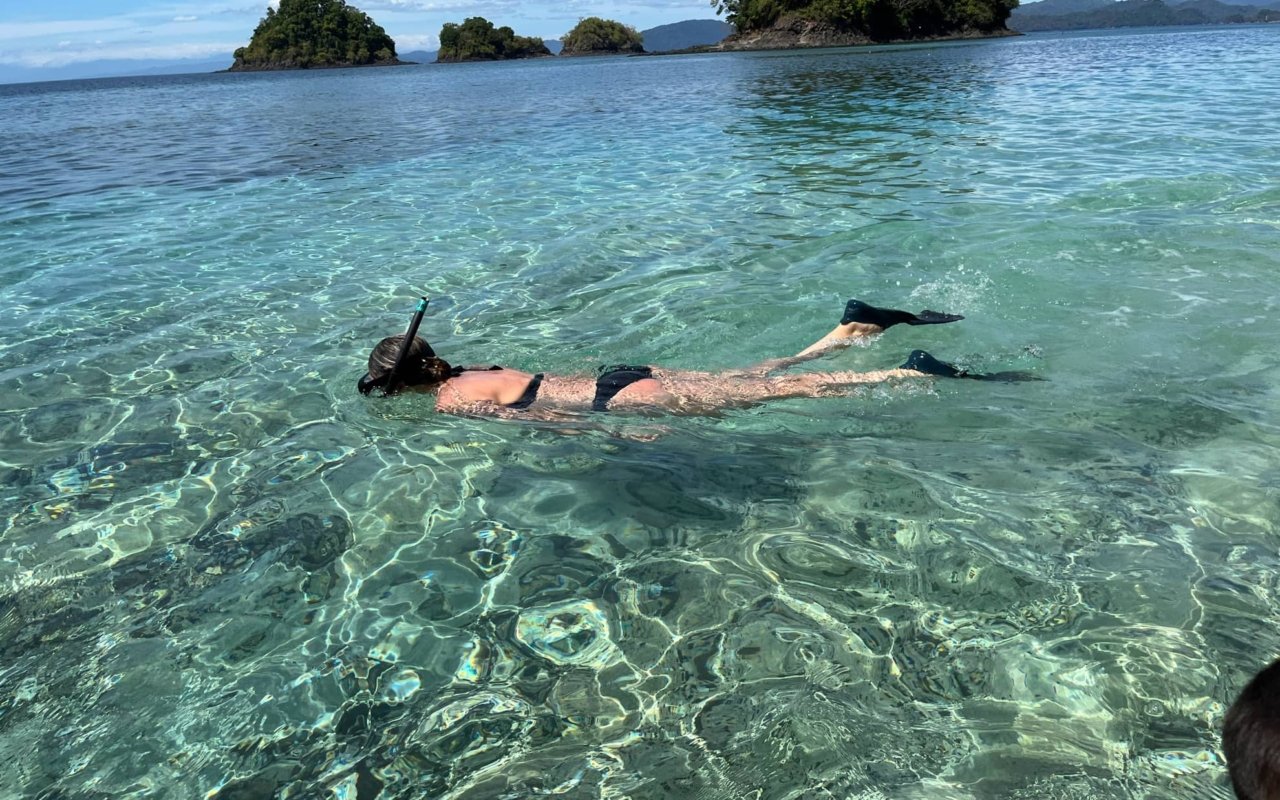
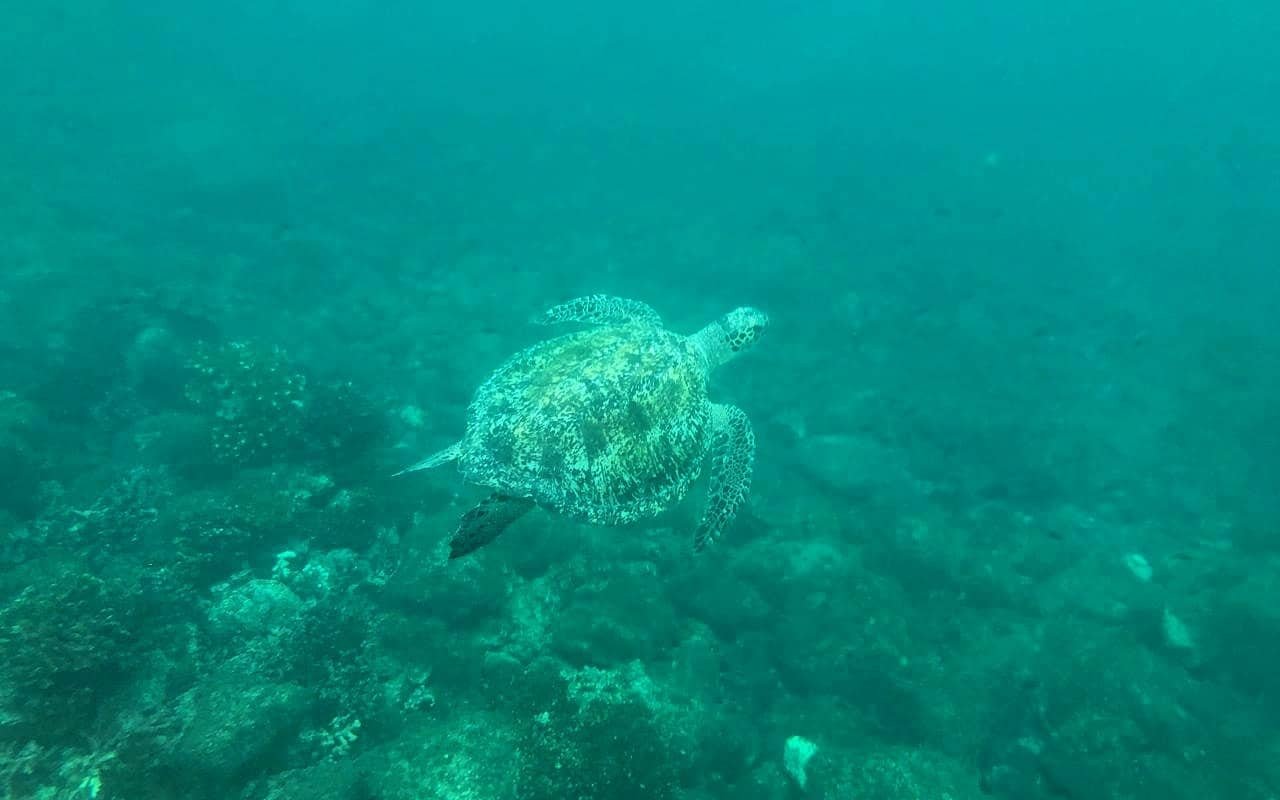
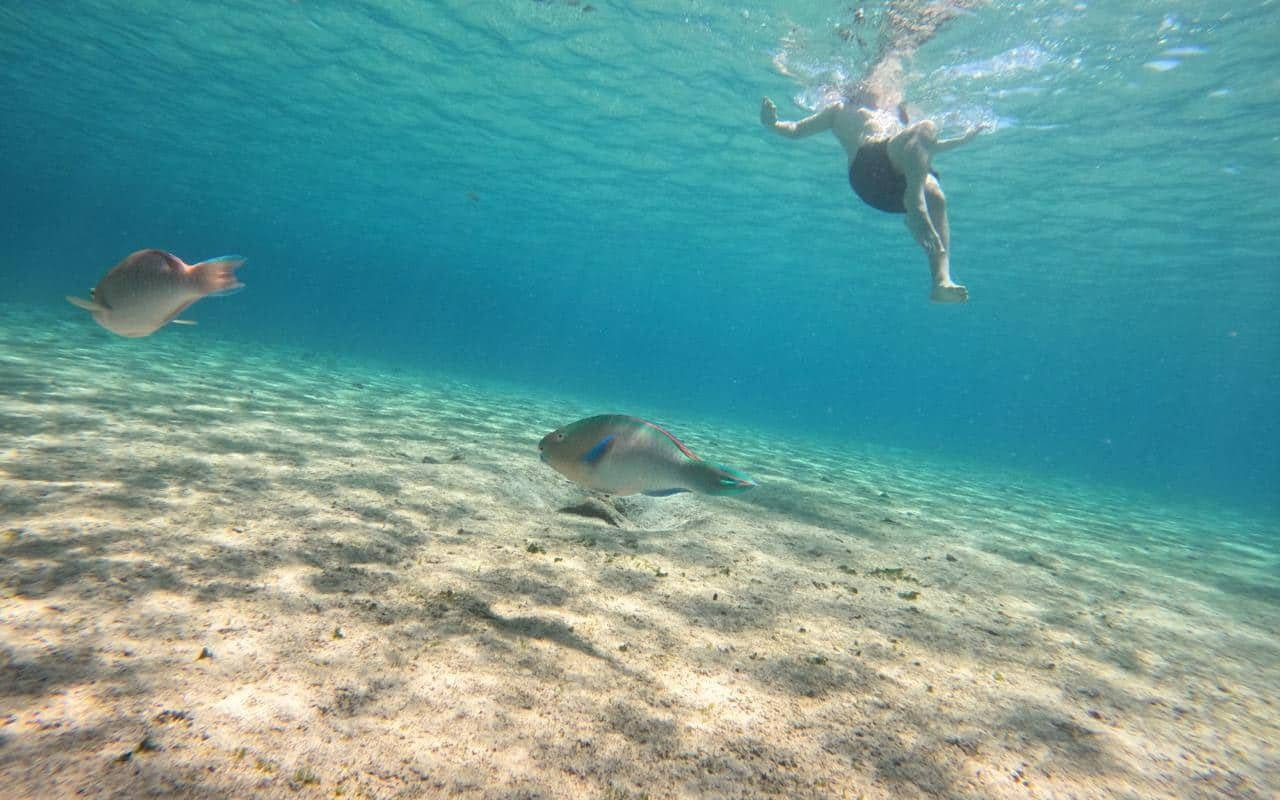
Coiba’s waters offer exceptional visibility and a rare density of marine life. When snorkeling, it’s common to spot sea turtles (loggerhead, leatherback, hawksbill and olive ridley), manta rays, several species of shark and a huge variety of tropical fish.From July to October, the migration of humpback whales transforms the waters of the Gulf of Chiriquí into a breeding ground. The marine park benefits from the Gulf of Chiriquí’s ability to buffer the effects of the El Niño phenomenon, which explains the exceptional preservation of coral reefs and the stability of marine ecosystems.
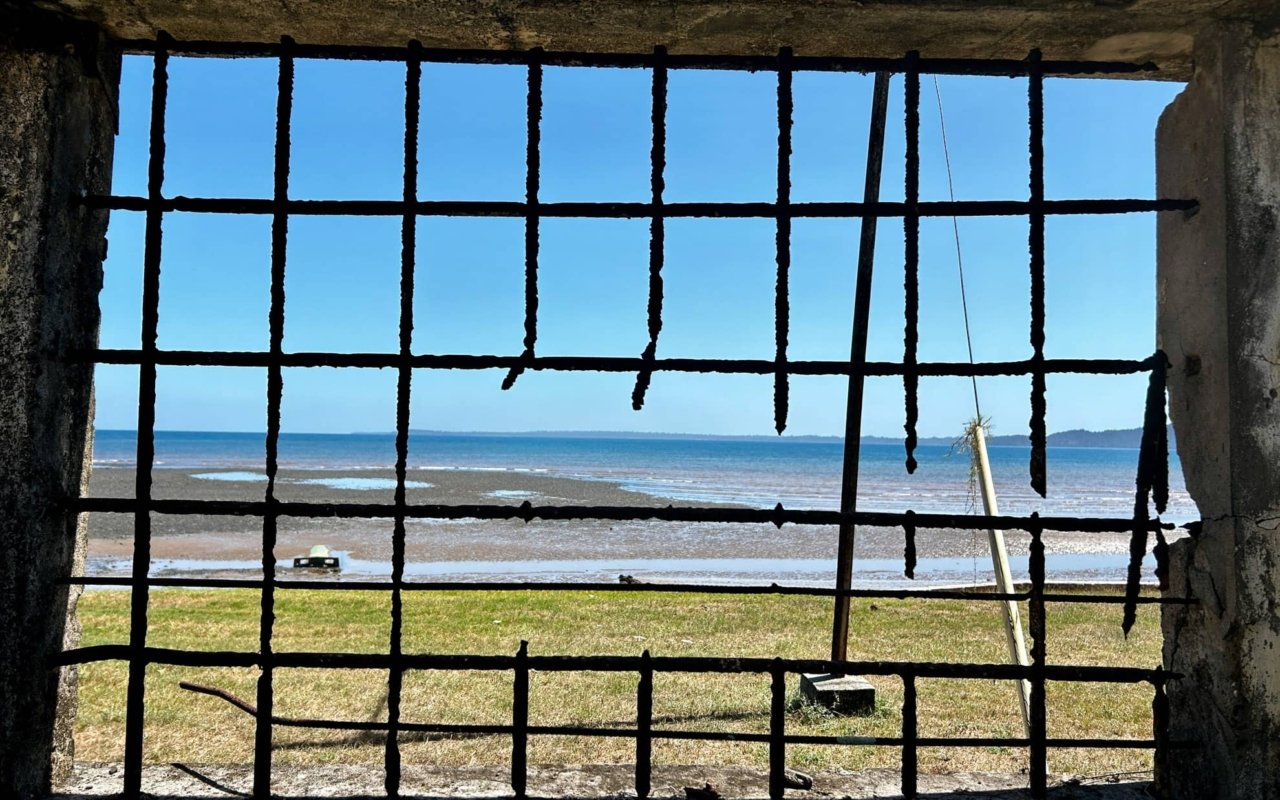
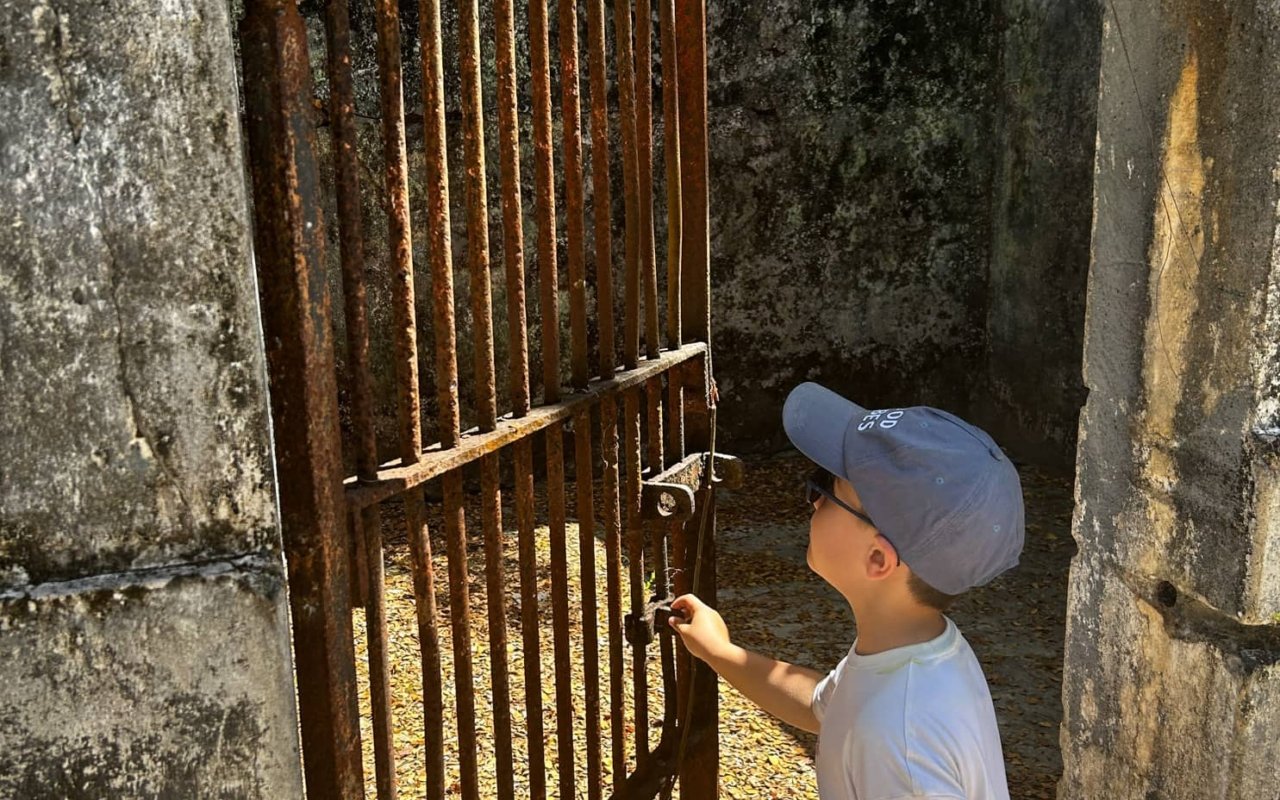
The former Coiba penitentiary
From 1919 to 2004, the island was used as an open-air penitentiary. The waters around Coiba, renowned for their strong currents and the presence of sharks, made escape almost impossible. The most dangerous prisoners were kept in a central compound with a church and a small clinic. The rest of the inmates lived scattered in makeshift camps across the island, cultivating the land to ensure their subsistence. During the dictatorships, prison conditions were particularly harsh. Human Rights Watch reports from 1992 document systematic torture in the prison. Many prisoners are said to have been buried in mass graves discovered during explorations in the 1990’s. Today, it is possible to visit the ruins of the penitentiary with a national park guide. The buildings are slowly decaying, taken over by the jungle and sea air. Only a few marked graves bear witness to the island’s dark past.
Santa Catalina
Santa Catalina is the nearest fishing village to Coiba, around 1h15 by boat. Until about ten years ago, the village was very isolated, with a road from Soná in poor condition. Today, most of the journey from Panama City (around 5h30 to 6h) is asphalted, although the last 20 km from Soná are still on dirt roads. The village has developed with the arrival of surf and diving tourism, and now offers a dozen hotels, restaurants and a few basic services. However, it remains rudimentary: a single ATM often short of cash, few shops accepting credit cards, and frequent power cuts. Two beaches of black volcanic sand flank the village. Playa Santa Catalina (or La Punta) welcomes experienced surfers with powerful waves that can reach 6 to 9 meters between February and August. Playa El Estero, 2 km from the center, offers more accessible waves on a sandy bottom, ideal for beginners and intermediate surfers. Santa Catalina was discovered by surfers in the 1970s, who kept the spot a secret for decades. Today, the village remains laid-back, attracting an international community of surfers, divers and travelers in search of a still-authentic Panama.