Key points to remember
- Climate: humid tropical all year round (25-30°C).
- Seasons: dry season from December to April (ideal for travel); rainy season from May to October.
- Regions: more frequent rainfall on the Caribbean coast than on the Pacific coast.
- Relief: cooler mountainous areas, especially in the interior.
- Geographical location: isthmus between two oceans, which explains the humidity and microclimates.
Panama enjoys a tropical climate all year round, with temperatures ranging from 24°C to 32°C depending on the region. Located in the heart of Central America between the Caribbean Sea and the Pacific Ocean, the country has two distinct seasons: the dry season from mid-December to April, and the rainy season from May to November. Each period offers its own advantages, depending on your travel priorities
Understanding Panama’s climate
The two main seasons
The Panamanian year is divided into two distinct climatic periods. The dry season, known locally as verano (summer), runs from mid-December to mid-April, with little rain and maximum sunshine. The rainy season or invierno (winter), from May to November, brings daily showers, usually concentrated in the late afternoon, lasting 1 to 2 hours, before giving way to sunshine. Unlike other tropical destinations, rain in Panama rarely comes in the form of full gray days. Even at the height of the wet season, mornings are often sunny, making it possible to plan activities early in the day
Significant regional variations
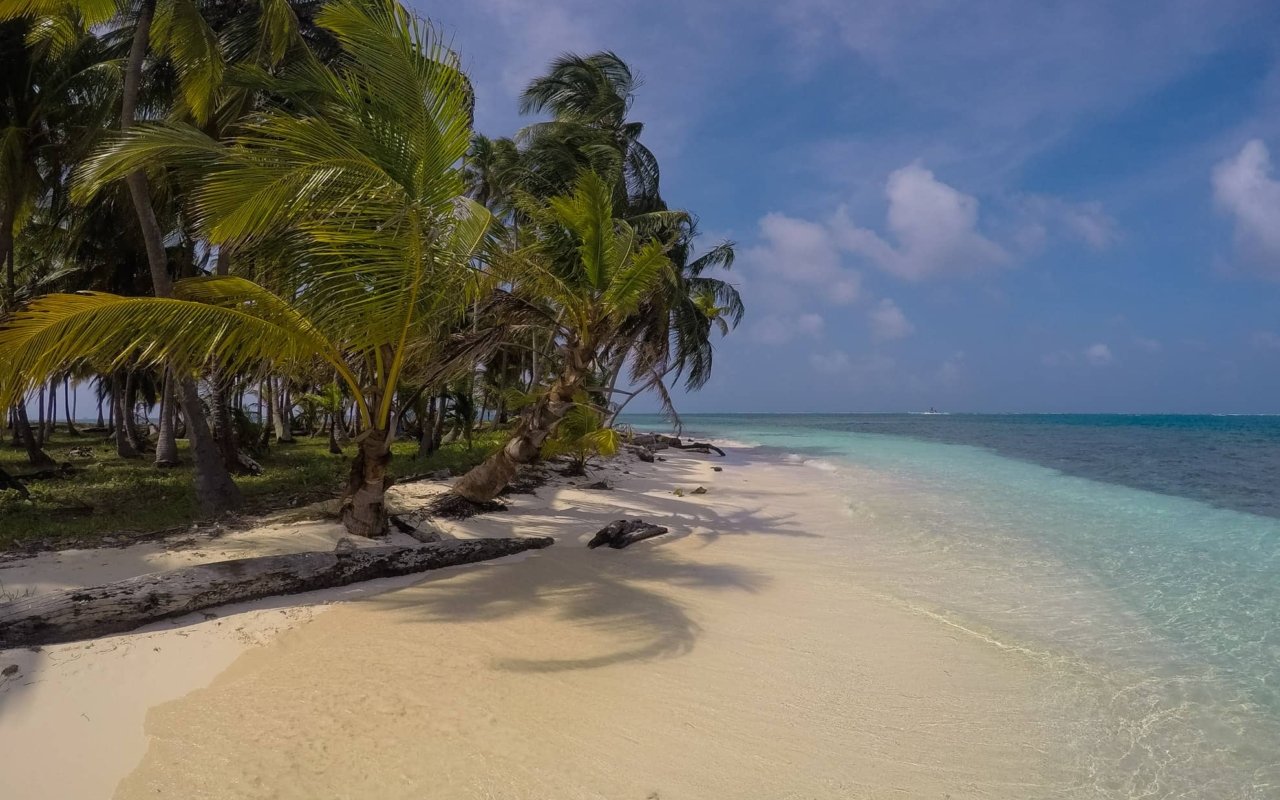
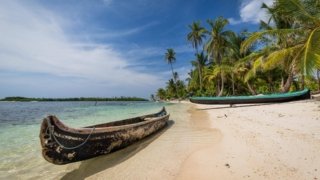
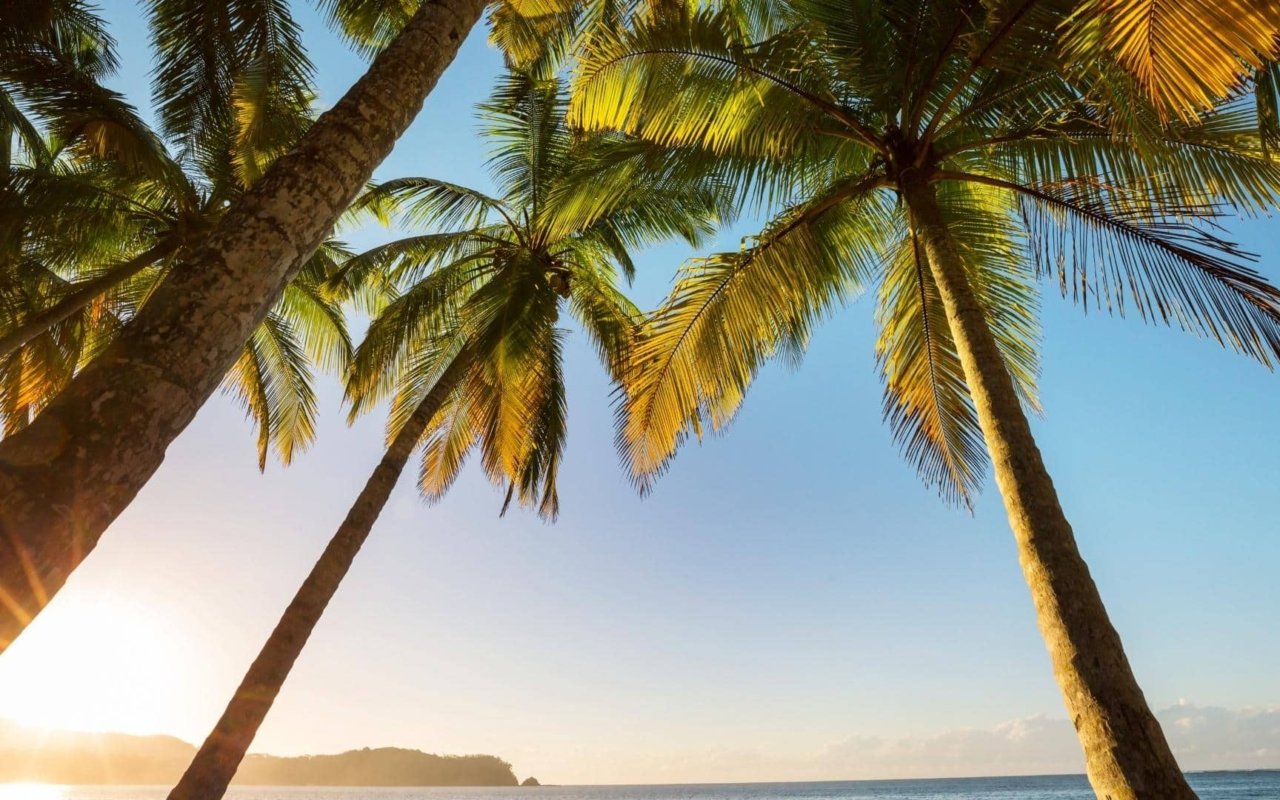
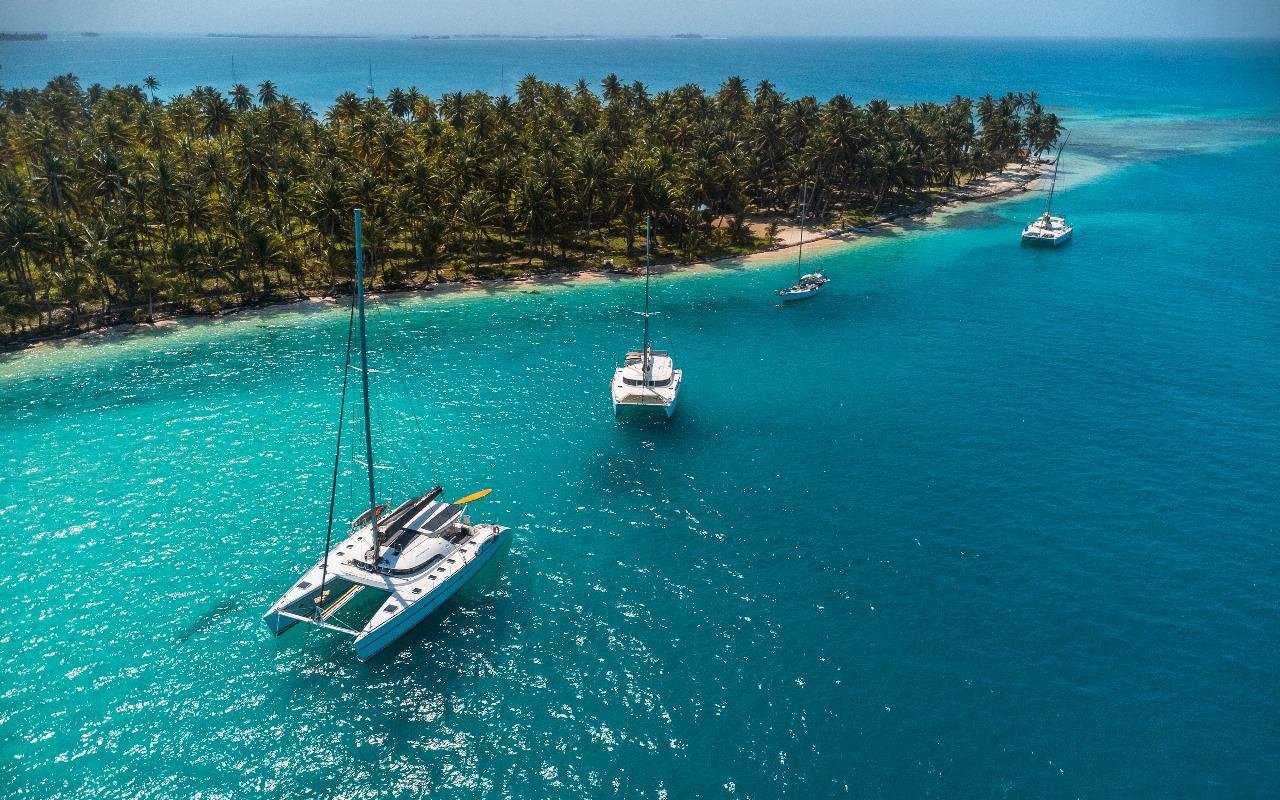
The climate varies considerably according to geography. The coastal plains enjoy high temperatures all year round (28-32°C in Panama City), while mountainous regions such as Boquete, Chiriquí or El Valle enjoy a much cooler climate (10-18°C), dropping as low as 10°C at night. The Caribbean coast generally receives more precipitation than the Pacific side, especially on the highlands. A notable exception: the San Blas islands to the east have a drier microclimate than the rest of the Atlantic coast. The Pacific coast concentrates most of the population and enjoys a more marked dry season.
Average temperatures by region
| Region | Dry season (Dec-April) | Rainy season (May-Nov) | Sea temperature |
|---|---|---|---|
| Panama City (plains) | 31-33°C day / 19-21°C night | 29-31°C day / 23-24°C night | 27-29°C |
| Bocas del Toro (Caribbean) | 27-29°C | 28-30°C | 27-28°C |
| San Blas (islands) | 27-29°C | 28-30°C | 27-29°C |
| Boquete (mountains) | 15-22°C | 14-20°C | – |
| El Valle (mountain) | 16-24°C | 16-22°C | – |
| Azuero Peninsula (Pacific) | 31-34°C | 29-32°C | 27-28°C |
Dry season (mid-December to April): peak tourist season
Optimum climatic conditions
The dry season is the most popular time to visit Panama. From mid-December to the end of April, the country enjoys maximum sunshine, low rainfall and tolerable humidity. Temperatures range from 31°C to 34°C in the lowlands, with nights around 19-21°C. The sea remains warm (27-28°C), ideal for swimming, and occasional showers are brief and dissipate quickly. This period offers the best conditions for exploring the whole country without major weather constraints
Recommended dry-season activities in Panama
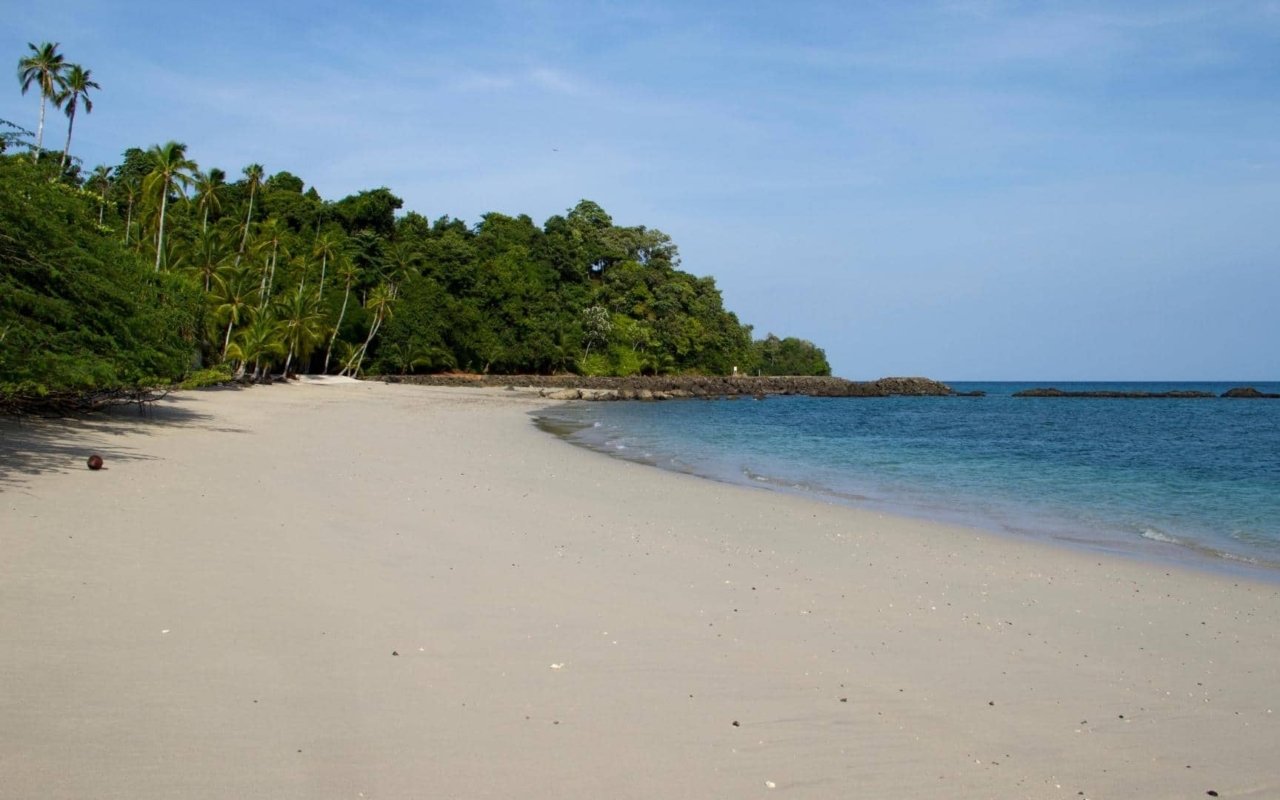
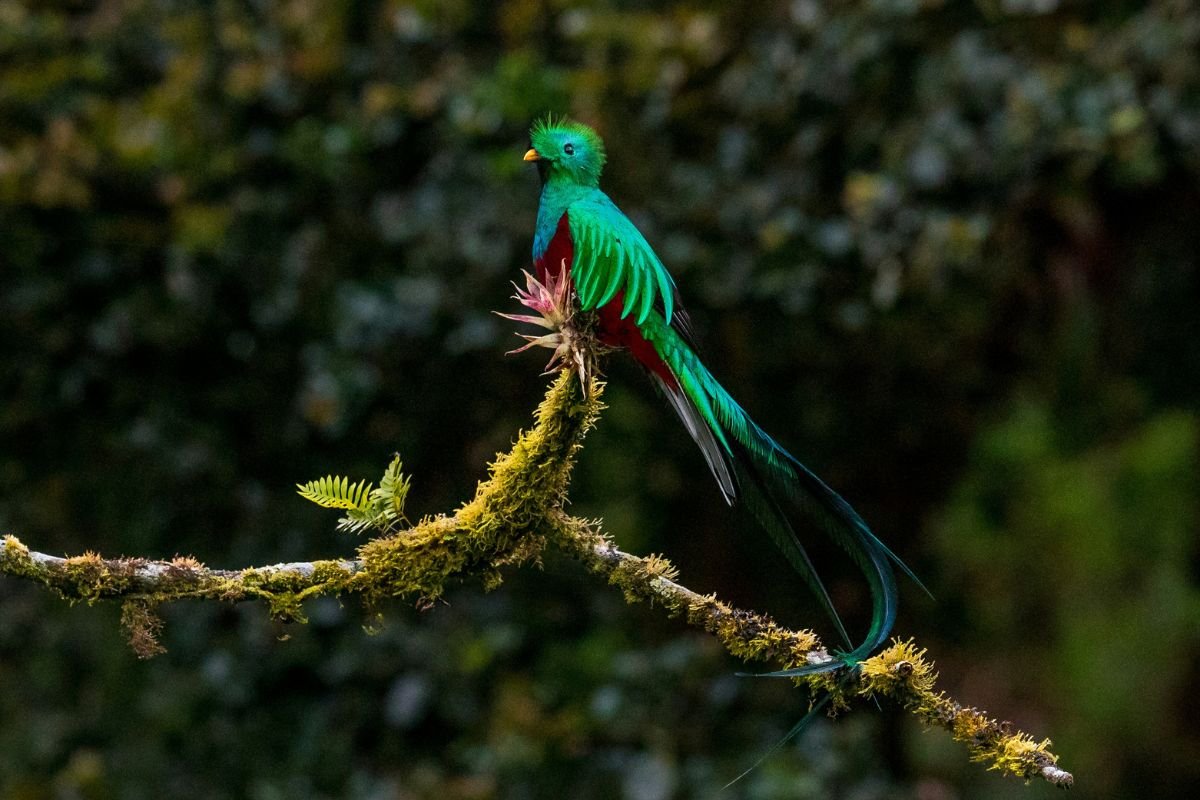
Hiking and trekking: Dry, well-traveled trails make it easy to climb the Barú volcano (3,474 m), hike in the Soberanía National Park, trek the Pipeline Road or explore the Darién. Conditions are optimal for long walks in the forest.Diving and snorkeling: The water offers exceptional visibility (up to 30 meters) around Coiba, Bocas del Toro and Portobelo. This is the ideal time to discover coral reefs, Panama Canal wrecks and marine wildlife. February, March and April are particularly favorable.Beaches and relaxation: The archipelagos of San Blas and Bocas del Toro reveal their finest assets with crystal-clear turquoise waters, pristine white sand and clear skies. Santa Catalina, the Azuero peninsula and the Pacific islands offer perfect conditions for idleness.Surfing: January to April is the best season for surfing on the Caribbean coast. The Pacific also begins to offer good conditions in March-April. Santa Catalina and Playa Venao attract experienced surfers.Wildlife watching: The less humid forests make it easier to observe animals. Birds are particularly active. The resplendent quetzal can be seen in Volcan Barú Park and La Amistad, especially in April-May
Discover Panama’s must-sees during the dry season
Dry season cultural events
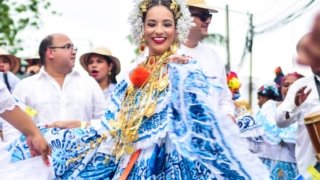
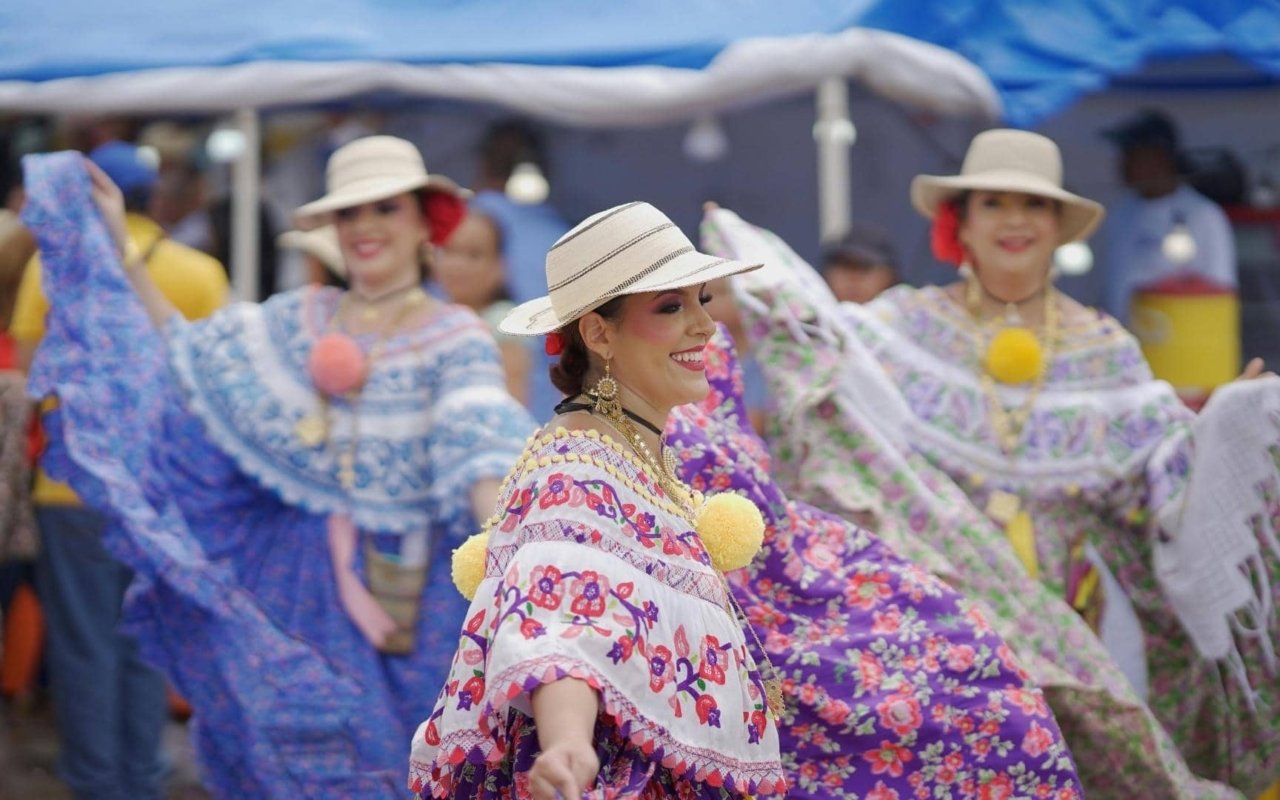
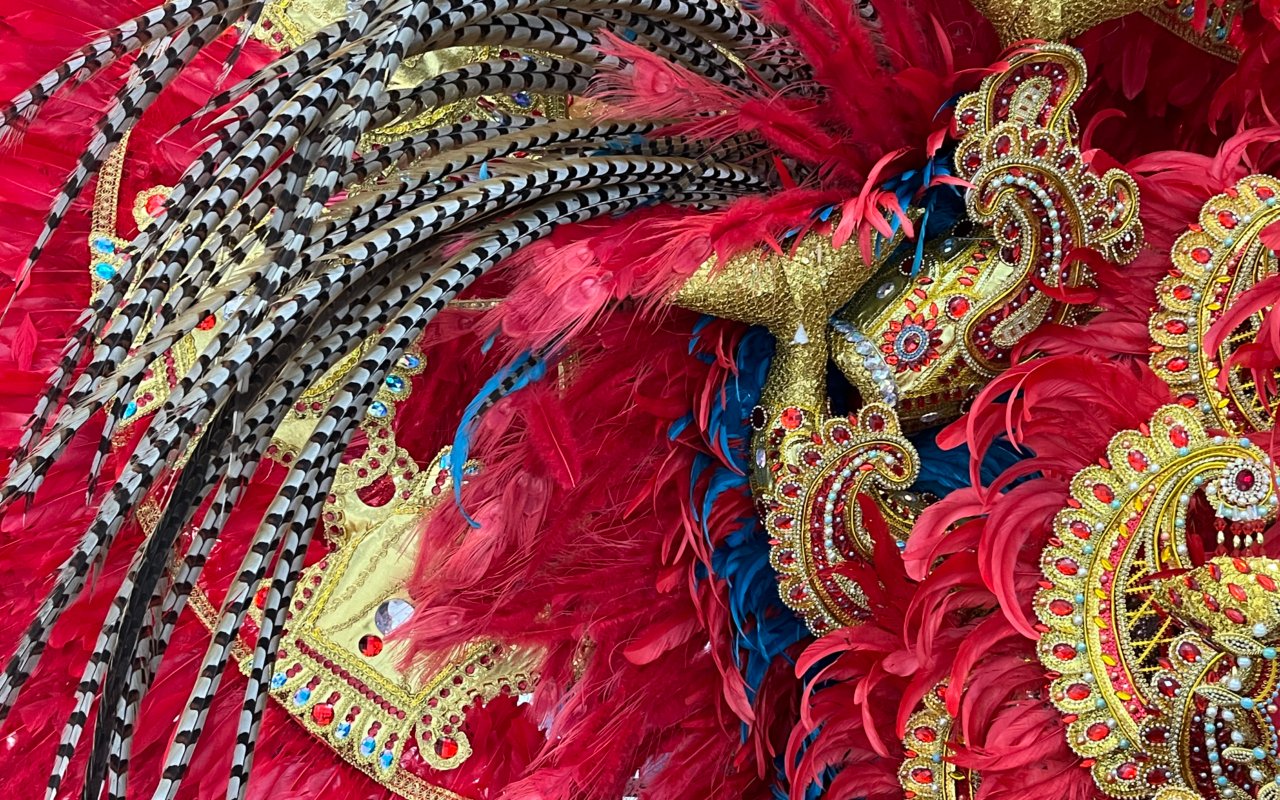
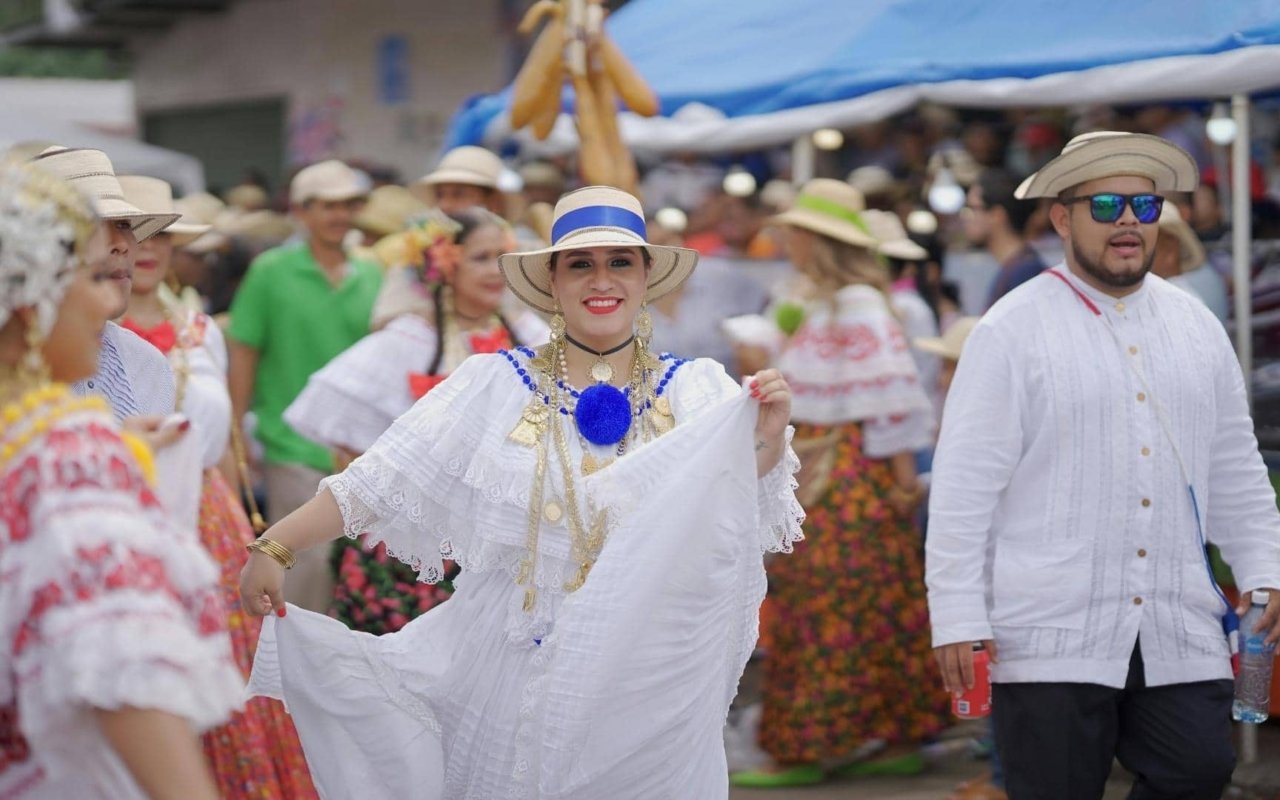
Carnival (February): The Las Tablas festivities on the Azuero peninsula represent Panama’s most spectacular carnival, with the historic rivalry between Calle Arriba and Calle Abajo, traditional hand-embroidered polleras and float parades. Panama City also holds major celebrations. Panama City also organizes major celebrations:Festival de la Pollera (late January): Las Tablas celebrates traditional Panamanian dress at the Desfile de las Mil Polleras, bringing together hundreds of women dressed in costumes that can cost between $1,500 and $15,000.Semana Santa (March-April): A busy period for Panamanians, with religious processions, especially on the Azuero peninsula. The Pacific beaches welcome thousands of local families.
Tourist numbers in Panama during the dry season
The dry season is the tourist peak, with a massive influx of North American and European travelers. Major sites such as the Panama Canal, Bocas del Toro, San Blas and Casco Viejo are very popular. Accommodations are at their most expensive, particularly in February-March, and can be fully booked without advance reservations. To avoid the crowds while enjoying the fine weather, opt for the shoulders of the season: mid-December or late April-early May. Rates are more affordable and sites less saturated.
Rainy season (May to November): the green season
Weather and landscape
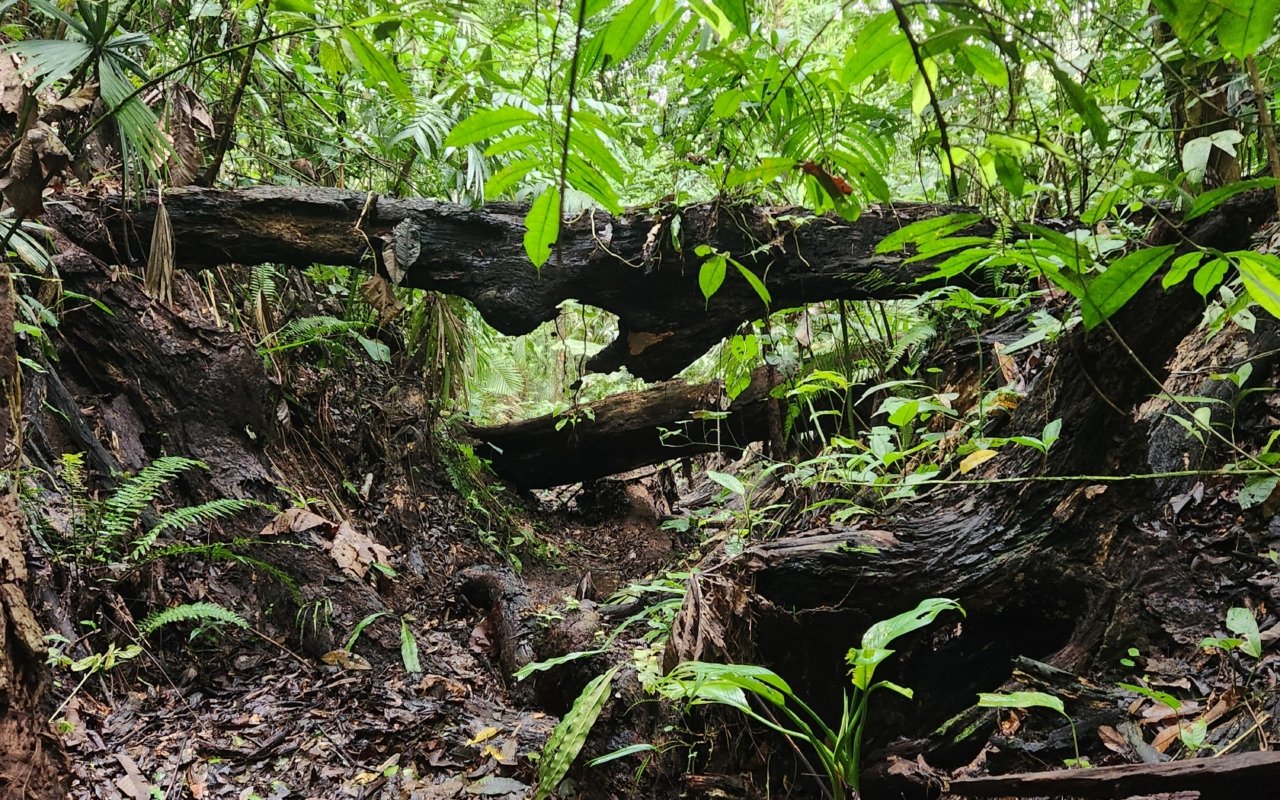
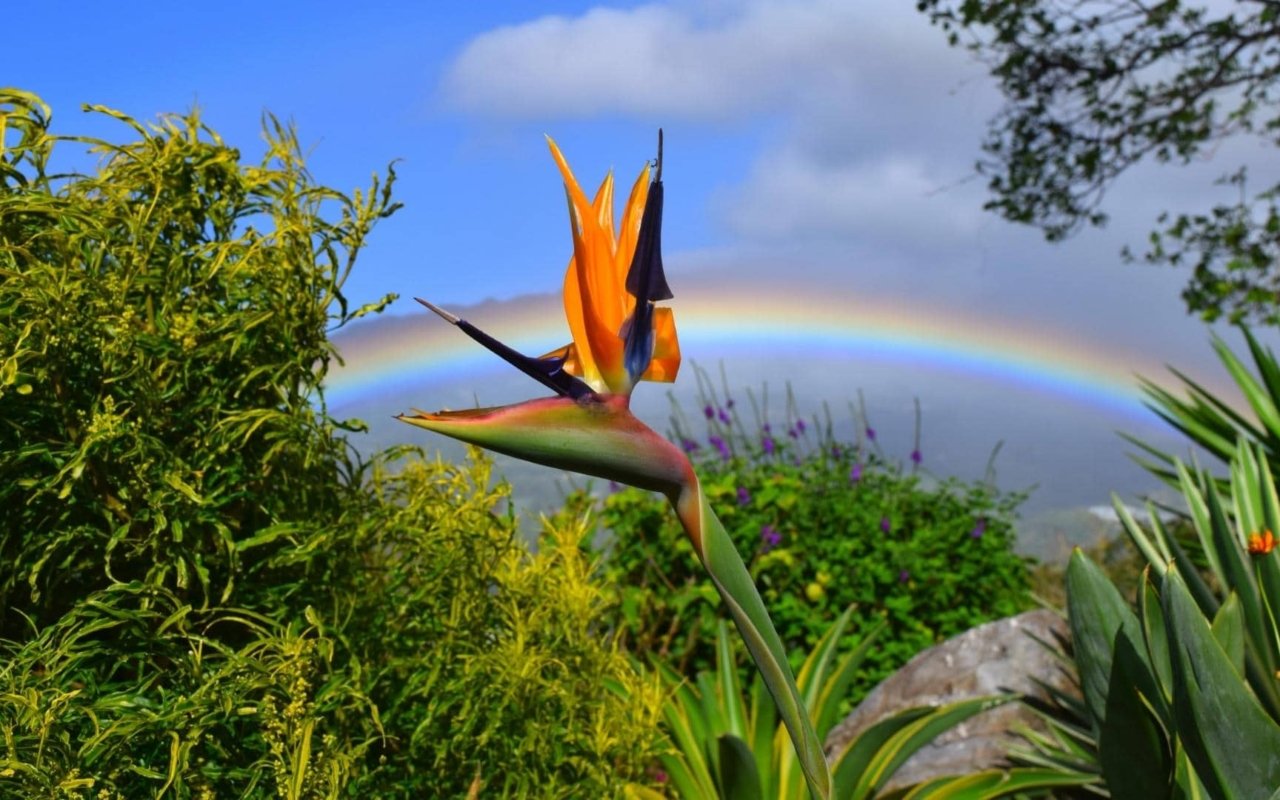
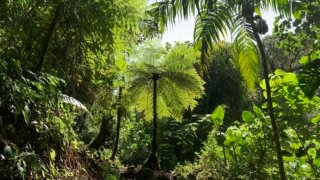
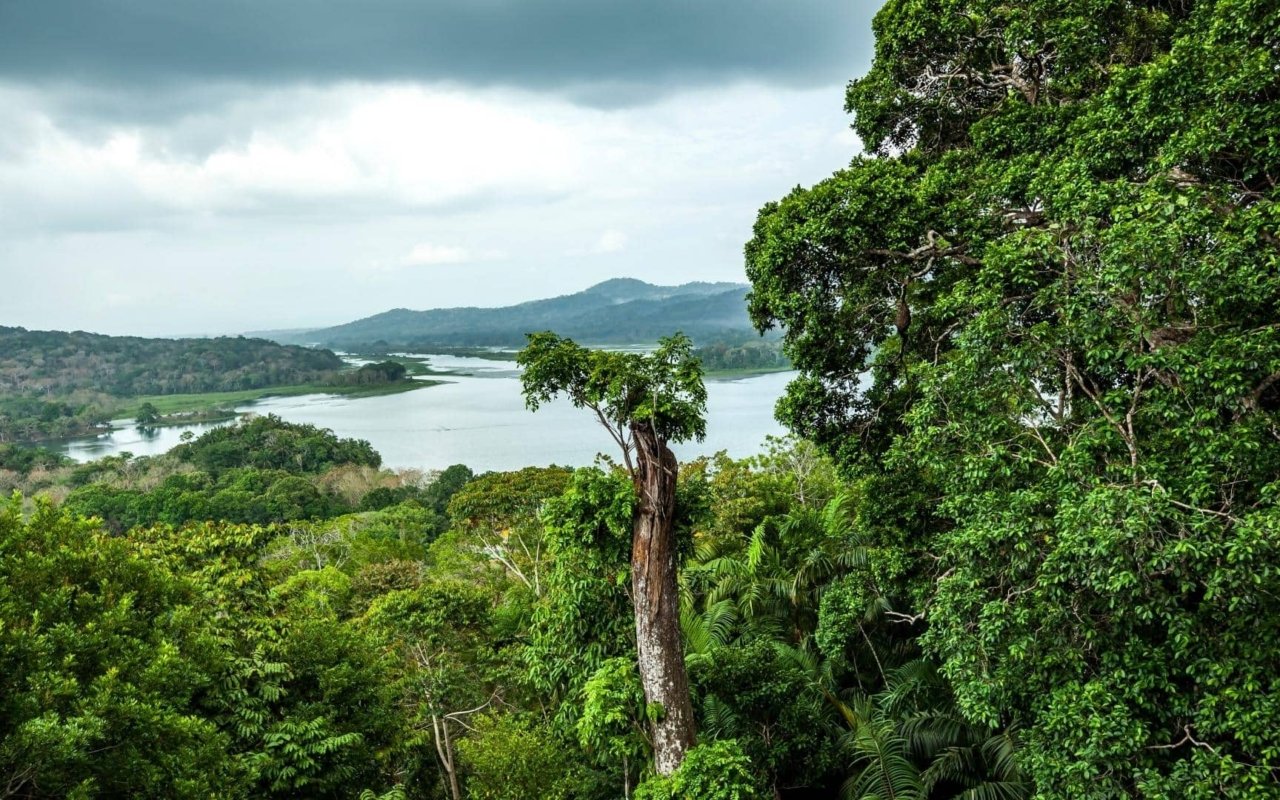
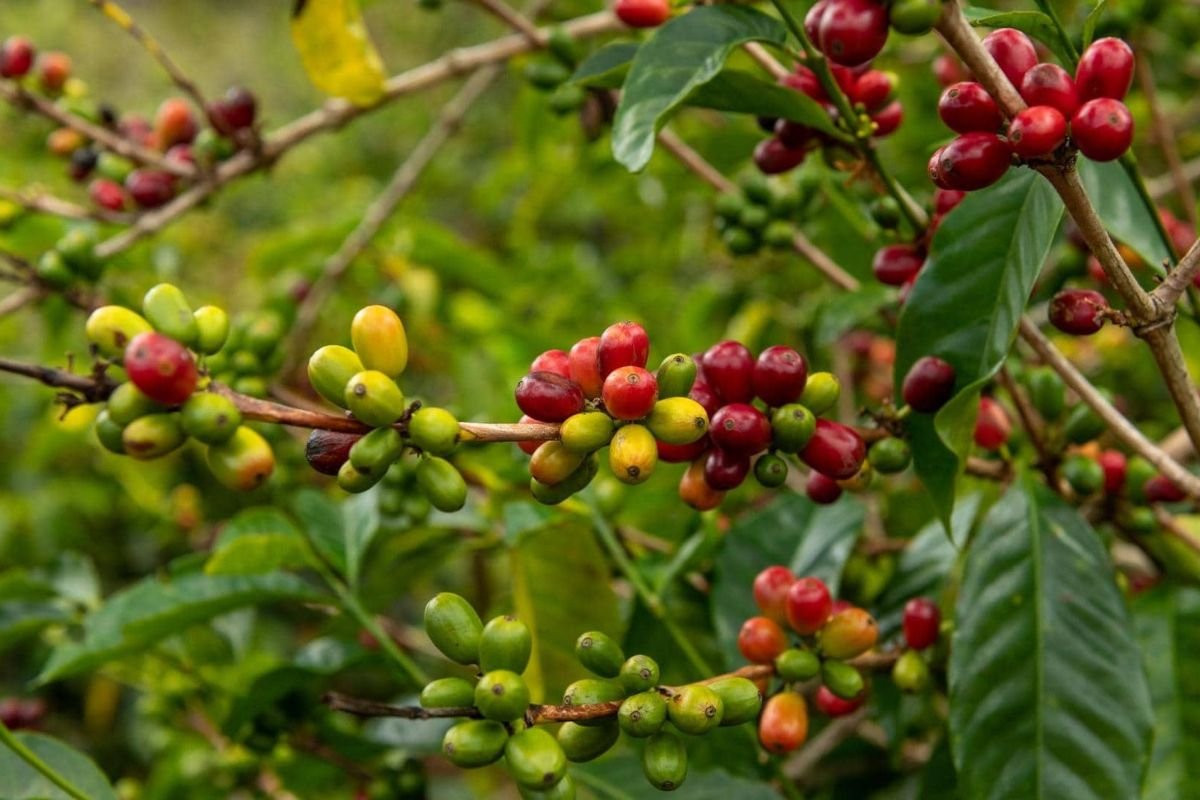
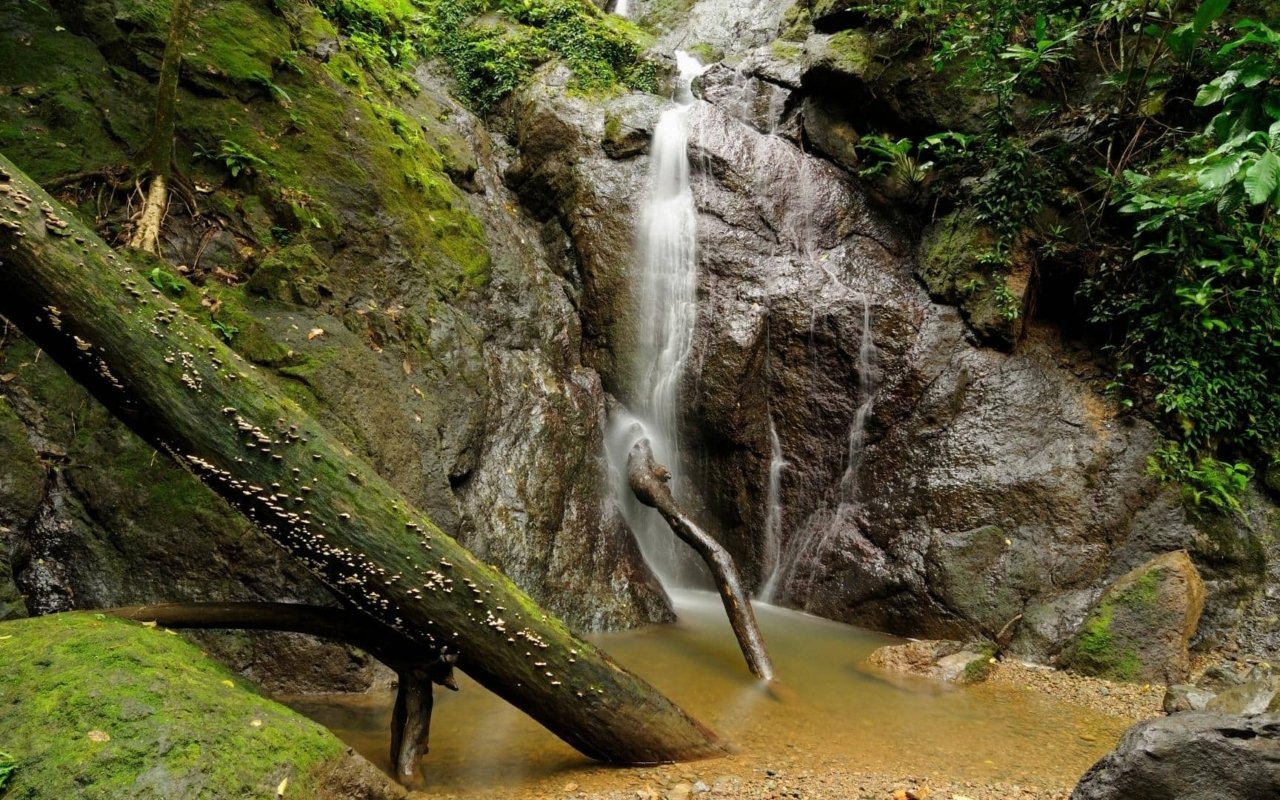
The rainy season transforms Panama into a lush tropical garden. Rainfall occurs mainly in the afternoon and early evening in the form of intense but brief showers (1-2 hours), giving way to sunshine in the morning. Temperatures remain high (29-31°C), with higher humidity creating a muggy atmosphere. May and June sometimes see heavier rainfall, which can cause localized flooding and make certain tracks difficult to access, particularly in the Darién. July and August generally offer a relative respite with less rainfall, nicknamed veranillo (little summer). September to November represent the peak of the wet season, when the scenery becomes spectacular: lush green forests, swollen waterfalls, tumultuous rivers and abundant tropical flowers. Vegetation reaches its peak of beauty
Discover Panama during the green season with this nature tour
Special features of the Caribbean coast
The Caribbean coast, particularly Bocas del Toro, has an inverted microclimate, with its driest period in September, October and November. This is the ideal time to enjoy this archipelago without excessive rain, while avoiding the crowds of the high season
Preferred rainy-season activities
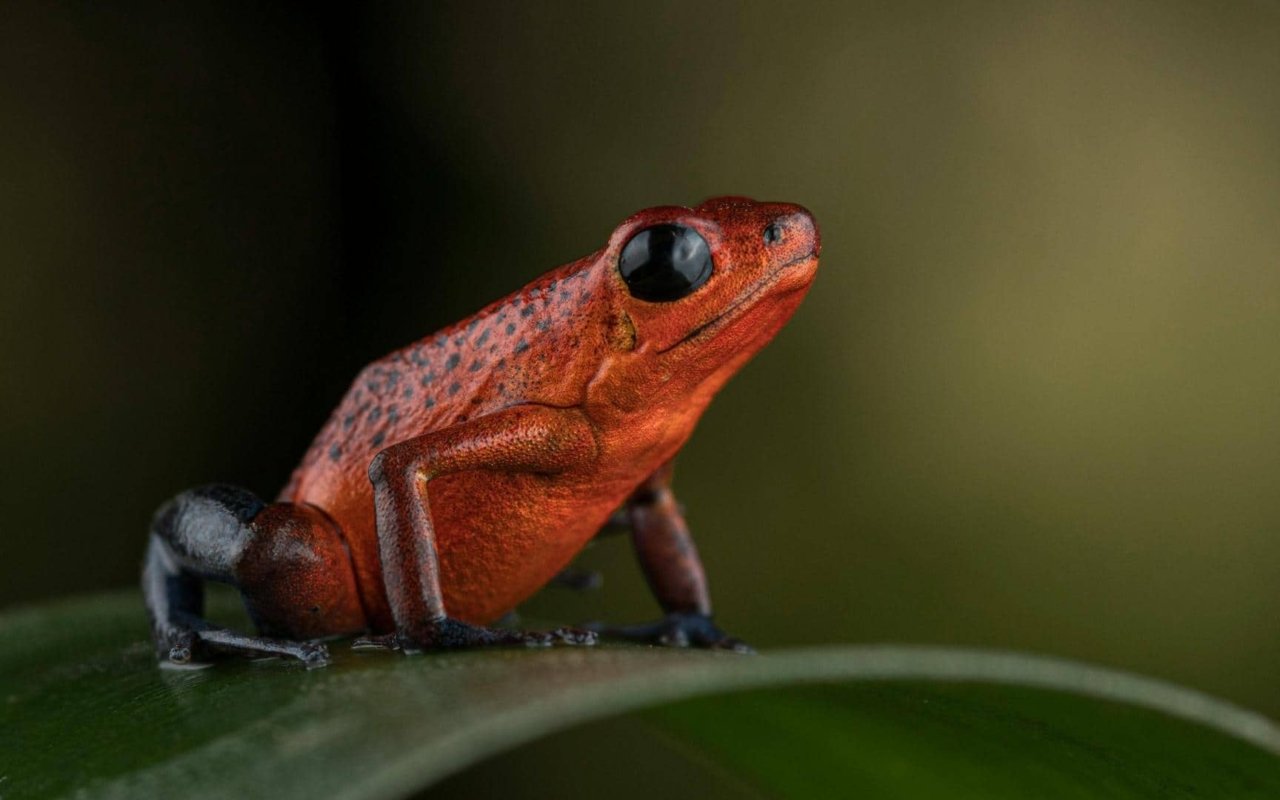
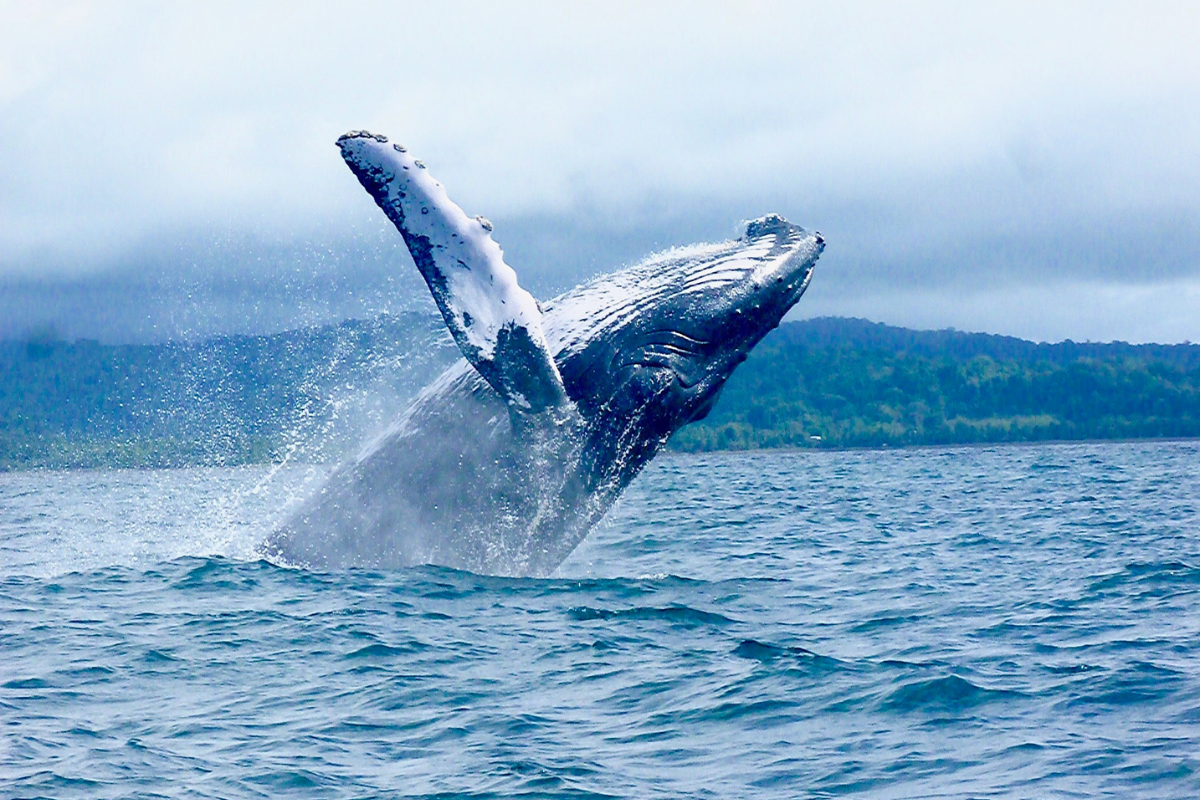
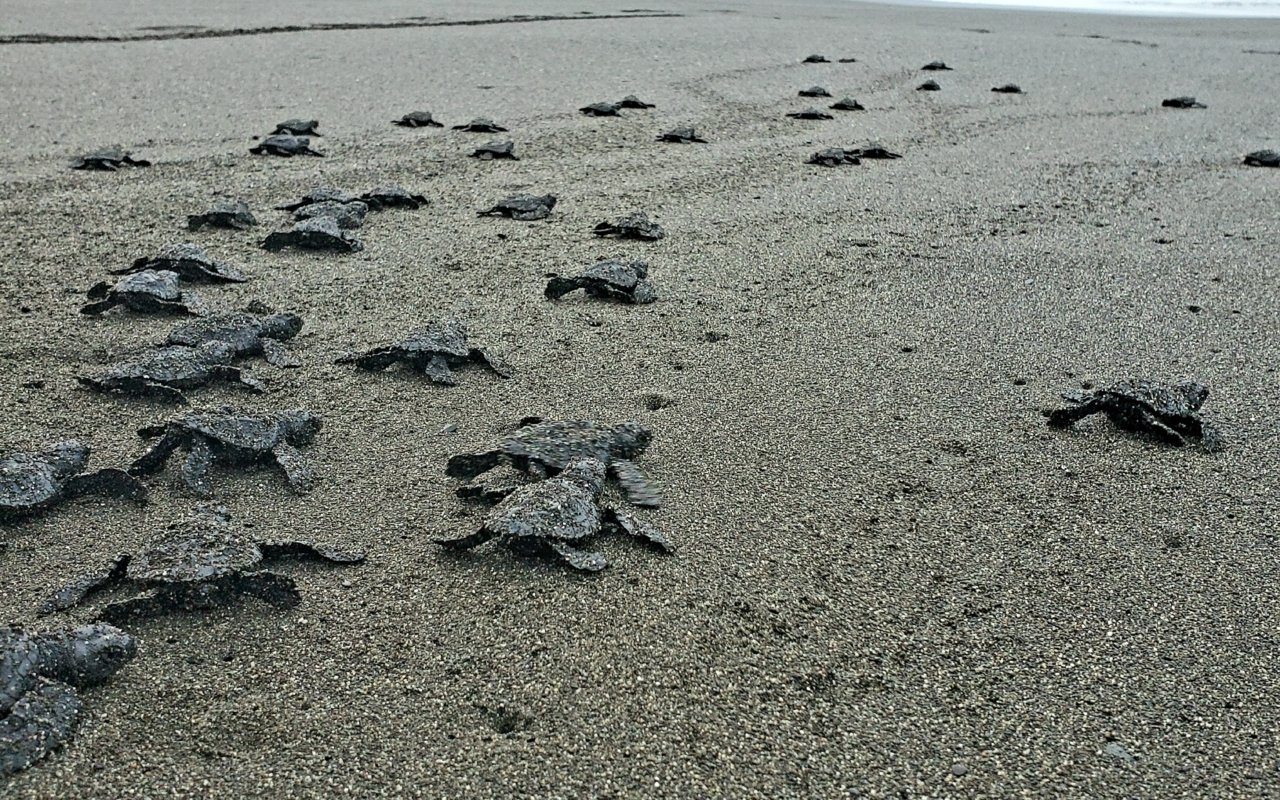
Whale watching (July to October): The Panamanian Pacific is home to humpback whales migrating from the southern hemisphere to breed and give birth. Excursions from Taboga Island, the Gulf of Chiriquí, Coiba or the Azuero Peninsula offer spectacular encounters with these marine giants. Panama and Costa Rica are the only countries in the world where whales from both hemispheres converge. Sea turtle egg-laying (July to December): Five species of turtle come to lay their eggs on Panamanian beaches. Isla Cañas on the Azuero peninsula, Playa Cambutal and certain beaches of Bocas del Toro organize supervised night-time observations. Leatherback turtles, the largest sea turtles in the world, breed mainly on the Caribbean coast. Quetzal watching (April-May): The mythical bird of the Americas nests in mountain cloud forests during this period. The Sendero Los Quetzales between Boquete and Cerro Punta offers the best chances of observation.Ornitology and fauna: The rainy season activates the reproduction of many species. The forests are teeming with life: multicolored frogs (including the golden frogs of El Valle), butterflies, howler monkeys, sloths and hundreds of bird species. Pipeline Road in Soberanía remains accessible and very productive.Pacific surfing: May to December is the best season for surfing on the Pacific coast. Santa Catalina, Playa Venao and Cambutal receive powerful swells with waves of up to 6 meters.White-water sports: Rain-swollen rivers offer excellent conditions for rafting and kayaking, particularly on the Río Chagres and in Chiriquí province.
Why go to Panama during the green season?
This period offers several major advantages. The number of tourists drops considerably, allowing you to visit sites in complete tranquillity and enjoy more authentic experiences in contact with local populations. Accommodation rates drop by 20 to 40%, flights are cheaper, and sunny mornings allow you to plan hikes, cultural visits and activities before the afternoon showers. Nature explodes in all its splendor, with exceptional photogenic qualities.
Choose your period according to your priorities
For optimum weather conditions: December to April
If you’re looking for guaranteed sunshine, warmth without excessive humidity and the opportunity to explore the whole country without restraint, the dry season is a must. Ideal for first-time visitors to Panama, multi-destination tours, families with young children and those wishing to maximize their visiting time
To avoid crowds and save money: May to November
Flexible travelers will appreciate the tranquility of the rainy season, with deserted sites, low fares and authentic interactions. Prefer July-August or September-November (Caribbean coast) for a better balance between rain and sunshine
For wildlife watching: July to October
Nature lovers will prefer this period to observe whales, sea turtles, nesting birds and forest biodiversity at its most active. Showers become a mere detail in the face of natural spectacles
For culture and festivals: February-March
The Las Tablas carnival, the pollera parades and the festive atmosphere make February-March a culturally rich period. Book well in advance and watch out for high prices
Surfing: by coast
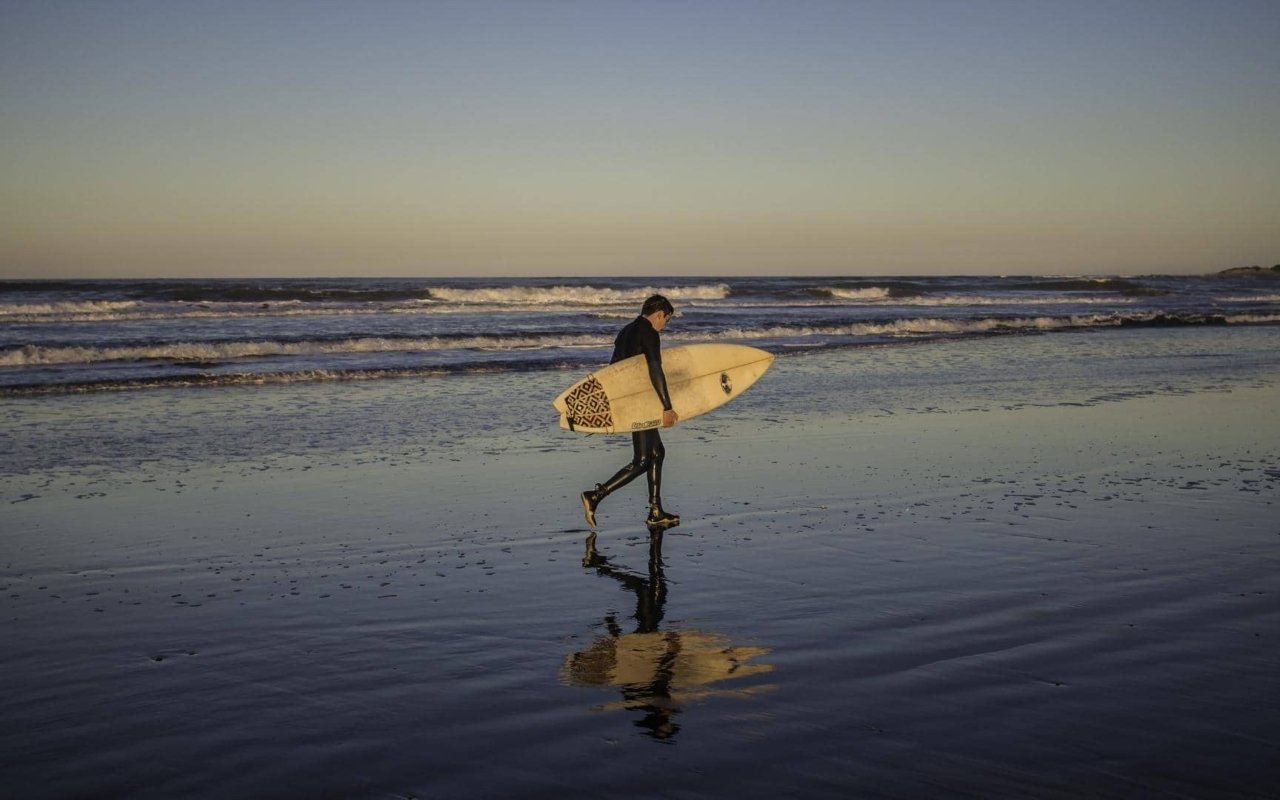
Caribbean coast (Bocas del Toro, Isla Colón): January to April. Pacific coast (Santa Catalina, Playa Venao, Cambutal): May to December, with the best swells from July to October
Diving: year-round with nuances
Diving in Panama is possible all year round. The best visibility conditions are found in the dry season (December-April) around Coiba and Bocas del Toro. February, March, May, September and October offer an excellent compromise between visibility and marine activity.
Monthly summary table
| Month | Season | Conditions | Highlights | Attendance |
|---|---|---|---|---|
| January | Dry | Sunny, 31-33°C, little rain | Beaches, hiking, diving, Desfile Mil Polleras | High |
| February | Dry | Very dry, 32-34°C, minimal rain | Carnival, maximum diving visibility | Very high |
| March | Dry | Hot and dry, 33-34°C | Holy Week, all activities, Caribbean surfing | Very high |
| April | Transition | End of dry season, 32-33°C, early rains | Quetzal, last dry days, fewer crowds | Medium-high |
| May | Rains | Afternoon showers, 30-31°C, humid | Quetzal, greenery, low prices, Pacific surf | Low |
| June | Rain | Steady rain, 29-30°C | Lush forests, wildlife watching | Low |
| July | Rain (veranillo) | Relative respite, 29-31°C | Whales, turtles, Pacific surf, dry Bocas | Medium |
| August | Rain | Daily showers, 30-31°C | Whales, turtles, active fauna, attractive rates | Low |
| September | Rain | Heavy rains Pacific, 29-31°C | Dry Bocas, whales, wildlife observation | Very light |
| October | Rain | Peak rainfall, 29-30°C, very wet | Whales, Cristo Negro Portobelo (Oct 21), dry Bocas | Very light |
| November | Transition | Decreasing rain, 29-31°C | Bocas ideal, low prices, Fiestas Patrias, turtles | Low |
| December | Dry start | Gradual improvement, 30-32°C | End of year festivities, improving conditions, early crowds | Medium-high |
Practical tips for planning your trip
How long should I plan my first trip to Panama?
Less than 10 days: Concentrate on Panama City and its immediate surroundings. Visit the UNESCO-listed Casco Viejo, cross the Panama Canal at the Miraflores locks, explore the Metropolitan Park, spend a day in Soberanía Park or meet an Emberá community on the Río Chagres. Add a return flight to San Blas (2-3 days) or Bocas del Toro.10 to 14 days is the ideal length for a well-balanced tour combining several regions. Example: Panama City (2-3 days) → Bocas del Toro (3 days) → Boquete (2 days) → San Blas (2-3 days) → return to the capital. Use domestic flights to optimize time. Also possible to include the Azuero or Santa Catalina peninsulas.15 days and more: Allows you to explore Panama in depth at a relaxed pace, or create a multi-country combination. Cross Panama from north to south on a self-drive tour to discover the authentic interior. Or a combination of Panama-Costa Rica, Panama-Colombia or Guatemala-Nicaragua-Costa Rica-Panama tour, with a change of local agencies at each border for optimum support.
In a nutshell: when to go to Panama?
Panama can be visited all year round, with different experiences depending on the season. The optimum time for a first trip is from mid-December to April, with a dry, sunny climate and ideal conditions for all kinds of activities. February and March are the peak months for tourism and prices, while flexible travelers and nature enthusiasts will enjoy whale and turtle watching from July to October, taking advantage of low prices and discovering green Panama without the crowds. For an ideal compromise, opt for the shoulder season: mid-November to mid-December or late April-May. You’ll still benefit from good weather conditions, moderate crowds and more affordable rates than at the height of the high season. Our Terra Panama experts will advise you on the best period for your specific desires, budget and the regions you wish to discover during a personalized telephone conversation.