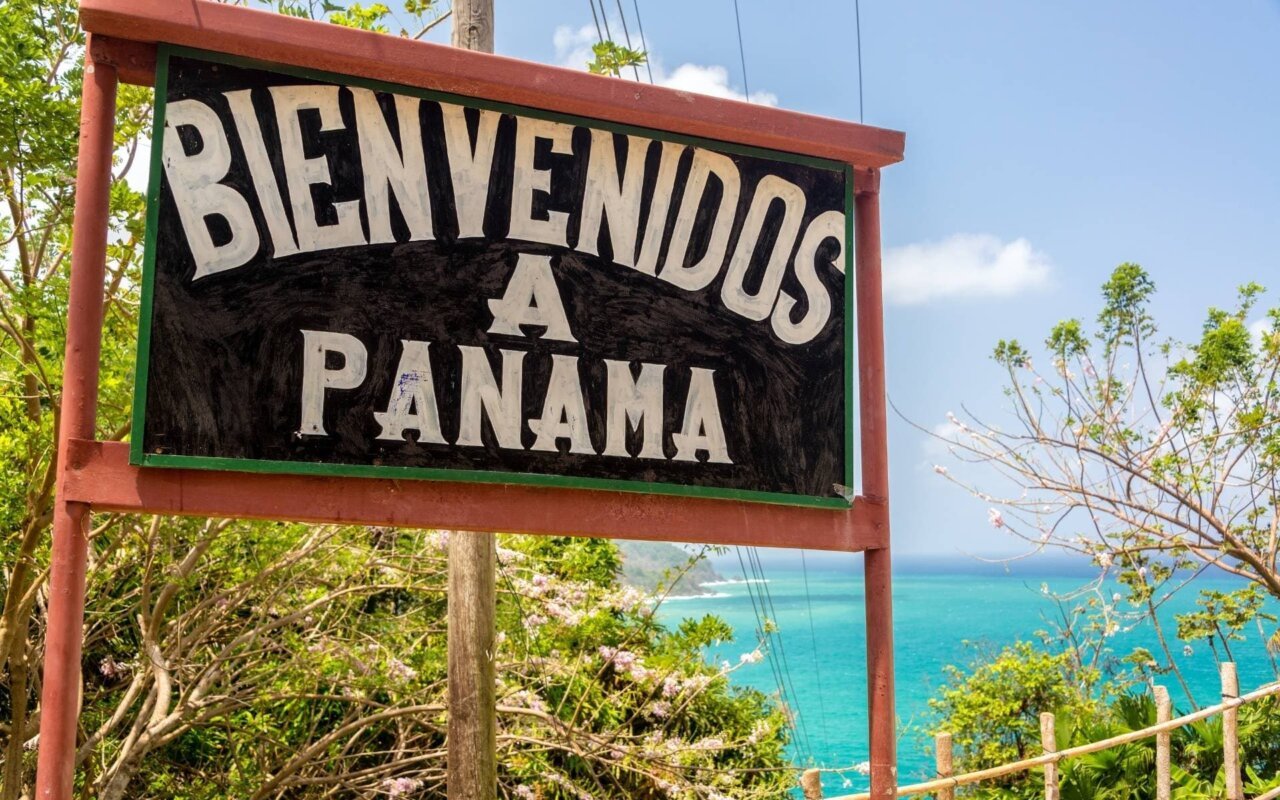
Panama is a country rich in ancient cultures, and is still home to seven indigenous communities: the Guna, Naso Tjër Di, Ngäbe, Buglé, Bri Bri, Emberá and Wounaan. Present long before the Spanish conquest, these communities continue to defend their identity, their traditions and their lands. Their craftsmanship is remarkable: wood carvings, palm seed miniatures, baskets, masks, bags woven from plant fibers and colorful traditional garments. Indigenous populations represent just over 17% of the Panamanian population. While some communities remain very rural, others are integrating modernity, thanks in particular to tourism, while preserving their culture.
During your stay, you can visit the three most accessible communities
- The Guna, by the sea in the Guna Yala archipelago.
- The Ngäbe, in the mountains to the west of the country.
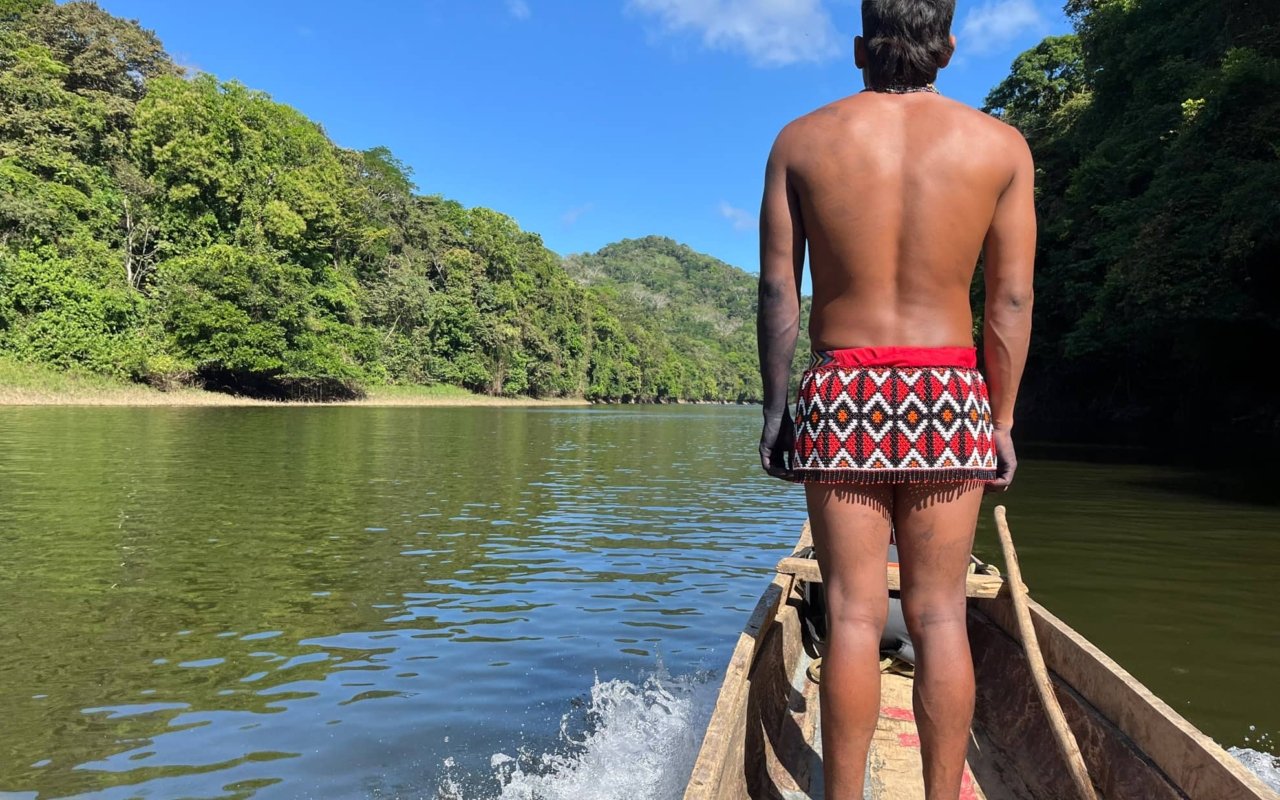
- The Emberá, in the heart of the rainforest.
These people welcome visitors with open arms, happy to share their culture.
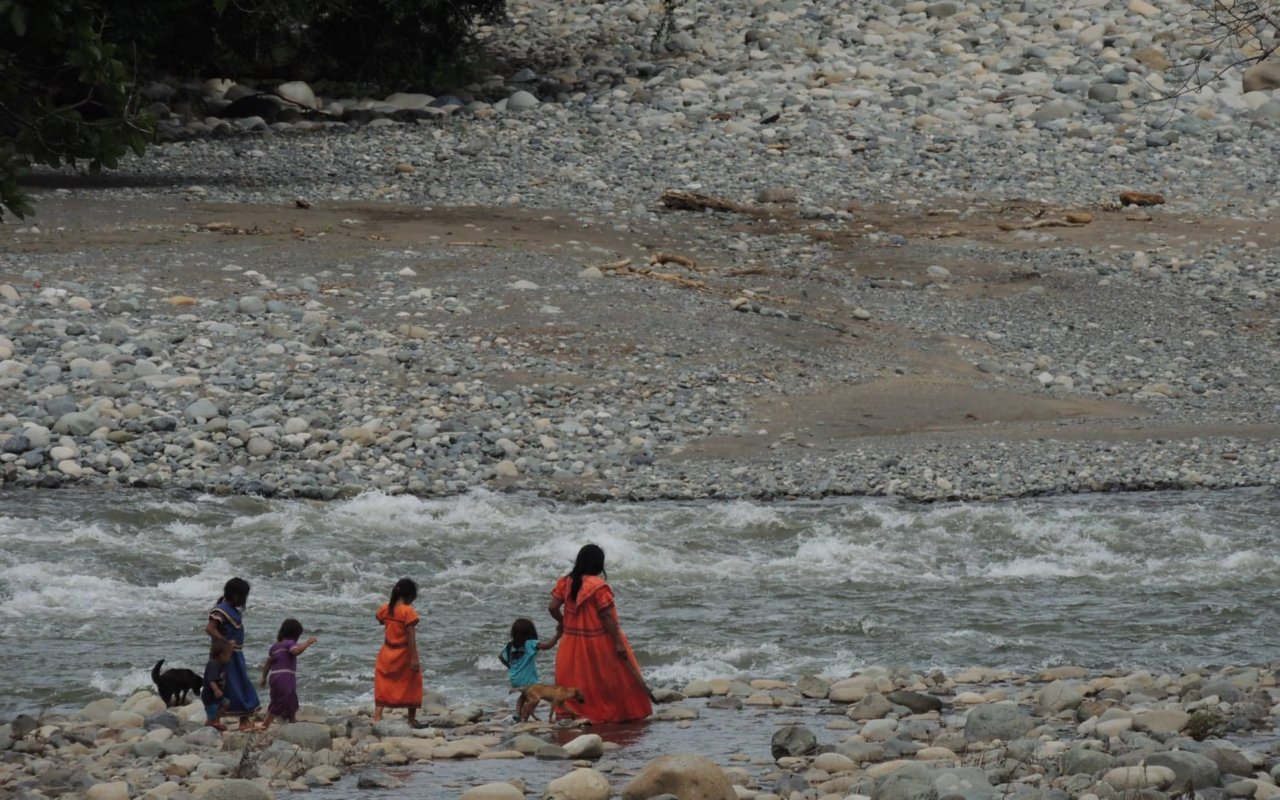
The Ngäbe-Buglé
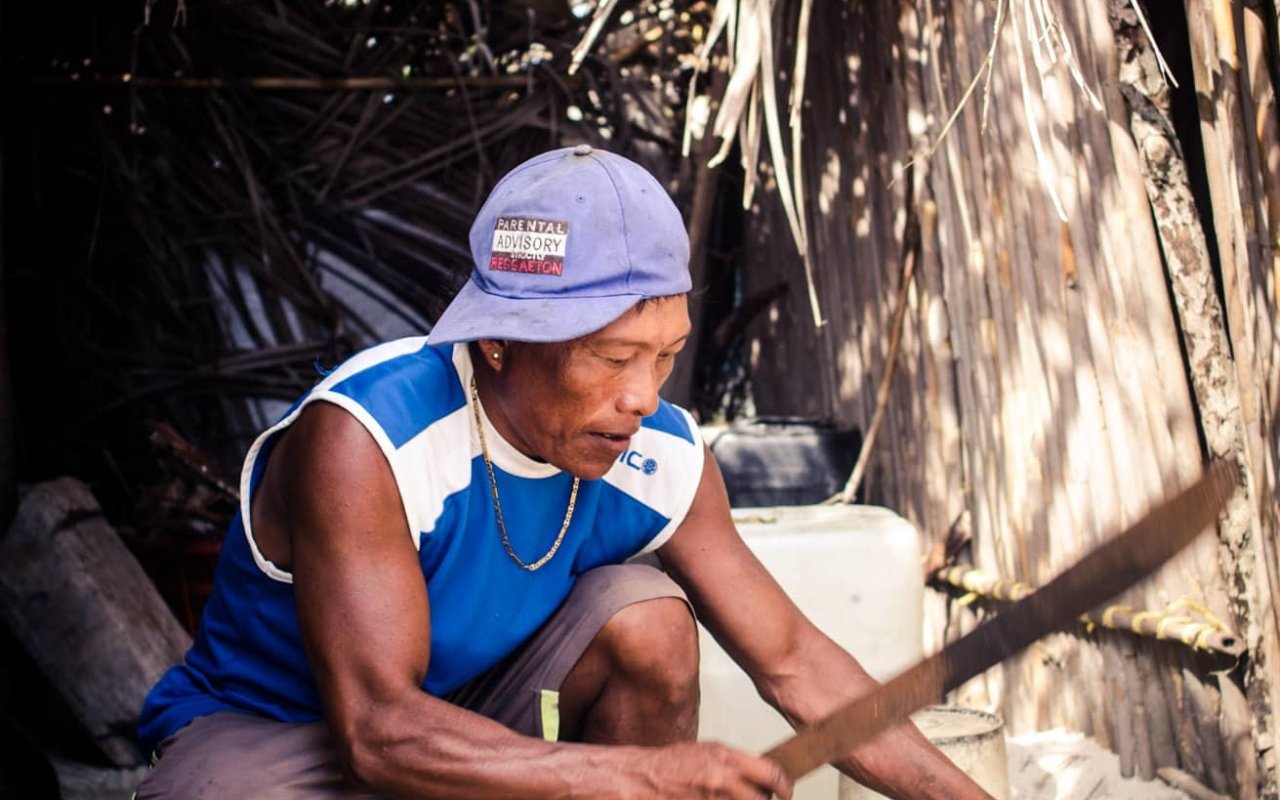
The Ngäbe and Buglé are two culturally related indigenous peoples, grouped together in the same administrative territory called Comarca Ngäbe-Buglé. The more numerous Ngäbe speak Ngäbere, while the Buglé speak Buglere. The Comarca, established in 1997, covers areas of the provinces of Chiriquí, Bocas del Toro and Veraguas. The Ngäbe-Buglé play an essential role in their country’s culture: coffee and cocoa production, craftsmanship, spirituality… Their connection with nature is profound.
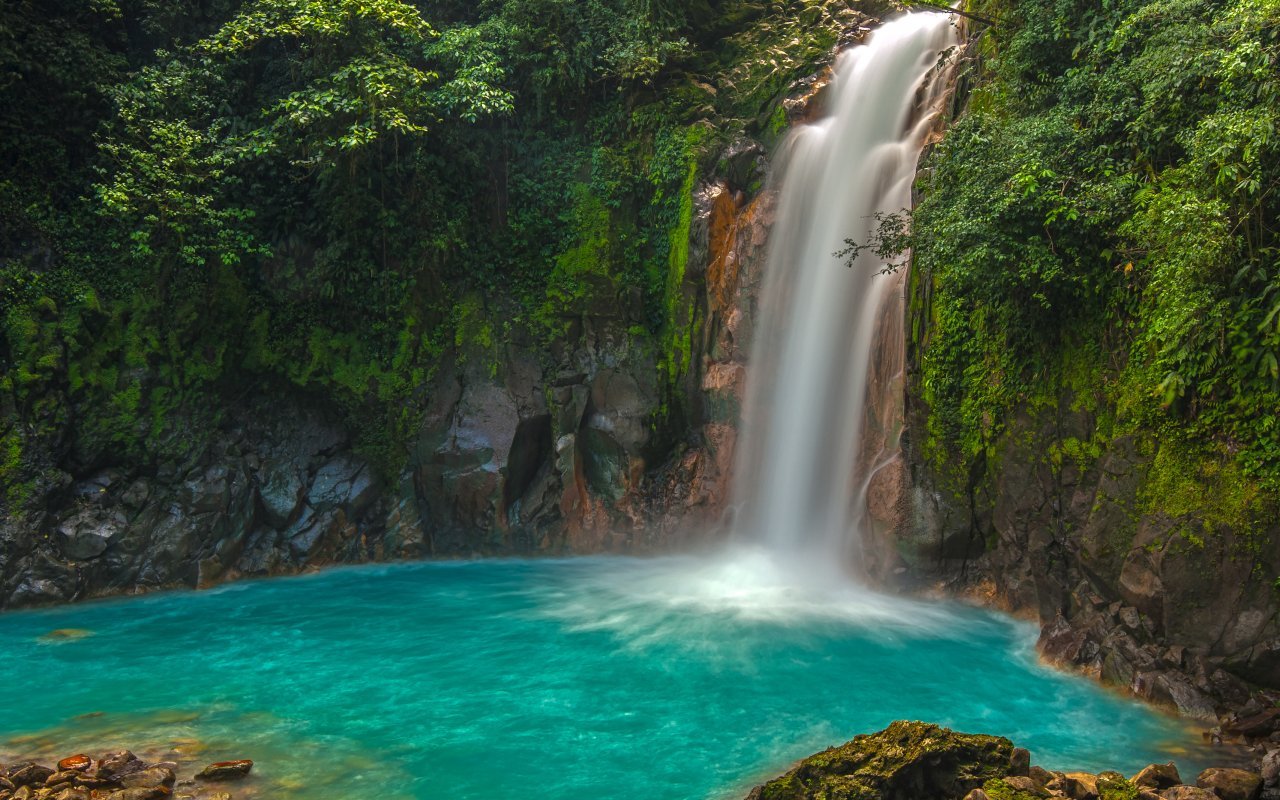
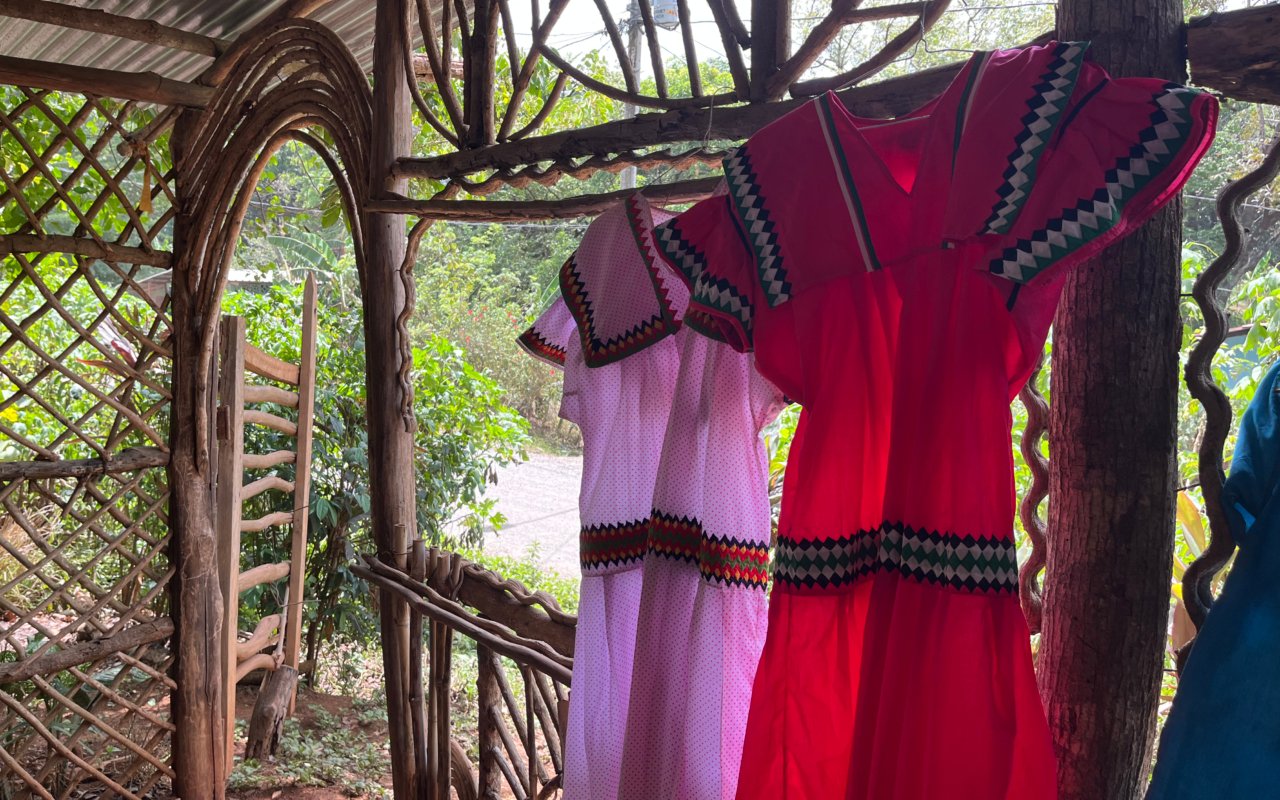
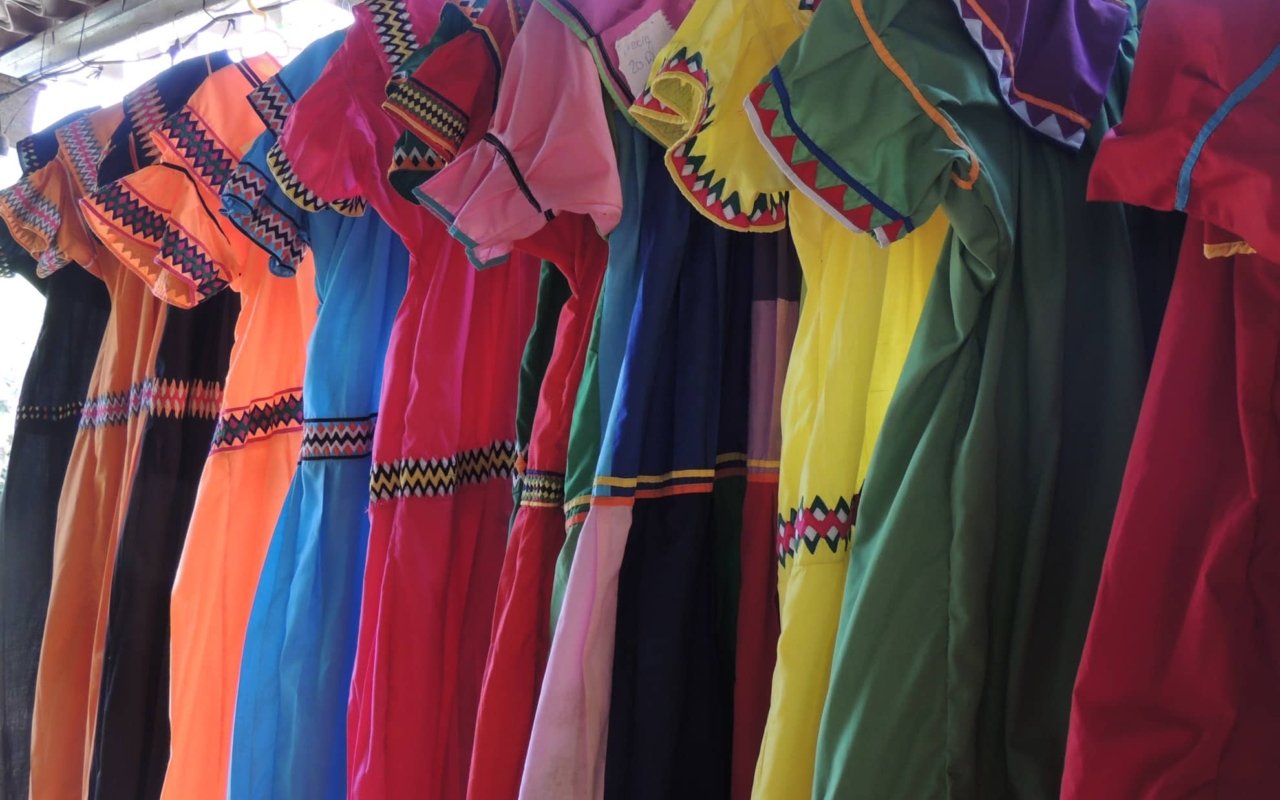
Waterfalls, for example, are regarded as sacred places, bridges between the terrestrial world and that of the ancestors. Cocoa also plays a central role in their rituals, ceremonies and traditional remedies. The traditional dresses worn by the women, with their long cuts and colorful motifs, bear witness to know-how handed down through the generations.
The Guna
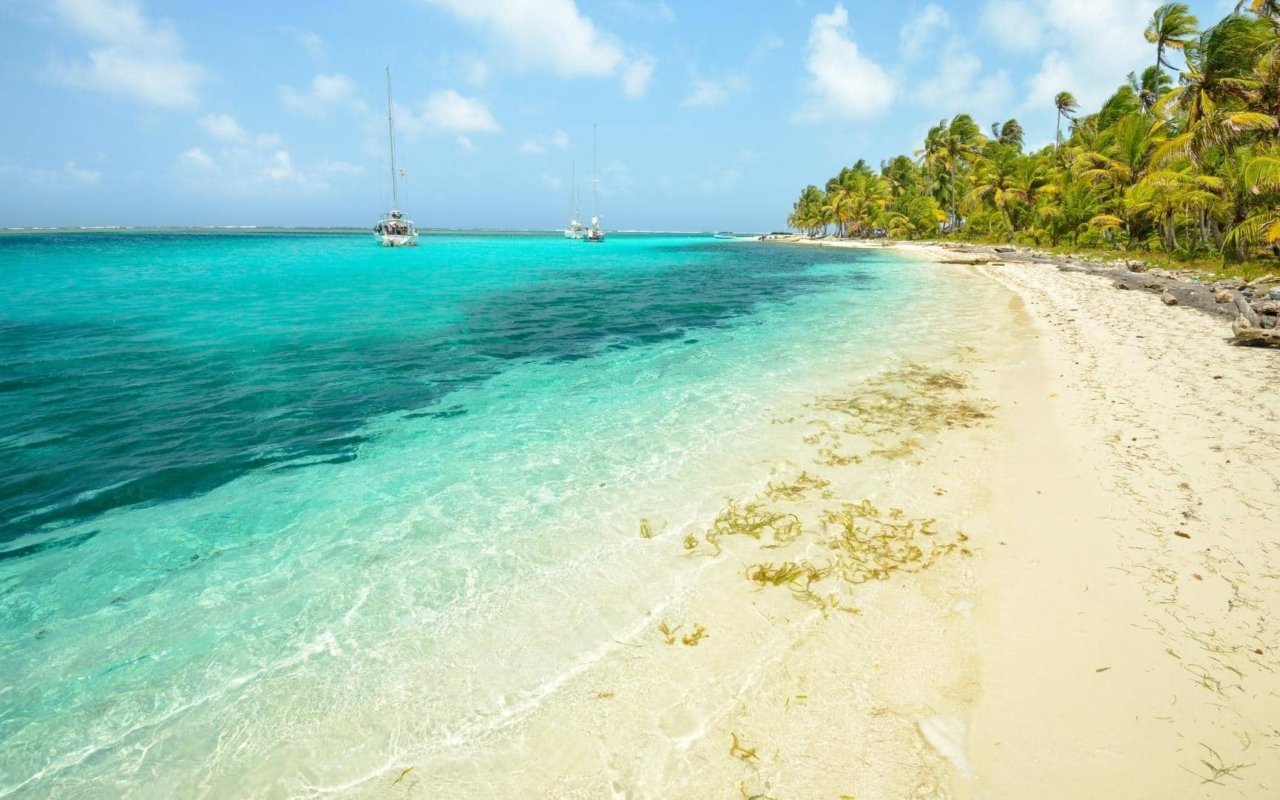
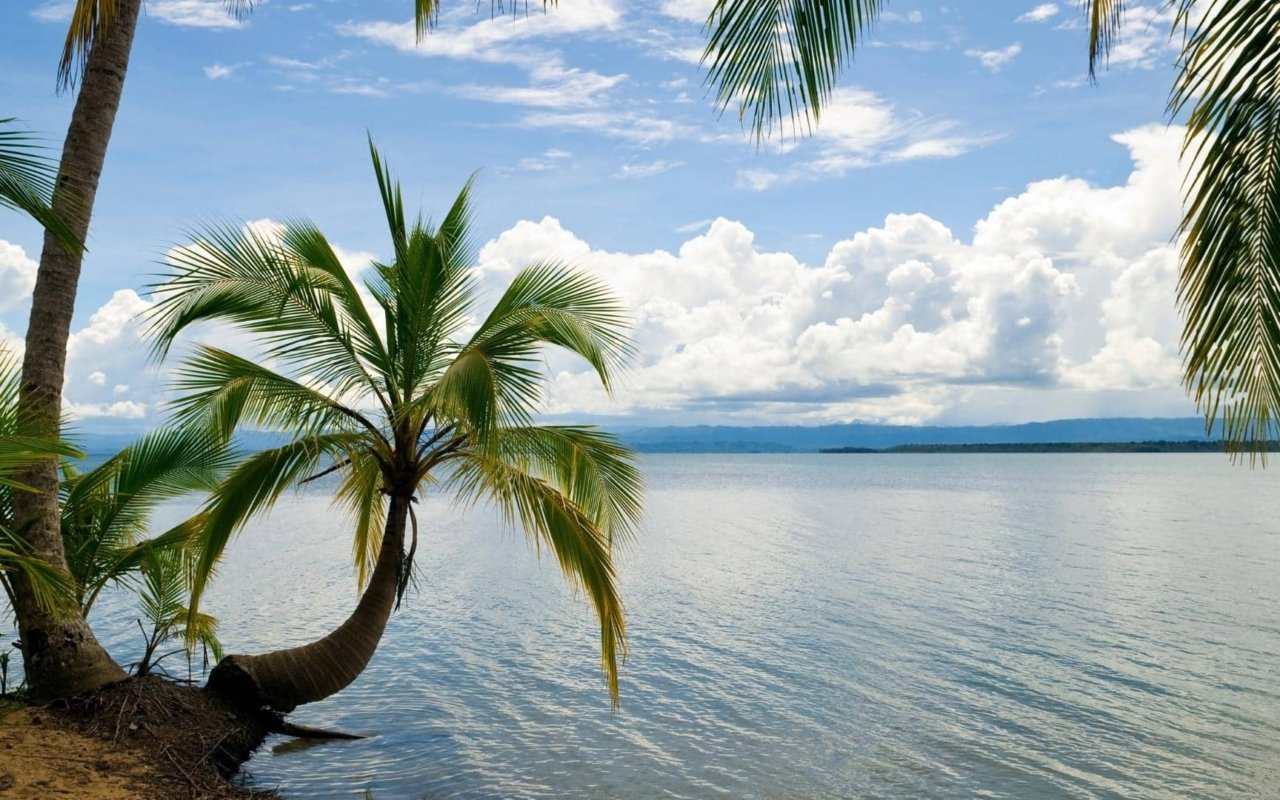
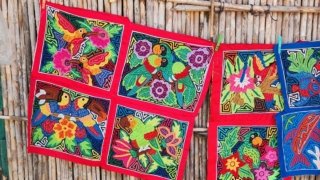
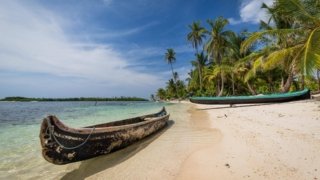
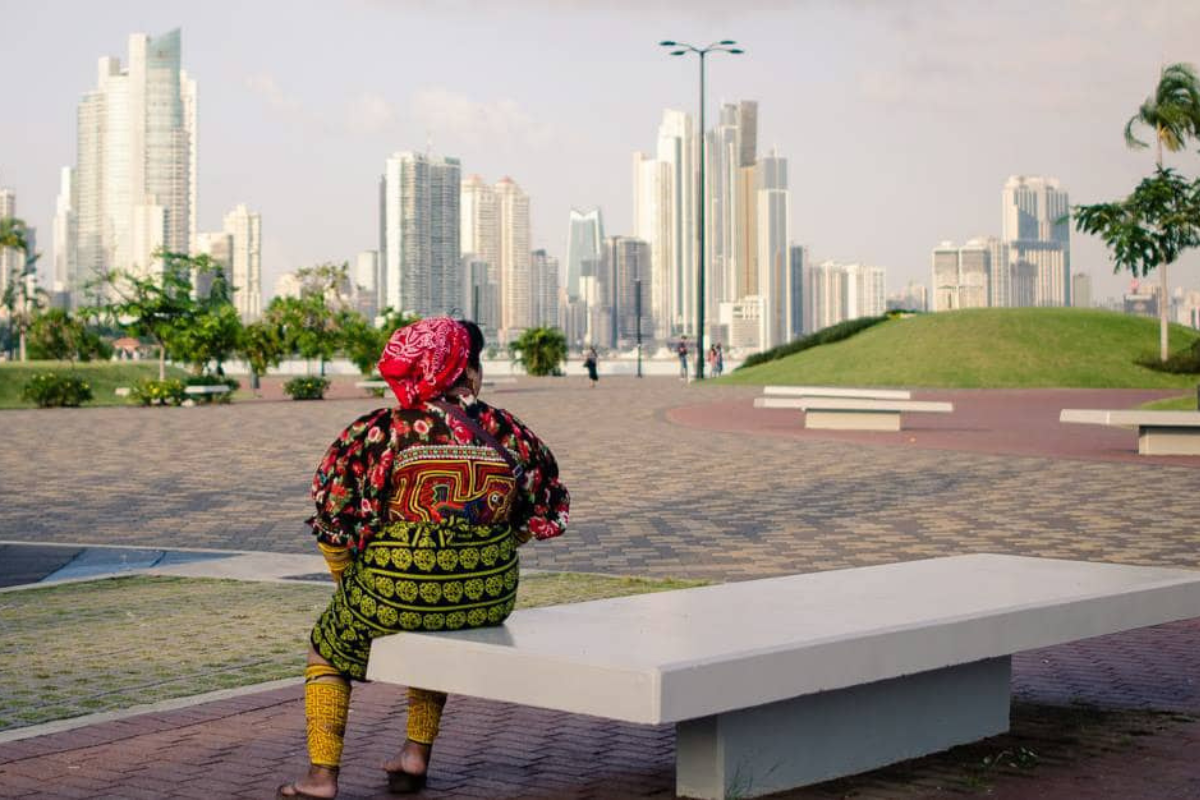
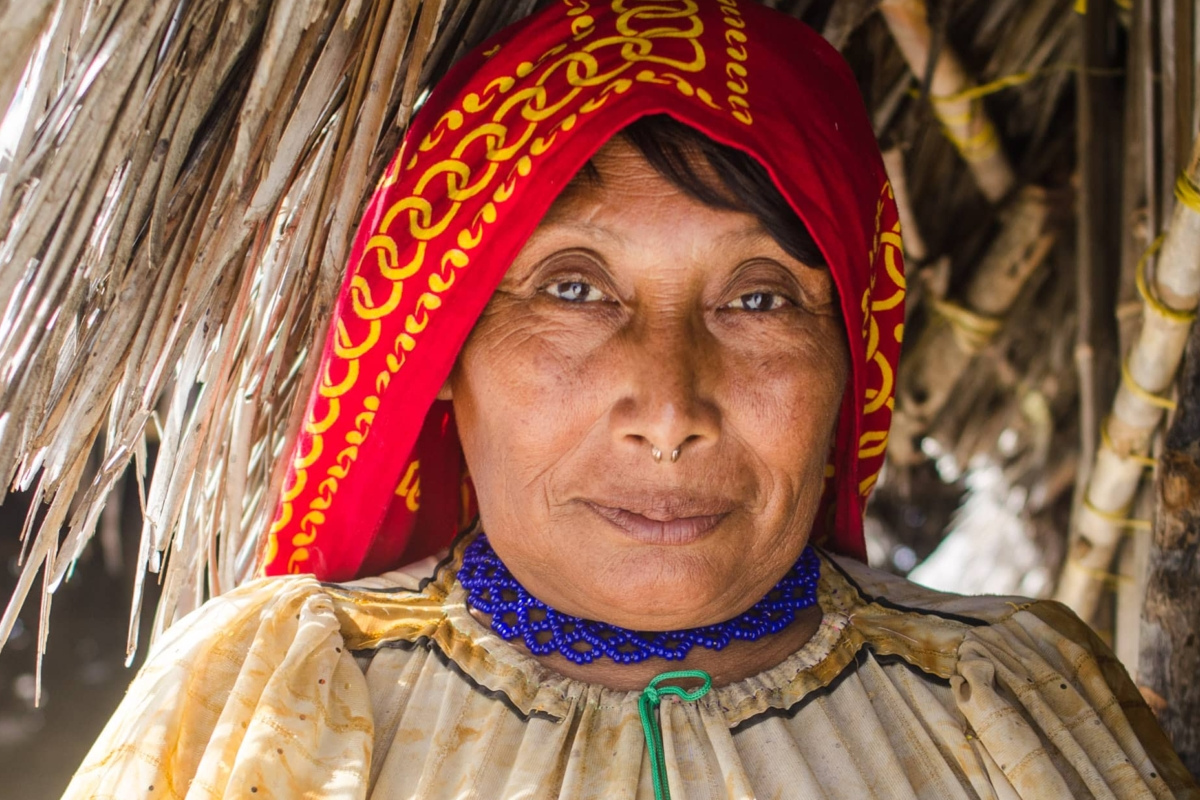
The Guna are one of Panama’s indigenous peoples, living mainly in the autonomous region of Guna Yala, a territory made up of a coastal archipelago bordering the Caribbean Sea, also known as San Blas.Guna Yala is characterized by strong community organization and autonomous governance. The local economy is based in part on the cultivation of coconuts, which are widely grown throughout the territory, and on the welcoming of visitors to certain islands, according to decisions taken collectively. The Guna are deeply attached to their autonomy and the preservation of their culture. Due to a complex history with the Panamanian state, they now favor a certain reserve in their relations with visitors.Nevertheless, they kindly welcome travelers to their islands, among the most beautiful and unspoiled in Panama, while respecting the rhythm, rules and intimacy of the community.One of the most representative elements of this culture is the mola, a textile piece made of appliqué and embroidery, traditionally worn by women. Each mola is unique, often inspired by animal forms or spiritual beliefs, illustrating the three pillars of their worldview: God, nature and the cosmos. It is possible to discover this textile art in the communities or at the Mola Museum, located in Panama City’s historic district.The traditional outfits worn by the women include colorful garments, gold jewelry and beaded ornaments worn especially on the ankles, testifying to a skill passed down through generations.
The Emberá-Wounaan
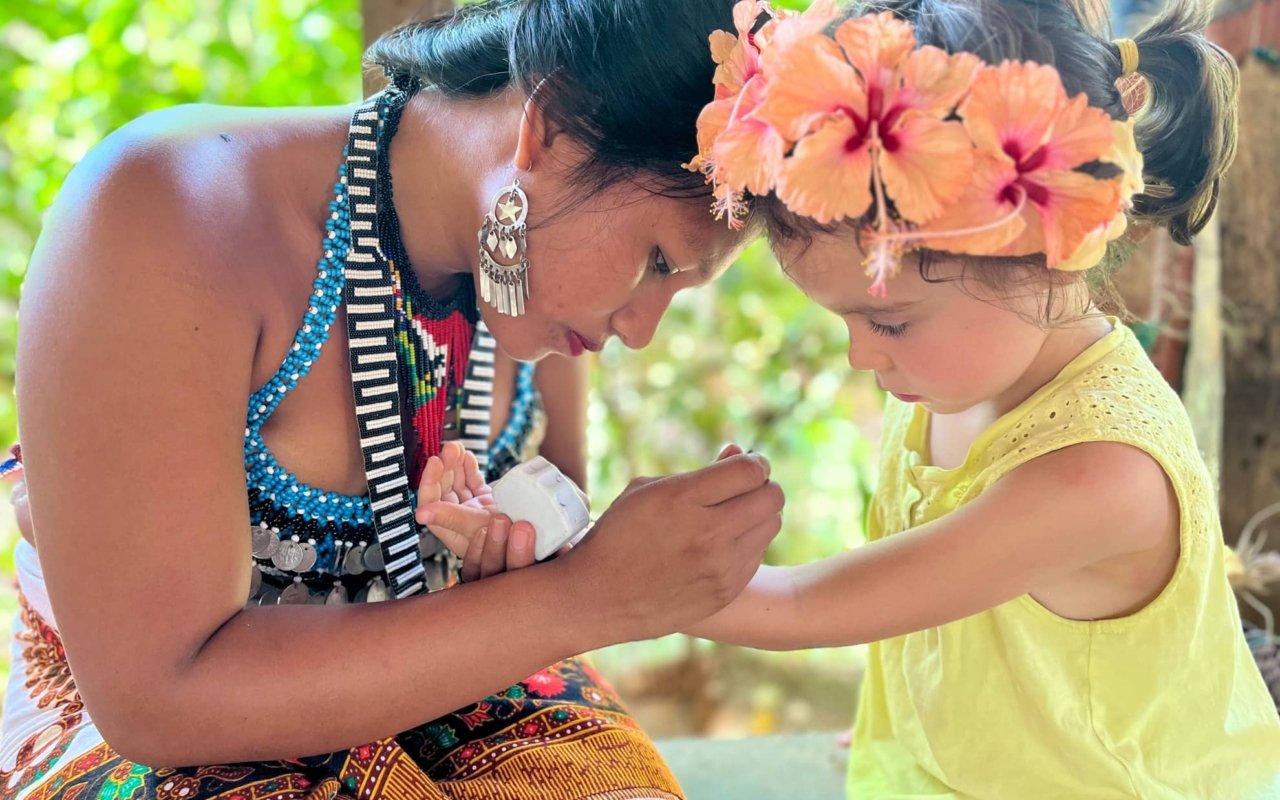
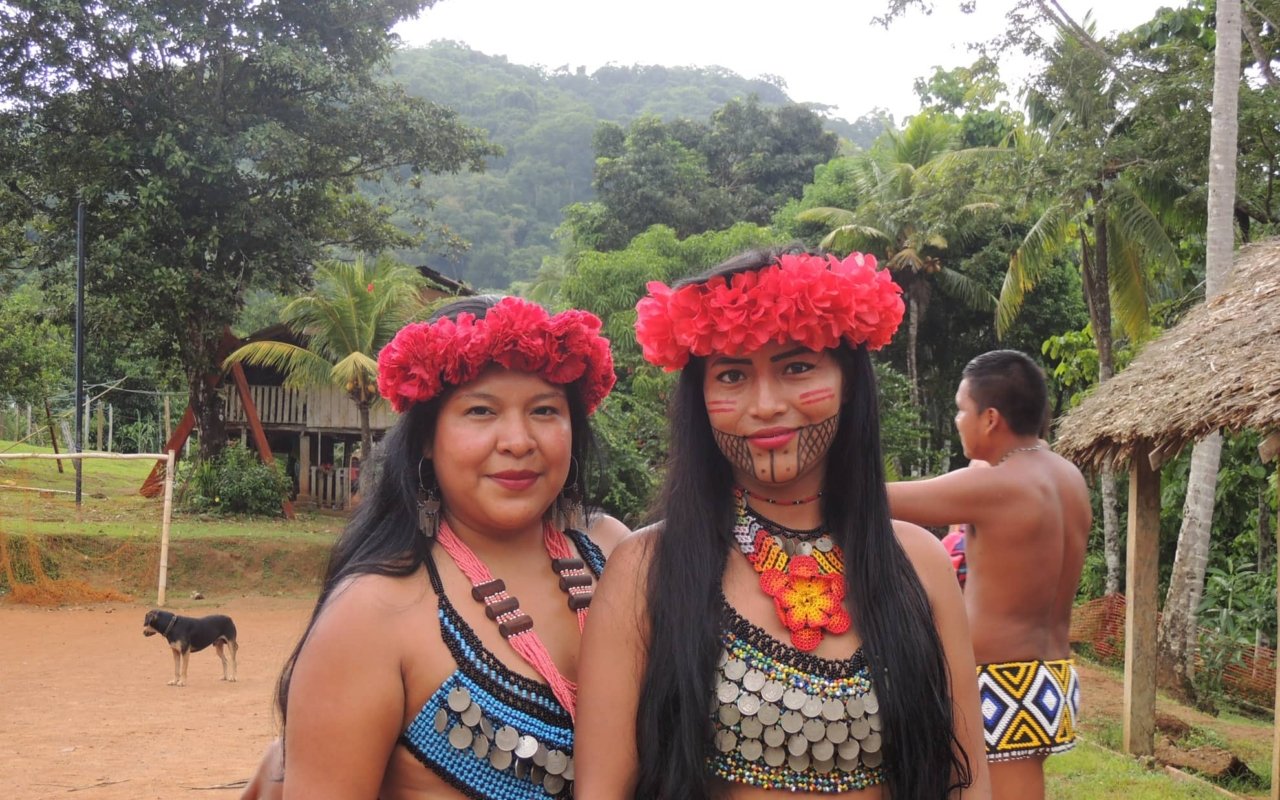
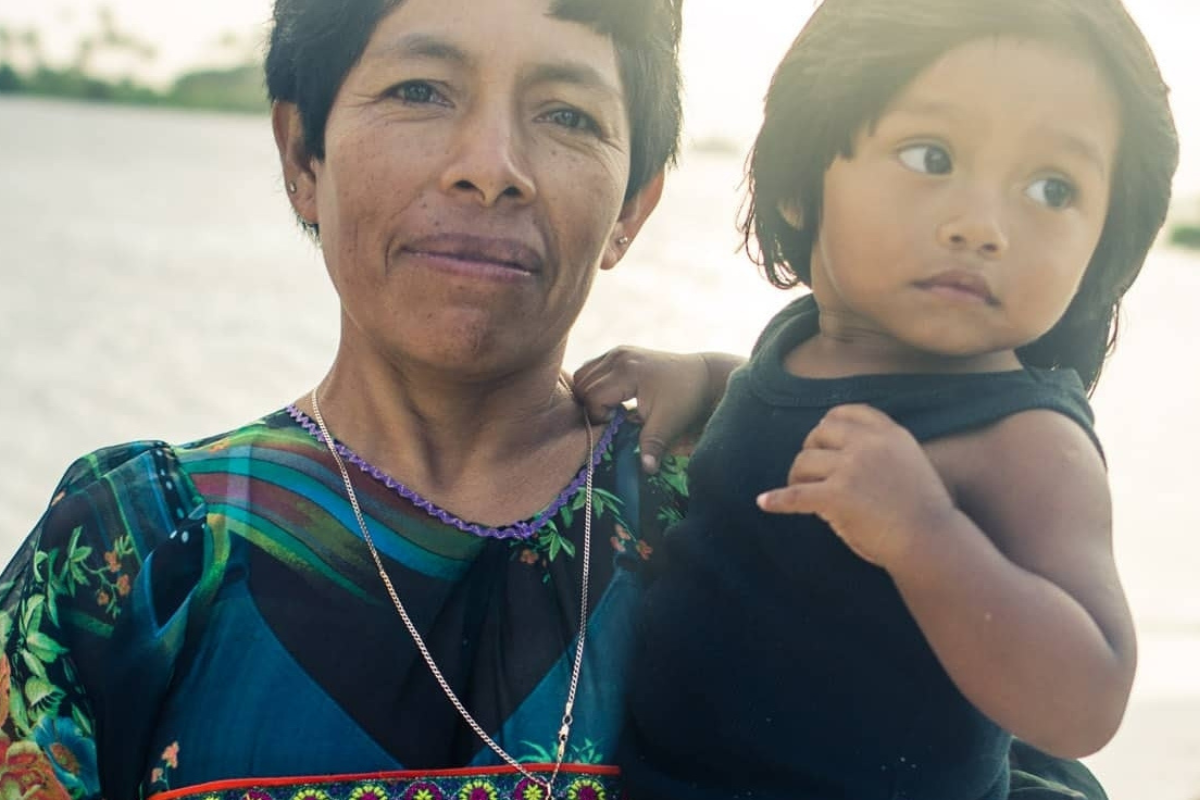
The Emberá and Wounaan are two indigenous peoples originally from the tropical forests of the Darién. Today, some communities also live along the Chagres River and right up to the Panama Canal. Despite this growing proximity to urban areas, the Emberá-Wounaan continue to actively preserve their language, dances, songs and spiritual relationship with nature.Their worldview is based on the idea that every natural element has a spirit, which underpins a strong bond of respect for rivers, forests and living beings. This cosmology is also reflected in their traditional crafts: beaded jewelry, woven baskets, sculptures in cocobolo wood or tagua seeds, the result of skills passed on collectively. Today, community-based tourism represents a source of income for certain communities, who choose to open up their territory to encounters while respecting their practices and lifestyle choices.During certain ceremonies or moments of cultural transmission, community members wear temporary tattoos based on jagua juice, stemming from an ancestral tradition with strong symbolic value. These body marks, combined with colorful pearl ornaments, express profound elements of identity and spirituality.