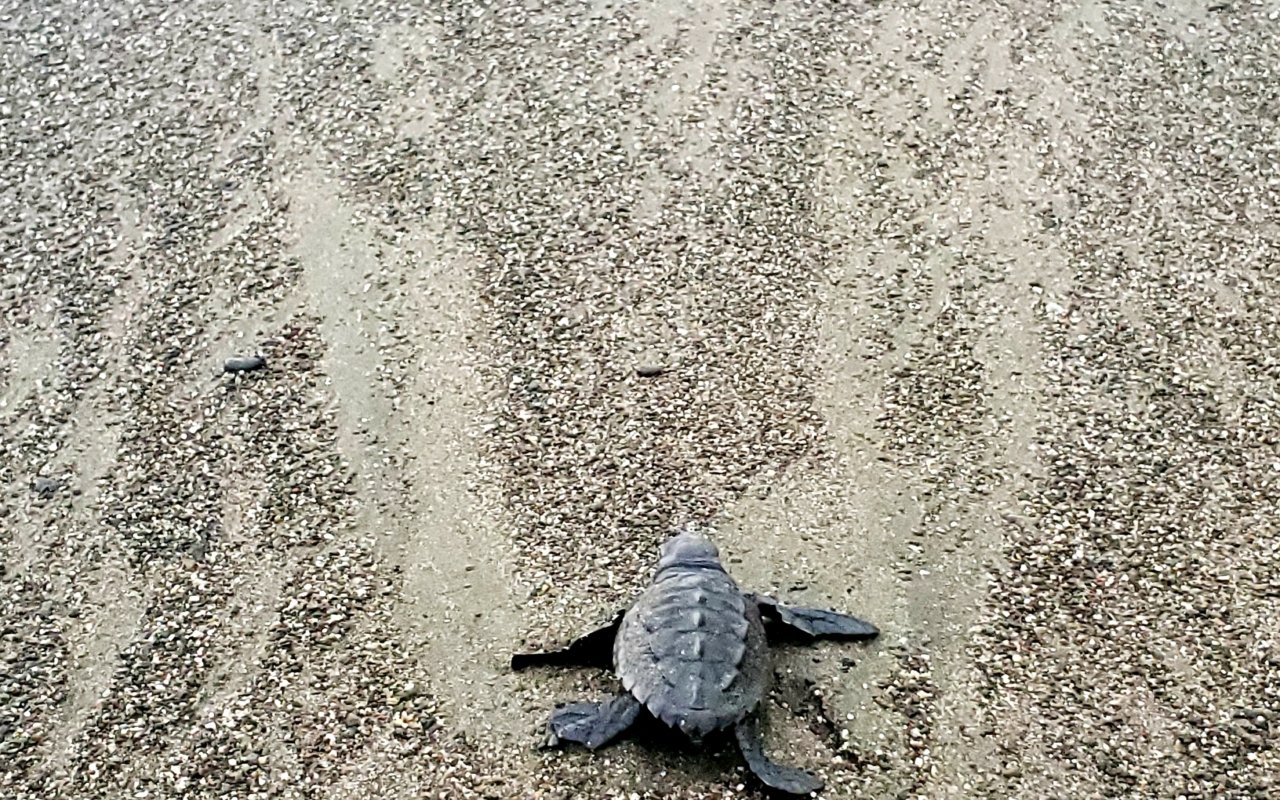
Panama may be a small country, but its coastline, bordered by two oceans, is home to a rich biological diversity. Among its most moving moments is a discreet yet grandiose ritual: the arrival of sea turtles on its beaches between July and December to lay their eggs, followed a few weeks later by the hatching of thousands of babies that make their way to the sea.
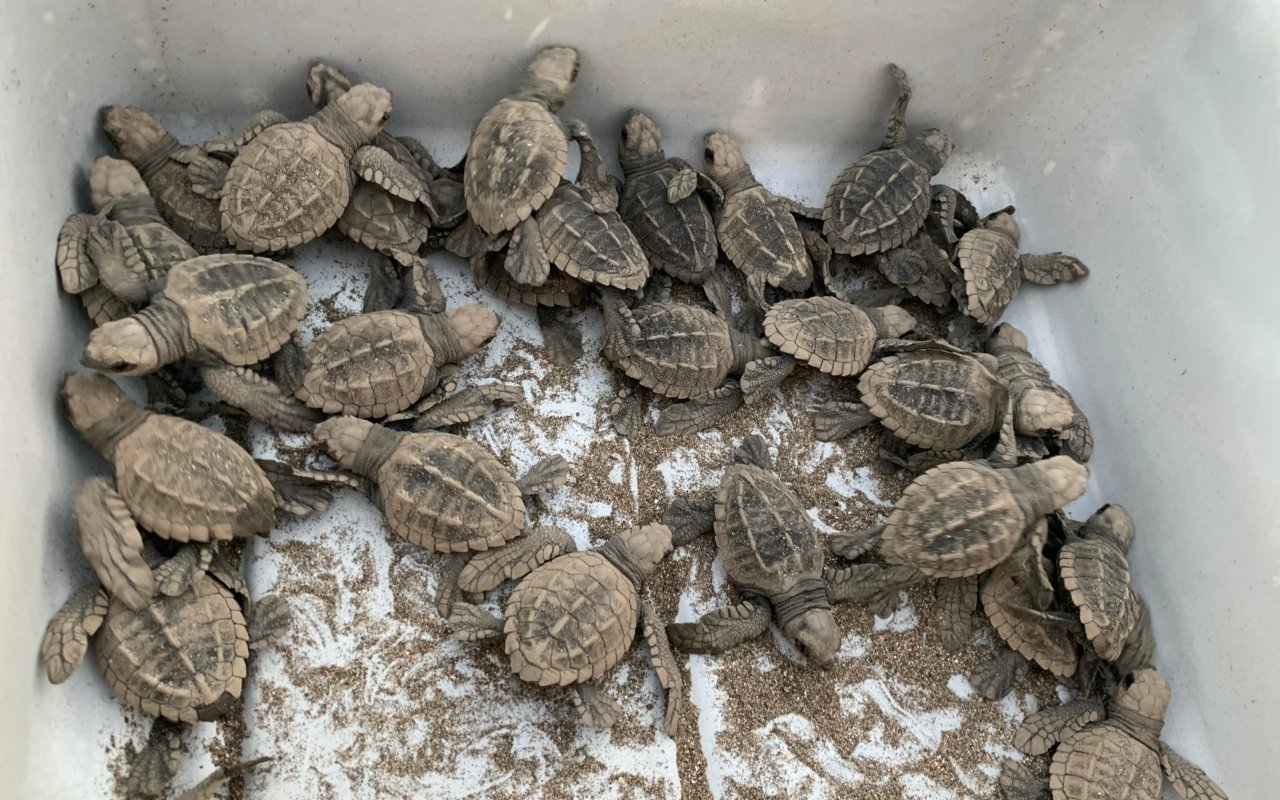
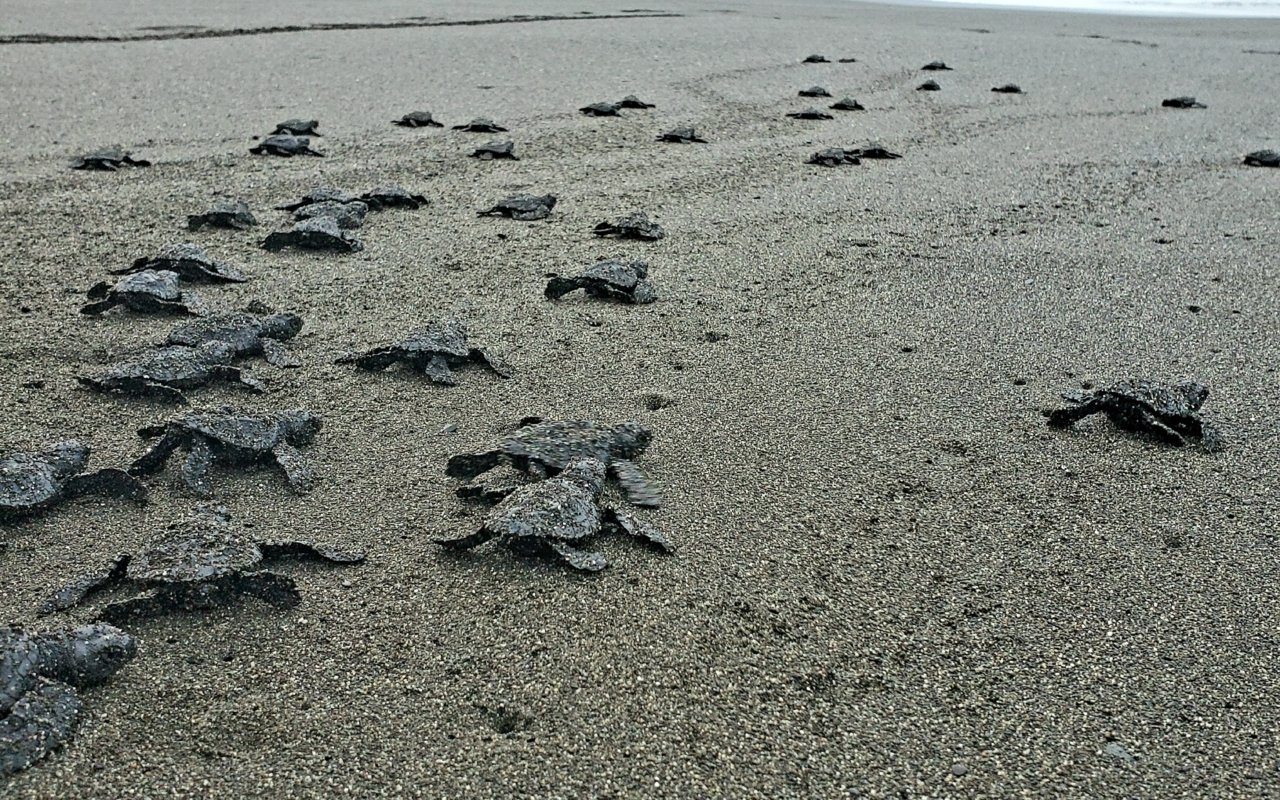
A haven for five species of sea turtle
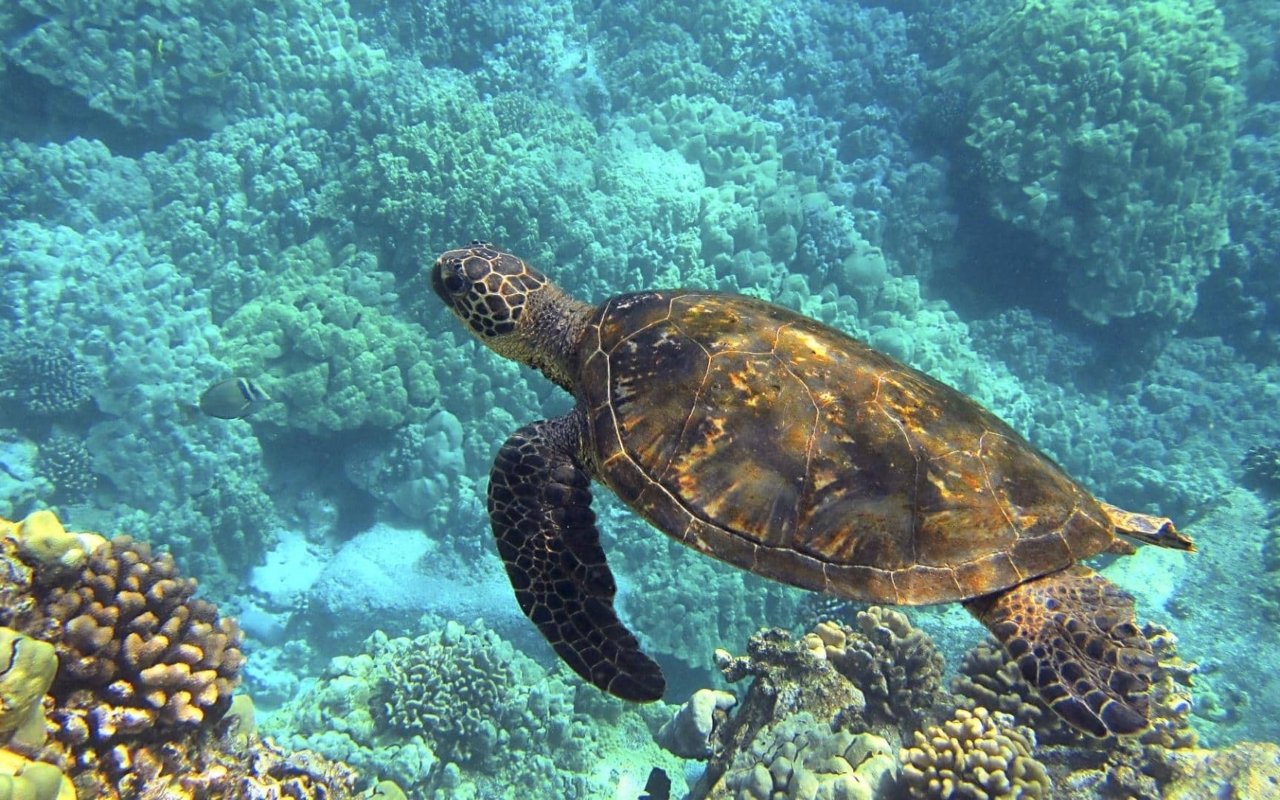
Panama is home to five of the world’s seven species of sea turtle
- Leatherback: The world’s largest turtle. Present in the Pacific and in the Caribbean at Bocas del Toro, Colon and Guna Yala
- Green turtle: Present in Coiba National Park
- Hawksbill turtle: Present in the Pacific and in the Caribbean at Bocas del Toro, Colon and Guna Yala
- Olive Ridley: The smallest of the sea turtles. Found in the Pacific on Isla Cañas and the beaches of Veraguas
- Loggerhead turtle: Mainly found in the Caribbean
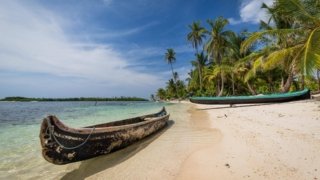
These endangered species come to lay their eggs on Pacific and Caribbean beaches every year.
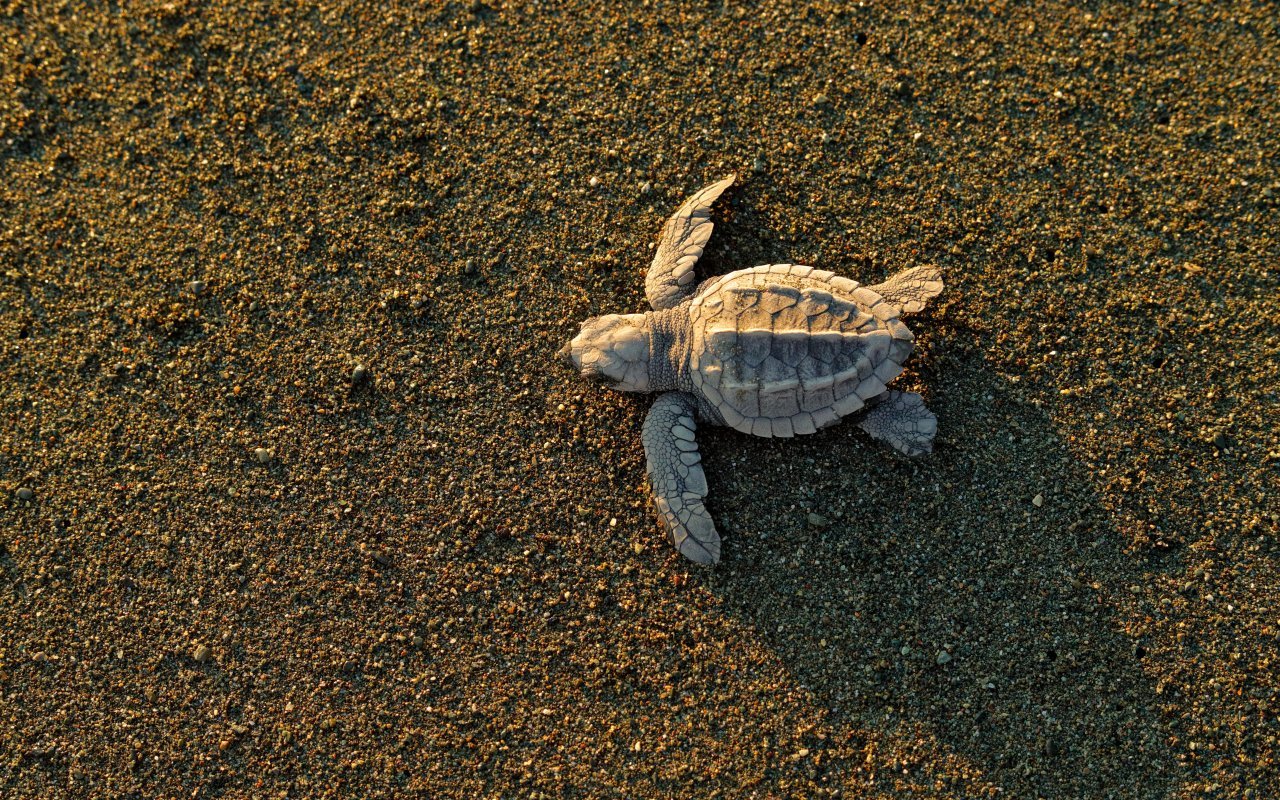
Turtle egg-laying in Panama: a fragile moment
Between July and November, the females come up the beach at dusk to dig their nests and lay several dozen eggs, then return to the ocean. Some 45 to 60 days later, the baby turtles break through the surface of the sand to launch themselves into the sea, guided by the light of the moon. Witnessing these moments is an unforgettable experience. But it must be done with discretion and responsibility. The use of torches, noise, physical contact or even the mere presence of humans can disorientate the adults and threaten the hatchlings’ survival.
Tourism working alongside local NGOs to preserve turtles
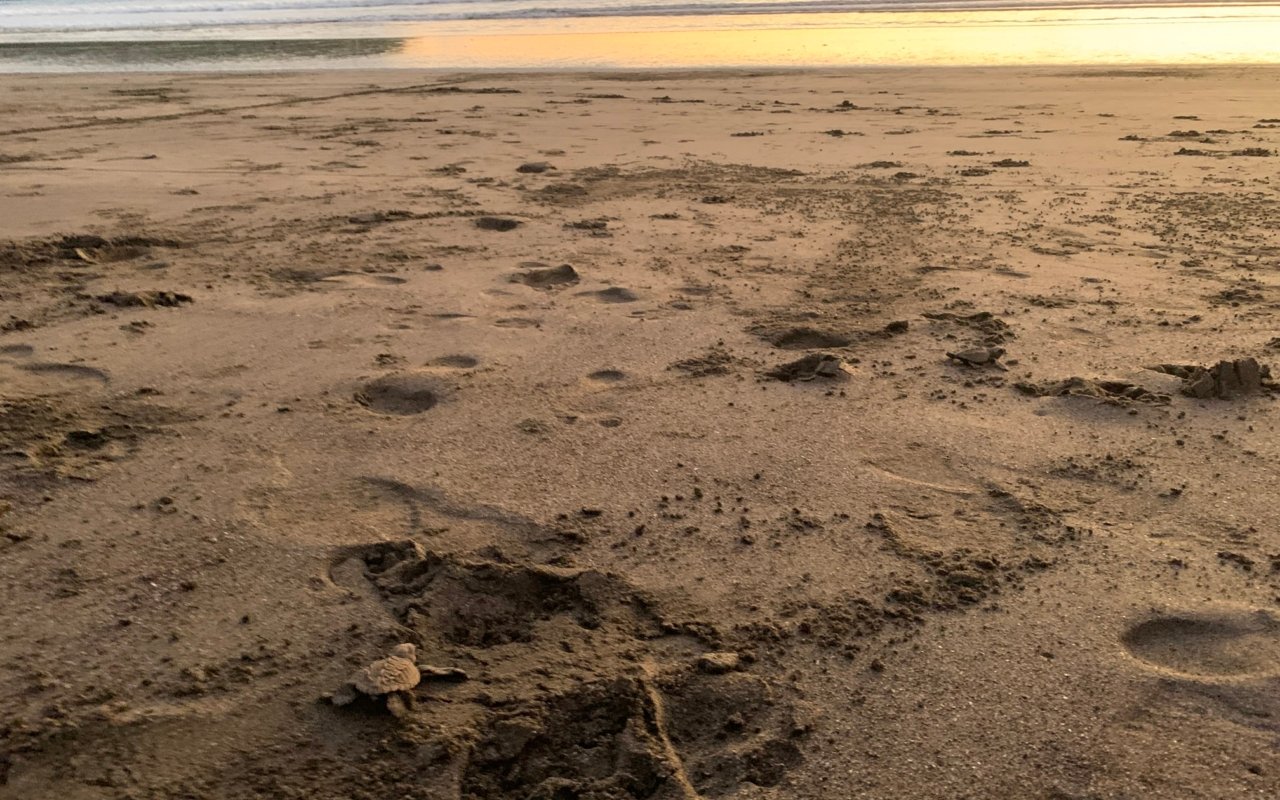
Many local associations and NGOs are working to protect these emblematic species. They monitor nests, count egg-laying, raise awareness among locals and welcome travelers looking for an educational and respectful experience. In Panama, as in many places around the world, poaching is rife, and these associations do an incredible job of raising awareness and educating local populations. At Isla Cañas, for example, visitors can take part in night patrols with members of the community. In Playa Mata Oscura and Malena, volunteers keep an eye on the beaches with Ecoruta Tortuga, and in Cambutal, a still preserved area, witnesses the annual arribadas. These initiatives contribute to sustainable community tourism, where conservation becomes a driving force for local development.
How to watch turtles responsibly?
To ensure that the magic happens without disturbing nature, here are a few simple principles to follow
- Always be accompanied by a trained local guide.
- Dark clothing is preferable.
- No white light (prefer red or amber lamps).
- Keep your distance and never touch animals.
- Do not use flash photography.
- Keep noise to a minimum and avoid crowds.
A meaningful journey
Watching sea turtles lay eggs or hatch in Panama is like no other activity. It’s a suspended moment, a silent and moving spectacle. It’s also a reminder that every species needs our respect to survive. For Terra Panama, these experiences are part of a tourism that makes sense: connected to the living, rooted in the territories and respectful of the environment. Our itineraries include several community projects committed to turtle protection, enabling travelers to experience these unique moments while making a concrete contribution to their preservation.